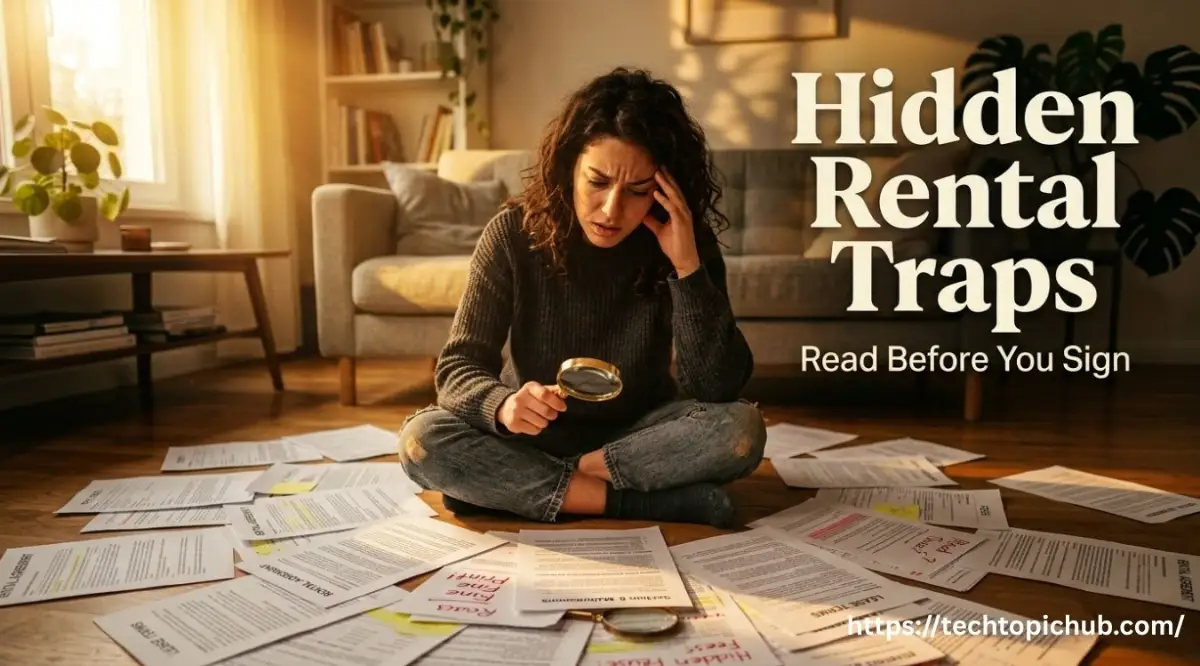
How One Simple Mistake Almost Cost Me My Dream House
You saved for years. You found the perfect neighborhood. Then, just three days before your closing date, your lender calls in a panic because you bought a shiny new fridge on store credit. Yep, that almost happened to my family. Buying a house is stressful enough without accidentally blowing up your own mortgage approval over a kitchen appliance. Let's talk about the silent banking traps you need to dodge until those house keys are actually in your pocket.
I still remember the exact moment my stomach dropped into my shoes. My family and I were just two weeks away from getting the keys to our beautiful new house. I decided to buy a new refrigerator on store credit, thinking it was completely harmless.
The next morning, my phone rang with my loan officer on the other end, sounding incredibly nervous. My simple furniture purchase had completely thrown off my credit profile right before the final check. I almost lost everything we worked so hard for because of one tiny, thoughtless action.
The stress that followed was absolutely overwhelming, and it felt like walking on eggshells inside my own mind. You spend months searching for the perfect neighborhood and imagining your kids playing in the backyard. Then, out of nowhere, an unexpected roadblock threatens to tear that dream apart.
You start second-guessing every single penny you spend at the grocery store. Your mental peace completely disappears because your entire financial future is hanging by a thread. This heavy fear destroys the joy that is supposed to come with achieving your housing goals.
It breaks my heart to see hard-working families lose their deposits and their sanity over completely preventable errors. We all deserve to experience the excitement of moving into a new place without feeling terrified of the underwriter.

Your Pre-Closing Survival Checklist:
- Freeze your credit: No new appliances, no cars, and absolutely no "buy now, pay later" apps.
- Keep your cash still: Stop moving money between different bank accounts without a clear paper trail.
- Lock in your job: Do not change your career or your pay structure (like switching to commission) until you move in.
- Pay your boring bills: Don't let the excitement of packing make you forget your current utility bills or credit card minimums.
Uncovering the Sneaky Traps That Ruin Housing Approvals
Getting a pre-approval letter from your bank feels like a massive victory. You finally have a clear budget, and you are ready to make offers on your favorite properties. However, a pre-approval is not a guarantee that the bank will actually give you the money on closing day.
The banking system will scrutinize your financial life all over again right before you sign the final papers. If anything looks suspicious or different, they can and will pull the plug on your funding. Let me walk you through the most dangerous actions you must avoid to keep your approval safe.
The Danger of Taking on Brand New Debt
When you get approved for a house, it is incredibly tempting to start shopping for items to fill it. You might see a beautiful dining set and think signing up for store financing is a great idea. Unfortunately, that single credit check can completely destroy your debt-to-income ratio in an instant.
Myth vs. Fact: The Credit Card Trap
- The Myth: "I can use my credit cards for home stuff right now as long as I pay the balance off right away."
- The Fact: Lenders pull your credit at random times before closing. If they check it on a Tuesday and your balance happens to be high (even if you plan to pay it off on Friday), your debt-to-income ratio spikes. Your loan could get paused or denied on the spot. Stick to your debit card!
The bank recalculates your financial health just days before handing over the keys. If they see a brand new monthly payment, they have to factor that into your overall budget. Suddenly, you might not qualify for the exact loan amount you originally requested.
Even a tiny monthly payment of fifty dollars can push your application over the edge if your budget is already tight. The underwriter will halt the entire process to ask for explanations and updated paperwork. This delay can cause you to miss your closing date and potentially lose the house altogether.
My biggest realization during this whole messy journey was that silence is golden when it comes to credit. I learned the hard way that you should never touch your credit lines once the process begins. I simply stopped using my cards entirely until I had the physical keys in my hand.
Here is my biggest personal pro tip: act like your bank accounts and credit cards are completely frozen for at least two months before closing. I made the mistake of thinking small purchases would go unnoticed, but underwriters see literally everything. If you just pause your normal spending habits temporarily, you will save yourself so many headaches and frantic phone calls from your lender.
Moving Large Amounts of Unexplained Cash
Many buyers think saving cash in a safe at home is an excellent way to prepare for a down payment. They take out thousands of dollars and deposit it into their checking account right before paying their closing costs. The banking system actually views sudden large deposits as a massive red flag for money laundering and fraud.
Underwriting rules require lenders to track the exact source of every single penny you use for the transaction. If you cannot provide a clear paper trail, the bank will refuse to use those funds entirely. This strict rule can leave you scrambling to find acceptable money at the very last second.

If a family member wants to help you with the down payment, they cannot just hand you a stack of bills. They need to wire the money and sign a legal document called a gift letter. This letter proves to the bank that the money is not a secret loan that you have to pay back.
Want to see exactly how a simple cash deposit can completely ruin your home approval? Watch this quick breakdown to see what underwriters actually look for behind the scenes, and then keep reading below to uncover even more sneaky banking traps!
The Shocking Reality of Job Changes
You might think that getting a promotion or moving to a higher-paying job is amazing news for your loan. In real life, changing your employment status during the underwriting phase is incredibly risky. Lenders want to see absolute stability and predictability in how you earn your living.
If you switch from a steady salary position to a commission-based job, your income becomes unpredictable. The bank usually requires a two-year history of commission earnings before they will count it toward your approval. Your shiny new job could instantly disqualify you from getting the mortgage.
Even changing jobs within the exact same industry can cause massive delays. The lender has to verify your new employment, check your new pay stubs, and recalculate everything. Always wait until after you move into your new home before you start making big career moves.
Why Paying Off Old Debts Can Backfire
This is one of the most confusing parts of the entire home financing journey. We are naturally taught that paying off old collections or closing unused credit cards is a responsible thing to do. However, doing this right before you buy a house can actually drop your credit score significantly.
When you pay off an old collection account, it updates the activity date on your credit report. This sudden burst of new activity on a negative item can drag your overall score down. A sudden drop in your score might push you below the minimum requirement for your specific loan program.
Closing an old credit card is just as dangerous for your profile. It immediately reduces your total available credit, which makes your credit utilization ratio look much worse.
The Secret Threat of Co-Signing
Sometimes a close friend or a family member will ask you to co-sign a loan for a car or an apartment. You might agree to help them because you trust they will make all the payments on time. What you might not realize is that their debt is now officially your legal responsibility too.
When the underwriter pulls your credit, that car loan will show up right next to your own personal debts. The monthly payment will be directly added to your debt-to-income ratio, even if your friend pays it. This extra burden is often the exact reason a buyer gets rejected at the final hurdle.
You cannot just explain to the bank that it is not really your car. The legal paperwork says otherwise, and the bank will always calculate for the worst-case scenario. Never co-sign anything for anyone while you are trying to secure a housing loan.
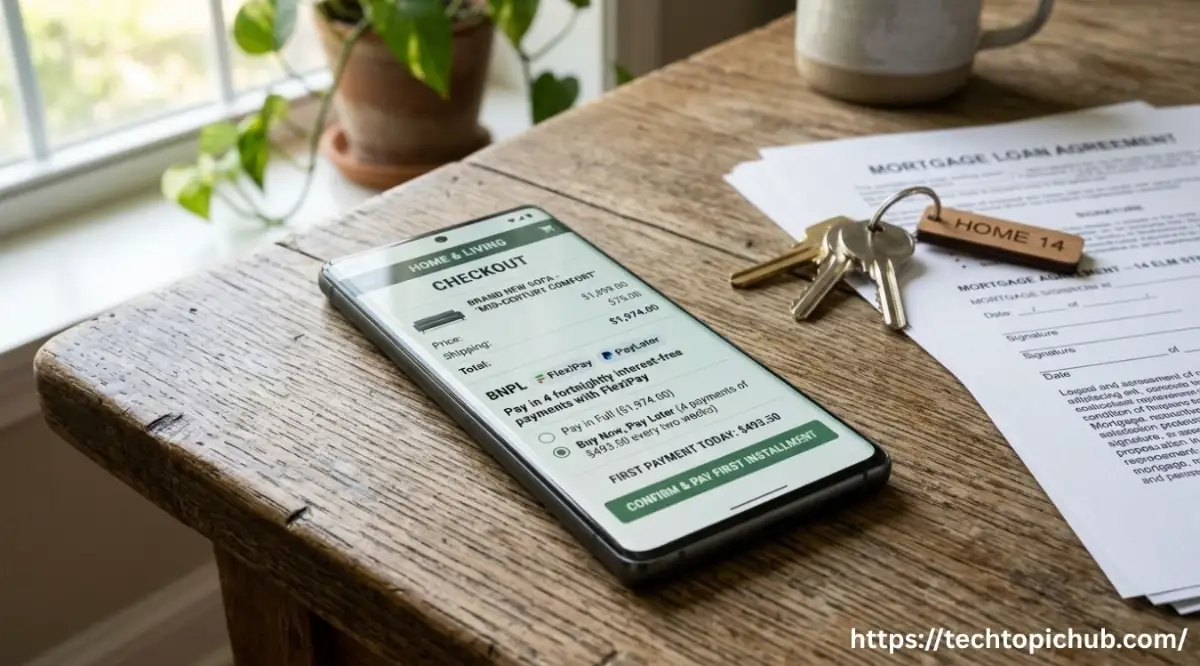
The Sneaky Rise of "Buy Now, Pay Later" Apps
In recent times, services that let you split payments into smaller chunks have become extremely popular. You can use these apps to buy clothes, electronics, and even concert tickets with a few clicks. Because they often do not do a hard credit check, buyers assume they are totally safe to use.
The problem is that lenders are getting much smarter about spotting these hidden payment plans. When they review your bank statements, they will easily see those weekly deductions coming out of your account. These hidden obligations show the bank that you have undeclared monthly debts.
If the underwriter spots a pattern of deferred payments, they will force you to explain every single transaction. They will recalculate your monthly spending power to include all those tiny little installments. To stay safe, simply delete those apps from your phone until your home purchase is completely finalized.
Shifting Money Between Your Own Accounts
It sounds completely harmless to move money from your savings account into your checking account to get ready for closing. After all, the money belongs entirely to you, and you are just organizing your funds. Surprisingly, this simple action can create a mountain of stressful paperwork.
The bank is required to source all large deposits, even if they come from your own secondary accounts. If they see a five-thousand-dollar transfer, they will demand two months of statements from the other account as well. You will have to prove exactly where that original money came from before you moved it.
This leads to a frustrating paper chase that can exhaust you right when you need your energy the most. The best strategy is to put all your closing funds into one specific account a few months early. Leave the money sitting there untouched so it ages gracefully in the eyes of the bank.
Ignoring Your Routine Bills
When you are deeply focused on packing boxes and scheduling movers, regular life can get a little blurry. It is incredibly easy to accidentally forget to pay a simple utility bill or a medical invoice. A single late payment reported to the credit bureaus can destroy your hard-earned credit score overnight.
The lender will pull a fresh copy of your credit report just days before the official closing date. If they see a brand new thirty-day late mark, they will immediately stop the funding process. All the hard work you put into saving your down payment will be completely wasted.
Set every single one of your standard bills to auto-pay while you are in the underwriting phase. You want to make absolutely sure that your financial profile remains completely frozen in perfection. Your future self will be extremely thankful that you took this small but powerful preventative step.
Not Communicating With Your Loan Officer
Many buyers feel intimidated by their loan officer and try to hide small financial issues from them. If something unexpected happens, like a drop in income, they hope the bank simply will not notice. This is the absolute worst approach you can take when trying to buy real estate.
The bank uses highly advanced software that will eventually uncover every single financial secret you have. If they find out you hid something, they will immediately lose trust in your application. Losing the trust of your underwriter usually means an automatic denial.
Your loan officer is actually on your team, and they only get paid if your loan successfully closes. If you accidentally mess up your credit or face an income issue, tell them immediately. They can often find a creative solution or restructure the loan before it becomes a complete disaster.
Mastering Your Money Moves Before Closing Day
Achieving final approval on your home loan requires a very specific level of financial discipline. You have to treat your bank accounts like a highly sensitive science experiment where nothing is allowed to change. The smartest buyers know that staying completely invisible to the credit bureaus is the ultimate strategy.
One of the most effective strategies is adopting what I like to call the sixty-day financial quarantine. This means you make absolutely zero changes to your money habits for two full months before closing. Underwriters always ask for your last two months of bank statements to verify your spending patterns.
By keeping your money completely still, you present a perfectly clean and predictable profile to the bank. If you want to dive deeper into how understanding your credit rights and reports works, the Consumer Financial Protection Bureau offers excellent guidance. A clean history proves to the bank that you are a highly responsible borrower who can handle a mortgage.
Another brilliant move is to proactively communicate every single detail with your loan officer. Most people are terrified to bother their lender, but frequent communication is actually your best defense. If you accidentally make a large purchase, telling them immediately gives them time to fix the paperwork.
Real-Life Scenario: The Power of the Explanation Letter
Imagine you had to pay a massive emergency medical bill right in the middle of your underwriting process. A normal buyer might panic and try to hide this sudden drop in their savings account. An educated buyer will immediately call their lender and offer to write a formal letter of explanation.
This simple letter provides context for the sudden expense and proves it was a one-time emergency event. The underwriter can easily attach this document to your file and confidently move your application forward. Transparency always wins when you are dealing with massive financial transactions.
It is also incredibly wise to focus on maintaining your cash reserves during this waiting period. Lenders love to see that you have extra money left over after you pay your closing costs. You can safely build your emergency savings long before you even apply for the mortgage.
Having a solid financial buffer shows the bank that you will not default on your loan if your car breaks down next month. You can find more helpful comprehensive tech and finance resources to keep your personal budget organized. A strong reserve account acts as a massive safety net that makes the bank feel incredibly secure.
If you are currently trying to sell an old property while buying a new one, your cash flow might feel very tight. Many families struggle to balance two mortgages, which is why navigating a sluggish housing market requires careful planning. Always make sure your lender knows exactly where your down payment is coming from if it depends on another sale.

The Hidden Financial Traps That Derail Buyers
Even the most careful families can accidentally step into financial landmines right before their closing date. These mistakes usually happen because people are simply unaware of how strict the final review process really is. Let us break down the most dangerous actions that can instantly destroy your home financing.
The Danger of Disputing Credit Errors
It seems highly logical to clean up your credit report right before you ask a bank for hundreds of thousands of dollars. You might spot an old, unfair late payment mark and instantly file a dispute with the credit bureaus. Unfortunately, this seemingly responsible action is actually a massive red flag for mortgage lenders.
When you dispute a charge, the credit bureau places a special "disputed" status on that specific account. Mortgage software is programmed to automatically halt the loan process if it detects any active disputes. The bank cannot accurately measure your risk level if part of your credit history is currently under investigation.
You will likely have to cancel the dispute entirely just to get your loan moving again. This can take several days or even weeks, which might cause you to miss your official closing date. If you need help managing these issues, HUD provides excellent approved housing counseling agencies that can guide you safely.
The Illusion of "Mattress Money"
We previously talked about the danger of sudden cash deposits, but the psychology behind it is worth repeating. Many older relatives love to gift physical cash for weddings or new home purchases. They hand you an envelope of money, thinking they are helping you cover your upcoming moving expenses.
If you deposit that physical cash into your checking account, the bank will immediately demand to know its origin. Because cash has no digital paper trail, you cannot legally prove where it came from. The underwriter will completely exclude that money from your approved balances, leaving you suddenly short on funds.
Real-Life Pro Tip: The "Gift Letter" Hack
If your parents or grandparents want to give you cash for your down payment, do not let them hand you physical bills. Instead, ask them to wire the money straight to your bank account along with a signed "Gift Letter." This is a simple piece of paper stating the money is a gift and you do not have to pay it back. Lenders love paper trails, and this keeps everybody happy!
Never deposit random physical cash into your accounts while you are actively trying to buy a house. If someone wants to help you financially, they must send a digital wire transfer from their personal bank account. This creates a clear digital footprint that keeps the underwriting team perfectly happy.
The Quiet Threat of Co-Signing for Others
Your younger sibling desperately needs a new car to get to college, but they have zero credit history. Because you are a kind person, you agree to co-sign their auto loan just to help them out. You might assume this will not affect your mortgage because your sibling is the one making the actual payments.
The harsh reality is that the legal system now views that car loan as your personal financial burden. The bank will immediately add that heavy monthly car payment directly into your debt-to-income calculations. If your budget was already stretched thin, this new debt will instantly disqualify you from getting your house.
It is heartbreaking to lose your dream home just because you tried to do a favor for a family member. You must be completely selfish with your credit profile until your real estate transaction is fully completed. To better understand how managing multiple obligations works, you can explore strategies for balancing existing debt effectively.
The Sudden Career Pivot Trap
Getting a massive job promotion is usually a reason to celebrate with your friends and family. However, if that promotion changes how you get paid, it can completely ruin your mortgage approval. Lenders hate unpredictability, and they want to see a very long history of stable, consistent income.
If you move from a guaranteed salaried position to a high-paying commission role, your reliable income suddenly becomes a variable. The bank usually requires a two-year history of steady commission checks before they will count it as real income. Your exciting new career move could literally leave you homeless if you do it right before closing.
Do's and Don'ts for Employment Stability:
· Do keep working your regular hours and maintain your normal daily routine.
· Do save all of your recent pay stubs in a secure digital folder for easy access.
· Don't switch into a totally different industry, even if the starting pay is significantly higher.
· Don't suddenly quit your part-time weekend job if the lender is using that income to qualify you.
Ignoring Your Regular Tax Liabilities
Sometimes buyers get so hyper-focused on saving for a down payment that they ignore their other financial duties. They might delay paying their annual income taxes, assuming they can just handle it after they move. This is a massive mistake because unpaid taxes can quickly turn into a government lien against your name.
If the IRS places a tax lien on your profile, your mortgage lender will immediately drop your application. The government always gets paid first, which makes the bank feel extremely nervous about lending you money. You must make sure all of your federal and state tax obligations are paid completely up to date.
For more insights on how government policies affect borrowing, you can check out the Federal Reserve's educational resources on consumer finance. Staying educated about your overall financial health is the best way to protect your future investments. Keep reading the latest industry insights to stay ahead of changing banking rules.
Your Final Checklist for a Stress-Free Move
Buying a home is easily one of the most emotional and expensive journeys you will ever take in your lifetime. It is completely normal to feel a heavy sense of anxiety as closing day approaches. The good news is that you now possess the exact knowledge needed to protect your investment from last-minute disasters.
The key takeaway here is to practice absolute financial silence until the keys are physically in your hands. Do not open new credit cards, do not buy expensive furniture on payment plans, and do not move large amounts of money. Treat your bank accounts like a quiet library where absolutely nothing exciting is allowed to happen.
By keeping your spending habits predictable, you make the underwriter's job incredibly easy and fast. They simply want to verify that the person they approved last month is the exact same person standing before them today. Stay organized, communicate honestly with your lender, and keep your credit profile completely frozen.
I really wish someone had sat me down and explained all of these invisible traps before I bought my first place. My hope is that this guide saves you from the terrifying phone calls and sleepless nights that I had to endure. You have worked incredibly hard to reach this point, and you absolutely deserve a smooth, happy transition into your new home!
Common Questions About Protecting Your Mortgage Approval
Can I use my everyday credit card at all before closing?
Yes, you can absolutely continue using your existing credit cards for normal daily expenses like groceries and gas. The secret is to keep your balances very low and pay them off completely at the end of the month. You just want to avoid maxing out your limits or making unusually large, unexpected purchases.
What happens if my credit score drops slightly before the final check?
A tiny drop of two or three points usually will not ruin your approval unless you were already at the absolute minimum requirement. However, a massive drop caused by a missed payment or new debt can trigger an automatic denial. It is always best to freeze your spending completely to prevent any accidental score fluctuations.
Is it safe to deposit my regular weekly paycheck?
Depositing your standard payroll checks is perfectly safe and exactly what the bank expects to see on your statements. Lenders only panic when they see large, unusual cash deposits that do not match your normal income history. Keep your regular direct deposits flowing naturally without making any weird changes.
Can I change my direct deposit to a new bank account right now?
It is highly recommended that you do not switch your primary banking institutions while you are in the underwriting phase. Moving your direct deposits forces the lender to request a mountain of new paperwork to verify the new account. Keep everything exactly where it is until your home purchase is one hundred percent finished.
Does buying new household appliances really affect my loan?
Yes, buying heavy appliances on store credit creates a brand new monthly debt obligation on your report. The lender will have to recalculate your entire budget to include that new monthly payment. Simply wait until your loan has officially closed and funded before you start shopping for that new refrigerator.
Looking back, surviving the messy mortgage process was entirely worth the temporary stress. Standing in your very own living room for the first time washes away all the anxiety of the underwriting phase. Keep your finances quiet for just a little bit longer, and you will be unlocking your new front door before you know it!
Disclaimer: The information provided in this article is for educational and informational purposes only and does not constitute financial, legal, or real estate advice. Mortgage lending rules vary heavily by location and individual circumstances. Always consult with a licensed mortgage broker, financial advisor, or legal professional before making any major financial decisions regarding your home loan.