The Silent Shift: When Your Own Street Starts to Feel Unfamiliar
Opening your mail shouldn't feel like a horror movie. But when my property tax bill showed up last year with a number that looked like a bad typo, real panic set in. I honestly thought the fancy new coffee shop on the corner and the freshly painted houses down my street were great additions to the neighborhood. I was dead wrong—they were quietly pricing me right out of my own home. If your quiet street is suddenly getting a makeover, here is exactly how to read the warning signs and protect your wallet before it's too late.
I still remember walking down my street one sunny afternoon and noticing something that felt entirely out of place. My favorite old corner bakery, the one that had been there since I was a child, was suddenly closed for aggressive renovations. A few weeks later, it reopened as an ultra-modern artisan coffee shop charging five dollars for a simple espresso. At first, I just thought it was a quirky new addition to our quiet, predictable street.
But within months, three older houses on my block were sold, completely gutted, and painted in that familiar modern gray color. I did not realize it right then, but my neighborhood was rapidly changing right in front of my own eyes. By the time my annual property tax bill arrived in the mail, the numbers had skyrocketed beyond anything I could have ever imagined. I was completely shocked, deeply stressed, and frantically scrambling for answers on how to pay it.
Bottom Line Up Front:
- Watch your neighbors: A sudden wave of cash sales and construction dumpsters means outside investors are driving up your local property values.
- Skip the big permits: Remodeling your house right when the neighborhood gets trendy is a guaranteed way to trigger a massive tax increase.
- Document everything: Keep a photo diary of your home's outdated features and deferred maintenance to prove to the city that you don't live in a luxury flip.
- Never sell off-market: Ignore those random "we buy houses for cash" texts; listing publicly is the only way to get what your home is actually worth.
Reading the Street Signs: Spotting the Invisible Tides of Change
Understanding how a community transitions is the very first step in protecting your personal finances. You do not need to be a Wall Street investor or a licensed real estate agent to see these changes coming. You just need to know exactly where to look and what specific patterns to monitor during your daily commute. Local tax assessors base their numbers on the changing value of your area, and those values change based on visible community shifts. Let us break down the specific, real-world indicators that reveal your area is attracting heavy outside investment.
The "Dumpster on the Driveway" Phenomenon
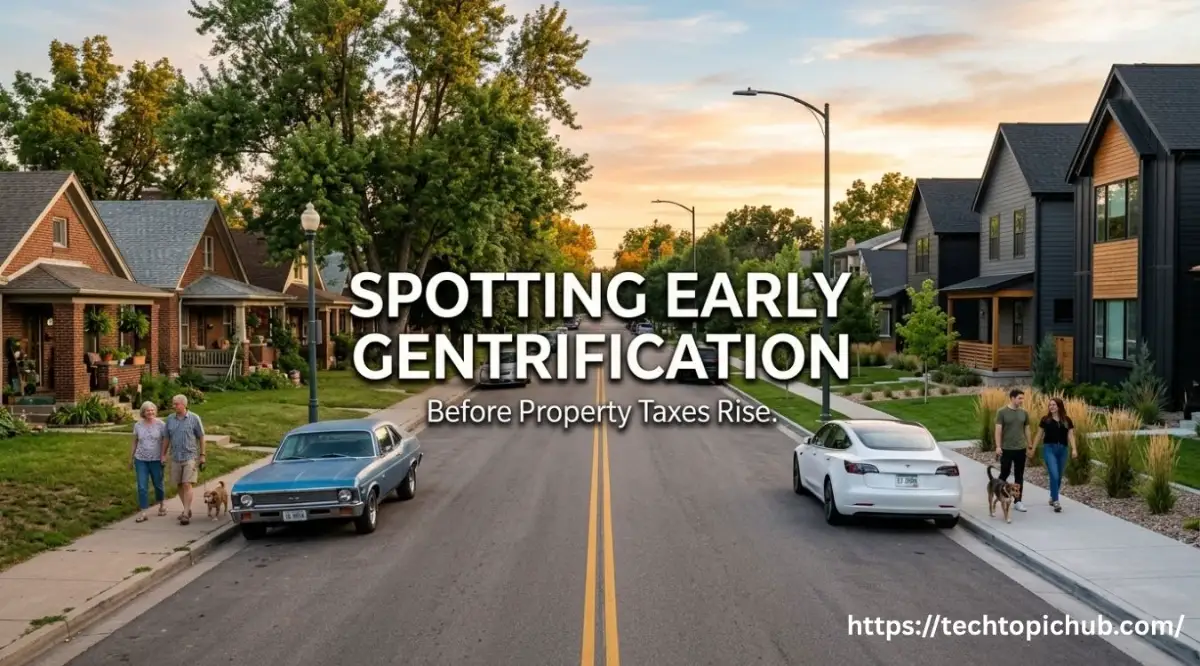
One of the absolute earliest indicators of rapid neighborhood transformation happens right in your neighbors' front yards. You will suddenly start seeing large roll-off construction dumpsters appearing on driveways that have been quiet for decades. This usually means cash buyers and professional investors have quietly entered your local housing market. They look for older, neglected properties and purchase them with the sole intention of flipping them for a massive profit.
When one house on your street gets a complete luxury makeover, it might just be a homeowner updating their space. But when three or four houses within a few blocks are all being gutted at the exact same time, a coordinated shift is happening. Investors talk to each other, and when they find a profitable zip code, they swarm the area. These freshly flipped houses will eventually sell for much higher prices than the historical average of your street.
Those higher sales prices become the new "comparable sales" or "comps" for your specific neighborhood. When the local government assessor looks at your street next time, they will see these new, expensive sales data. Your older, unrenovated home will suddenly be valued much higher simply because it sits next to these expensive properties. This is exactly how your yearly holding costs begin to creep upward without you changing a single thing about your own house.
The "Neighborhood Watch" Checklist:
Not sure if your street is being targeted by big money? Ask yourself these quick questions during your next walk around the block:
- Are there two or more large construction dumpsters parked on your street right now?
- Did a basic, everyday shop (like a dry cleaner) just turn into an expensive specialty store?
- Are you suddenly getting 3+ "We buy houses for cash" text messages every week?
- If you checked off more than one box, institutional investors are already in your area, and a tax spike is likely right around the corner.
The Retail Transition: From Basics to Boutiques
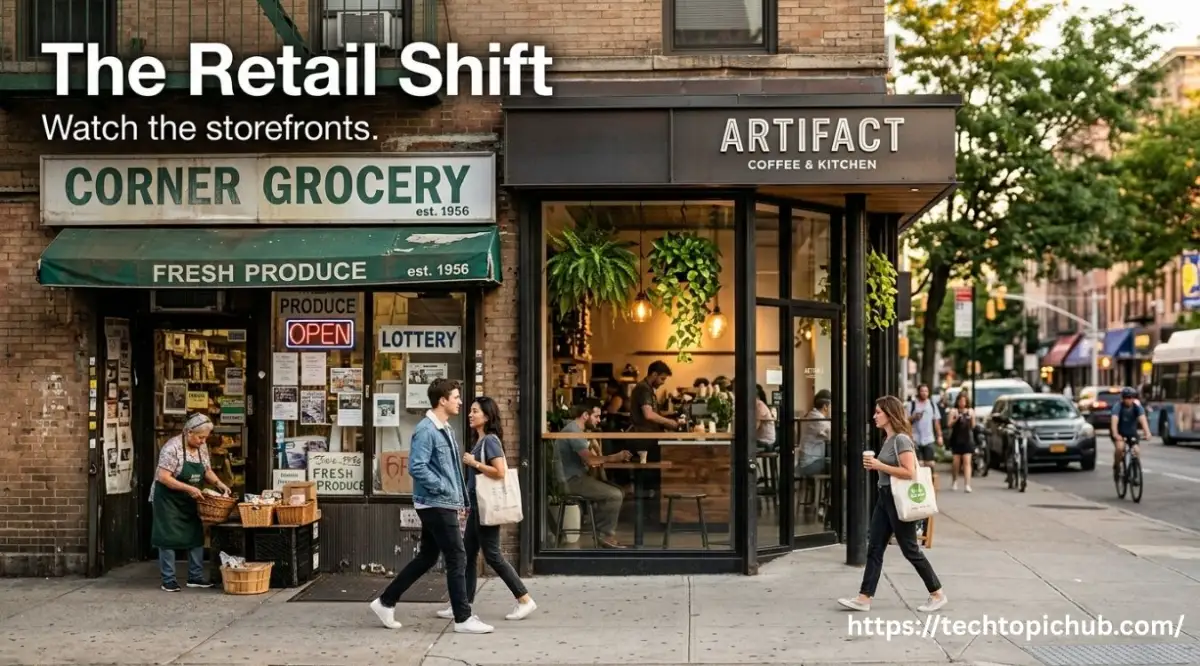
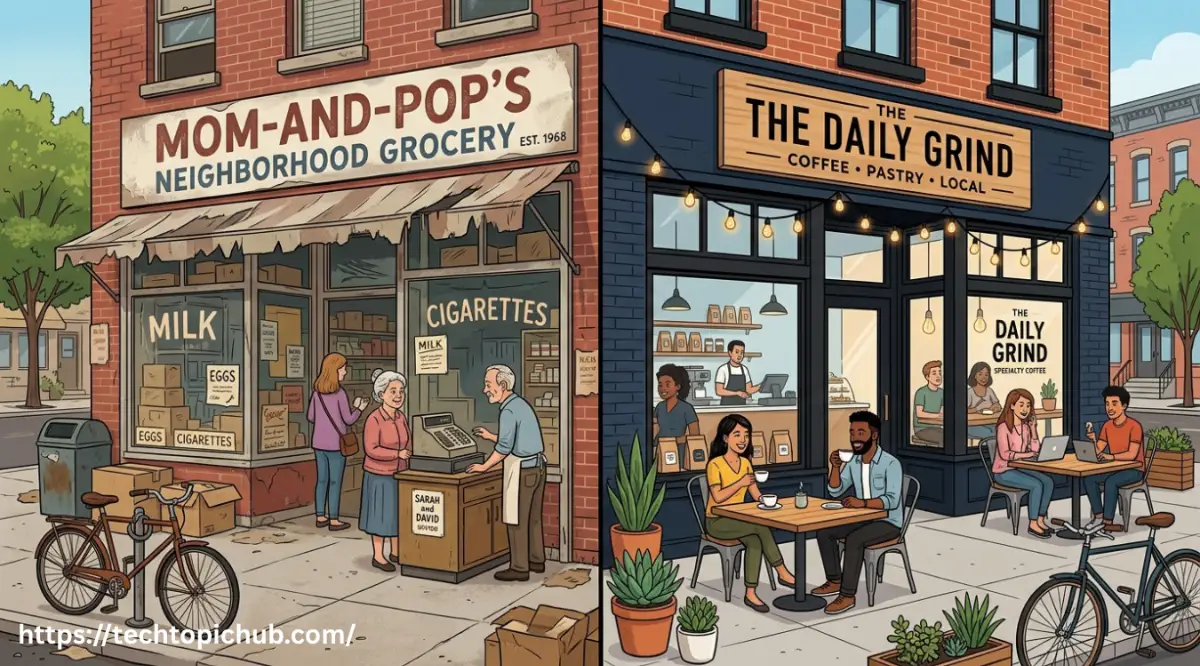
Your local commercial district tells a very honest story about the future economic direction of your residential streets. Pay very close attention to the small businesses, corner stores, and strip malls within walking distance of your house. When a neighborhood is stable, you typically see essential businesses like local hardware stores, family-owned diners, and basic laundromats. These businesses serve the everyday, practical needs of long-term, working-class residents.
However, a major shift happens when these legacy businesses lose their leases and close their doors permanently. They are almost always replaced by niche, high-end boutiques that cater to a completely different demographic with disposable income. You might see a vegan bakery, an expensive yoga studio, or a craft beer taproom open where a cheap grocery store used to be. Real estate professionals actually joke about the "Whole Foods Effect," where property values jump simply because a premium grocery store opens nearby.
If you are curious to learn more about how retail changes directly impact housing markets, watch this incredible breakdown. This expert explains the exact timeline from when a new coffee shop opens to when the tax bills hit the mail.
Want to see exactly how a simple new coffee shop opening down the street can legally force your property taxes to skyrocket? Watch this short, eye-opening video breakdown to understand the hidden math, and then keep reading below to learn how you can easily defend your wallet.
These new businesses sign expensive commercial leases, which drives up the commercial real estate value of the entire district. As the area becomes known as a trendy weekend destination, housing demand skyrockets among young professionals who want to walk to these shops. This sudden burst of buyer demand gives sellers the power to ask for premium prices for average homes. Your local tax assessor will absolutely notice this new trendy reputation and adjust your property valuation accordingly.
Realizing the Power of Proactive Awareness
Pro Tip: I used to completely ignore the messy construction noise and the new fancy shops, thinking they had absolutely nothing to do with me. I quickly realized that ignoring these changes was the biggest financial mistake I could possibly make as a homeowner. Now, whenever I see a new building permit on my street, I immediately start setting aside a little extra money for my next tax assessment.
Sudden Public Infrastructure Upgrades
Sometimes the signs of change do not come from private businesses, but directly from the city government itself. For many years, residents might complain about giant potholes, broken streetlights, or completely missing sidewalks with zero response from the city. Then, seemingly out of nowhere, city trucks arrive and start pouring fresh concrete for beautiful new pedestrian walkways. You might notice newly painted, dedicated bicycle lanes appearing on roads that have always been purely for heavy car traffic.
This sudden burst of civic attention usually means the city expects the area to generate significantly more tax revenue very soon. City planners often work closely with major real estate developers before any large residential projects are announced to the public. The city agrees to upgrade the surrounding infrastructure to make the new luxury apartments or flipped homes more appealing to wealthy buyers. If your previously forgotten neighborhood is suddenly getting brand-new parks and expensive decorative streetlights, heavy gentrification is already in motion.
These improvements make the community highly desirable, which drives up the perceived value of every single piece of dirt in the area. Buyers are willing to pay top dollar to live in a beautifully maintained area with excellent, modern public amenities. The tax office uses these new public investments as a direct justification to increase the assessed value of the entire zip code.
The Myth vs Reality of Community Upgrades
There is a lot of confusing information out there about what truly causes property taxes to spike. Let us look at a common misunderstanding that catches many homeowners completely off guard.
The Myth: Adding a small fresh coat of paint to your home or fixing your own roof is what triggers a massive property tax increase.
The Reality: While major permitted additions to your own home can increase your specific value, the real danger comes from your surroundings. It is the coordinated flipping of multiple neighboring homes and the influx of trendy commercial businesses that forcefully drag your property value upward. You are heavily taxed on the rising popularity of the land beneath your home, not just the bricks you maintain.
Shifting Real Estate Marketing Language
If you want to know what investors think about your neighborhood, just look at how they talk about it online. Start paying attention to the glossy flyers you get in the mail or the real estate listings on popular property websites. Historically, houses in your area might have been described simply as "cozy," "family-friendly," or "needs some TLC." This is standard marketing for a normal, slowly growing residential area.
Suddenly, you will notice a drastic shift in the vocabulary used by real estate agents trying to sell local homes. You will start seeing aggressive buzzwords like "investor special," "rapidly transitioning," or "the next hot up-and-coming district." Agents will specifically highlight the neighborhood's close proximity to downtown areas or the newly opened trendy commercial spots. They are no longer selling the house itself; they are selling the future lifestyle and investment potential of the surrounding streets.
You will also likely experience an aggressive increase in unsolicited offers to buy your home for cash. Your mailbox will be flooded with handwritten letters, and you might even get random text messages asking if you want to sell. These wholesale investors use powerful software to track areas that are about to experience a massive boom in valuation. When they target your street aggressively, it is a guaranteed sign that they know property values—and taxes—are about to climb rapidly.
Comparing Normal Growth vs Aggressive Gentrification
It is very easy to confuse natural, healthy neighborhood improvement with aggressive, tax-hiking gentrification. Here is a simple breakdown to help you spot the exact differences in your community.
How These Visual Cues Directly Impact Your Wallet
You might be wondering how a new coffee shop or a painted bike lane legally translates into a higher tax bill for you. The process is based on mass appraisal techniques used by your local county or city tax assessor's office. Assessors do not usually have the time or resources to walk inside every single home in your city to check its worth. Instead, they look at the recent sale prices of homes that are similar in size and age to yours in the exact same neighborhood.
When gentrification begins, those newly flipped, modernized houses sell for numbers that break historical neighborhood records. The computer systems at the tax office log these high sales and use them to calculate the average market value of the entire block. Even if your home has an old kitchen and a leaky roof, the algorithm assumes your underlying land is now highly valuable. They calculate that if you decided to sell your home to an investor today, you would get a premium price.
Because local property taxes are calculated as a specific percentage of your assessed home value, the math works against you. If the assessor decides your home's value has doubled because of neighborhood trends, your yearly tax burden could essentially double as well. This creates a terrifying scenario where long-term residents are financially penalized simply because their geographical area became popular overnight. Recognizing these early signs gives you the precious time needed to prepare your finances, appeal your upcoming tax assessment, or explore legal tax exemptions.
Pro-Level Defense: Mastering Your Local Real Estate Environment
Spotting the changes on your street is only half the battle. If you truly want to protect your finances, you have to stay several steps ahead of the local tax assessor and greedy real estate developers. The smartest homeowners do not just sit around waiting for their annual bills to arrive in the mail. They actively monitor local government moves and investor behavior to predict exactly what will happen next.
One of the most effective strategies you can use today is tracking property deeds online. When a broken-down house on your block suddenly sells, it is rarely bought by a normal family. It is usually purchased by an anonymous Limited Liability Company (LLC) run by a massive investment group. You can easily go to your county assessor’s website, type in your street name, and look at exactly who is buying up the properties around you.
When you start seeing multiple LLCs buying homes on your specific street, you know a major pricing shift is guaranteed. This is a clear signal that institutional money has targeted your neighborhood for aggressive gentrification. By understanding how housing market trends shift locally, you can mentally and financially prepare for the coming changes. Knowing who your new neighbors are gives you a massive advantage before the property values officially spike.
The Power of Local Zoning Board Meetings
Most ordinary people completely ignore city council and local zoning board meetings because they sound incredibly boring. However, these quiet, empty meeting rooms are exactly where your neighborhood's future is officially decided. Developers always have to ask the local government for permission before they can build giant luxury apartment buildings or trendy retail strips. They submit applications for something called a "zoning variance," which allows them to bypass traditional neighborhood rules.
If you keep an eye on your local town hall website, you can see these requests months before construction ever begins. You might discover a developer is asking to tear down a local community center to build high-priced modern townhouses. This early warning system gives you at least a year to figure out your next financial move. You can start heavily researching exactly how to protect your assets before the neighborhood totally transforms.
For example, knowing a massive tax hike is coming means you need a solid financial buffer right now. You cannot wait until the city demands more money from you to start saving your pennies. If you are struggling with current bills, you need to learn the secret to building an emergency fund without ignoring your debt today. A strong savings account is your absolute best defense against sudden, unexpected housing costs.
Creating a Pre-emptive Tax Appeal Diary
Tax assessors rely on automated computer models to judge the value of every home in a specific zip code. These computers assume that if the house next to you was flipped and sold for top dollar, your house must be worth that much too. They do not know that your neighbor has a brand-new marble kitchen while you still have your original cabinets from twenty years ago. The burden of proof is completely on you to show the tax office that your home is not a luxury property.
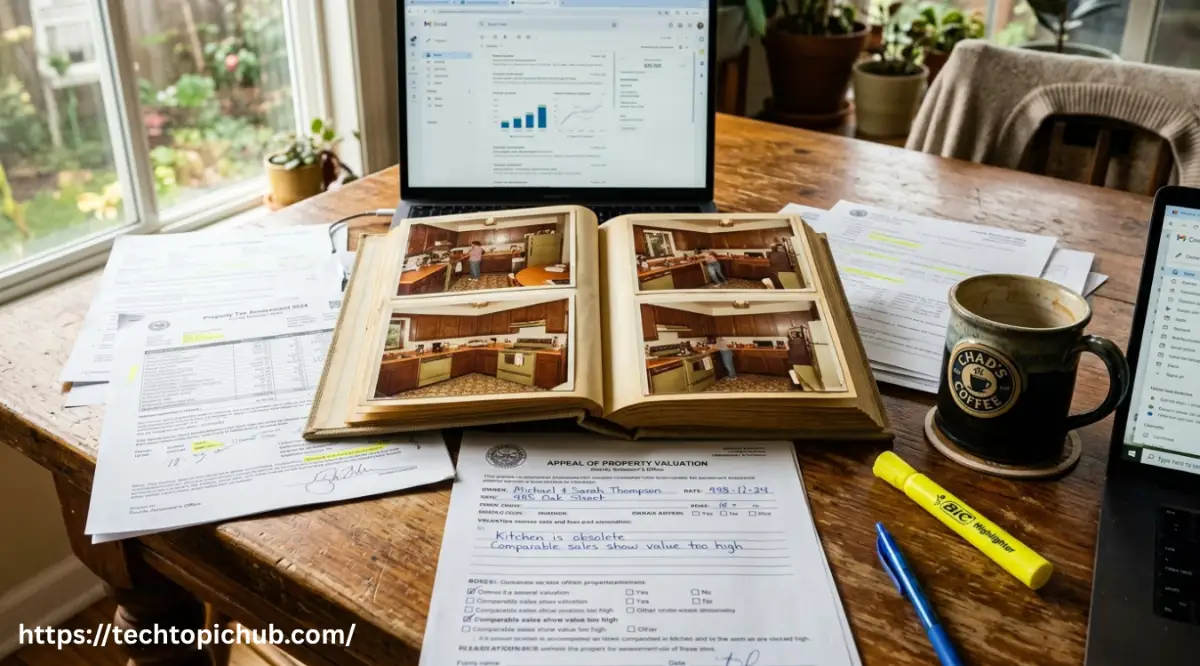
Start building a physical "house diary" today by taking clear, time-stamped photos of everything inside your home. Document your older roof, your basic bathrooms, your outdated flooring, and your old windows. Keep all of these photos in a dedicated folder along with repair estimates for things you cannot afford to fix right now. When the city tries to double your home value based on the flipped house next door, you will be completely ready to fight back.
You can take this file straight to the tax appeal board and prove your property is not comparable to the expensive new listings. Showing concrete visual evidence of deferred maintenance often forces the city to lower your assessed value immediately. The Federal Housing Administration provides extensive guidelines on how property conditions strictly dictate real market values. Using this strategy can save you thousands of dollars over the course of just a few years.
Heartbreaking Missteps That Cost Homeowners Everything
When aggressive money floods into a quiet neighborhood, long-term residents often panic and make highly emotional decisions. It is completely understandable to feel overwhelmed when everything around you is changing so fast. Unfortunately, this fear leads to terrible financial mistakes that can completely wipe out your family’s wealth. Let us walk through the most dangerous traps you must avoid when your area starts heavily gentrifying.
The single biggest mistake people make is hiding from their town's official mail. When the city sends out preliminary tax assessment notices, thousands of homeowners simply throw them in the trash out of fear. They assume that if they ignore the letter, the problem will somehow magically disappear on its own. By the time they finally open the official tax bill months later, the legal deadline to file an appeal has already passed.
Once that appeal window closes, you are legally stuck paying the inflated tax amount, no matter how unfair it is. You completely lose your right to show the city your house diary or argue against their computerized pricing model. Always open every single piece of mail from your local government the exact day it arrives.
Falling for the "Cash Buyer" Psychological Trap
As your neighborhood becomes trendy, your phone will start ringing with unsolicited calls from aggressive property investors. You will get text messages and colorful postcards offering to buy your house for "pure cash" with "no inspections needed." These wholesale buyers intentionally target older residents who might be terrified of rising property taxes and neighborhood changes. They use high-pressure sales tactics to make you feel like selling right this second is your only safe option.
These investors are not trying to help you; they are trying to steal your home's equity right from under your nose. They will offer you a price that sounds like a lot of money, but it is actually way below the true market value of your gentrifying area. Many scared homeowners accept these fast cash offers and immediately regret it when they see the investor flip the house for double the price. If you do decide that moving is your best option, never sell your home off-market to a random text message offer.
Instead, you need to use professional strategies to get the absolute maximum amount of money for your property. Take the time to understand a proven way to speed up the home selling process in a sluggish housing market so you stay in total control. Listing your home publicly forces these investors into a bidding war, ensuring you walk away with every single dollar you deserve.
The Disaster of the "Wrong Time" Remodel
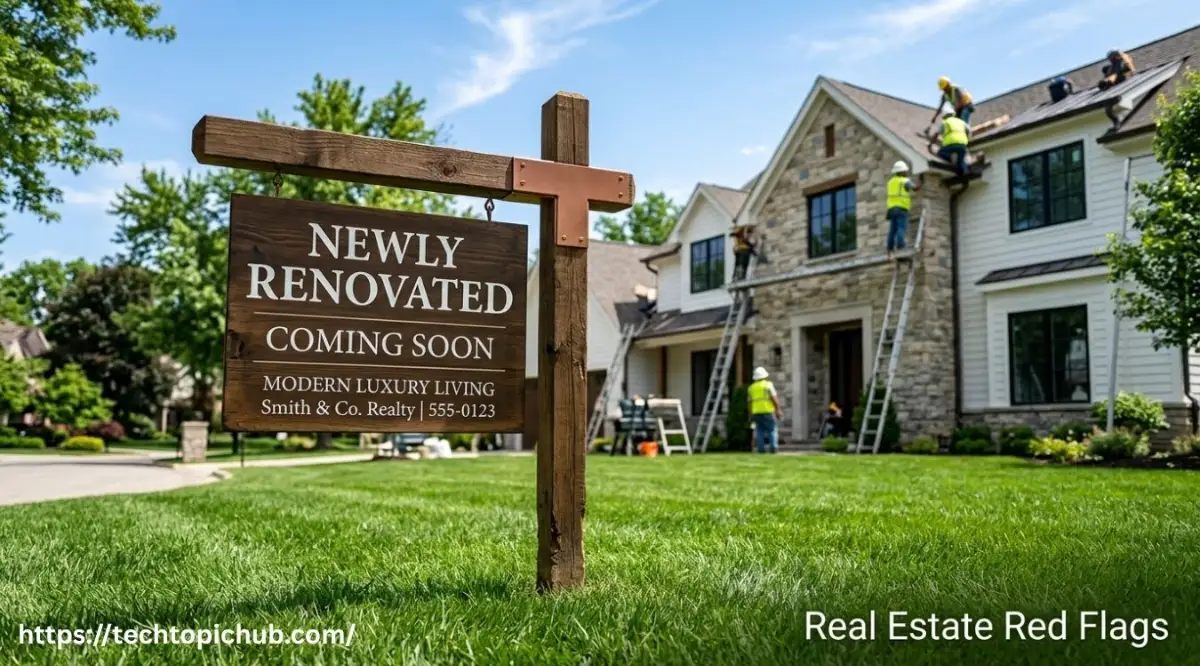
Another tragic mistake homeowners make is deciding to pull major construction permits right as the neighborhood starts gentrifying. You might see all the beautiful new houses around you and feel pressured to finally add that master bedroom or renovate the kitchen. You head down to the city planning office, apply for a large building permit, and hire a local contractor to start the work. This is the absolute worst possible time to legally document improvements to your personal property.
The moment you pull a major permit, a bright red flag goes up in the local tax assessor's computer system. You are practically handing the city a signed invitation to come re-evaluate your home for a massive tax hike. They will combine the value of your shiny new kitchen with the rising land value of your trendy neighborhood. The resulting tax bill can be so aggressively high that you might not even be able to afford the home you just paid to fix.
If your area is actively gentrifying, focus entirely on invisible, non-permitted maintenance like fixing leaky pipes or repairing basic drywall. Save the massive cosmetic upgrades for a time when local market values are cooling down and stable. You want your home to look completely average on government paper while the neighborhood rapidly changes around you. This stealthy approach keeps your holding costs low while your underlying land value silently grows.
I actually learned this the hard way when I decided to remodel my master bathroom right when three nearby houses were flipped for cash. Because I proudly pulled a city permit for the work, the tax assessor immediately flagged my file, and my yearly bill jumped by almost a thousand dollars overnight. If I had just waited out the trendy market rush or stuck to unpermitted basic repairs, I would have saved myself so much money and stress.
Assuming Seniority Protects You From the Math
There is a very dangerous myth floating around that if you have lived in a home for thirty years, the city cannot raise your taxes. Many elderly residents mistakenly believe their long-term loyalty to the community acts as an invisible shield against gentrification. They watch the fancy coffee shops open and the luxury cars roll in, genuinely thinking it will never affect their fixed income. This false sense of security has forced thousands of wonderful people into sudden foreclosure.
Unless your specific state or county has strict, age-based tax freeze programs legally in place, the computer does not care how long you have lived there. The tax algorithm only sees raw data, recent sales, and the highly desirable location of your dirt. You have to proactively research if your city offers senior exemptions, legacy resident discounts, or homestead protections.
Do not wait for the local government to automatically apply these discounts to your account, because they rarely do. You must go to the tax office, fill out the specific exemption paperwork, and advocate for yourself. Reading through official consumer financial protection resources can help you understand exactly what local tax relief programs you legally qualify for. Being proactive is the only real way to protect your long-term residency.
Property Tax Protection: Myth vs. Reality
| What Homeowners Often Believe | The Hard Truth You Need to Know |
| "I have lived here for 25 years; my taxes are locked in." | The tax computer only cares about the current value of your dirt, not your loyalty. You have to actively apply for senior or legacy freezes. |
| "If I don't pull a city permit, the tax office will never know." | While true for interior jobs, many modern assessors now use drone footage and street-view cameras to spot new exterior upgrades like roofs and decks. |
| "The cash buyer texting me is offering a really fair deal." | Wholesale buyers usually try to buy your equity at a massive 30-40% discount before neighborhood values officially hit their peak. |
Taking Back Control of Your Community and Finances
Watching your familiar neighborhood change into something completely unrecognizable is an incredibly heavy emotional experience. It is totally normal to feel a deep sense of frustration as corporate money transforms the quiet streets you have loved for years. However, you do not have to be a helpless bystander while your property taxes quietly spiral out of control. By recognizing the early warning signs—like the sudden appearance of construction dumpsters and boutique retail shops—you give yourself the gift of time.
Time is your greatest weapon when fighting against aggressive gentrification and rising local costs. You now know how to build a rock-solid defense file with photos to prove your home does not match the luxury flips next door. You know exactly why you should ignore those predatory cash-buyer text messages and avoid pulling major permits at the wrong time. You are now equipped with the practical knowledge to navigate these tricky community shifts without losing your hard-earned money.
I know exactly how overwhelming all this real estate data can feel when you are just trying to live your life in peace. But taking these small, proactive steps today will absolutely save you from a massive financial shock tomorrow. My biggest piece of advice is to stay incredibly observant, keep your home records organized, and never let anyone pressure you out of your own neighborhood. You have every right to stay in the home you love, and with the right strategy, you will easily outsmart the rising tides of gentrification.
Everyday Questions About Changing Neighborhoods
How do I know if my property taxes will go up soon?
You should closely watch for a sudden surge in flipped houses and new, expensive retail stores near your home. When local real estate agents start marketing your area as a highly desirable "up-and-coming" hotspot, a tax increase is almost always right behind it.
Can I stop the city from raising my home value?
While you cannot stop the city from conducting their normal assessments, you can absolutely fight their final numbers. Keeping a detailed photo diary of your older, unrenovated rooms gives you strong evidence to appeal the tax board's decision and lower your official valuation.
Is it better to sell when investors start buying up my street?
Never rush to sell your home just because wholesale cash buyers are pressuring you with aggressive phone calls and text messages. If you decide moving is best for your family, always list your home publicly on the open market to ensure you get the absolute highest price possible.
What exactly is a property tax exemption?
An exemption is a special local government rule that lowers your tax burden based on your personal status, like being a senior citizen or a veteran. You usually have to manually apply for these discounts at your county office, as they are rarely given to homeowners automatically.
Why do cash buyers target my specific street?
Investors use complex computer software to identify older, stable neighborhoods that are located very close to rapidly growing city centers. They target your street because they know they can buy your home cheaply, flip it quickly, and sell it to wealthy buyers for a massive profit.
Fighting the city over property taxes used to scare me, but once I learned how their automated system actually works, I finally felt safe in my home again. You have worked way too hard to let outside money push you out of your community, so grab your camera and start building your house diary today. Take a deep breath, trust your new knowledge, and take action to protect the home you love!
Disclaimer: This article is for informational and educational purposes only and does not constitute official financial, legal, or real estate advice. Real estate markets and tax laws vary heavily by local jurisdiction. Always consult with a certified tax professional, local assessor, or licensed real estate agent before making major financial decisions regarding your property.