
The Hidden Cost of Ignoring Mother Nature
Buying a house is expensive enough without Mother Nature deciding to rip off your roof. We spend weeks obsessing over kitchen cabinets and paint swatches, totally ignoring whether the actual building can survive a terrible storm. Let's fix that. Here is exactly how to stop throwing away your money on unexpected water damage and turn your vulnerable house into a solid fortress.
I will never forget the night my biggest real estate investment was put to the ultimate test. The wind was howling like a freight train, and heavy rain slammed against the glass so hard I thought the windows would shatter into a million pieces. I sat awake in the dark, watching water slowly seep under the back door, absolutely terrified. My heart raced as I realized my property, the asset I poured my life savings into, was completely vulnerable. I had spent so much money on the beautiful interior design, but I completely ignored the basic structural protection. That single night of extreme weather caused thousands of dollars in water damage, leaving me stressed, broke, and full of regret.
This is the harsh reality of owning property today. You cannot simply build a house and hope for the best. The weather is unpredictable, and hoping for mild seasons is a terrible investment strategy. If your architectural structure is weak, you are basically throwing your money away.
But here is the good news. You have the power to take control and fortify your property long before the next storm hits. By making smart, intentional upgrades, you can sleep soundly knowing your home is a fortress. Let me show you exactly how to transform your vulnerable property into an unbreakable asset.

Quick Takeaways: How to Weatherproof Your Home Today
- Swap out cheap smooth nails for ring-shank nails to keep your roof locked down in high winds.
- Grade your yard so the dirt slopes away from the walls to stop quiet foundation rot.
- Skip standard vinyl siding; fiber cement easily blocks fire, bugs, and strong winds.
- Keep an emergency cash fund ready—insurance companies take way too long to pay out after regional storms.
The Ultimate Blueprint for a Storm-Proof Property
Protecting your real estate asset is not about making random repairs when things break. It is about building a proactive defense system. Think of your property like a giant shield. If there is a single crack in that shield, the elements will find a way inside.
To keep your structure safe, you need to understand exactly how weather interacts with different parts of your building. We are going to break down the most effective, science-backed methods to secure your home. These are practical steps you can start planning out today.
Fortifying Your Roof Against High Winds and Heavy Rain
Your roof is the first line of defense against extreme weather. When a storm rolls in, the roof takes the absolute hardest beating. High winds try to lift the shingles, and heavy rain looks for any tiny gap to sneak through.
If your roof fails, the entire structure is compromised. Water enters the attic, ruins the insulation, and eventually rots the wooden framing of your house. This creates a massive financial disaster that can easily destroy your property value.
To stop this from happening, you need to look beyond basic shingles. You must ensure the actual decking underneath is heavily secured. Using specialized ring-shank nails instead of standard smooth nails makes a massive difference. These upgraded nails have incredible gripping power, holding the roof deck tightly to the frame even during aggressive wind gusts.
The Power of Aerodynamic Design
From an architectural standpoint, the shape of your roof dictates how well it handles wind. Hip roofs, which slope downward on all four sides, perform significantly better in storms than standard gable roofs. The wind smoothly flows over the sloped edges rather than hitting a flat surface directly.
If you already have a gable roof, do not worry. You can install heavy-duty hurricane straps. These metal connectors tie the roof directly into the wall framing. This simple upgrade dramatically increases the structural strength, preventing the roof from flying off under extreme pressure.
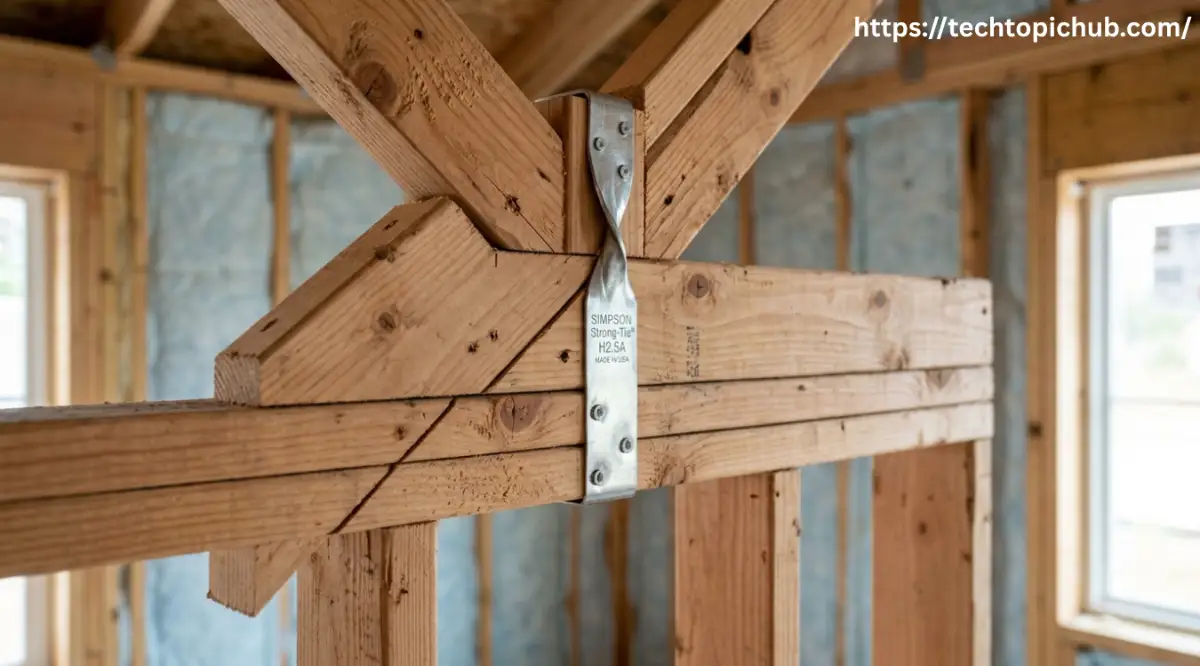
Here is a quick breakdown of what these roofing upgrades actually look like for your wallet:
| Upgrade Type | Average Cost (Upfront) | Expected Benefit |
| Ring-shank nails | $150 - $300 extra | Stops shingles from blowing off in heavy winds. |
| Hurricane straps | $500 - $1,000 | Can save the entire roof structure from ripping off. |
| Premium silicone sealant | $20 per tube | Prevents thousands of dollars in drywall and framing rot. |
Pro Tip: I learned this the hard way on my first property. I saved a few bucks by buying cheap sealant for my roof flashing around the chimney. Six months later, the sealant cracked in the hot sun, and the next rainstorm poured straight into my living room. Always spend a little extra on high-quality, weather-resistant silicone sealants—it will save you thousands in drywall repairs.
Mastering Water Drainage to Save Your Foundation
Water is the quietest, most destructive enemy of any real estate asset. While wind does loud, obvious damage, poor drainage slowly eats away at your foundation. If water sits around the base of your property, the soil becomes overly saturated and heavy.
This heavy soil puts immense pressure on your foundation walls. Over time, this pressure causes deep cracks. Once the foundation cracks, the structural integrity of the entire building is compromised. Fixing a broken foundation is one of the most expensive repairs in the real estate world.
You must design your property to push water as far away as possible. This starts with a seamless, high-capacity gutter system. Your gutters should be wide enough to handle a massive downpour without overflowing.
Seeing is believing—watch this short video to learn exactly how a simple change in your dirt can save your house from a total flood, and then keep reading below to find out how to bulletproof your windows!
Smart Landscaping and Grading
The ground immediately surrounding your building must slope downward, moving away from the walls. This is called grading. If the dirt slopes toward your house, you are literally inviting a flood into your basement.
Many smart property owners install French drains. A French drain is a simple trench filled with gravel and a perforated pipe. It catches surface water and redirects it safely away from the foundation. It works like an underground highway for rainwater, keeping the soil around your property perfectly stable.
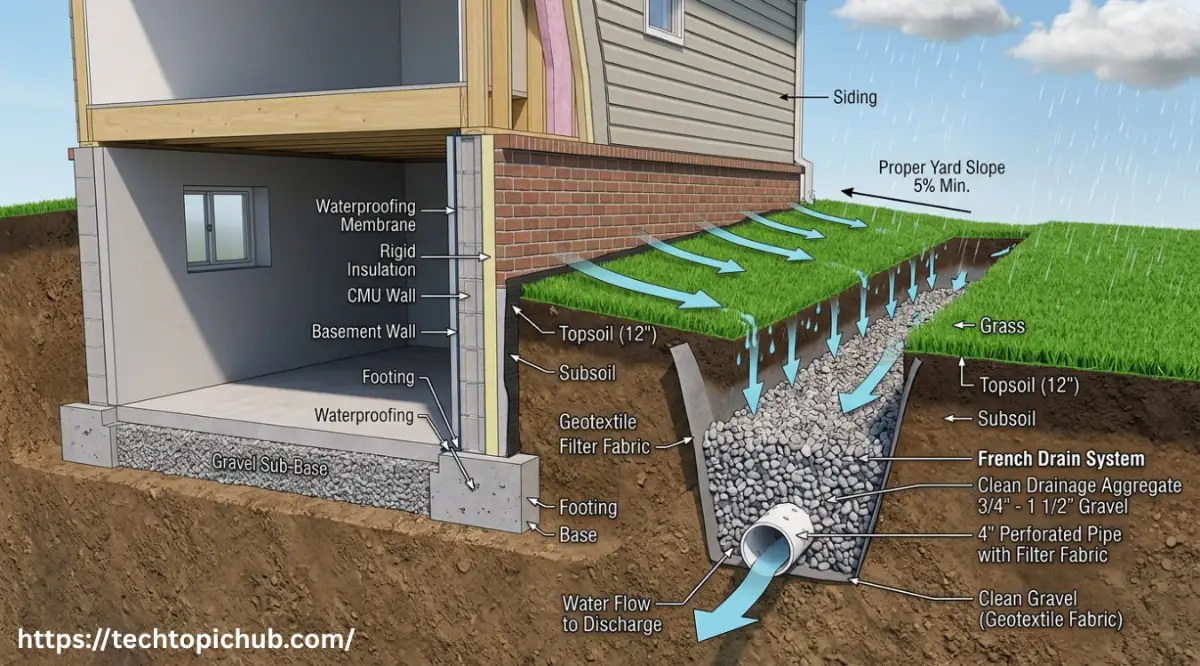
Myth vs. Fact: Yard Drainage Edition
Myth: You only need a french drain if you live in a flood zone.
Fact: Even normal rainfall can pool around your foundation if your yard has a "negative grade" (sloping toward the house). A simple 5-degree slope away from your walls plus a cheap DIY french drain pipe can literally save you from a massive foundation repair bill down the road.
Securing the Building Envelope with Impact-Resistant Materials
Your building envelope consists of the exterior walls, doors, and windows. These elements separate your safe interior from the chaotic weather outside. When flying debris hits a standard glass window during a storm, the glass shatters instantly.
Once a window breaks, the wind rushes inside the house. This sudden change in air pressure can literally blow the roof off your home from the inside out. It is a terrifying scenario that happens far too often.
To safeguard your investment, upgrading to impact-resistant windows is an absolute must. These windows are built with a tough layer of shatterproof plastic sandwiched between two sheets of tempered glass. Even if a heavy tree branch smacks the window, the glass might crack, but it will not break apart. The protective seal remains completely intact.
Exploring Advanced Exterior Siding
Traditional vinyl siding looks nice, but it becomes incredibly brittle in freezing temperatures and can melt under intense heat. High winds can easily rip thin vinyl right off the side of your house, leaving the wooden frame totally exposed.
Fiber cement siding is a massive upgrade for weatherproofing. It is engineered from a mix of cement, sand, and cellulose fibers. This material is completely fire-resistant, insect-proof, and can withstand hurricane-force winds.
Brick and Stone Masonry: If you have the budget, natural brick and stone are incredibly resilient. They absorb heat slowly and block aggressive winds effortlessly.
Steel Cladding: Modern architectural designs frequently use corrugated steel siding. It is exceptionally tough and requires almost zero maintenance over the years.
Defending Against Extreme Heat and Freezing Cold
Extreme weather is not just about heavy rain and high winds. Silent threats like extreme heat waves and deep freezes can quietly destroy your property from the inside.
When temperatures drop below freezing, the water inside your plumbing pipes turns to ice. Ice expands, creating incredible pressure that can easily burst metal and plastic pipes. A burst pipe will flood your walls and floors, causing massive structural rot and terrible mold issues.
To prevent this, every single pipe in an unheated area must be heavily insulated. Wrapping your pipes in high-quality foam insulation is a cheap project that delivers a massive return on investment.
Smart Insulation Strategies
Extreme heat can actually bake your home. If your attic is not properly ventilated, the trapped heat will literally cook your roofing materials from the inside. The extreme temperature difference can also warp the wooden skeleton of your house.
You need deep, high R-value insulation in your attic and walls. The R-value measures how well the insulation resists heat flow. A heavily insulated home stays cool in the summer and warm in the winter, putting significantly less stress on the actual building materials.
Myth vs Reality: Weatherproofing Your Home
Myth: Weatherproofing a house is too expensive and only meant for luxury mansions.
Reality: Simple changes, like upgrading your door hinges, adding weatherstripping, and cleaning your gutters, cost very little but offer massive protection. You do not need a millionaire's budget to secure your home.
Myth: Taping your windows with a big "X" prevents the glass from shattering during a storm.
Reality: Tape does absolutely nothing to strengthen the glass. It only causes the glass to break into larger, deadlier pieces. Impact-resistant glass or heavy-duty storm shutters are the only real solutions.
Reinforcing Garage Doors and Large Openings
People often spend thousands on special windows but completely forget about the largest opening in their house: the garage door. Standard garage doors are incredibly flimsy. High winds can easily push a weak garage door entirely off its tracks.
Once the garage door fails, the wind enters the garage, pushing up against the ceiling. Because many garages sit right below bedrooms or living spaces, this upward pressure can cause massive structural failure.
You must install a wind-rated garage door. These upgraded doors feature heavy-duty steel tracking, reinforced hinges, and thick steel panels. If you live in an area prone to major storms, adding vertical bracing to your existing garage door provides excellent temporary protection.
A Quick Look at Structural Upgrades
Smart Climate Control and Energy Resilience
When extreme weather hits, the power grid usually goes down. Losing power during a freezing blizzard or a massive heatwave makes your property completely unlivable. It also puts your home at risk, as sump pumps stop working, allowing basements to flood immediately.
Creating true architectural resilience means your home can survive independently when the grid fails. Installing a standby whole-house generator is one of the smartest investments you can make for your real estate asset.
These generators connect directly to your home's electrical panel. The moment the power goes out, the generator automatically kicks on. It keeps your heating system running, your refrigerator cold, and your sump pump actively pushing water away from the foundation.
If a noisy gas generator does not fit your lifestyle, modern solar panel systems paired with high-capacity home batteries are a fantastic alternative. These battery systems store clean energy during the day. When a storm knocks out the power at night, your house seamlessly switches to battery power.
You will not even notice the lights flicker. Your home remains a safe, comfortable fortress while the rest of the neighborhood sits in the dark. This level of self-reliance drastically increases the overall market value of your property. Buyers love seeing a home that can take care of itself during a crisis.
Next-Level Strategies to Fortify Your Real Estate Investment
Now that we have secured the outer shell of your house, it is time to look at the bigger picture. Simply installing good windows and a strong roof is only half the battle. True property resilience comes from thinking two steps ahead of the weather.
You need to shift your mindset from being reactive to being totally proactive. Waiting for a storm to expose a weak spot is a very expensive way to learn a lesson. I want to share some expert-level tactics that will keep your property safe for decades.
These are the same strategies used by top-tier property managers to protect multi-million dollar portfolios. The best part? You can apply these exact same methods to your own home right now.
The Hidden Power of Smart Home Monitoring Systems
We live in an age where technology can act as an invisible security guard for your real estate assets. Most people only think of smart home devices for turning on lights or playing music. However, these tools are actually powerful weapons against extreme weather damage.
One of the smartest investments you can make is installing Wi-Fi-enabled water leak detectors. You place these tiny sensors near your sump pump, under your sinks, and right beside your water heater. The moment they detect even a drop of unwanted moisture, they send an instant alert to your smartphone.
Imagine being at work while a heavy rainstorm starts backing up your basement drain. Instead of coming home to a destroyed basement, you get a notification immediately. You can call a neighbor or rush home to fix the issue before it causes massive structural damage.
For even more protection, you can install an automatic main water shut-off valve. If a pipe freezes and bursts during a winter storm, the system automatically shuts off the main water line. This completely prevents catastrophic indoor flooding. Checking federal guidelines for flood protection is a great way to understand just how damaging even an inch of water can be to your property value.
Designing an Aerodynamic and Defensive Landscape
Your yard is not just there to look pretty. When planned correctly, your landscaping acts as a massive shock absorber for extreme weather. Trees and shrubs can actually deflect high winds away from your delicate architectural structure.
This concept is often called wind-breaking. By planting a staggered row of thick, sturdy trees on the side of your property that gets the most wind, you create a natural barricade. The wind hits the trees, breaks apart, and loses most of its destructive energy before it ever touches your siding.
However, you have to be extremely strategic about what you plant. You should avoid planting shallow-rooted trees like weeping willows anywhere near your home. During a major storm, heavy rain softens the soil, and high winds can easily tip these massive trees right onto your roof.
Instead, opt for deep-rooted, native tree species that are built to survive your local climate. They hold the soil together tightly, which also prevents mudslides and heavy erosion around your foundation. If you want to dive deeper into how soil and structures interact, reading up on structural load requirements can give you a fascinating look into professional engineering standards.
The Annual "Property Health" Inspection Routine
If you want your house to survive the worst storms, you have to treat it like an athlete preparing for a big game. You would never send an athlete onto the field with a broken ankle. Similarly, you cannot expect a home with hidden rot to survive a severe weather event.
Once a year, usually right before your local storm season begins, you need to conduct a massive structural audit. Grab a flashlight, a notepad, and a ladder. You are going to look for the tiny issues that most property owners completely ignore.
Start in the attic during the daytime and turn off all the lights. Look closely at the roof boards. If you see any tiny pinholes of sunlight peeking through, you have a weak spot where wind and rain will eventually enter.
Next, walk around the exterior of your foundation. You are looking for microscopic hairline cracks in the concrete. While they might look harmless now, water will find its way into those cracks. When winter comes, that water freezes, expands, and blows the concrete wide open.
If you find anything concerning, do not hesitate to call a professional structural engineer. Sometimes, spending a few hundred dollars on an expert opinion saves you thousands down the road. If you find yourself needing to sell your home quickly because maintenance is becoming too much, you should explore speed up the home selling process for some great strategic advice.
Financial Readiness is Structural Readiness
Let me share a harsh truth with you. Even the most fortified, well-built homes can still suffer unexpected damage during a freak weather event. A massive piece of flying debris can break through your defenses, or a bizarre power surge can destroy your electrical panel.
True resilience means having the financial ability to fix these problems instantly. If your roof takes a hit and you have to wait three months to save up for repairs, water will continue leaking in. That initial small damage will slowly rot the entire wooden frame of your house.
This is why having a dedicated repair fund is an absolute necessity for any property owner. You need liquid cash ready to deploy the moment Mother Nature strikes. If you struggle with saving money, I highly recommend reading about building an emergency fund to protect your investments.
Do not rely entirely on your home insurance company to rescue you quickly. After a massive regional storm, insurance adjusters are completely overwhelmed. It might take them weeks just to come look at your property. By having cash on hand, you can hire a contractor immediately to patch the roof and stop further decay.
The Most Dangerous Traps Property Owners Fall Into
We have covered exactly what you should do to protect your real estate assets. Now, we need to have a serious conversation about what you must absolutely avoid doing. Over the years, I have seen smart people make terrible decisions that cost them their entire investment.
These mistakes usually happen because people are trying to save a little bit of time or a small amount of money. But when extreme weather hits, those shortcuts are brutally exposed. Let us walk through the biggest pitfalls so you do not have to learn these lessons the hard way.
The "DIY Roofing" Disaster
There is a huge trend right now of property owners trying to do all their own major home repairs by watching internet videos. While painting your living room or changing a faucet is totally fine, attempting to repair your own structural roofing is a massive mistake.
Your roof is a highly complex system of decking, underlayment, flashing, and shingles. If you miss a single step, you create a direct tunnel for rainwater to enter your attic. I have seen homeowners patch their own roofs, only to wake up during a storm with their entire bedroom ceiling caving in from water weight.
Always hire certified professionals for anything related to your exterior envelope. A proper roofing company understands local wind codes and uses commercial-grade sealants. If you want to see what professional resilience looks like, checking out the fortified home standards is incredibly eye-opening.
Painting Over Water Stains
This is perhaps the most common and most dangerous habit I see in the real estate world. You walk into a room and notice a faint, yellowish-brown stain on the drywall ceiling. Instead of figuring out why the ceiling is wet, you just grab a can of stain-blocking paint and cover it up.
Out of sight, out of mind, right? Absolutely wrong. That water stain is your house screaming for help. It means moisture is actively penetrating your architectural structure.
By painting over it, you are trapping the moisture inside the dark wall cavity. This creates the perfect environment for toxic black mold to grow rapidly. Eventually, the wooden studs behind the wall will rot entirely, causing a major structural collapse during the next heavy storm.
A few years ago, I thought I was so smart for just painting over a small brown water spot on my ceiling right before having friends over. Fast forward three months, and that same ceiling completely collapsed from hidden rot, ruining everything underneath it! Take it from my own mistake—fixing a tiny leak today will save you from a massive, expensive nightmare tomorrow.
Never ignore a water stain. Cut a small hole in the drywall if you have to, find the source of the leak, and stop it completely. If you are preparing your property for the market, hiding problems like this will always backfire during the buyer's inspection. If you need help getting a house ready for the market correctly, check out these latest property strategies for guidance.
Forgetting to Read the Fine Print on Insurance
Many homeowners assume their basic insurance policy covers everything. They pay their premium every month and think they are completely protected from all extreme weather. This false sense of security is deeply dangerous.
Most standard property insurance policies specifically exclude flood damage and massive earth movements like mudslides. If a severe rainstorm pushes a wall of water into your basement, your regular insurance company will likely deny your claim completely. You will be left paying for everything out of your own pocket.
You must call your insurance agent this week and demand a full policy review. Ask them exactly what happens if a hurricane, tornado, or flash flood hits your specific address. You might need to buy supplementary policies to ensure your real estate asset is truly covered.
Staying informed about the specific risks in your geographic area is key. You can monitor tracking severe weather patterns online to understand exactly what kind of natural threats your property faces most often.
Ignoring the Silent Threat of Tree Roots
We talked earlier about the danger of trees falling on your roof. But there is a much quieter threat lurking right under your feet. Large, aggressive tree roots are infamous for destroying underground property infrastructure.
If a large tree is planted too close to your house, its roots will naturally search for water. During a dry season, those roots can wrap around your underground plumbing and crush your sewer lines. Even worse, thick roots can push directly against your concrete foundation, causing it to crack and shift over time.
Once your foundation is compromised by tree roots, extreme weather will finish the job. A heavy rainstorm will flood right through those cracks, washing away the soil beneath your house and causing it to sink. Always monitor the growth of large trees near your home and consult an arborist if the roots start getting too close to your foundation walls. If you are saving up for major tree removal, consider saving cash for unexpected repairs to handle the cost without stress.
Your Personal Blueprint for Structural Success
We have covered an incredible amount of ground today. Protecting your real estate asset from extreme weather is not a one-time chore. It is a continuous, rewarding commitment to keeping your property strong, safe, and highly valuable.
Start by taking small, manageable steps. You do not need to replace your entire roof and install impact windows all in one weekend. Begin by cleaning your gutters, checking your attic for leaks, and sealing up drafty windows.
As you build momentum, you can start budgeting for the larger structural upgrades. Focus on controlling the water around your foundation first, as that is always the biggest threat. Then, move on to reinforcing your exterior walls, doors, and roof against heavy winds.
Remember, every single dollar you invest into weatherproofing your home is a dollar protected against total loss. When a severe storm rolls through your town, you will no longer feel that heavy, anxious dread in your chest. Instead, you will sit comfortably in your living room, knowing your architectural structure is built like an absolute fortress.
I want you to walk away from this guide feeling empowered and ready to take action. My own terrifying experiences with property damage pushed me to learn these lessons, and now I am passing them directly to you. Go check your property today, make a solid plan, and turn your home into an unbreakable asset!
Common Questions About Property Weatherproofing
How much does it cost to start weatherproofing a house?
You can start protecting your home for under fifty dollars. Simple tasks like buying heavy-duty waterproof caulk, extending your downspouts, and adding weatherstripping around doors are very cheap but incredibly effective. Major upgrades like impact windows will cost more, but they directly increase your property's resale value.
Can I protect an older home from extreme weather?
Absolutely, older homes can be made just as resilient as brand-new constructions. You just have to focus on upgrading the connections, like adding hurricane straps to the roof and reinforcing the garage door. Inspecting the old foundation for modern water sealing is also a top priority.
Do I really need an emergency fund if I have good insurance?
Yes, having cash on hand is non-negotiable for property owners. Insurance checks can take weeks or even months to arrive after a massive regional disaster. You need an emergency fund to pay for immediate fixes, like placing a giant tarp over a damaged roof, to prevent secondary water damage.
What is the most important part of the house to protect first?
Your roof is the ultimate umbrella for your entire real estate asset. If your roof fails during a storm, the rest of the house will immediately suffer catastrophic water and wind damage. Always prioritize roof inspections, heavy-duty shingles, and strong deck fastenings before upgrading interior aesthetics.
How often should I check my gutters and drainage system?
You should completely clear your gutters at least twice a year, ideally in the late spring and late fall. However, if you live in an area with heavy tree cover, you might need to check them every two months. A clogged gutter during a massive downpour will push water directly into your home's foundation walls.
I know that weatherproofing your home can feel like a huge job, but you really do not have to do it all at once. Taking just one small step this weekend, like checking your doors for drafts, will help you sleep so much better during the next big storm. You have worked way too hard to buy your home, so take a deep breath and start protecting it today!
Disclaimer: The information provided in this article is for educational and informational purposes only and should not be construed as professional engineering, financial, or legal advice. Real estate and architectural requirements vary heavily by location and local building codes. Always consult with licensed structural engineers, certified contractors, and your insurance provider before making any major modifications or structural changes to your property. The author and publisher are not responsible for any damages or losses related to the use of this information.