When Your Property Just Will Not Sell: My Frustrating Journey
Let us be brutally honest—having your house sit on the market for months is a total nightmare. You probably clean like crazy every morning just in case someone wants a tour, only to hear crickets by the afternoon. If you are sick of getting zero offers and tired of annoying lowball bids, you do not need more patience; you need a better game plan. Let me show you exactly what to change so you can finally pack your bags and move on.
I still remember waking up every single morning, checking my phone obsessively for a message from my real estate agent. My house had been sitting on the market for months, and the silence was absolutely deafening. I spent countless hours scrubbing floors and making sure everything looked perfect, only to get zero offers. It felt like I was doing everything right, but nothing was working out in my favor. I started second-guessing my decisions and wondering if I would ever be able to move on with my life.
I saw my own savings taking a serious hit while I waited patiently for a serious buyer to show up. The stress kept me awake at night, staring at the ceiling and constantly calculating my remaining budget. It is a lonely, highly frustrating experience that makes you feel completely stuck in one single place.
Most people just assume that selling a home is a quick, straightforward transaction that takes a few weeks. But when the housing market slows down, that beautiful dream quickly turns into a harsh reality. You start to feel desperate, willing to accept unfair lowball offers just to escape the ongoing nightmare.
That is exactly why I decided to figure out what actually works when local buyers completely disappear. I stopped hoping for a random miracle and started aggressively testing practical strategies to get my property noticed.
Quick Takeaways for a Fast Sale
- Fix minor cosmetic issues (like dripping faucets) before they scare buyers away.
- Use "Event Pricing" to price your home slightly below the neighborhood average to drive fast traffic.
- Declutter aggressively and stage your furniture to make every room look bigger.
- Invest in high-quality professional photos—this is your actual "first showing."
- Offer creative incentives like buying down the buyer's mortgage rate instead of just dropping your price.
Unlocking the Psychology of a Hesitant Buyer
To speed up the home-selling process, you first need to understand what is going through a buyer's mind. In a sluggish market, buyers are not in a rush to spend their hard-earned money. They know they have plenty of options, so they become incredibly picky and cautious about every detail.
They are constantly looking for a specific reason to say no to your property. A tiny crack in the wall or a strange smell in the kitchen is enough to make them walk away. Your main goal is to remove all these tiny objections before they even step through your front door.
Think of selling your house like going on a very important first date. You want to present the absolute best version of yourself to make a lasting impression. If you show up looking messy and unorganized, the other person will immediately lose interest.
Buyers want to walk into a house and instantly imagine themselves building a life there. If your personal photos and unusual paint colors are everywhere, they will feel like they are invading a stranger's privacy. You need to create a blank, beautiful canvas that naturally invites them to dream about their future.
The 3-Minute Showing Checklist
Before any buyer pulls into your driveway, run through this quick checklist to kill common objections:
- The Sniff Test: Did you cook fish or heavy spices last night? Open windows for 10 minutes and empty all trash cans.
- The Light Check: Are all the lamps turned on, even during the day? Dark corners make rooms look tiny.
- The Sound Check: Turn off the TV. Play soft, quiet background music to make the house feel relaxing.
Small Details That Break a Big Sale
Many sellers completely ignore the small maintenance issues that actually scare buyers away. A dripping faucet might not bother you, but to a buyer, it signals hidden plumbing disasters. They will automatically assume the whole house has been poorly maintained over the years.
You do not need to spend thousands of dollars completely renovating your entire kitchen or bathroom. Simple cosmetic updates like a fresh coat of neutral paint can completely change the vibe of a room. Replacing old, outdated doorknobs and cabinet handles adds a highly modern touch for very little money.
Taking the time to fix these minor issues shows potential buyers that you truly care about the property. When a home feels solid and well-cared for, buyers are much more likely to make a confident offer. They want peace of mind, not a massive list of weekend chores.
The Magic of Strategic and Scientific Pricing
Pricing your home correctly from day one is the most powerful tool you have in a slow market. Many sellers let their deep emotional attachment dictate the asking price, which is a massive mistake. Your home is only worth what a willing buyer is actively prepared to pay for it today.
If you set the price too high, your listing will become stale and completely ignored by active searchers. Buyers track how many days a property has been on the market, and a high number makes them highly suspicious. They will start wondering what is secretly wrong with the house that nobody else wants to buy.
I learned this lesson the hard way during my own selling experience.
My biggest mistake was refusing to lower my asking price during the first three weeks on the market. I lost so much early momentum and potential foot traffic because of my own stubbornness. Once I adjusted the price to match the current neighborhood trends, my phone finally started ringing with real viewing requests.
Exploring Different Pricing Strategies
There is no single correct way to price a home, but some methods are scientifically proven to work better. You need to look closely at the data in your specific neighborhood to make an informed choice. Below is a simple comparison of common pricing strategies you can use to attract attention.
Using "Event Pricing" is often the best way to speed up the home-selling process when demand is low. Buyers are naturally drawn to what they perceive as a great deal. By pricing just a little bit below the competition, your house becomes the most attractive option on the block.
Quick Fact: The Cost of Waiting Too Long
Did you know that homes sitting on the market for more than 30 days usually sell for 5% to 8% less than their asking price? Buyers start thinking the seller is desperate. Pricing it right from day one is almost always more profitable than playing a guessing game and dropping the price later.
Transforming Your Space: Staging for Success
Staging is not just about making a house look pretty; it is a proven marketing strategy. Professional staging highlights your home’s absolute best features while smoothly downplaying its minor flaws. It helps buyers naturally visualize the true potential of every single room.
The very first step of staging is aggressive and unapologetic decluttering. You need to pack away almost half of your belongings to make the rooms feel significantly larger. Clear off all the kitchen counters, organize the messy closets, and hide away daily items like pet beds.
Furniture placement also plays a massive role in how a room feels to a visitor. Pushing all your heavy furniture against the walls actually makes a living room feel weirdly empty and cold. Instead, arrange your sofas and chairs into cozy, inviting conversational groups.
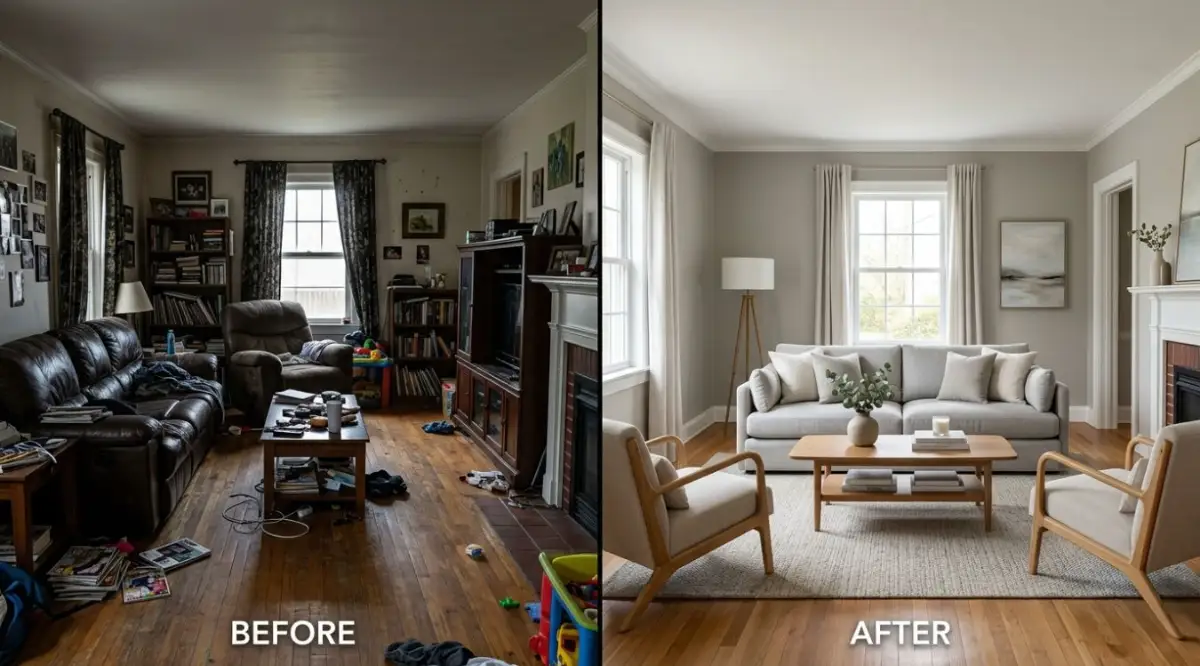
Let as much natural light into the house as physically possible before a showing. Open all the heavy curtains, pull up the blinds, and clean the windows until they sparkle brightly. A bright, sunlit room automatically feels much more spacious, clean, and welcoming to a nervous buyer.
Here is a hard lesson I learned myself: your emotional attachment to your favorite furniture means absolutely nothing to a potential buyer. I was so stubborn about keeping my giant, comfortable armchair in the living room, but moving it into storage actually made the space look twice as big. Sometimes, swallowing your pride and clearing out the things you love is the exact push your listing needs to finally get a solid offer.
If you are wondering how to make your rooms look completely irresistible without spending a dime, watch this quick staging breakdown below—and make sure to keep reading to find out why your online photos might be secretly scaring buyers away!
The Power of "Digital Curb Appeal"
In today's modern world, your first showing does not happen in person; it happens online. Almost every single buyer starts their property search by endlessly scrolling through listings on their smartphone. If your online photos look dark, blurry, or unprofessional, buyers will simply swipe past your home.
Hiring a professional real estate photographer is not an unnecessary expense; it is a smart investment. They know exactly how to use wide-angle lenses and proper lighting to make your rooms look massive. These high-quality images serve as the ultimate hook to get buyers off their couches and into your property.
You should also consider adding a dynamic 3D virtual tour or a smooth video walkthrough to your listing. This allows out-of-town buyers to confidently explore your home from the comfort of their own living rooms. The more information you provide upfront, the more comfortable a buyer will feel about scheduling a physical visit.
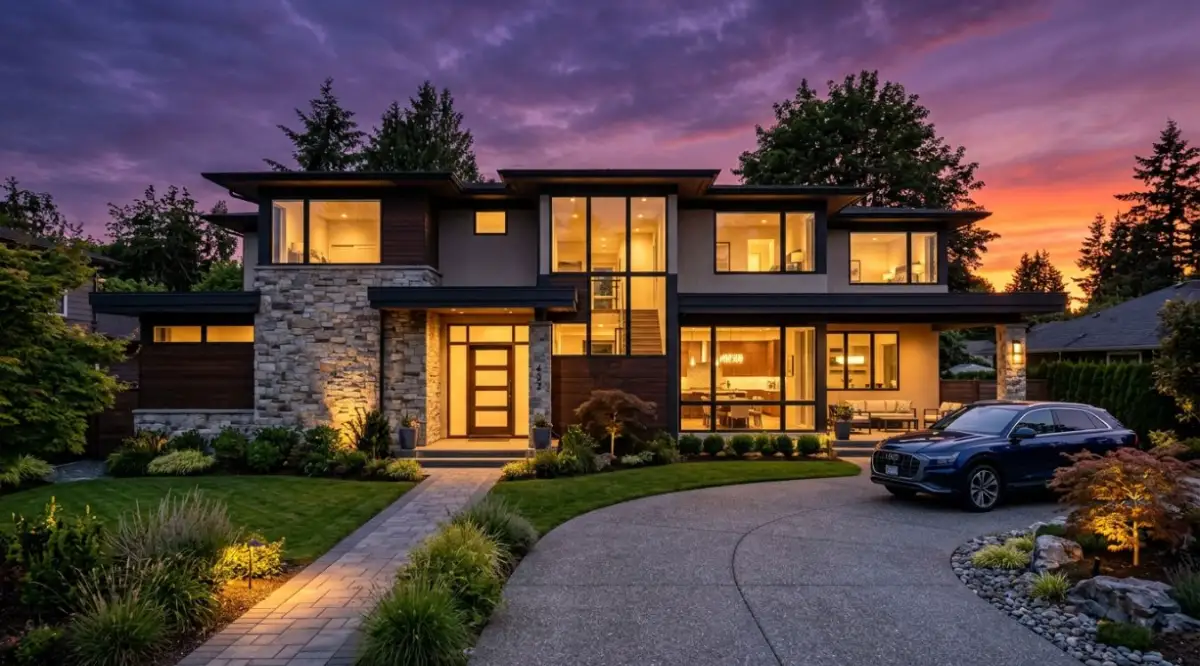
Twilight photography is another amazing trick to make your listing stand out from the boring competition. A photo of your home glowing beautifully against a deep purple sunset creates a powerful emotional response. It instantly makes your property look like a luxurious, peaceful retreat.
Sweetening the Deal: Flexibility and Incentives
When the market is moving incredibly slowly, you have to be willing to negotiate and compromise. You can no longer dictate all the terms and expect buyers to just blindly agree. Being flexible with your closing dates or specific moving timelines can make your home much more attractive.
Sometimes, offering financial incentives is the perfect way to push a hesitant buyer across the finish line. Offering to pay for a portion of the buyer's closing costs can ease their immediate financial burden. This small gesture can easily make your home the absolute best option they have seen all month.
Providing a one-year home warranty is another highly effective strategy to build deep trust. It tells the buyer that they will not face unexpected repair bills right after they move in. This simple piece of paper provides massive peace of mind and heavily reduces their buying anxiety.
Myth vs Reality in Home Selling
There is a lot of terrible advice out there about how to properly sell a home. Listening to the wrong opinions can cause your house to sit on the market for an incredibly long time. Let us clear up some common misunderstandings right now.
Myth: You must completely upgrade your kitchen and bathrooms before selling to get a good price.
Reality: Major renovations rarely offer a full return on your invested money. Focus entirely on small, clean cosmetic updates and making sure everything works perfectly.
Myth: The right buyer will easily see past the messy clutter and dirty floors.
Reality: Most buyers severely lack basic imagination. If they see a massive mess, they will only remember the mess, not the beautiful layout of the room.
Myth: You should intentionally overprice your home so you have plenty of room to negotiate later.
Reality: Overpricing is the fastest way to become completely invisible. Buyers searching within their actual budget will never even see your poorly priced listing online.
Writing a Listing Description That Sells
The words you use to describe your property are almost as important as the professional photos. A boring, robotic list of bedroom and bathroom counts will not excite anyone reading it. You need to tell a beautiful story about what it is actually like to live in this amazing home.
Focus heavily on the unique lifestyle your property actively provides to the new owners. Do not just say "large backyard"; describe it as a "private outdoor oasis perfect for summer family barbecues." Paint a highly vivid picture in their minds so they immediately feel a strong connection to the house.
Make sure to actively highlight any recent upgrades or brand-new energy-efficient features. If you just installed a new roof or a modern HVAC system, shout it proudly in the first paragraph. Buyers love knowing they will not have to deal with expensive maintenance issues anytime soon.
Mention the benefits of the surrounding neighborhood, not just the physical house itself. Talk about the incredibly short walk to the local coffee shop or the highly-rated elementary school nearby. You are selling a complete community experience, not just four walls and a sturdy roof.
By heavily focusing on these emotional triggers, you make your listing totally unforgettable. Buyers will save your home on their apps and eagerly share it with their friends and family members. That kind of organic excitement is exactly what you need to speed up the home-selling process permanently.
Smart Tactics When the Normal Rulebook Fails
When buyers are dragging their feet, basic marketing is simply not enough to get your property sold. You have to start thinking entirely outside the box to capture their highly divided attention. Most sellers just stick a random sign in the yard and pray for a quick miracle.
To actually speed up the home-selling process, you need to step up your strategy and offer things other sellers refuse to do. One of the most powerful secrets in a slow market is paying for a full home inspection before you even list the property. This is called a pre-inspection, and it acts like a massive trust signal to nervous buyers.
Think about it from their perspective for a moment. Buying a house is terrifying, and buyers constantly worry about hidden water damage or a failing roof. When you hand them a clean, professional inspection report on day one, you instantly melt their anxiety away. They do not have to guess what might be wrong, which makes them feel incredibly confident about making an offer.
You also get the unique advantage of fixing small electrical or plumbing issues before a buyer ever sees them. This completely prevents those highly stressful negotiations where buyers demand huge price drops for minor repairs.
Becoming the Bank: Creative Financing Offers
In a sluggish economy, high interest rates are usually the main reason buyers pause their search. You can actually use this exact problem to your advantage by offering a creative financial solution. Instead of just dropping your asking price by ten thousand dollars, offer to use that same money to buy down the buyer's mortgage rate.
This smart move lowers their monthly payment significantly, making your home far more affordable than the house down the street. It is a brilliant way to stand out while keeping your final sale price relatively high. Buyers love seeing sellers who actively try to help them save money on their monthly bills.
If you want to understand how these loan structures heavily impact a buyer's monthly budget, I highly recommend reading up on understanding mortgage loan options from the Consumer Financial Protection Bureau. It gives you a clear picture of exactly what your potential buyers are financially struggling with right now.
Sometimes buyers just need a little extra cash to cover their upfront closing costs or moving trucks. Offering a flat closing cost credit is an amazing incentive that immediately grabs the attention of cash-strapped families. When you learn how to properly manage your personal budget and spending habits, you quickly realize how much a few thousand dollars in savings means to a normal family.
The Secret Power of Off-Market Networking
Your real estate agent should be doing much more than just putting your house on the local internet listing service. The absolute best agents actively network with other top professionals to find buyers who have not even started looking online yet. They talk to local business managers who are relocating new employees into your specific city.
They also reach out to people renting expensive apartments nearby who might finally be ready to buy a home. You can personally help this process by quietly sharing your home’s private listing within your own workplace networks or community groups. Sometimes, a friend of a friend is exactly the person who falls in love with your beautiful property.
I remember talking to a neighbor who sold her house privately just by posting a highly emotional story in a local neighborhood social media group. She explained how much she loved the community and was sad to leave, which created a huge emotional response. A family living a few streets over saw the post and bought the house so their elderly parents could live closer to them.
When you share your home's story naturally, people feel a deep, personal connection to the property. You never know who is quietly looking for a change of scenery in your exact neighborhood.

Silent Deal Killers: What Scares Buyers Away Instantly
Even if you price your home perfectly and take gorgeous photos, certain bad habits will ruin your chances of selling. When a house sits empty for months, it is usually because the seller is making a few highly specific, easily avoidable mistakes. These errors create invisible walls that stop buyers from ever writing an actual contract.
The most common and most damaging mistake is the "Helicopter Seller" syndrome. This happens when the homeowner insists on staying inside the house while the buyer and their agent are trying to look around. You might think you are just being helpful by pointing out the newly painted trim or the custom kitchen cabinets.
In reality, you are making the buyer feel incredibly awkward, watched, and deeply uncomfortable. They cannot open closets freely, test the water pressure, or honestly discuss their thoughts about the living room layout. They will rush through the showing just to escape the awkward tension, and they will absolutely never look back.
Always leave the house completely empty during a showing, taking your pets and your kids with you. Give the buyer the quiet, private space they need to actually imagine living their life in your home.
The Ego Trap of the First Good Offer
Another massive pitfall I see constantly is sellers getting too greedy when that very first offer finally arrives. In a sluggish market, receiving any solid offer is a huge reason to celebrate. But many sellers let their pride take over, entirely refusing to negotiate on small repairs or minor price differences.
They angrily reject the buyer, fully believing that a much better offer is waiting right around the corner. Then, weeks turn into long months, and the house just sits there completely empty, draining their savings account every single day. The longer a house sits on the market, the more buyers automatically assume it has massive hidden problems.
Eventually, these proud sellers end up accepting a much lower price just out of sheer exhaustion and panic. The financial strain of holding onto an unsold property is incredibly heavy and highly damaging to your future plans. If you are already trying to explore smart financial strategies for your future, paying two mortgages at once will destroy your progress.
Never let your personal ego destroy a perfectly good real estate transaction. Be willing to compromise on the small stuff so you can finally move forward with your big life goals.
The Danger of the "Noseblind" Home
We all get completely used to the specific smells of our own homes, but strangers notice them the second they walk inside. Pet odors, strong cooking spices, and damp basements are instant deal-breakers for picky buyers. They will instantly associate those smells with a dirty, poorly maintained house, even if the floors are perfectly clean.
Trying to hide these smells with heavily perfumed air fresheners or strong scented candles actually makes the problem much worse. Buyers immediately become suspicious, wondering what terrible smell you are desperately trying to cover up. They want a house that simply smells like fresh, clean air and absolutely nothing else.
The smartest thing you can do is aggressively clean all your carpets, wash your heavy window curtains, and open the windows to let fresh breeze flow through. Sometimes, upgrading your old air filters and ensuring good airflow is the only trick you really need. According to detailed home energy efficiency guidelines, proper ventilation not only removes bad odors but also makes the home feel much healthier.
If buyers are worried about how much it will cost to fix a damp-smelling basement, they will simply walk away. You have to remove every single doubt from their minds before they even step through the front door.
Forgetting the Importance of Buyer Financing
Sometimes, a seller gets a great offer, but the deal completely falls apart three weeks later because the buyer’s loan gets rejected. Sellers often ignore the financial strength of the person making the offer, focusing entirely on the final purchase price. A high offer means absolutely nothing if the bank refuses to actually hand over the money.
Always ask your real estate agent to carefully verify the buyer’s pre-approval letter with their mortgage lender. You want to make sure the buyer has actively taken steps to improve a low credit score before applying for a home loan, proving they are highly responsible. If they are relying on unstable variable loans, they might get scared and back out if interest rates suddenly jump.
Understanding the basic differences in lending, like choosing between fixed vs variable personal loans, helps you see exactly why buyers act so nervous. A buyer with solid, fixed financing is a safe bet, and you should always prioritize their offer over a shaky, uncertain cash promise.
It is always better to accept a slightly lower offer from a financially secure family than a high offer from someone who cannot actually get a mortgage. Peace of mind during the closing process is entirely worth the slight price difference.
Your Blueprint to Get That Sold Sign Up Fast
Selling your property when nobody seems to be buying is totally possible, but it requires a very specific shift in your daily mindset. You can no longer rely on hope and good luck; you have to treat this process like a highly strategic business campaign. Every single detail, from the smell of your hallway to the exact price on your listing, matters deeply.
Start by taking a completely honest, emotional step back from your property and viewing it entirely as a simple product on a shelf. Aggressively clean out the messy clutter, fix the annoying squeaky doors, and paint over those highly personalized bright walls. Make the house look like a peaceful, welcoming retreat that anybody would proudly want to live in.
Next, work closely with your agent to price the home slightly below the neighborhood average to instantly spark excitement. Let the professional staging and high-quality photography do the heavy lifting of pulling buyers through your front door. When those buyers finally show up, get out of their way and let them peacefully fall in love with the space.
Always stay highly flexible during the final negotiation process, keeping your eyes entirely focused on your future goals. A successful sale happens when you completely remove all the friction and make it incredibly easy for the buyer to just say yes.
I know exactly how stressful and emotionally draining this waiting game can be because I lived through it myself. But I promise you, the moment you hand those keys over and see that final bank transfer, all the endless cleaning and organizing will feel completely worth it. Stay highly patient, stick to these proven methods, and you will absolutely get that satisfying "Sold" sign in your front yard.
Honest Answers to Your Biggest Home Selling Worries
Why is my house getting lots of showings but zero real offers?
If buyers are walking through the door but nobody is writing a contract, your professional photos are doing their job, but the actual house is falling short. This usually means your asking price is simply too high for the current condition of the property. You need to either quickly fix the visible cosmetic issues or immediately drop the price to match the buyer's expectations.
Should I just take my property off the market and try again later?
Taking your home off the market is a highly personal choice, but it rarely solves the core problem if you plan to relist at the same high price later. A better strategy is to pause, deeply clean and restage the home, adjust your asking price, and launch it again as a fresh new listing. If you truly do not have to move right away, renting it out temporarily might be a solid backup plan.
How much lower than my asking price should I actually accept?
There is no magic percentage for this; it entirely depends on how long you have been actively trying to sell. If you receive a low offer in your very first week, it is perfectly okay to negotiate firmly or simply decline. But if your house has been sitting completely empty for four months, accepting a slightly lower offer is often much cheaper than paying another year of property taxes.
Does a completely empty house sell faster than a furnished one?
No, totally empty houses actually take much longer to sell because empty rooms look significantly smaller and feel very cold. Buyers severely lack the basic imagination needed to figure out where their bed or living room sofa will actually fit. Always leave a few key pieces of highly neutral furniture behind, or hire a professional staging company to create a warm, inviting atmosphere.
Looking back, the day I finally handed over my keys taught me that selling a stubborn house is incredibly tough, but totally doable. Do not let the silence get you down; take a deep breath, pick just one of these practical strategies to try today, and take back control of your sale. You deserve to move forward with your big life plans, and I know you can definitely make it happen!
Disclaimer: The real estate and financial information provided in this article is strictly for educational and informational purposes only. Real estate markets vary highly by specific location, and strategies that work in one city may not work in another. Always consult with a licensed local real estate professional and a certified financial advisor before making any major financial decisions regarding your property.