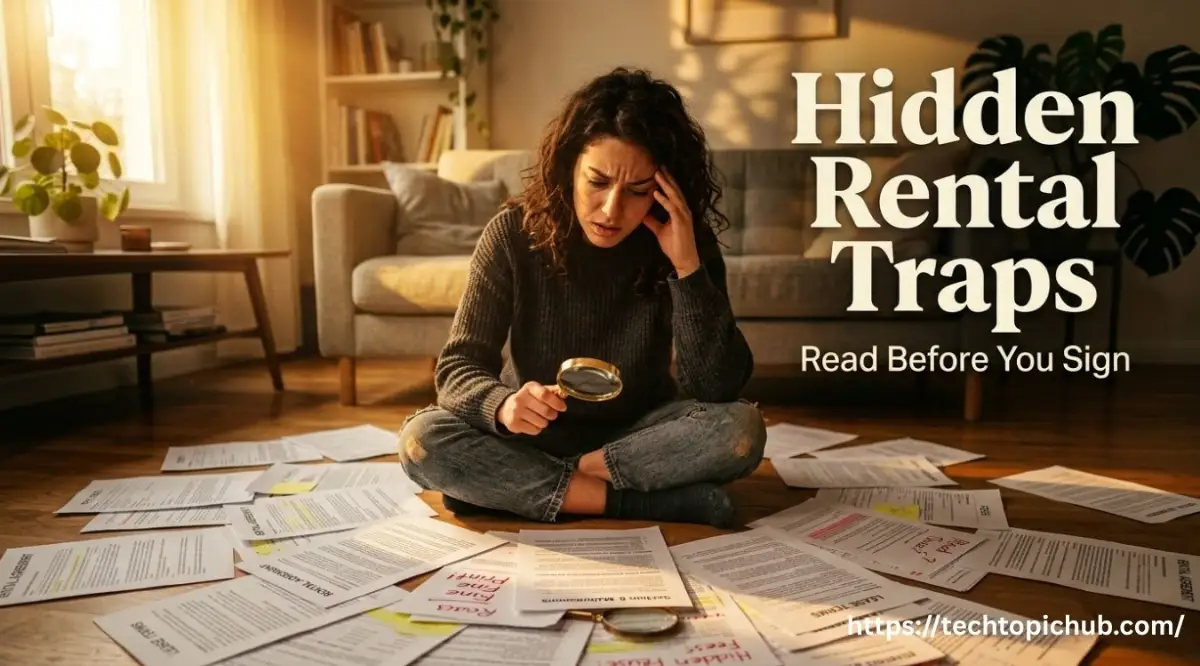
I Thought I Found the Perfect Home (Until the Lease Broke My Heart)
Before you sign your next apartment lease, grab a highlighter. I learned the hard way that letting a fast-talking landlord rush you through a mountain of paperwork is a quick way to lose your entire $1,500 security deposit. Instead of just skimming for the rent amount, let’s skip the legal headache. I am going to show you the exact sneaky clauses property managers use to drain your bank account, and how you can spot them before you get handed the keys.
I remember staring at my bank account with a sinking feeling, realizing my entire $1,500 deposit was gone forever just because of a few tiny sentences I did not read. I felt so foolish for letting my excitement blind me to the actual rules of my new home. It took me a long time to forgive myself, but that painful mistake completely changed how I look at rental agreements today.
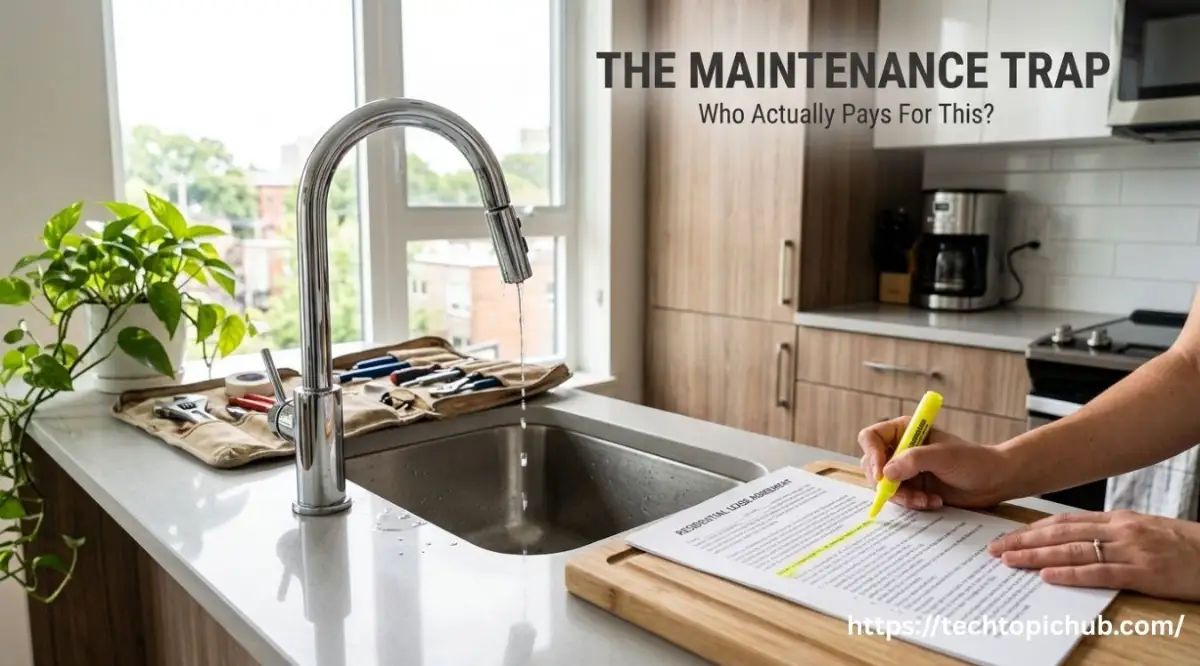
A few months into living there, the plumbing in the guest bathroom started acting up. I called the landlord, fully expecting them to send a plumber and cover the bill. Instead, I received a cold email pointing me to a tiny, overlooked paragraph on page seven of my contract. It clearly stated that tenants were financially responsible for any indoor plumbing repairs under a certain amount. I had to pay out of my own pocket just to take a normal shower.
This simple mistake opened my eyes to a harsh reality. We get so excited about the location, the price, and the view that we completely ignore the fine print. I felt trapped, completely helpless, and frustrated with my own ignorance. My daily peace of mind was gone, replaced by a constant fear of what other secrets were hiding in that contract.
I know I am not the only one who has faced this nightmare. Everyday people like you and me are losing their hard-earned money over small clauses they never knew existed. We blindly trust the standard templates landlords use, thinking everything is perfectly fair and balanced.
The truth is, these documents are written to protect the property owner, not you. When you ignore the details, you risk facing sudden eviction threats just for having your best friend stay over for the weekend. You might even find yourself paying for property damage you did not cause.
Before We Start: Quick Survival Tips
- Always define "minor repairs" before you move in.
- Cross out unfair clauses and ask the landlord to initial them.
- Take time-stamped videos of every room before bringing your boxes inside.
- Watch out for automatic lease renewals hiding in the back pages.
Decoding the Traps: How to Read Your Lease Like a Pro
The good news is that you never have to feel this kind of anxiety again. By understanding exactly what to look for, you can take back control and negotiate better terms before you ever pick up a pen. We are going to break down the most common traps hiding in residential contracts right now.
Let us explore the specific areas where property managers try to slip in unfair rules. I will show you exactly how to spot them and what you can do to protect your rights.

The "Minor Repair" Money Drain
Most renters naturally assume that if something breaks naturally, the landlord will step in to fix it. This is a very common myth that catches thousands of people off guard every single day. Many modern leases include a sneaky section often titled "Tenant Maintenance Responsibilities."
This section shifts the financial burden of small repairs directly onto your shoulders. Landlords will often set a specific dollar amount, saying you must pay for any repair under that limit. If a door hinge breaks, a light fixture stops working, or a toilet gets clogged, the bill comes straight to you.
How to protect yourself: You must read the maintenance section line by line. If you see a clause asking you to pay for minor repairs, push back politely. Ask the landlord to strictly define what counts as a "minor repair" in writing. You want to ensure you are only responsible for damages you actually cause through carelessness, not regular wear and tear.
I learned this the hard way, and it completely changed how I rent. My personal realization: I used to feel too shy to question the landlord about maintenance rules because I didn't want to seem like a difficult tenant. Now, I always ask for a clear, written list of exact repair responsibilities before I sign, and it has saved me hundreds of dollars in surprise bills.
The Silent "Long-Term Guest" Policy
Having friends and family visit is one of the best parts of having your own place. However, your landlord might have a completely different opinion on the matter. Almost every standard contract has a guest policy, but the details are usually buried deep in the text.
Many property managers define a "long-term guest" as anyone who stays for more than a few days. Some contracts state that if a guest stays for more than three consecutive nights, they are officially considered an unauthorized tenant. Breaking this rule can lead to immediate lease termination or heavy fines.
Imagine your mother coming to help you recover from an illness for a week, and then receiving an eviction warning on your door. It sounds extreme, but it happens constantly. Landlords do this to prevent extra wear and tear on the property and to avoid utility spikes.
How to protect yourself: Search the document for the word "Guest" or "Visitor." Look closely at the exact number of days allowed. If the limit seems too strict for your lifestyle, ask the landlord to extend it. Getting an allowance of ten to fourteen days per year is usually a very reasonable request.
Myth vs. Fact: The Guest Policy Trap
- The Myth: I pay rent, so my friends can crash on my couch whenever I want.
- The Fact: Most leases limit guests to 3-5 days. If a friend stays longer without permission, your landlord can legally treat them as an unauthorized tenant and fine you.
If you want to see exactly how these tricky lease terms look on paper, watch this short video breakdown before you pick up a pen. It will easily train your eyes to spot hidden red flags, so make sure to keep reading the rest of the guide after you finish watching!
The Nightmare of Early Termination
Life is completely unpredictable. You might get an amazing job offer in another city, face a sudden family emergency, or experience a drastic change in your financial situation. Sometimes, you just have to move out before your contract officially ends.
This is where the early termination clause will either save you or destroy your savings account. Many renters assume they can simply give a thirty-day notice and walk away with a small penalty. The reality is often much darker and more expensive.
Some contracts require you to pay the entire remaining balance of the lease if you leave early. If you have six months left on your agreement, you could legally owe them six months of rent, even if you do not live there anymore. Others might demand a flat fee that equals two or three months of rent upfront.
How to protect yourself: Never assume you are safe just because you are a good tenant. Find the specific heading about early termination. Look for terms like "buy-out clause" or "lease break fee." You want a contract that allows you to break the agreement by simply paying a standard one-month penalty or by helping them find a replacement tenant.
The "Automatic Renewal" Illusion
You might think that when your twelve-month contract ends, you automatically switch to a month-to-month plan. This is a massive misconception that traps people in apartments they desperately want to leave. Many documents include an automatic renewal clause hidden in the final pages.
This clause states that if you do not provide written notice exactly sixty or ninety days before your end date, your contract will automatically renew for another full year. You could wake up one morning planning to move, only to realize you are legally bound to pay rent for another twelve months.
Landlords love this rule because it guarantees their income and reduces their workload. But for you, it removes your freedom of choice. You lose the ability to negotiate a better rate or simply move on to a better living situation.
How to protect yourself: Set a loud reminder on your phone the day you move in. Calculate exactly when you need to send your written notice of non-renewal. Better yet, try to cross out the automatic renewal clause entirely before signing, and ask the landlord to initial the change.
Restrictions on Making It Feel Like Home
We all want to decorate our living spaces to reflect our personal style. You might want to mount a television, hang heavy mirrors, or paint an ugly accent wall. But before you pick up a hammer, you need to closely review the alterations clause.
Most contracts ban major changes, which is completely understandable. However, some landlords take this to the extreme. They might ban the use of simple nails, thumbtacks, or even sticky command hooks.
If you ignore these strict rules, the property manager will use it as an excuse to keep your entire security deposit. They will claim that filling tiny nail holes requires a professional painting crew, and they will bill you for the entire service.
How to protect yourself: Ask exactly what is allowed regarding wall hangings. If the contract explicitly bans nails, ask them for their preferred alternative. Always take clear, date-stamped photos of every single wall on the day you move in, so they cannot blame you for previous damages.
The Silent Pet Rent and Hidden Fees
Finding a pet-friendly apartment is already a massive headache for animal lovers. When you finally find one, you are usually prepared to pay a standard pet deposit. But what most renters miss is the fine print regarding ongoing monthly fees.
Many landlords charge a non-refundable pet deposit upfront, and then quietly add an extra "pet rent" charge to your monthly bill. Over the course of a year, this can easily add up to hundreds or even thousands of extra dollars.
Even worse, some agreements state that if you ever get a pet in the future without notifying them, they can back-charge you pet rent from the very first day of your lease. This is a massive financial trap for people who decide to adopt a cat halfway through their renting period.

How to protect yourself: Clarify all animal-related charges upfront. Ask if the deposit is refundable when you leave. Make sure you understand the difference between a one-time fee and recurring monthly pet rent.
Understanding Notice of Entry Laws
Your apartment is your private sanctuary. You have a legal right to quiet enjoyment without sudden interruptions. Unfortunately, some property managers believe they have the right to inspect the property whenever they feel like it.
A fair contract will always state that the landlord must give you at least twenty-four to forty-eight hours of written notice before entering your home. This gives you time to tidy up and prepare for their arrival.
If your contract lacks this specific time frame, the landlord could technically unlock your door and walk in while you are sleeping. This is a massive invasion of privacy that completely ruins your sense of security.
Quick Check: When Can Your Landlord Enter?
- Normal Repairs: 24 to 48 hours written notice required.
- Property Showings: Usually 24 hours notice (if you are moving out soon).
- True Emergencies: No notice needed (think burst pipes or fire).
- (If your lease says they can enter "at any time for any reason," cross that line out immediately!)
How to protect yourself: Search for the "Right of Entry" or "Landlord Access" section. Ensure it explicitly states a minimum notice period. The only acceptable exception should be in the case of extreme emergencies, like a massive water leak or a fire.
Negotiating Like a Pro: Secrets to Protecting Your Peace of Mind
Finding a great apartment is only half the battle. The real victory happens when you successfully negotiate a contract that works in your favor. Most renters mistakenly believe that lease agreements are set in stone. You might look at that thick stack of papers and assume you just have to accept whatever the property manager gives you.
This is a massive misconception that keeps renters trapped in unfair situations. In reality, almost everything is negotiable before you actually sign your name. The property manager wants to fill that empty unit just as badly as you want to move in. Empty apartments cost them money every single day.
You actually have a lot of hidden power in this situation, especially if you have a strong rental history and good credit. My personal strategy: I always read the contract at home, away from the leasing office. This completely removes the pressure of having someone stare at me while I try to understand complex legal terms.
The Power of the "Strike-Through" Method
You do not need to be a high-powered lawyer to change a rental document. If you find a specific clause that seems incredibly unfair, you can literally draw a straight line through it with a pen. After crossing it out, you simply write your initials next to the change and ask the landlord to do the same.
For example, if the contract says you must pay a massive non-refundable fee for basic cleaning, just cross it out. Ask them nicely to replace it with a standard rule that says the apartment must be returned in its original condition. If they agree and initial the change, that unfair rule is officially dead.
Of course, they might say no. But asking the question costs you absolutely nothing. You will be completely surprised by how often property managers will agree to minor changes just to get a reliable tenant moved in quickly.
I used to be absolutely terrified of asking a landlord to change anything because I thought they would instantly give the apartment to someone else. My biggest realization was that landlords are just normal business owners who hate empty rooms as much as we hate moving. Once I started politely asking to cross out weird fees with a pen, I was shocked at how often they just smiled and agreed.
Documenting Every Single Conversation
One of the greatest skills you can develop as a renter is the habit of creating a paper trail. Verbal promises mean absolutely nothing in the real estate world. If your landlord promises to replace the old, dirty carpets before you move in, you must get that promise in writing.
If you have a phone call about a maintenance issue, follow up immediately with a polite text message or email. You can simply write, "Thanks for chatting with me today! I just want to confirm that you will be sending a plumber on Tuesday to fix the shower." This simple habit prevents them from suffering sudden memory loss later on.
When you rely strictly on spoken words, you expose yourself to unnecessary risk. If a dispute ever happens, a judge or mediator will only look at what is documented. By keeping digital records, you are essentially creating an unbreakable shield around your renting rights. If you want to dive deeper into understanding basic legal protections for renters, it is always a good idea to read up on your local guidelines.
Building Your Financial Safety Net
Unexpected rental problems often lead to sudden financial stress. If you are forced to break your lease due to an emergency, you might have to pay massive penalty fees. This is exactly why your personal financial health is directly tied to your renting experience.
You should always try to keep a few months of rent saved up for absolute emergencies. This gives you the freedom to walk away from a toxic living situation without ruining your credit score. If you need help managing this, learning the strategies for building an emergency fund can completely change your confidence as a renter.
When you have financial backing, you negotiate differently. You are not operating out of fear or desperation. You can confidently tell a landlord that their terms are unacceptable and comfortably walk away to find a better home.

The Hidden Dangers of Rushing Your Signature
We often make our worst decisions when we are in a hurry. The excitement of getting new keys often blinds us to the red flags waving right in front of our faces. People make terrible mistakes simply because they want the stressful apartment-hunting process to end.
These quick decisions usually come back to haunt us when we least expect it. A signature takes two seconds, but it binds you to a legally enforceable document for a whole year. Let us look closely at the worst mistakes renters make when dealing with their contracts.
Trusting the "Standard Template" Excuse
Whenever you question a weird rule in a lease, the leasing agent will usually smile and say, "Oh, don't worry about that, it is just our standard template." They will assure you that they never actually enforce that specific rule. This is one of the oldest and most dangerous tricks in the housing industry.
Never, ever sign a document containing rules you disagree with just because someone promises they will ignore it. If the rule is written down, they can and will enforce it the moment their mood changes. If a new property manager takes over the building next month, they will follow the written contract exactly as it is printed.
How to handle this gracefully: If they claim a rule does not matter, politely ask them to remove it. You can say, "Since you guys do not enforce this anyway, I would feel much more comfortable if we just crossed it out." If they refuse to remove a rule they claim is meaningless, that is a massive warning sign.
The Dangers of Ignoring the Move-In Inspection
Many renters grab their keys, throw their boxes into the living room, and completely ignore the move-in inspection sheet. They might do a quick visual scan, sign the paper, and start unpacking. This single mistake is exactly how people lose their entire security deposit twelve months later.
If you do not document the deep scratch on the hardwood floor on day one, you bought that scratch. When you eventually move out, the landlord will spot it and charge you hundreds of dollars for a repair you did not cause. They will simply point to the clean inspection sheet you signed on your very first day.
Your protective action plan: Before you bring a single box inside, take a high-definition video of the entire empty apartment. Open every cabinet, turn on every faucet, and take clear photos of any existing damage. Email those pictures to the landlord immediately so there is a time-stamped digital record.
Misunderstanding the Notice Periods
Moving out of an apartment is not as simple as packing a truck on the last day of your contract. Most people completely misunderstand how notice periods work. They think that because their lease ends on June 30th, they can just hand the keys over on that day.
Almost all residential contracts require a written notice of your intent to leave, usually thirty to sixty days in advance. If you fail to provide this written notice on time, you might be legally forced to pay rent for an extra month, even if you have already moved into a new place.
I have seen friends completely drain their savings because they had to pay double rent for a month. They were paying for their new apartment and paying penalties on their old one simply because they forgot to send a simple email on time. To avoid this, always put a bold reminder on your phone calendar the moment you sign a new lease.
The Co-Signing Catastrophe
Sometimes, friends or romantic partners decide to move in together and sign the document equally. While this sounds great in theory, it introduces a massive legal risk called "joint and several liability." This confusing legal term means that you are entirely responsible for the whole rent, not just your half.
If your roommate suddenly loses their job and stops paying their portion, the landlord will not just ask them for the money. They will demand the full amount from you. If you cannot pay your roommate's share, you will both face eviction and a destroyed credit score.
You must be incredibly careful about who you share a legal contract with. Treat signing a lease with someone exactly like you would treat starting a serious business with them. If you are ever unsure about these legalities, reviewing general landlord-tenant legal principles can provide a lot of much-needed clarity.
Overlooking the Market Conditions
Renters often forget that real estate is a constantly changing environment. When the market is slow and landlords are struggling to find tenants, you have massive negotiating power. You can ask for cheaper rent, free parking, or waived pet fees.
Understanding the broader market gives you a massive advantage at the negotiating table. If you want to understand how slow markets operate, looking at navigating a sluggish housing market can give you a great perspective on property owner psychology. When landlords are desperate to fill units, they will easily remove unfair clauses from your contract.
On the other hand, in a highly competitive market, you might have to accept a few annoying rules to secure the home. But even then, you should never compromise on clauses that threaten your basic financial security or personal safety.
Your Next Steps Toward a Stress-Free Home
Renting a new place should be an exciting chapter in your life, not a source of constant anxiety. By slowing down and actually reading the fine print, you are taking a massive step toward protecting your peace of mind. You now know exactly what traps to look for and how to handle them confidently.
Remember that a rental contract is a business agreement between two equal parties. You are a paying customer, and you deserve a fair, transparent, and safe living environment. Never let a property manager rush you, intimidate you, or make you feel bad for asking detailed questions.
By applying these simple strategies, you will save money, avoid legal headaches, and finally be able to truly relax in your own home. The effort you put in today will protect you for the entire year ahead. You can find more helpful guides and tips by exploring modern home management resources to keep your lifestyle stress-free.
Always trust your gut feeling. If a landlord is aggressively pushing back against your polite questions, that is your cue to walk away. There is always another apartment out there, and your comfort is completely worth the extra search time. Staying informed through federal tenant rights guidelines will ensure you never get taken advantage of again.
Clearing Up Your Renting Doubts
Can my landlord change the lease terms in the middle of my contract?
No, a landlord cannot change the terms of an active, signed contract without your written permission. Both parties must agree and sign an amendment for any changes to take effect. Until your current term ends, the original rules remain legally binding.
What happens to my agreement if the owner sells the property?
Your existing contract remains fully valid even if the building is sold to a new owner. The new landlord must legally honor all the terms, rules, and expiration dates of your current agreement. They cannot force you to sign a new document or leave early just because the building changed hands.
Do I really need to buy renter's insurance?
Yes, it is highly recommended and many modern leases actually require it before they give you the keys. Your landlord's insurance only covers the physical building, not your personal belongings inside it. Renter's insurance is usually very cheap and protects your things from theft, fire, or severe water damage.
Can a landlord keep my security deposit for normal wear and tear?
Absolutely not. Property owners cannot charge you for the natural aging of the apartment, like slight fading of paint or minor scuffs on the floor. They can only use your deposit for actual damages that result from your negligence or abuse of the property.
Is it legal for a landlord to ban all guests entirely?
No, banning all guests completely violates your basic right to the quiet enjoyment of your home. While landlords can limit how many consecutive days a visitor stays, they cannot dictate who comes over for a normal dinner or a quick afternoon visit.
I truly hope this guide helps you navigate your next apartment hunt with total confidence. My own renting mistakes cost me a lot of money, but learning from them gave me the power to never be a victim again. Take a deep breath, read your documents carefully, and go secure the beautiful, stress-free home you deserve!
Disclaimer: The information provided in this article is for educational and informational purposes only and does not constitute professional legal or financial advice. Real estate laws and tenant rights vary significantly by state and local jurisdiction. Always consult with a qualified real estate attorney or local housing authority before signing any legal documents or making major housing decisions.