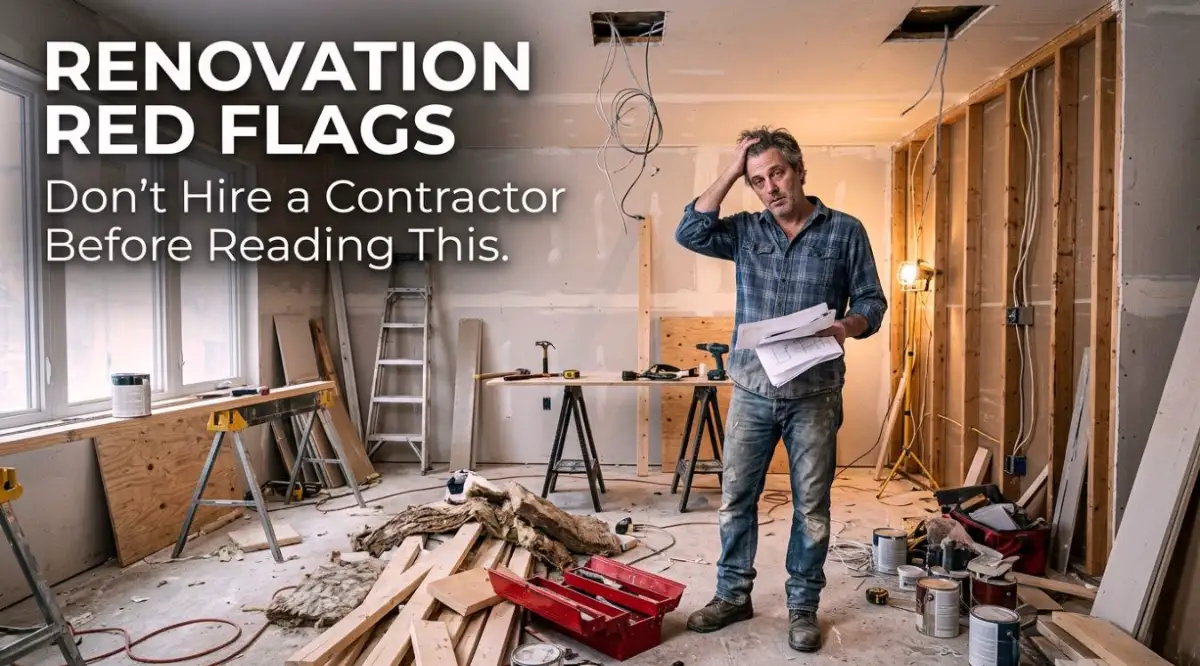
The Day My Dream Renovation Turned Into a Nightmare
Two years ago, my kitchen floor had a giant, gaping hole in it. The guy I paid to fix it was long gone with my savings, leaving me with live wires hanging from the ceiling and a massive pile of unpaid bills. I felt sick, angry, and honestly, pretty stupid for trusting his friendly smile. But that terrible nightmare taught me exactly how shady builders operate—and how you can stop them cold before handing over a single dime.
I remember standing in my completely gutted, half-finished kitchen, staring at live electrical wires hanging dangerously from the ceiling. A massive pile of unpaid material bills sat on my dusty dining table, taunting me. My so-called "professional" contractor had stopped answering my calls entirely. I had already paid him thousands of dollars upfront, trusting his smooth words and confident smile. My home was officially a disaster zone, and I felt completely sick to my stomach. I realized right then that I had ignored every single warning sign simply because I wanted to save a little bit of money.
Dealing with a bad contractor is one of the most soul-crushing experiences a homeowner can face. It completely shatters your peace of mind and turns a place of comfort into a constant source of extreme anxiety. You wake up every single morning wondering if anyone is actually going to show up to work today.
Every time you look at the unfinished floors or the crooked cabinets, you feel a deep sense of regret. Ordinary people save up their hard-earned money for years to build their dream spaces. Watching that money vanish into the pockets of an untrustworthy builder causes intense emotional pain.
The "Save Your Money" Cheat Sheet
- Never fall for the lowest bid: Cheap quotes usually mean hidden fees or terrible materials.
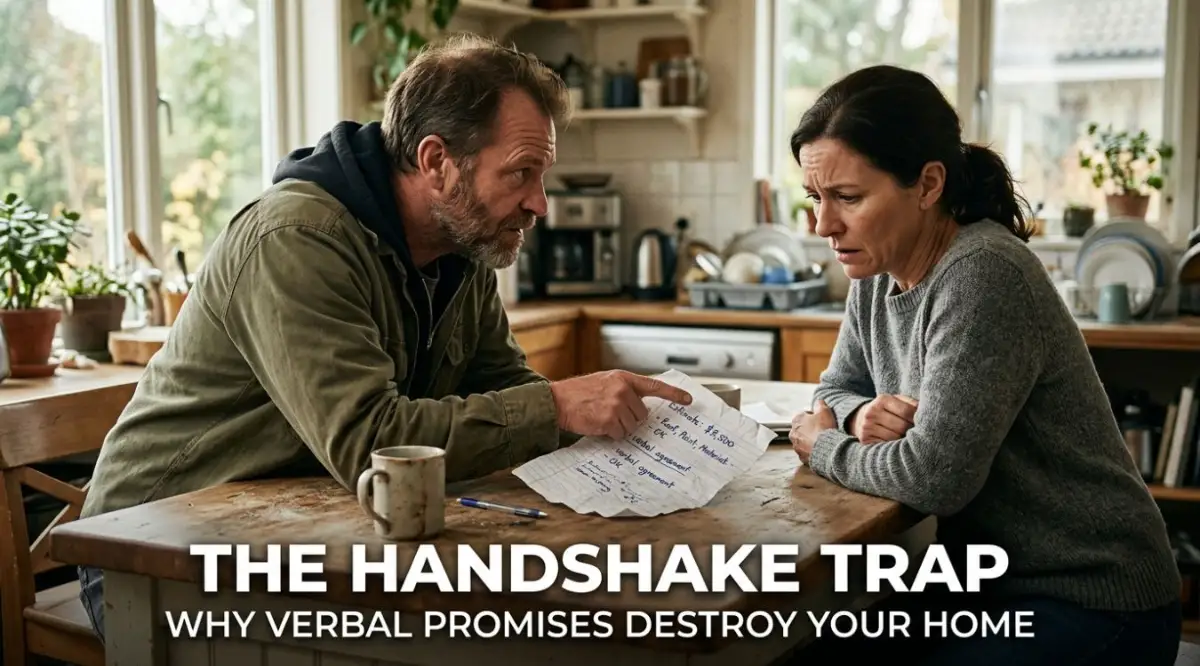
- Get it in writing: A friendly handshake will not hold up in court. Demand a detailed contract.
- Control the cash flow: Never pay more than 10% to 30% upfront, and tie all future payments to visible progress.
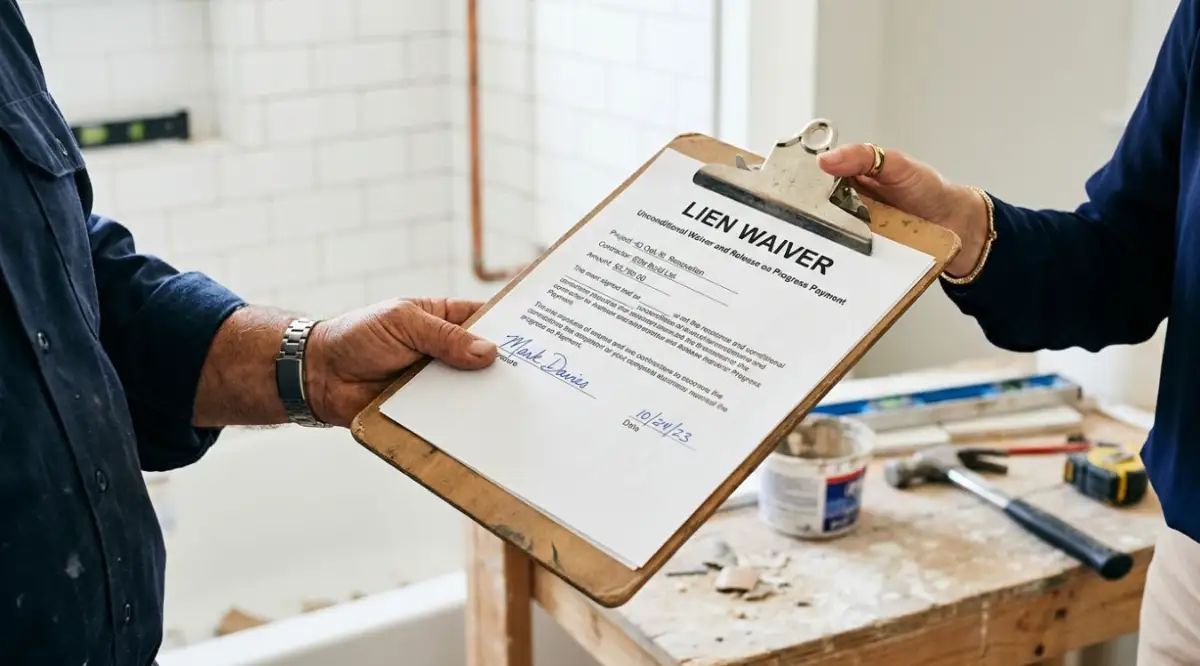
- Protect your property: Always demand a signed "Lien Waiver" before handing over your final check.
How to Spot the Danger Before You Sign the Dotted Line
Protecting yourself from a home remodeling disaster requires a sharp eye and a bit of skepticism. You do not need to be a construction expert to spot a bad deal. You just need to pay attention to human behavior and basic business practices.
When you know exactly what to look for, you can easily separate the honest professionals from the smooth-talking scam artists. Let us break down the most common warning signs so you can protect your property and your wallet.
The "Too Good to Be True" Lowball Estimate
We all love finding a great deal, especially when property upgrades cost so much money. But in the construction world, an incredibly low price tag is almost always a trap. If one builder quotes you a price that is drastically lower than three other bids, you need to hit the brakes immediately.
Professional builders have to pay for quality materials, skilled labor, insurance, and permits. These fixed costs do not magically disappear just because someone gave you a cheap quote. A lowball bidder is either planning to use terrible, cheap materials, or they intend to hit you with hidden fees later.
Sometimes, they just want your upfront deposit so they can abandon the job completely. Always compare bids based on value, not just the final number. If a deal feels like a miracle, it is probably a disaster waiting to happen.
Quick Comparison: Normal Bid vs. Scam Bid
| Feature | The Honest Professional | The Smooth-Talking Scammer |
| The Price | Fair market value. Covers good materials. | Shockingly low to grab your attention quickly. |
| The Timeline | Realistic and gives room for minor delays. | Promises to finish a massive job in just days. |
| The Pressure | Tells you to take your time and think it over. | Claims a "special discount" expires today. |
Aggressive High-Pressure Sales Tactics
A reliable builder will give you an estimate and give you plenty of time to think it over. They respect your space and understand that upgrading your home is a massive financial commitment. Shady workers, on the other hand, act like desperate car salespeople.
They will try to force you into signing a deal right on the spot. They might claim that a "special discount" is only available for the next 24 hours. They could also try to scare you by pointing out imaginary structural flaws in your house that need "immediate" fixing.
Do not ever let a stranger pressure you into spending thousands of dollars in a panic. A good deal today will still be a good deal tomorrow. If someone is rushing you to grab your checkbook, kindly ask them to leave your property.
Refusing to Put Details in a Written Contract
This is perhaps the biggest mistake homeowners make. A handshake and a friendly smile will not hold up in a court of law. If a builder tells you that contracts are just "unnecessary paperwork" or that you should just "trust them," walk away instantly.
A proper legal document protects both you and the worker. It outlines the exact payment schedule, the specific materials being used, and a realistic timeline for completion. Without these details in writing, the builder can easily change the rules halfway through the job.
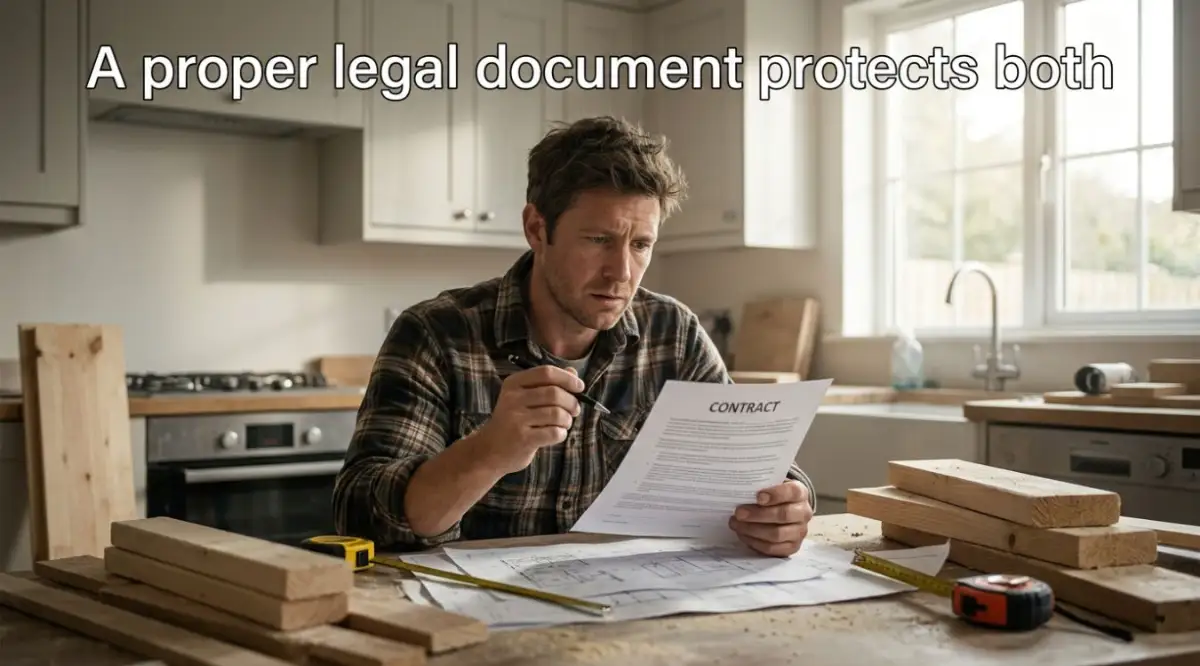
They can suddenly claim that the expensive tile you wanted was never part of the original price. If it is not written down on a signed piece of paper, it simply does not exist. Never hire anyone who avoids formal paperwork.
I learned this lesson the hard way during my first bathroom upgrade. I trusted a family friend's recommendation and agreed to the project through text messages and phone calls. When he installed cheap plastic fixtures instead of the metal ones we discussed, I had absolutely no legal proof to back up my complaints, and I lost over a thousand dollars trying to fix his mess.
Before you sign any piece of paper, watch this quick video to see exactly what a safe home renovation contract looks like in plain English. Trust me, spending five minutes on this video now will save you from massive headaches and prepare you for the advanced hiring secrets I share right below it!
[Insert YouTube Video Link Here]
Demanding Huge Amounts of Cash Upfront
It is totally normal for a company to ask for a small deposit to schedule your project or buy special materials. However, if they demand half the total cost—or worse, the entire amount—before they even pick up a hammer, you are in danger.
Once you hand over a massive pile of cash, you lose all your leverage. The builder has no motivation to finish the work quickly or correctly. They already have what they want.
In many places, there are strict legal limits on how much money a builder can ask for upfront. A financially stable business will have enough credit to buy basic supplies without emptying your bank account first. Never become a bank for a struggling contractor.
Lack of Physical Address and Proper Licensing
In today's digital age, anyone can create a fake business page on social media in five minutes. A flashy logo and a few stolen pictures do not make a real company. You need to verify their actual credentials in the real world.
Always ask for their physical office or shop address. If their only address is a P.O. Box or the backseat of their rusty pickup truck, you should be extremely suspicious. If things go wrong, you will have no idea where to find them.
Furthermore, you must demand to see their active business licenses and proof of liability insurance. If a worker gets injured in your living room and they do not have insurance, you could be the one paying their hospital bills. A simple phone call to your local licensing board can save you from financial ruin.
The 3-Step Insurance Verification Check:
Instead of just taking their word for it, ask for these exact documents:
- General Liability Coverage: Protects your actual house if they accidentally smash a pipe or start a fire.
- Worker’s Compensation: Pays the medical bills if one of their crew members gets hurt in your living room (so they do not sue you).
- A Fresh Certificate: Call their agent directly to email you a proof of insurance dated today. Do not accept a printed copy from last year.
Terrible Communication Skills from Day One
The way a person behaves before you hire them is a strong indicator of how they will act during the project. Pay close attention to how they handle your initial phone calls and emails. Do they take four days to return a simple text message?
Do they show up an hour late to your first meeting without offering an apology? If they are this careless when they are actively trying to win your money, imagine how they will act once they already have it.
Good communication is the foundation of any successful home project. You want someone who answers your questions clearly and keeps you updated on their schedule. If getting a straight answer feels like pulling teeth, find someone else.
Myth vs Reality: Contractor Edition
To help you navigate this tricky process, let us clear up a few common misunderstandings about the home improvement industry.
Myth: You must always hire the person who finishes the job the fastest.
Reality: Speed often leads to sloppy mistakes. A realistic, slightly longer timeline usually means the builder is taking the time to do things perfectly.
Myth: A large online following means the builder is highly skilled.
Reality: Anyone can buy fake followers and post pictures of houses they never actually worked on. Always check real references and local reviews instead.
Myth: Paying in cash saves everyone money.
Reality: Cash payments leave absolutely no paper trail. If the builder runs away, you have zero proof that you ever paid them.
Trusting Your Gut Feeling
Sometimes, a company might have all the right paperwork and a decent price, but something just feels entirely wrong. Maybe they talk down to you, ignore your spouse, or dismiss your creative ideas. You are going to have this person walking through your home, around your family, for weeks or even months.
If their personality makes you feel uncomfortable, do not hire them. Your intuition is a powerful tool. You deserve to work with a team that respects your property and treats you with absolute kindness.
Listen carefully to how they speak about their past clients. If they constantly complain about "crazy homeowners" or blame everyone else for past delays, they will probably say the exact same things about you. Professionalism goes far beyond just swinging a hammer.
Checking References the Right Way
Almost every builder will gladly hand you a list of references. But you need to remember that they are only going to give you the phone numbers of people who actually like them. Calling these hand-picked references is rarely enough to get the full story.
Instead, ask the builder for the addresses of the last three jobs they completed. Try to find reviews on independent websites where the business owner cannot delete negative comments. Reach out to local hardware store managers and ask if they know the builder's reputation.
When you do call a past client, ask very specific questions. Do not just ask if they liked the kitchen. Ask if the team cleaned up their trash at the end of every day.
Ask if the final bill matched the original quote. Digging slightly deeper than a basic phone call will reveal the true character of the person you are hiring.
Keeping Detailed Records of Everything
If I could go back in time, my biggest pro tip would be to set up a group text chat with the builder and my husband on day one. I used to rely on quick verbal updates while handing the builder a cup of coffee, which led to a $600 misunderstanding about our countertop material. Writing everything down instantly stops the "he said, she said" arguments before they even start.
Once you finally choose a trustworthy professional, your job is still not over. You need to document every single step of the process. Keep a specific folder on your computer for all email chains, digital invoices, and contract updates.
Take clear photos of the work area before they start, and take progress photos every single evening when they leave. If a dispute ever arises about the quality of the work, these photos will be your absolute best defense.
Never agree to a major design change verbally. If the worker suggests adding an extra window or moving a plumbing line, demand a written "change order" with a new price attached. Clear boundaries and strong documentation create a healthy working relationship.
Building or upgrading your home should be an exciting journey, not a miserable nightmare. By watching out for these major red flags, you can easily filter out the bad apples. Take your time, ask the hard questions, and strictly refuse to settle for anything less than total professionalism. Your peace of mind and your beautiful home are absolutely worth the extra effort.
Next-Level Strategies for Hiring the Perfect Builder
Now that you know exactly what warning signs to spot during your initial meetings, it is time to upgrade your hiring skills. Protecting your property requires a proactive approach, rather than just hoping for the best outcome.
I want to share some incredibly powerful strategies that professional property investors use to protect their money. These advanced techniques will ensure that your home makeover stays strictly on track and within your planned budget.
The first major secret is strictly controlling the flow of your money. You must never let the builder get ahead of the actual progress happening inside your house. If they have completed twenty percent of the labor, they should only receive twenty percent of the total payment.
Professional homeowners use the standard "Rule of Thirds" to keep everyone honest. You pay one-third upon signing the agreement, one-third halfway through the job, and the final third only when every single detail is perfectly finished. If you are trying to create a realistic monthly budget and crush your debt, sticking to a strict payment schedule is your absolute best defense against sudden financial ruin.
The Hidden Danger of Building Permits
Here is a massive red flag that many beginners completely miss. If your worker asks you to go down to the city office and apply for the building permit under your own name, tell them no immediately.
When you pull an "owner-builder" permit, you are legally claiming that you are acting as the general contractor. That means you are suddenly responsible if the work does not pass city inspections. You also become liable for any accidental property damage or local code violations.
A licensed, trustworthy professional will always pull the required permits under their own company name. You can actually check official government resources on identifying common home improvement scams to see just how frequently shady workers use this specific trick. They push the legal risk onto you so they can quietly walk away if they ruin your plumbing or electrical systems.
Mastering the Lien Waiver Process
Let us talk about a terrifying scenario that happens entirely too often in the real estate world. Imagine you hire a head builder to renovate your bathroom, and you pay him exactly on time. However, he secretly decides not to pay the local plumber who actually installed your shower.
Because the plumber never received his money, he can legally place a "mechanic’s lien" on your actual house. This means you cannot legally sell your property until that random plumber gets paid, even though you already gave your money to the head builder. This exact nightmare scenario destroys the peace of mind of thousands of families.
You can completely prevent this by demanding a signed "Lien Waiver" before making your final payment. This document is a legal receipt proving that every subcontractor and material supplier has been fully paid. If you want to dive deeper into protecting your property rights safely, checking resources at the Better Business Bureau regarding contractor fraud is an incredibly smart move.
Verifying Insurance the Smart Way
Do not just accept a printed piece of paper from a worker claiming they have active insurance. Anyone can easily Photoshop a date on an old insurance certificate.
Instead, ask them for the direct phone number of their insurance agent. You should call the agent yourself and ask them to email you a fresh Certificate of Insurance directly from their official office.
This simple five-minute phone call guarantees that their policy is currently active and has not been canceled for non-payment. If a worker gets angry at you for verifying their insurance coverage, they are definitely hiding something from you. Genuine professionals appreciate a homeowner who takes job site safety and residential construction regulations seriously.

Disastrous Homeowner Mistakes You Must Never Make
Even when you follow the best hiring strategies, it is entirely possible to accidentally ruin your own remodeling project. Homeowners often become their own worst enemies simply because they let their emotions take over.
When your house is full of dust and noise, your patience wears dangerously thin. You might start making rushed decisions just to get the workers out of your living room faster. Let us explore the most damaging pitfalls you must actively avoid.
Paying the Final Invoice Too Early:
This is the most heartbreaking mistake I see regular people make all the time. The kitchen looks mostly done, the cabinets are up, and the builder promises to return on Monday to finish painting the trim. You feel relieved, so you hand over the final check.
Monday comes and goes, and nobody shows up to paint. Your phone calls go straight to voicemail because the builder has already moved on to a more profitable job. Never release your final payment until you have walked through the entire space and checked every single detail.
Once your money leaves your bank account, your power over the situation instantly vanishes. It might feel uncomfortable to withhold money from a friendly worker, but business is business. You are paying for a fully completed job, not a mostly finished one.
Falling for the "Verbal Change Order" Trap:
During a big project, you might suddenly decide to upgrade to a fancier tile or add an extra electrical outlet. You mention this casually to the worker, and he says, "No problem, we will take care of it."
Weeks later, you receive a massive, unexpected bill for those tiny changes. Because nothing was written down, you have no way to prove what you originally discussed.
This financial shock can quickly derail your plans, especially if you are using borrowed money to fund the remodel. Speaking of smart funding, it is always wise to compare options like fixed vs variable personal loans before approving expensive upgrades. Every single change, no matter how small, must be documented and signed by both parties.
Financing Your Dream Project Blindly:
Many families dream of building beautiful new additions, but they secure terrible financing options out of pure excitement. Upgrading your property should increase its value, not trap you in a cycle of high-interest debt.
Some shady companies even push you to use their own predatory lending partners with hidden fees. You should always secure your own independent financing before the hammering begins.
If you plan to use a bank loan, taking steps to improve a low credit score before applying for a home loan will save you thousands of dollars in interest alone. Do not let a fast-talking salesperson rush you into signing a terrible financial contract.
Being Too Absent or Overly Controlling:
Finding the right balance as a homeowner is completely essential. If you leave for a three-week vacation while the workers tear up your house, they will naturally slow down. Without supervision, minor design errors can quickly turn into permanent, expensive mistakes.
On the other hand, hovering over the workers and questioning every single nail they drive will make them absolutely miserable. Micro-managing skilled workers creates a toxic environment and severely delays your progress.
Make it a habit to do a quick ten-minute walkthrough at the end of every day. If you want more general advice on managing real estate and daily lifestyle improvements, you can always explore the latest property trends here to stay inspired. Be friendly, be present, but let the experts do the heavy lifting.
Your Action Plan for a Stress-Free Remodel
Navigating the messy world of home remodeling does not have to be a terrifying experience. Yes, there are bad actors out there looking to make a quick buck off trusting families. But there are also thousands of incredibly talented, honest builders who genuinely take pride in their craft.
Your goal is simply to be a smart, educated homeowner who refuses to be pushed around. By watching out for aggressive sales tactics, demanding written contracts, and protecting your hard-earned cash, you instantly remove 90% of the danger.
Trust your instincts and remember that you are the boss of your own property. If something feels wrong during the negotiation phase, have the courage to walk away and find someone better. Your home is your safe space, and you deserve a reliable team that treats it with absolute respect.
I truly know how overwhelming it feels to hand over your savings to a stranger, but educating yourself is the strongest shield you can carry. My biggest hope is that these lessons save you from the expensive mistakes I made during my early days of property upgrades. Take a deep breath, review your plans carefully, and confidently build the beautiful space you and your family deserve!
Questions Homeowners Also Ask About Bad Builders
Can I legally fire my contractor if they do a terrible job?
Yes, you generally have the right to terminate an agreement if the worker consistently fails to meet the written terms. However, you must carefully read the cancellation clause in your signed paperwork first. Document all their poor work with clear photographs before you officially tell them to leave your property.
How much money should a builder actually ask for upfront?
A fair upfront deposit usually ranges from ten to thirty percent of the total project cost. This money should only cover the initial scheduling and custom material orders. If someone demands fifty percent or more before they even start working, you should decline their offer immediately.
What should I do if my worker completely abandons the job?
First, try sending a formal, certified letter demanding that they return to finish the agreed work. If they completely ignore your written warnings, you may need to contact your local licensing board to file an official complaint. In severe cases, consulting a real estate lawyer is the smartest way to recover your lost money.
Do I really need a lawyer to review my home remodeling agreement?
For small weekend jobs, a lawyer is usually not necessary if the terms are extremely clear. However, if you are spending tens of thousands of dollars on a massive addition, paying a professional to review the paperwork is incredibly smart. Catching a tiny legal loophole early can save you from a massive financial disaster later.
Even though my first remodel was a complete disaster, I learned so much, and my second project went perfectly smoothly! You have the power to protect your home and your money just by asking the right questions today. Do not let fear hold you back from building the gorgeous space you have been dreaming about—you have totally got this!
Disclaimer: The information provided in this blog post is for educational and informational purposes only. It does not constitute formal legal, financial, or professional real estate advice. Always consult with licensed professionals, legal advisors, or local housing authorities before signing contracts or making major financial decisions regarding your property. We are not responsible for any disputes or financial losses that may occur during your home renovation projects.