
The Hidden Nightmare of Buying Your Dream Home
You just got the keys to your dream home, and you are already picturing the new fence and backyard patio. But what happens if the city actually owns a five-foot slice of your new yard for sewer access? Trust me, discovering a hidden property easement after you have already bought the house is a fast track to wasted money and legal headaches. Let us look at how you can easily lock down your property boundaries before you dig a single hole.
This is a terrifying reality for thousands of homeowners today. You save up all your hard-earned money to buy a piece of land, expecting total privacy and control. Instead, you get a nasty surprise when you realize someone else has the legal right to use your property.
Every single day, ordinary people face extreme stress because they misunderstand their property lines. They wake up to find utility workers digging massive holes in their beautiful front yards. Sometimes, they get aggressive letters from angry neighbors over a fence that is just three inches over the property line.
Fighting over boundaries ruins relationships with the people living right next door to you. You start feeling nervous every time you walk outside to check your mail. The awkward glances and silent tension can make living in your own house feel incredibly uncomfortable.
On top of the emotional stress, the financial drain is absolutely terrifying. People easily spend thousands of dollars on lawyers just to figure out who owns a tiny strip of dirt. This money could have been spent on a family vacation or upgrading the kitchen.
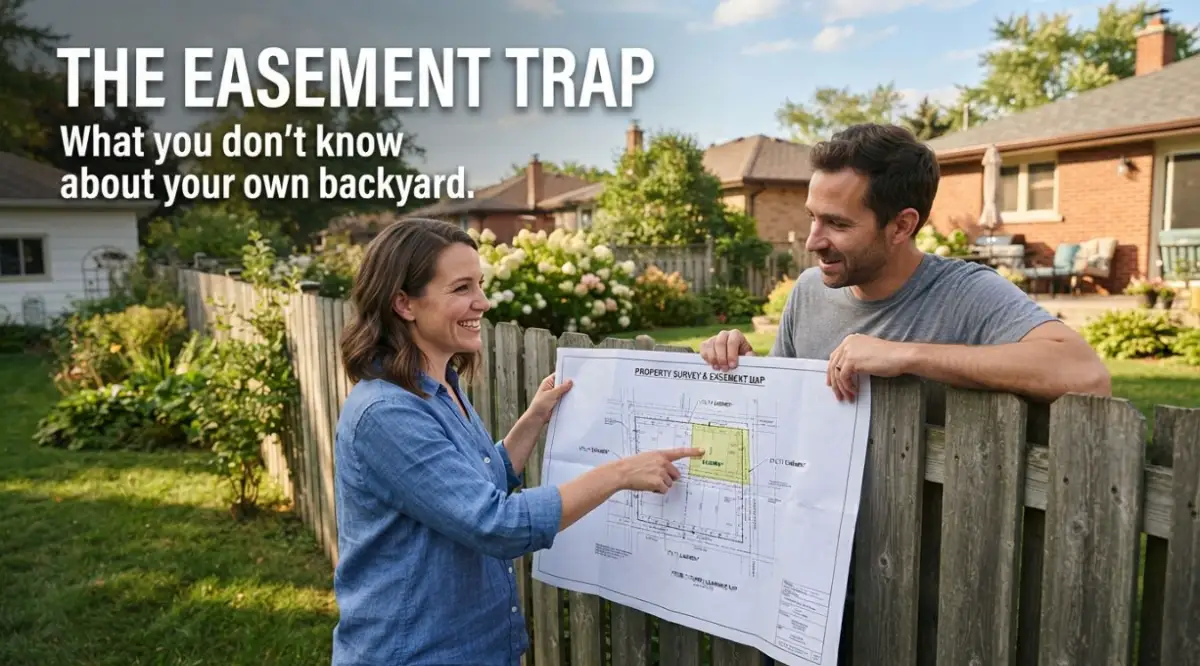
Quick Summary: What You Need to Know
- Physical fences do not define your real legal property lines—only an official land survey does.
- Easements give utility companies or neighbors the legal right to use parts of your land, and they are totally permanent.
- Always read "Schedule B" in your title commitment to find hidden property rules before you sign the closing papers.
- Handle neighbor boundary mistakes with friendly, open communication to avoid draining your bank account on lawyer fees.
Decoding the Mystery of Real Estate Boundaries
We need to clear up the confusion around what you actually own and what others have a right to use. Understanding these rules early on will save you a massive amount of headaches down the road. Let us break down exactly how you can protect your property and your wallet.
1. The Invisible Lines You Cannot See
Most people think the edge of their lawn or an old rusty fence marks their official property line. This is one of the biggest and most expensive assumptions you can make in real estate. Physical markers mean absolutely nothing unless they perfectly match your official legal documents.
To find your true boundary, you need to rely on completely objective data. A professional land survey is the only document that tells you exactly where your property starts and ends. It maps out your land using precise measurements recorded by local government offices.
You should never trust word-of-mouth agreements from previous owners. Even if the person who sold you the house promised the fence was accurate, they might have been terribly wrong. Always verify the facts with a fresh, updated land survey before you make any changes to the property.
2. What Exactly is an Easement?
An easement is simply a legal right for someone else to use a specific part of your property for a specific purpose. It does not mean they own your land, but it does mean you cannot block them from using it. Think of it as a permanent permission slip attached to your property deed.
There are several common reasons why these exist on residential properties. The most frequent reason is for basic public utility access. Power companies, water services, and internet providers need a way to reach underground pipes or overhead lines without asking for your permission every single time.
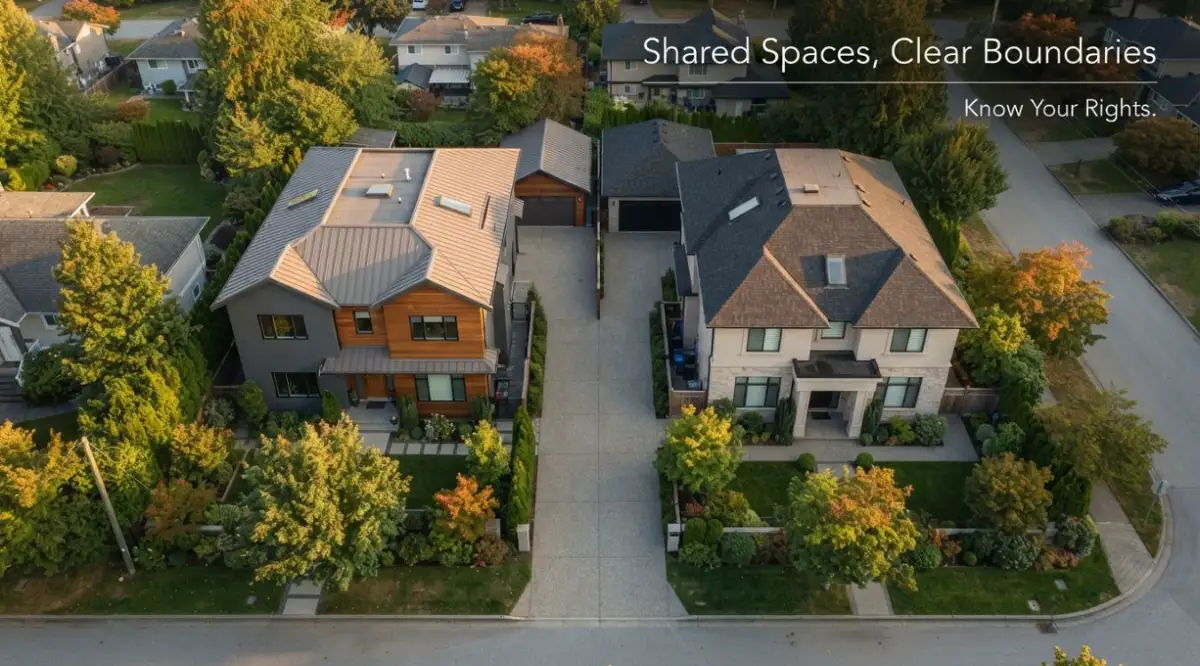
Another common example is a shared driveway situation. If a house sits far back from the main road, the owner might need an easement across the front property to reach their garage. This ensures everyone has safe and fair access to the main public streets.
Watch this complete breakdown to fully understand how easements affect your home value.
Myth vs Reality: The Common Traps
Homeowners often fall into dangerous traps because they believe popular myths about property laws. Let us clear up some of the most common misunderstandings right now.
Myth: If I buy the house, I can cancel the easement whenever I want.
Reality: Most easements are firmly attached to the land itself, not the owner. When you buy the house, you automatically inherit the agreement, and you cannot simply cancel it.
Myth: If my neighbor builds a shed on my land, I can just tear it down.
Reality: Taking matters into your own hands can actually lead to criminal property damage charges. You must resolve encroachments through proper legal and civil channels.
3. The Sneaky Threat of "Prescriptive" Rights
Sometimes, an easement is created without any official paperwork or written agreements. This happens through a very surprising legal concept known as a prescriptive easement. If someone uses your land openly and consistently for a long time, they might gain a legal right to keep using it forever.
For example, imagine your neighbor uses a shortcut across your backyard every single day to reach a nearby park. If you never try to stop them or grant them official permission, they could eventually claim a permanent right to that path. The specific time required for this varies, but it usually takes many years of continuous use.
This is exactly why you must always pay close attention to what happens on your land. Ignoring a small issue today could permanently change your property rights tomorrow.
I actually learned this lesson the hard way when I decided to skip reading the fine print on my initial title report. I assumed everything was fine because the house looked perfect on the outside. My simple ignorance almost cost me thousands of dollars when I accidentally built a garden directly over an active utility line. Always demand a clear explanation of your title report before you sign anything.
Easement vs Encroachment: What is the Difference?
Understanding the difference between an easement and an encroachment is essential for your peace of mind. They might sound similar, but they require completely different legal solutions. Here is a simple breakdown to keep you informed.
Did you know that most standard home insurance policies will not cover the cost of tearing down a structure that encroaches on your neighbor's property? That massive demolition bill comes straight out of your own pocket. This is exactly why skipping a survey is never worth the risk.
4. How to Read Your Title Commitment
Your title commitment is the most important document you will ever receive when buying a home. This thick stack of papers lists every single rule, restriction, and easement attached to your new property. Unfortunately, most buyers completely ignore it because the legal language is so incredibly boring.
You need to look specifically for a section usually called "Exceptions" or "Schedule B." This section outlines all the things the title insurance company will not cover. If there is a massive sewer easement running under your future swimming pool, it will be listed right here in plain sight.
If you find something you do not understand, pick up the phone immediately. Call your real estate agent or title officer and ask them to explain the document in simple terms. A good professional will gladly help you translate the legal jargon into everyday English.
5. Managing Neighbor Relationships Peacefully
Disputes over land boundaries can quickly turn friendly neighbors into bitter enemies. The best way to handle any boundary issue is through open, honest, and calm communication. Going straight to a lawyer should always be your absolute last resort.
If you suspect your neighbor's new fence is crossing into your yard, do not start yelling. Walk over with a friendly smile, bring a cup of coffee, and politely mention your concerns. Often, they made an honest mistake and had no intention of stealing your land.
Show them your official land survey to clearly explain your point of view. When people look at objective, professional documents, they are usually much more willing to cooperate. Working together to fix the problem saves both of you a massive amount of stress, time, and money.
6. Planning Your Outdoor Projects Safely
Before you grab a shovel or hire a contractor, you need an airtight plan to protect your property rights. Never start a major outdoor project based on guesswork or assumptions. Taking a few proactive steps now will prevent expensive disasters later.
First, always call your local utility marking service before you dig even a single hole. They will come to your house for free and spray paint the exact locations of hidden underground pipes. Hitting a gas line or internet cable is incredibly dangerous and will result in massive repair fines.
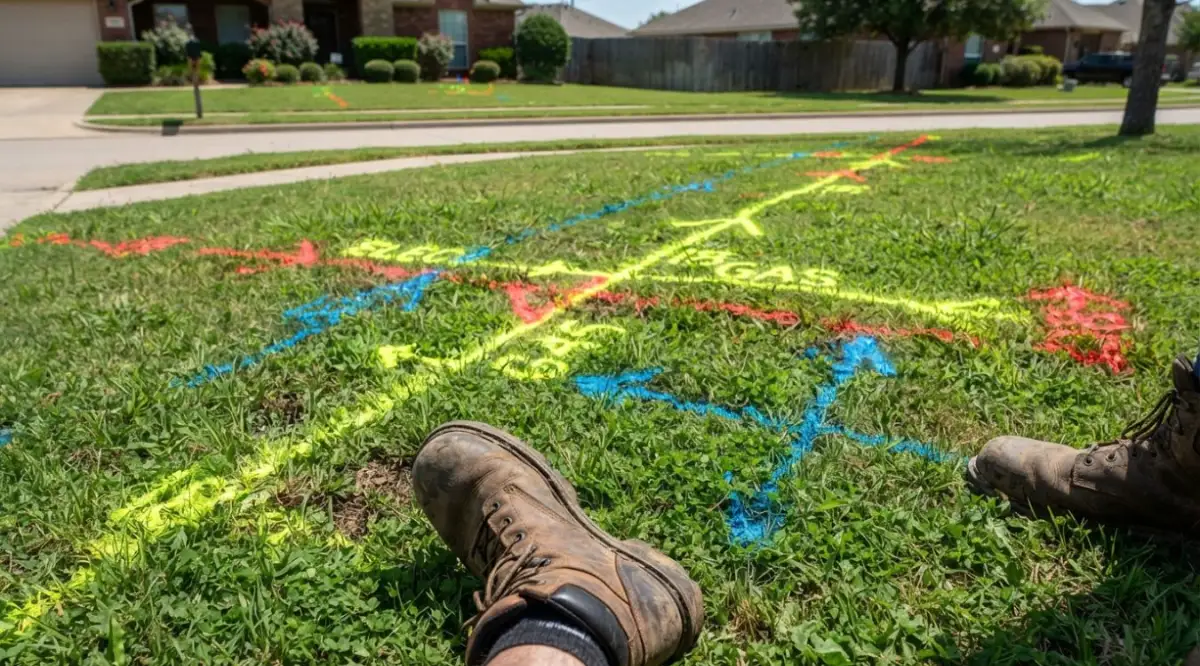
Next, design your structures well within your confirmed legal boundaries. Most cities require you to build fences or sheds a specific number of feet away from the actual property line. These are called setback rules, and violating them means the city can force you to tear down your brand-new project.
7. Actionable Steps to Secure Your Land Today
You do not need to be a real estate lawyer to firmly protect your property rights. There are highly practical things you can do right now to secure your boundaries. Let us look at how you can take immediate control of your property.
Walk around your entire property this weekend and visually inspect the edges. Look for strange pathways, new tire tracks, or anything that suggests someone is repeatedly crossing your land. Identifying early signs of trespassing is the easiest way to prevent a prescriptive easement from forming.
Keep all your property documents neatly organized in one secure folder. Make sure you have a physical copy of your deed, your title policy, and your official land survey. When you have these documents easily accessible, you can quickly shut down any sudden arguments about where your land ends.
If you plan to let a neighbor use a portion of your land, put the agreement in writing. Creating a simple, written permission document shows that you control the land and they are just a guest. This completely blocks them from claiming permanent legal rights in the future.
Mastering Your Property Lines Like a Real Estate Pro
Now that we understand the basics, we need to talk about long-term protection. You want to make sure your property remains completely safe from unexpected legal claims. To do this, you must think exactly like a seasoned real estate professional.
Most normal buyers simply sign their closing documents and completely forget about them. You cannot afford to make that mistake if you want true peace of mind. Let us look at some powerful strategies to actively protect your land ownership rights.
One of my favorite advanced tips is legally recording a formal "Boundary Line Agreement." Sometimes, a neighbor's driveway might naturally curve just a few inches onto your property. Instead of fighting them, you can create a simple, friendly written document.
This document basically says you acknowledge the tiny overlap and give them temporary permission to use it. You then file this document at your local county clerk’s office. Doing this completely destroys their ability to ever claim permanent ownership of that land later on.
If you want to read more about the exact legal definitions of property rights, the Legal Information Institute at Cornell Law School offers fantastic, easy-to-read resources. They break down complex real estate laws into everyday English.
Another secret weapon is asking for an "Enhanced" Owner's Title Insurance Policy when buying a home. A standard policy only covers mistakes from the past. An enhanced policy actually protects you if someone tries to build on your land in the future.
The Hidden Power of a Pin Survey
You probably know you need a survey, but did you know there are different types? A simple "location drawing" is what most cheap lenders order for closing. It is a rough sketch that offers absolutely zero legal protection.
You must specifically ask for a full "Boundary Pin Survey" instead. A licensed professional will come to your house and drive permanent iron pins deep into the ground at your exact corners. This leaves no room for arguments or guesswork.
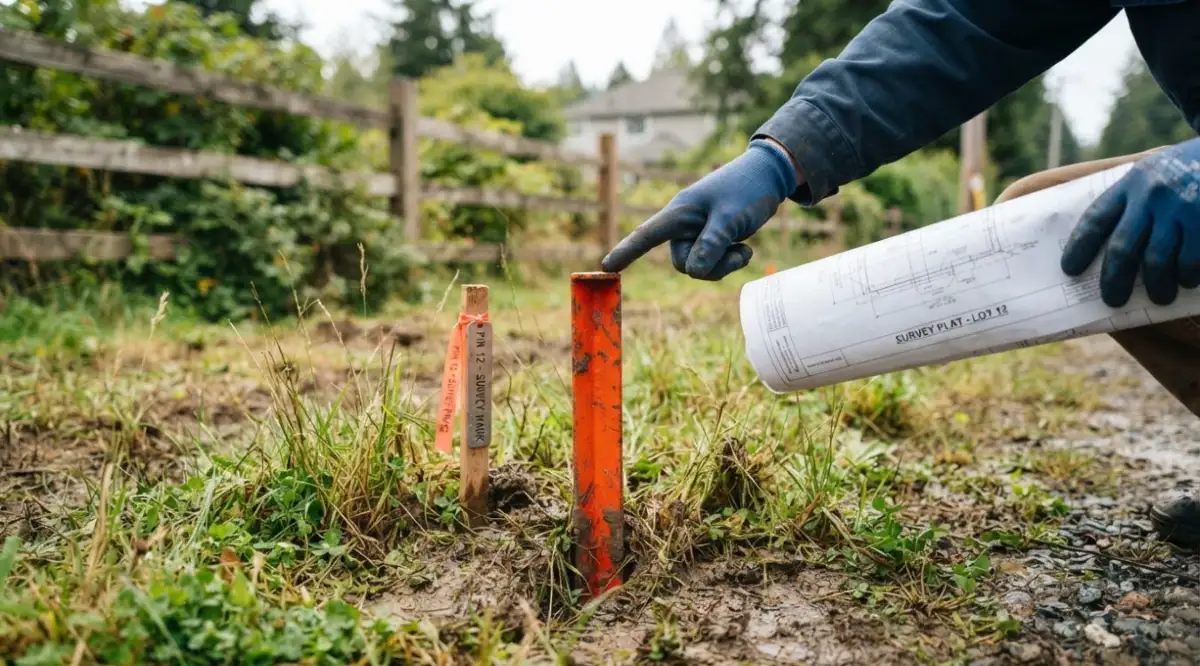
Finding a truly qualified surveyor is incredibly important for this process. You can always check the National Society of Professional Surveyors to find a certified expert in your specific area. They maintain a strict ethical standard for measuring residential land.
Negotiating with Mega Utility Companies
Dealing with a giant power company or water authority can feel totally intimidating. They often show up unannounced and start ripping up your beautiful front yard to reach their underground pipes. Many homeowners just stand by and watch because they feel powerless.
You actually have more rights than you might think in these situations. While they legally have the right to access the area, they usually have a strict obligation to restore your property. They cannot just leave a massive mud pit in your garden and drive away.
I always tell my friends to take lots of photos before the utility trucks even arrive. If they damage your expensive landscaping, you will have solid proof of what it looked like before. You can then submit a formal damage claim to their corporate office to get your yard fixed.
Thinking Ahead Before Refinancing
Boundary issues do not just affect your daily life; they completely control your financial options. Let us say you want to build a large addition to your home to increase its overall value. If that addition accidentally crosses a utility line, banks will refuse to give you money.
When you go to the bank, they want to ensure their investment is totally secure. A messy property line dispute makes your home look like a terrible risk. This can instantly ruin your chances of securing favorable variable personal loan rates for your remodeling project.
If you are dealing with a messy property dispute, your stress levels will naturally skyrocket. Managing your money becomes incredibly difficult when you are worried about sudden legal fees. Taking the time to properly plan a realistic monthly budget will help you prepare for any unexpected surveyor costs.
Always fix any boundary confusion long before you talk to a mortgage lender. Clean, clear property lines make the approval process incredibly smooth and stress-free.
The Costly Errors That Ruin Homeowner Dreams
Throughout my time dealing with real estate, I have watched smart people make terrible decisions regarding their boundaries. These mistakes rarely happen on purpose. They usually happen because homeowners are just trying to save a little bit of time or money.
The biggest trap you can fall into is relying on an old, outdated land deed. A deed from fifty years ago might describe your property line by referencing a "large oak tree." What happens when that oak tree was cut down twenty years ago?
Relying on these vague, outdated markers is a recipe for absolute disaster. You might build a beautiful new swimming pool, only to find out it sits perfectly on your neighbor's property. Moving a concrete swimming pool is financially devastating.
The Handshake Deal Disaster
Another massive mistake is making a casual, verbal agreement with the person living next door. You and your neighbor might agree that it is perfectly fine for their new shed to sit slightly on your grass. You shake hands, smile, and think the problem is permanently solved.
The nightmare begins when that friendly neighbor decides to pack up and move away. The new family moves in, looks at the legal paperwork, and immediately demands you give up that piece of land. Because you never put anything in writing, you have zero legal proof of your original friendly agreement.
Always get every single agreement down on paper, no matter how much you trust the person. A friendly signature today prevents a vicious court battle tomorrow.
Choosing Hostility Over Honest Communication
When people feel their personal territory is threatened, they naturally get very defensive and angry. I completely understand this biological reaction. It is your home, and you want to protect your family's safe space.
However, marching over to your neighbor's house and screaming at them is the worst possible strategy. Aggressive behavior instantly forces the other person to hire an expensive lawyer. Once lawyers get involved, a simple fence disagreement turns into a multi-year legal war.
If you want to read great advice on handling neighbor conflicts peacefully, the legal experts at Nolo’s Real Estate Law Center provide excellent mediation strategies. They explain how a simple, calm conversation can save you thousands of dollars in court fees.
I once saw two neighbors spend a combined forty thousand dollars arguing over a tiny strip of dirt worth maybe two hundred dollars. Let that sink in for a moment. Pride and anger will completely drain your bank account if you let them take control.
Always approach the situation with a smile and a stack of objective documents. Say something simple like, "Hey, I noticed the new fence might be a little off, can we look at this survey together?" This polite approach works beautifully almost every single time.
Ignoring the Sneaky Conservation Rules
Many modern neighborhoods have special rules designed to protect the local environment. These are often called conservation easements, and they are incredibly strict. You might have a beautiful creek running right through your backyard.
You might think you can chop down the messy bushes near that creek to make a better view. If that area is protected by a conservation agreement, the local government can hit you with massive penalties. They can literally force you to buy and plant brand-new trees at your own expense.
Before you touch anything near water, wetlands, or dense forests on your property, check your title report. Organizations like the Land Trust Alliance explain exactly how these environmental protections work on private residential land. Ignoring nature rules is a very fast way to end up in hot water with city officials.
Assuming the City Will Handle Everything
A lot of folks assume that if they get a building permit, the city has automatically checked their property lines. This is a very dangerous and incredibly common myth. The city building inspector only cares if your new deck is structurally safe to stand on.
My Personal "Schedule B" Red Flag Checklist:
- Look for "Right of Way": This usually means there is a legal path someone else can walk or drive on.
- Spot the "Utility Easement": The power or water company has full permission to dig up this specific area.
- Find "Setback Lines": This tells you the exact number of feet you must leave empty between your house and the property edge.
They do not cross-reference your building plans with your neighbor's property deed. They will happily hand you an approved permit to build a garage directly on top of a legal utility path. When the utility company complains later, the city will not help you pay to tear the garage down.
You are entirely responsible for knowing exactly where your boundaries sit. Never rely on a city clerk to do your legal homework for you. Taking full personal responsibility is the only way to safely navigate the modern homeownership journey.
Your Ultimate Action Plan for Peaceful Ownership
We have covered a lot of deep, sometimes scary information about owning land today. I want you to take a deep breath and relax. You now have more practical knowledge than ninety percent of standard homebuyers out there.
Understanding your exact property limits is not about preparing for a massive fight. It is simply about securing your peace of mind so you can actually enjoy your beautiful home. When you know the rules, you can confidently plant that garden, build that playground, and relax on your patio.
Start by locating your closing documents this week. Dig that heavy folder out of your closet, sit at your kitchen table, and read through the specific title exceptions. If you see anything weird, highlight it and call a local title professional for a quick explanation.
Next, take a slow, observant walk around your entire yard this weekend. Look closely at exactly where your fences sit and where the utility boxes are placed. Just knowing what physically exists on your land gives you a massive mental advantage.
If you ever need to clarify a boundary, do not hesitate to hire a friendly local surveyor. Consider their fee an investment in your mental health and your property's overall market value. Clear boundaries create wonderful, happy neighbors and a completely stress-free living environment.
Real Homeowner Questions About Boundary Laws
Can a neighbor legally remove my boundary fence?
If the fence is sitting completely on your side of the official property line, they absolutely cannot touch it. However, if the fence is directly on the shared line, it is usually considered joint property. You both need to agree before anyone tears it down or makes major changes.
Who pays for repairing a shared driveway?
This completely depends on the specific written agreement attached to your property deeds. Usually, both homeowners are expected to split the maintenance costs evenly. If there is no written rule, you will need to sit down and negotiate a fair plan together.
Do I have to pay taxes on land that has an easement?
Yes, you are still the legal owner of that specific piece of dirt, so you must pay the property taxes for it. The other person or company just has the legal permission to use it. This is why it is so important to know exactly what you are paying for when you buy a house.
How close to the property line can I actually build a shed?
Every single city and neighborhood has totally different rules called "setback requirements." You might need to leave five feet of empty space, or you might need to leave twenty feet. You must call your local zoning office to get the exact numbers for your specific street.
What happens if my big tree falls across the property line?
Generally, if a healthy tree falls due to a wild storm, your neighbor's home insurance will cover the damage on their side. However, if the tree was visibly dead and you ignored their requests to cut it down, you could be held financially responsible. Always keep your large trees nicely trimmed and healthy to avoid this mess.
I sincerely hope this guide helps you feel incredibly confident about your beautiful property. I have personally seen how a little bit of early education can save a family from years of terrible stress. Take a deep breath, verify your documents, and go enjoy every single inch of your wonderful backyard!
Disclaimer: The information provided in this blog post is for general educational and informational purposes only and does not constitute official legal or real estate advice. Property laws vary significantly by city, state, and country. Always consult with a licensed real estate attorney or a certified professional land surveyor regarding your specific property boundary issues.