
The Day I Found Strangers Living in My Empty House
You pull into your rental property just to check on the lawn, but instead, you see unfamiliar curtains in the window and a stranger's kids playing on your porch. My stomach completely dropped the first time this happened to me. The panic sets in fast, and you immediately worry about losing the investment you worked so hard to build. If someone is living in your empty house right now, take a deep breath. I have been there, and in this guide, I will show you exactly how to get your house back legally, safely, and as fast as possible.
I still remember the exact moment my stomach dropped completely to the floor. I had driven over to my vacant investment property on a quiet Sunday afternoon just to check on the lawn maintenance. Instead of a quiet, empty house, I saw unfamiliar curtains hanging in the front living room window.
My heart started racing instantly, and my hands actually began to shake on the steering wheel. I felt entirely violated, completely helpless, and unsure of what to do next. Someone else was living in my house, and I knew that making one wrong move could land me in deep legal trouble. I sat in my car for a long time, trying to process the overwhelming reality of the situation.
When you discover strangers living in a home you own, the emotional toll is absolutely paralyzing. You suddenly feel like your own hard work and investments have been stolen from right under your nose. The nights become incredibly long as you lie awake wondering if they are damaging the floors, breaking the fixtures, or causing hazards.
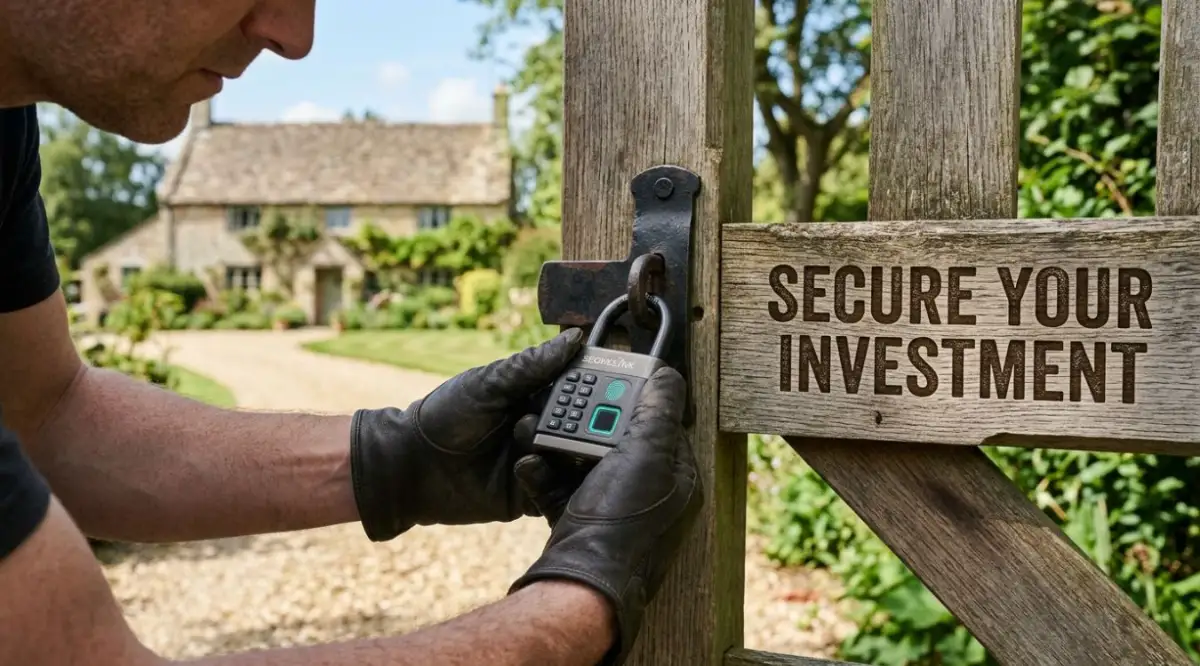
Quick Action Plan: What to Do Right Now
- Do not lock them out: Shutting off water or changing locks yourself is illegal and will get you sued.
- Identify the threat: Figure out if the police view them as a short-term trespasser or a long-term squatter.
- Try the buyout: Offering "cash for keys" hurts your pride, but it often saves you thousands in legal fees.
- Follow the paper trail: If negotiations fail, hire a process server immediately to hand them an official Notice to Quit.
Understanding Your Rights Without Breaking the Rules
When you are feeling frustrated and angry, your first instinct is usually to storm up to the front door and demand that the people leave immediately. You might even think about changing the locks while they are out or turning off the electricity and water supply. These actions are known as "self-help evictions," and they are strictly against the law in almost every jurisdiction.
If you take matters into your own hands by shutting off utilities, you can actually be sued by the unauthorized occupants. This is a very bitter pill to swallow when you are the rightful owner. However, the legal system requires you to follow specific formal procedures to protect the rights of everyone involved.
Think of the legal system like a very complex game of chess. You cannot just flip the board over when you are angry; you must move your pieces strategically and carefully. By following the correct legal rules, you build an airtight case that the courts cannot deny.
Squatting vs. Trespassing: Why the Difference Matters
Before you can take any formal legal action, you have to understand exactly who is inside your house. Not all unauthorized occupants fall under the same legal category. The difference between a trespasser and a squatter will completely dictate your next steps.
A trespasser is someone who has broken into your property without any legal right, permission, or claim to the home. They might have climbed through a broken window or forced a door open just to find a place to sleep for the night. In these specific cases, this is usually treated as a straightforward criminal matter.
On the other hand, a squatter is someone who has occupied the property openly and for a continuous period, sometimes even setting up utility accounts in their name. Squatters often claim they have a legal right to be there, perhaps through a fake lease they bought from a scammer online. When someone establishes a history of living there, the police will often declare it a "civil matter."
Quick Breakdown: Trespasser vs. Squatter
| Feature | The Trespasser | The Squatter |
| How they got in | Broke a window or forced a door | Walked in an unlocked door or used a fake lease |
| Time spent inside | A few hours or a couple of days | Weeks or months (openly living there) |
| Police Response | Can usually arrest them on the spot | Will tell you it is a "civil matter for the courts" |
| Utilities | Usually none | Might have set up power or water in their name |
Myth vs. Reality: The Police Will Just Kick Them Out
The Myth: You can just dial emergency services, show them your property deed, and they will physically drag the occupants out within an hour.
The Reality: If the occupants show the police any document resembling a lease, or if their belongings are fully moved in, the police cannot legally act as judges on the spot. They will tell you to go through the court system.
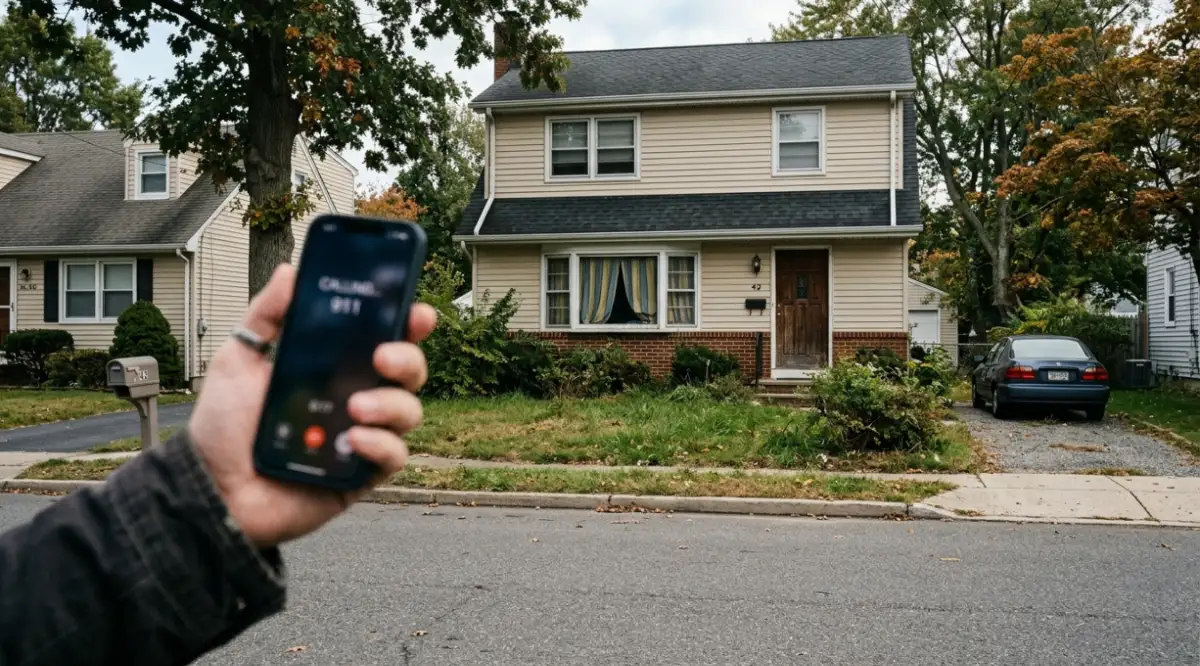
Documenting the Evidence Like a Detective
Before you ever make contact with the people inside your property, you need to start gathering hard evidence. Your very first step is to observe from a safe distance and document absolutely everything you can see. Take clear photos of the property exterior, noting any forced entry points like smashed windows or pried doors.
Keep a detailed written log of the dates and times you visit the property. Write down the license plate numbers of any strange vehicles parked in your driveway. This paper trail will be incredibly valuable when you eventually stand in front of a judge.
Never try to force your way inside to take pictures of the interior. Your physical safety is worth much more than a piece of real estate. Let the legal process handle the heavy lifting while you act as a smart, silent observer gathering facts.
Here is a massive mistake I made early on: I tried to argue with the people inside instead of just stepping back and taking notes. I quickly realized that yelling does not hold up in a courtroom, but time-stamped photos and a detailed notebook absolutely do. Keep your distance, stay quiet, and let your solid proof do all the talking.
I strongly recommend checking your local county property records to ensure all your ownership documents are fully updated and easily accessible. Print out your property deed, your most recent tax records, and any previous rental agreements if the property was recently leased out. Having a clean, organized folder of proof will make your lawyer's job much easier.
The Counterintuitive "Cash for Keys" Approach
Sometimes the fastest and cheapest way to get someone out of your house is to simply pay them to leave. I know this sounds incredibly unfair and completely backward. Why should you pay someone who is illegally sitting in a house that you worked so hard to buy?
The truth is, full legal proceedings can drag on for many months and cost thousands of dollars in attorney fees. A formal legal battle will also leave your property tied up and completely useless for a very long time. Offering the occupants a lump sum of cash to hand over the keys and walk away is often a brilliant business decision.
You approach them calmly and offer them enough money to rent a moving truck and secure a new place. You draft a simple agreement stating they will leave the property in broom-clean condition by a specific date and time. In exchange, you hand them the cash the moment they step off the property with all their belongings.
My Personal "Cash for Keys" Safety Rule:
Never hand over physical cash while they are still inside the house. Have a neutral witness with you, wait until their moving truck is fully packed, and make sure you test your brand-new locks on the doors before handing them the money. I always use a cashier's check instead of a stack of bills so there is a solid paper trail.
I learned a very tough lesson about this early on in my real estate journey. I let my ego get the best of me and absolutely refused to pay a single dime to a stubborn squatter. My stubbornness ended up costing me three times as much in legal fees and took six agonizing months to resolve, whereas a simple cash offer could have solved it in one weekend.
If you are feeling completely overwhelmed by all this legal talk, take a quick break and watch this short video below. It perfectly breaks down the exact steps you need to take right now, making the rest of this guide so much easier to follow!
Serving the Official Notice to Quit
If the cash offer fails, or if you simply refuse to negotiate with them, it is time to start the formal paperwork. You must serve them with a legally binding document often called a "Notice to Quit" or "Eviction Notice." This document officially informs them that their presence is unauthorized and they must vacate.
Every single local jurisdiction has very specific rules about how this notice must be written and delivered. You cannot just write a threatening letter on a napkin and tape it to the door. The notice usually requires specific legal language, the exact address, and a strict deadline for them to leave.
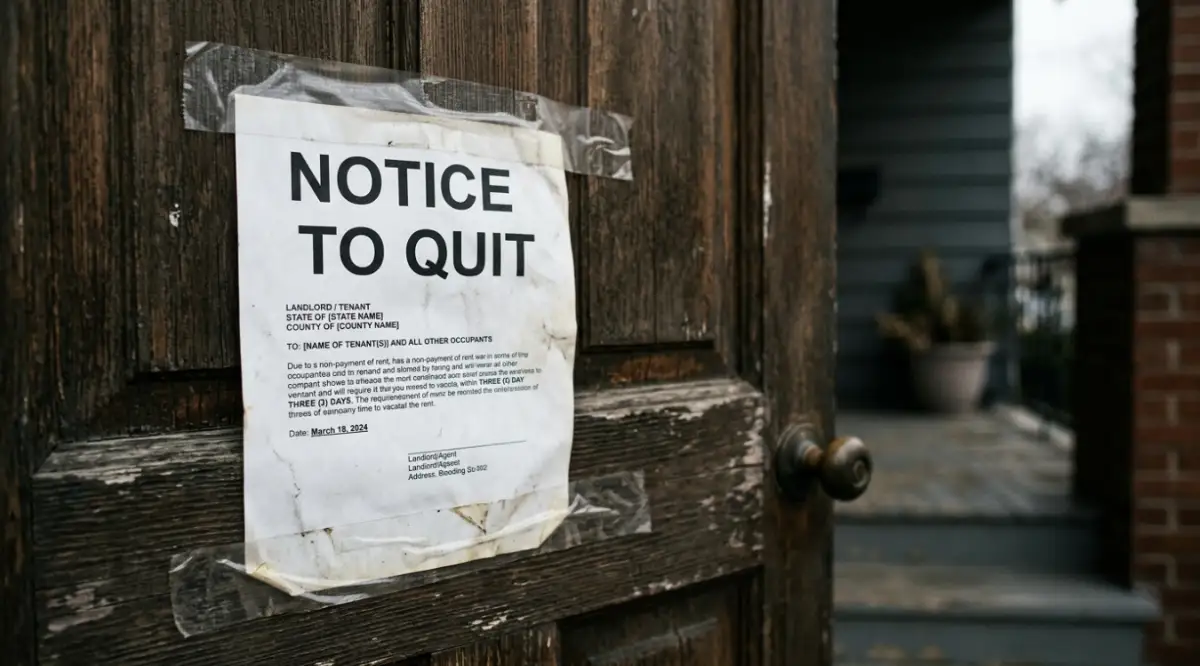
If you do not format this notice perfectly, a judge might throw your entire case out of court later on. This means you would have to start the whole agonizing process completely over from day one. Because the rules vary so wildly from city to city, hiring a local process server to deliver the notice is a very smart move.
A professional process server knows exactly how to hand over the documents legally and safely. They will then provide you with an official affidavit of service, proving to the court that the occupants were properly warned. This tiny investment in a professional server will save you massive headaches down the road.
Filing an Unlawful Detainer Lawsuit
When the deadline on the notice expires and the occupants are still sitting on your couch, you must take the next formal step. You will go down to your local courthouse and file a specific lawsuit, which is typically called an "Unlawful Detainer" action. This is the legal procedure specifically designed to return possession of the property to the rightful owner.
Filing this lawsuit officially gets the court system involved in your specific problem. The court will then issue a summons, which must be served to the unauthorized occupants just like the initial notice. This summons gives them a legally mandated time frame to formally respond to your lawsuit.
Many unauthorized occupants will simply ignore the court summons completely. If they fail to respond within the legal window, you can file for a default judgment in your favor. This means you win the case automatically because the other party did not bother to show up and fight.
However, if they do file a response, a hearing date will be set by the judge. This is where your organized folder of deeds, tax records, and communication logs will shine. You will present your clean, documented facts, while the unauthorized occupants will have to somehow prove they have a legal right to stay.
The Final Step: Working With the Sheriff
Once you win your court case, the judge will issue a document often called a "Writ of Possession." Do not make the mistake of thinking you can go enforce this court order yourself. Even with a judge's signature in your hand, you still cannot physically remove the occupants or their belongings.
You must take this official writ to your local sheriff's department. The sheriff is the only person legally authorized to perform the physical removal of unauthorized people from real estate. You will pay a small fee to the department, and they will schedule a specific date for the lockout.
The sheriff will usually go to the property a few days early and post a final warning on the door. When lockout day arrives, you will meet the armed deputies at the property along with a professional locksmith. The police will clear the entire house, ensure it is completely safe, and escort the people off the premises.
As soon as the house is cleared, your locksmith will immediately change every single lock on the exterior doors. You finally have your property back in your complete control. The heavy weight is finally lifted off your chest, and you can breathe easily again.
Hardening Your Property Against Future Intruders
Getting the property back is only half the battle; keeping it safe moving forward is equally important. Vacant properties are massive targets because they sit quiet and unmonitored for long stretches of time. You need to make your house look actively managed and highly secure from the outside.
First, invest in high-quality smart locks for every single entry point. A strong deadbolt with a digital keypad allows you to change access codes remotely without handing out physical keys. Next, install motion-sensor floodlights around the perimeter of the house to instantly expose anyone trying to hide in the dark.
I highly recommend placing a few affordable Wi-Fi security cameras pointing at the front door and driveway. Even if the house does not have active internet, many modern cameras operate on cellular networks. Getting an instant notification on your phone when someone steps onto your porch gives you incredible peace of mind.
Finally, maintain the exterior appearance of the home diligently. Hire a local teenager to mow the grass regularly and pick up any junk mail piled up on the porch. When a house looks loved, cared for, and frequently visited, unauthorized people will simply move on to an easier target down the street.
Smart Strategies to Outsmart Professional Property Invaders
Dealing with someone who illegally moves into your home is terrifying, especially when you realize they might know the legal system better than you do. There is an entirely hidden underworld of "professional squatters" who specifically target empty properties. These individuals study local housing ordinances and know exactly how to delay the court system for as long as possible.
To beat them at their own game, you have to think two steps ahead. One of the most effective strategies I have ever learned is building a strong neighborhood watch system around your investments. When a house sits completely empty, neighbors are your absolute best line of defense against unwanted visitors.
I always make it a priority to introduce myself to the people living directly next door to my empty houses. I will gladly hand them a twenty-dollar gift card to a local coffee shop and simply ask them to text me if they see any strange cars in the driveway. This small gesture creates a powerful early warning system that costs almost nothing.
Another incredibly powerful tactic is conducting highly visible routine inspections of the home. You do not need to go inside every single day, but simply walking around the exterior with a clipboard makes a massive psychological difference. Intruders actively look for homes that appear completely forgotten, so showing a strong physical presence often scares them away before they even try to break a window.
The Fake Lease Trick and How to Expose It
One of the most terrifying things that can happen is when the police arrive, and the unauthorized occupant calmly hands them a signed lease agreement. Your heart drops because you know for an absolute fact that you never signed anything with this person. Unfortunately, scammers frequently break into empty homes, change the locks, and "rent" the house out to unsuspecting families on Craigslist.
When a family actually believes they paid a legitimate deposit, the police will immediately classify the situation as a complex civil dispute. The police officers cannot verify the authenticity of a contract on the front porch, so they will tell you to handle it in court. This is exactly why you must always keep your authentic, notarized property documents perfectly organized and ready to show a judge.
If you want to understand how these housing scams operate so you can protect yourself, the Federal Trade Commission provides excellent guidelines on spotting rental fraud that every owner should read. Educating yourself on these specific scams helps you explain to the judge exactly how the intruder got inside.
Managing the Financial Bleed of Legal Battles
We have to be completely honest about the financial reality of removing someone from your property through the legal system. Hiring an attorney, paying court filing fees, and hiring a professional process server adds up incredibly fast. If the case drags on for several months, you might find your bank account draining much faster than you ever anticipated.
This unexpected financial strain is exactly why having a rock-solid safety net is so incredibly important for property owners. When you are pouring money into a lawsuit, you still have to pay the property taxes, the insurance, and possibly a mortgage. Learning how to create a realistic monthly budget and crush your debt becomes a lifesaver when an unexpected legal crisis hits your portfolio.
Some owners even find themselves needing extra cash just to cover the sudden attorney retainers. If you are ever forced to borrow money to save your investment property, you must be extremely careful about the interest rates you accept. It helps to understand the difference between fixed vs variable personal loans so you do not accidentally put yourself in an even worse financial position down the road.
Shielding Your Identity with an LLC
If you own an investment property under your personal name, anyone can look up your home address in the public county tax records. Professional scammers use this public information to create highly convincing fake lease documents by forging your specific signature. They can literally search your name, find your primary residence, and learn exactly who they are dealing with.
To protect your privacy, you should seriously consider transferring the title of your investment properties into a Limited Liability Company (LLC). When the property is owned by a business entity, your personal name is completely removed from the easily accessible public databases. This simple layer of corporate privacy makes it significantly harder for scammers to forge documents because they do not know the actual owner's name.
Traps That Can Cost You Your Property and Freedom
When you are emotionally exhausted and incredibly angry, it is extremely easy to make a split-second decision that destroys your entire case. The absolute biggest mistake you can ever make is attempting a "self-help eviction" out of pure frustration. As the rightful owner, you might think you have the absolute right to just change the deadbolts while the occupants are at the grocery store.
If you lock them out, turn off the winter heat, or shut off the running water, you are stepping completely outside the law. In many states, unauthorized occupants can actually turn around and sue you for thousands of dollars for conducting an illegal lockout. You can read more about the severe penalties of illegal evictions through the American Bar Association's resources on property disputes, which highlights just how much trouble owners can get into.
I know it feels completely backward that a trespasser could potentially win money from you, but the courts take proper legal procedure incredibly seriously. If a judge finds out you turned off the water supply, they will likely throw your eviction case straight in the trash. You will be forced to pay heavy fines and start the entire agonizing process over from the very beginning.
The Deadly Trap of the "Partial Payment"
Here is a very specific scenario that traps countless well-meaning property owners every single day. You confront the person living in your house, and they start crying, explaining they just fell on hard times. They hand you fifty dollars and promise to pay you the rest of the rent by next Friday.
Your empathy kicks in, and you accept that small amount of cash, thinking it is better than nothing at all. The exact second you accept a single dollar from an unauthorized occupant, you have just accidentally created a legally binding verbal lease. They are no longer considered a squatter or a trespasser; the law now views them as your official tenant.
Because they are now legally your tenant, you have to follow an entirely different, much longer eviction process designed for standard renters. All of the specialized legal forms you originally filed for unauthorized occupants are now completely useless. Never, under any circumstances, accept a single penny from someone unless it is part of a formalized, attorney-approved "cash for keys" exit agreement.
Letting Your Emotions Win the Battle
I have seen property owners completely lose their minds, marching up to the front door and getting into violent screaming matches with the occupants. This is not only incredibly dangerous for your physical safety, but it gives the occupants perfect ammunition against you. If they secretly record you screaming threats, they can easily file a police report and get a restraining order against you.
If they manage to get a restraining order, you cannot even go near your own property without facing immediate criminal arrest. You must treat this entire ordeal as a cold, calculated business transaction rather than a personal insult. Let your attorney, your process server, and the local sheriff do all the talking for you.
The stress of an ongoing property dispute can bleed into every other area of your life, causing massive anxiety and sleepless nights. It takes a huge toll on your personal relationships and your overall strategies for financial stability if you let the anger consume you. Stay completely calm, document every single interaction on paper, and let the slow wheels of the justice system do their job.
Ignoring the Clock on Adverse Possession
Another massive pitfall is assuming the problem will just somehow resolve itself if you ignore it long enough. Some owners think, "I will just wait until they eventually get bored and move out on their own." This is a dangerously naive approach because time is actually working strictly against you.
The law includes a very old concept known as "Adverse Possession," which literally allows a squatter to claim legal ownership of a home if they live there openly for a specific number of years. While the exact timeline varies heavily by location, you can learn more about how this legal loophole works by reviewing the Cornell Law School overview on adverse possession laws. If you never challenge their presence legally, they can eventually steal the title of your home completely legally.
This is why immediate action is so incredibly necessary. The very first day you discover someone on your property, the clock starts ticking loudly. Gather your photos, print your tax records, and file your official legal notices before they have time to establish a permanent footprint in your home.
Allowing Lawsuits to Destroy Your Financial Future
If an eviction goes terribly wrong, or if a squatter successfully sues you for an illegal lockout, the financial judgment against you can be absolutely devastating. A massive court judgment can trigger a chain reaction that ruins your financial reputation for many years. It can stop you from getting future mortgages, buying new cars, or securing business loans.
If you find yourself buried under the financial weight of a bad legal judgment, you will have to work incredibly hard to repair the damage. You will need to carefully study how to improve a low credit score before ever applying for another loan. This is exactly why following the strict legal pathway from day one is the ultimate way to protect your long-term wealth.
Reclaiming Your Peace and Protecting Your Future
Going through the process of removing an unauthorized person from your property is undeniably one of the most stressful experiences an owner can face. It tests your patience, drains your energy, and often makes you question why you ever invested in real estate in the first place. However, you are absolutely not powerless in this situation, and the law is ultimately designed to protect rightful ownership.
By avoiding the dangerous temptation of a self-help eviction and strictly following the proper court procedures, you guarantee your own success. Gathering solid evidence, utilizing the cash-for-keys method strategically, and relying on the local sheriff keeps you entirely safe from legal blowback. Remember that this painful situation is only temporary, and with the right legal steps, you will regain complete control over your home.
Once the house is finally cleared and the new locks are securely installed, the feeling of relief is absolutely incredible. Take those important proactive steps today to secure the property with smart technology and friendly neighbors so this nightmare never repeats itself.
I remember the exact moment the sheriff handed me back the brand-new keys to my property, and the heavy weight instantly vanished from my shoulders. My biggest lesson was realizing that acting with a calm, legal strategy always beats reacting with pure emotion. I know you have the strength to take your property back safely, so gather your documents and take that very first step today.
Honest Answers to Your Most Urgent Questions
Can I simply call the local police to arrest them for trespassing?
If the person just broke a window and climbed in an hour ago, the police can often arrest them for criminal trespassing right on the spot. However, if the occupants have already moved their furniture inside or show the police a fake lease, the officers will declare it a civil dispute. At that point, the police cannot force them out without a signed court order from a judge.
How long does the official removal process usually take?
The timeline is wildly unpredictable because it depends entirely on your local court's current backlog and how aggressively the occupants fight back. A simple cash-for-keys agreement can remove them in just a few days, which is amazing. Conversely, a fully contested court battle can easily drag on for several exhausting months before a sheriff finally steps in.
What should I do if they completely trash the house before leaving?
It is incredibly common for angry occupants to punch holes in the walls or steal the appliances right before the sheriff arrives. While you can technically sue them in small claims court for the property damage, these individuals usually have absolutely no money to pay you back. It is often much smarter to file a claim with your landlord insurance policy and simply focus on repairing the home.
Is it legally safe to change the locks if they leave for the weekend?
No, it is absolutely never safe or legal to change the locks while an unauthorized occupant is temporarily away from the home. Even if they go on a weekend vacation, they still maintain possession of the property under the eyes of the law. If you lock them out prematurely, they can call the police to help them break back in, and you will likely face heavy legal fines.
Looking back, reclaiming my house was one of the hardest things I ever did, but getting my peace of mind back was worth every single step. You are completely capable of beating this system and taking back what is rightfully yours. Take a deep breath, start following these legal steps today, and you will get through this nightmare stronger than before.
Disclaimer: The information provided in this article is for educational and informational purposes only and does not constitute official legal or financial advice. Real estate laws and eviction procedures vary significantly by city, county, and local jurisdiction. Always consult with a licensed real estate attorney or legal professional in your specific area before taking any formal action against unauthorized occupants.