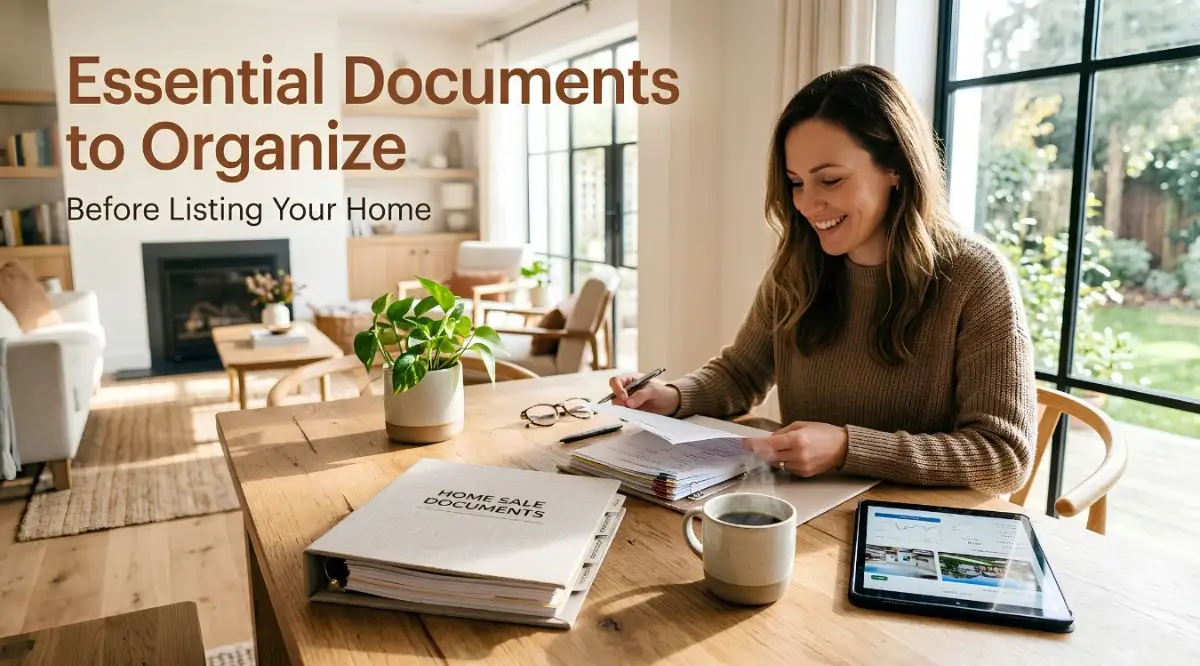
Why Selling My First Home Felt Like a Complete Nightmare
Selling a house is supposed to be all about staging living rooms, painting walls, and picking the perfect asking price. Nobody tells you about the paper avalanche waiting behind the scenes. Before my "For Sale" sign even hit the dirt, I found myself sitting on the floor, staring at a giant, messy pile of old receipts and tax forms, completely ready to give up. Let's fix that so you don't make the exact same mistake I did.
I remember staring at a massive mountain of faded papers on my dining table, feeling completely overwhelmed and entirely defeated. My real estate agent had just asked for my basic property records, and I had absolutely no idea where anything was.
I spent hours digging through dusty old shoeboxes, desperately looking for a kitchen renovation permit that I thought I had lost forever. My chest felt unusually tight, and my daily stress levels went entirely through the roof.
I just wanted to sell my house, pack up my things, and move on to the next chapter of my life. But the paperwork felt like a massive brick wall blocking my path to happiness. It made me realize how unprepared I actually was to list my residential property.
But instead, you are instantly hit with requests for deeds, tax records, utility bills, and compliance certificates. The sheer amount of paperwork required to legally transfer a property can easily destroy your mental peace.
Instead of spending your weekends relaxing or packing boxes, you are stuck calling local government offices trying to get duplicate copies of old documents. It is a completely draining experience that turns a happy milestone into a heavy burden.

What You Will Learn In 2 Minutes:
- Why finding your original deed early saves your entire closing date.
- How to build a physical "property binder" that makes buyers trust you instantly.
- The hidden paperwork traps (like unpermitted wood decks) that ruin deals.
- Which sensitive personal documents you should never show a buyer.
Breaking Down the Paperwork Madness
Selling a home does not have to be a miserable experience filled with endless document hunting. If you know exactly what buyers, agents, and lawyers expect to see, you can prepare everything well in advance.
Getting your files in order early gives you a massive advantage in the real estate market. An organized seller always looks more trustworthy to potential buyers.
When you can instantly hand over a neat binder answering every question about your home, buyers feel incredibly confident making a high offer. Let us look at the exact steps and specific files you need to gather right now.
The Ultimate Proof of Ownership (Your Property Deed)
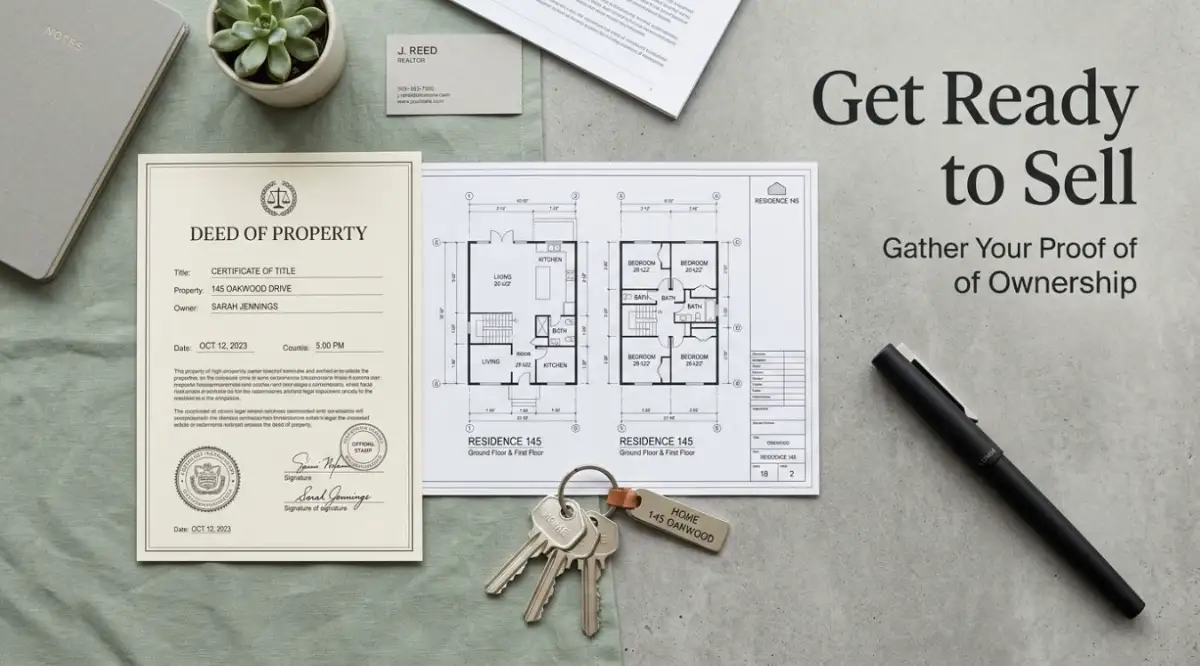
The absolute first thing you need to find is your original property deed. This is the single most important piece of paper you own because it legally proves that the house belongs to you.
Buyers and title companies will demand to see this before any serious negotiations begin. If you still have a mortgage, your lender might hold the original document, but you should always have a physical copy on hand.
If you cannot find your deed, do not panic just yet. You can easily request a certified copy from your local county recorder’s office for a small fee. Do this today, because waiting until the last minute can delay your entire closing process.
Property Tax Records: Show Me the Money
Every smart buyer wants to know exactly how much they will need to pay in local property taxes. They are factoring this recurring cost into their monthly budget before making an offer.
You need to pull together your most recent property tax statements to show them the exact numbers. Having the last two or three payment receipts proves that you are entirely up to date and there are no hidden liens on the property.
If you pay your property taxes through an escrow account with your mortgage, you can easily download these statements from your lender's online portal. Presenting clear tax records builds instant trust with the person buying your home.
Do you remember the day you originally bought this house? The massive stack of papers you signed that day contains a wealth of valuable information.
Your original purchase agreement shows the exact price you paid, the date you bought it, and any special disclosures the previous owner made. Real estate agents love reviewing this document because it helps them establish a solid baseline for your new listing price.
It also helps you remember any specific property lines, shared fences, or community rules you agreed to years ago. Digging this up might take a few minutes, but it provides a perfect historical snapshot of your property.
Here is a quick lesson I learned the hard way: never assume your agent or your bank will easily track down your old sale documents for you. I lost three days of precious market time because I thought my lender had a copy of my original purchase agreement, only to find out it was my job to provide it. Always keep a clear digital picture of your most important closing papers on your phone from the very day you buy a house.
Managing Homeowner’s Association (HOA) Rules
If your home is located inside a community governed by a Homeowner’s Association (HOA), you have an extra layer of paperwork to gather. Buyers are notoriously nervous about strict HOA rules, so you need to put their minds at ease early.
You must collect the latest community bylaws, neighborhood rules, and most importantly, the HOA financial statements. Buyers need to know if the community is financially healthy or if a massive special assessment fee is coming soon.
You should also include a clear record of your monthly or annual HOA fee payments. By providing this information upfront, you stop buyers from guessing and getting scared away by rumors.
Warranties, Manuals, and Appliance Records
Think about all the major upgrades and expensive appliances you have added to your home over the years. Your HVAC system, the new roof, the smart refrigerator, and the water heater all have massive value to a new buyer.
You need to gather every single warranty card, user manual, and professional installation receipt you can find. If something breaks down a week after the buyer moves in, an active warranty can save the deal from turning into a legal dispute.
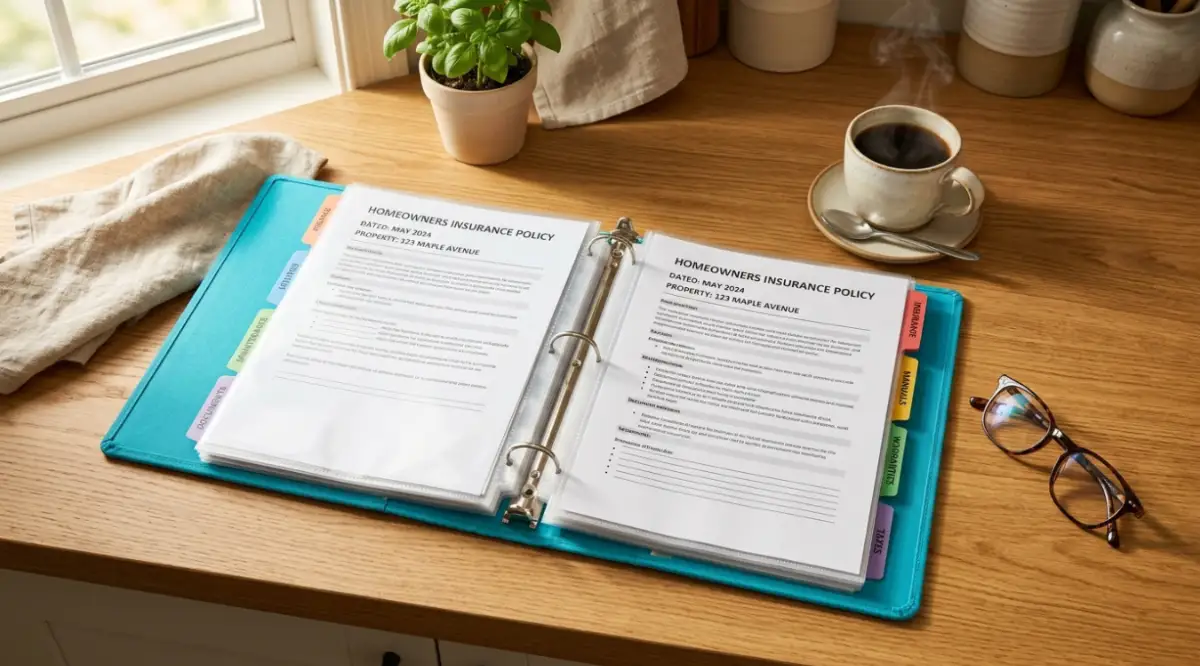
I strongly recommend buying a simple plastic binder with clear sleeves to hold all these small booklets. It makes you look like an incredibly responsible homeowner who took amazing care of the property.
My Personal Realization (Pro Tip):
I used to throw all my appliance receipts into a messy kitchen drawer, thinking I would never need them again. When it was time to sell, I realized my two-year-old roof still had a transferable warranty, but I could not find the contractor's invoice anywhere. I spent three days calling old numbers just to get a duplicate copy. Start a dedicated "House File" the very day you move into a home, and you will never face this headache.
Utility Bills: The Silent Deal Breaker
Many sellers completely forget about their monthly utility bills when preparing to list their home. But guess what? Buyers are extremely curious about how much it costs to keep the lights on and the house warm.
You should gather at least 12 months of bills for your electricity, water, gas, and trash collection services. This gives the potential buyer a highly accurate average of seasonal living costs.

If your home is highly energy-efficient because of new windows or solar panels, these bills become a powerful marketing tool. Showing a low summer electricity bill can actually justify a higher asking price for your home.
Architectural Floor Plans and Land Surveys
If you have the original builder’s floor plans or a recent professional land survey, treat them like absolute gold. A land survey clearly defines where your property actually ends and where your neighbor's yard begins.
This prevents nasty border disputes and shows buyers exactly how much space they are legally purchasing. Floor plans are incredibly helpful for buyers who want to visualize their furniture in your space before making an offer.
If you do not have these documents, you might want to hire a professional to draft a simple sketch of your home's layout. It makes your online listing look incredibly professional and attracts highly serious buyers.
Navigating Permits and Renovation Certificates
Did you finish the basement, add a wooden deck, or completely rewire the kitchen while living there? If you made major changes to the house, buyers will want to see the official city permits and certificates of compliance.
Unpermitted work is a massive red flag in the real estate world. It can cause a buyer's bank to deny their mortgage application entirely.
If you did the work legally, proudly display the approved permits in your documentation binder. It proves that your home is safe, up to code, and ready for a brand-new family to enjoy.
The Homeowners Insurance Claim History
Your insurance history tells a very detailed story about the overall health of your property. Buyers will often request a document called a CLUE (Comprehensive Loss Underwriting Exchange) report.
This report shows any major insurance claims made on the property over the last few years. If a massive storm damaged your roof and you used insurance money to fix it, this report will show it.
Being honest and upfront about past damages and how they were professionally repaired builds immense trust. Hiding past flood damage or fire repairs will only lead to cancelled contracts and massive legal trouble down the road.
Creating a Powerful Comparison: Organized vs Disorganized Sellers
Let us look at a very realistic comparison of how document preparation directly affects your home selling experience.
As you can clearly see, spending a single weekend organizing your paperwork completely transforms the entire transaction. You move from a position of weakness to a position of absolute strength.
Myth vs Reality: Real Estate Paperwork
Myth: The real estate agent will handle finding all the old property documents for me, so I do not need to worry about it.
Reality: Your agent is a marketing and negotiation expert, not your personal record keeper. While they can help you request certain public city records, they cannot magically find your appliance warranties, recent utility bills, or private HOA payment receipts. The legal responsibility of providing accurate home information always falls directly on the homeowner.
Structuring Your Physical Property Binder
Before you rush to the store to buy supplies, watch this quick video to see exactly how I set up my own property binder so you can do it right the first time. It will save you a ton of time, and the rest of this article below will show you exactly which documents you need to put inside it!
Now that you know exactly what documents you need, how should you actually present them? Never hand a buyer a stuffed grocery bag full of wrinkled envelopes.
Go to a local office supply store and purchase a high-quality, thick three-ring binder. Buy a pack of colorful divider tabs and a box of clear plastic sheet protectors.
Create specific sections for 'Legal & Ownership', 'Taxes & Utilities', 'HOA Rules', and 'Warranties & Repairs'. Slide every single document into a clear protector so they stay clean and perfectly readable during open houses.
Quick Tip: The "Buyer Safe" Binder Checklist
- Do Include: The last 12 months of utility bills, active appliance warranties, and your professional survey sketches.
- Do Not Include: Your original property deed, bank statements, or any old document showing your Social Security number.
Digitizing Your Documents for Maximum Safety
While a physical binder is amazing for open houses, you also need a secure digital backup. Physical papers can get spilled on, lost in a move, or accidentally thrown away during the cleaning process.
Take a few hours to scan every single document using a free scanner app on your smartphone. Save all these files as neat PDF documents and organize them into specific digital folders.
Upload this master folder to a secure cloud storage drive like Google Drive or Dropbox. When your agent asks for a copy of the deed, you can simply email them a secure link in less than five seconds.
The Psychological Impact on the Buyer
Buying a house is usually the most expensive purchase a normal person will ever make in their entire life. Because of the massive price tag, buyers are naturally terrified of making a huge mistake.
They are actively looking for reasons to walk away from your property. When they see missing documents, unpaid tax rumors, or a lack of permit history, their brain screams at them to run away.
However, when they walk into an open house and see a beautifully organized property binder on the kitchen counter, their anxiety melts away. They instantly assume that if you took such great care of your paperwork, you must have taken amazing care of the house itself.
What Happens if You Cannot Find Something?
It is completely normal to lose a piece of paper over the span of ten or fifteen years. If you absolutely cannot find a specific warranty or an old floor plan, just be honest about it.
Never try to forge a document or lie to a potential buyer about a permit you never actually pulled. Instead, offer alternatives, like providing the contact information for the plumbing company that did the original work.
Transparency is always your best friend when negotiating a high-value real estate deal. Buyers are usually willing to overlook a missing appliance manual if you are honest and highly organized with everything else.
Preparing for the Bank's Appraisal
Eventually, the buyer's bank will send a professional appraiser to your home to determine its exact market value. This person holds the entire deal in their hands.
If they appraise the house for less than the agreed price, the buyer's loan will fall through. Having your documentation binder ready for the appraiser is an incredible secret weapon.
You can politely hand them a list of every single major upgrade you have done, complete with contractor receipts and permit approvals. Showing them physical proof of your home's improvements can highly influence them to give you a higher final valuation.
Protecting Your Personal Privacy
While it is great to share utility costs and tax records, you must be careful about your personal identity. Before you place any document in the public viewing binder, take a thick black marker and cross out sensitive information.
Hide your social security numbers, private bank account numbers, and any personal family details. Buyers only need to see the relevant property data, not your entire private financial life.
If you are providing digital copies, use a simple PDF editor to black out these numbers securely. Protecting your identity is just as important as selling the property.
Getting the Family on Board
Organizing years of paperwork is rarely a one-person job. If you live with a spouse or adult children, you need to get them involved in the treasure hunt.
Sit down on a Saturday morning, make a large pot of coffee, and assign everyone a specific task. Have one person search the garage files, while another logs into online portals to download tax statements.
Working together makes the process significantly faster and prevents one person from feeling entirely overwhelmed by the burden. Celebrate with a nice dinner once the master binder is finally complete.
Avoiding the Last-Minute Rush
The absolute worst time to look for a missing property document is three days before your official closing date. The pressure at that point is unimaginable.
Lawyers are calling you, the moving truck is booked, and your buyer is threatening to delay the deal. You can completely avoid this nightmare by starting your organization process a full month before you even call a real estate agent.
Taking control of your paperwork early puts you in the driver's seat of the entire transaction. You get to dictate the pace, enjoy a smooth selling experience, and walk away with a highly profitable check in your hand.
Master-Level Organization Secrets for Home Sellers
Getting your basic files together is a great start, but you want to completely dominate the selling process. Real estate professionals love working with sellers who go above and beyond the normal expectations.
When you make the buyer's journey incredibly smooth, they are much less likely to ask for annoying price reductions. A perfectly prepared seller holds all the negotiation power in the room.
Let us look at some expert-level strategies that will make your property listing absolutely shine. These are the exact methods top-producing agents use to sell homes faster and for much higher profits.
Building a Secure Digital Property Vault
Creating a physical binder is amazing for open houses, but serious buyers will eventually want digital copies of your records. You do not want to be stuck scanning documents late at night when a buyer asks a sudden question.
Instead, build a secure digital vault using a trusted cloud storage service. Create highly specific folders named "Property Taxes", "Renovation Permits", and "Appliance Warranties".
You should also look into the official guidelines provided by the Department of Housing and Urban Development (HUD) to understand exactly what public records you are required to share. Keeping these files organized online means you can email a secure link to your real estate agent in less than ten seconds.
Just make sure you use a strong password and never upload documents showing your full social security number. Digital security is just as important as physical organization.
The Proactive Title Search Strategy
Most sellers simply wait for the buyer's bank to perform a legal title search on the property. This process checks for old debts, unknown liens, or legal claims against the house.
However, a smart seller runs a preliminary title search before the house even goes on the market. Discovering an old, unpaid contractor lien right before closing can completely destroy your sale.
By doing this early, you give yourself plenty of time to resolve any surprise legal issues in private. If you are already managing your personal finances during stressful transitions, the last thing you need is a massive legal bill delaying your home sale.
Creating the Ultimate "Buyer Cheat Sheet"
Imagine a potential buyer walking into your kitchen during an open house. They see a beautiful, laminated one-page document sitting right next to your master paperwork binder.
This is your "Buyer Cheat Sheet," and it is an absolute game-changer for generating fast offers. This single page highlights the most attractive financial facts about your home.
You can list your incredibly low average summer electricity bill, the exact age of the new roof, and the date the HVAC was last serviced. Highlighting these positive numbers proves that your home is highly energy-efficient and extremely cheap to maintain.
Pre-Sale Home Inspections: The Honest Approach
A secret strategy many highly successful sellers use is paying for their own home inspection before listing. This might sound like an unnecessary expense, but it provides massive peace of mind.
When you have an official inspection report ready in your binder, you eliminate the buyer's fear of the unknown. They can clearly see what minor issues exist and what major repairs you have already handled.
If the buyer needs to improve their credit score before applying for a home loan, a clean inspection report helps their bank approve the mortgage much faster. It simply shows everyone involved that you have absolutely nothing to hide.
The Worst Paperwork Traps That Destroy Home Sales
Even the most well-intentioned homeowners can easily fall into massive legal and financial traps. Real estate transactions are incredibly delicate, and a single missing piece of paper can bring everything to a grinding halt.
I have seen families pack up their entire house into moving trucks, only to have the deal cancelled on the very last day. You must understand what can go wrong so you can actively protect your family from these nightmares.
Let us walk through the most dangerous mistakes sellers make when preparing their home documents.
Hiding the Ugly Truth on Seller Disclosures
Every state has specific laws regarding what a seller must legally disclose to a new buyer. If your basement flooded three years ago, you must put that in writing.
Many sellers make the terrible mistake of hiding past damages because they think it will lower their asking price. Lying on a property disclosure is practically begging for a massive lawsuit.
If the new owner discovers old water damage or hidden mold behind a wall, they can sue you for thousands of dollars. The Consumer Financial Protection Bureau highly recommends being 100% transparent about your property’s history to avoid heavy legal consequences.
Quick Fact Check: Property Disclosures
- The Myth: Hiding a past roof leak gets you a better final offer.
- The Reality: Buyers usually do not care about past leaks at all, as long as you show them the plumber's repair invoice. Hiding it just gets you sued later. Honesty actually keeps the deal moving.
Honesty is always your safest bet. Buyers appreciate transparency much more than they appreciate a highly suspicious, perfectly clean history.
The Nightmare of Unpermitted Renovations
Did you hire a cheap contractor to build a beautiful wooden deck in your backyard? If they did not pull the proper city permits, you are in serious trouble.
When the buyer's appraiser checks the city records, they will immediately notice the unpermitted structure. The buyer's bank will then refuse to fund the mortgage until the city officially inspects and approves the deck.
Some sellers panic and start looking into the truth about unsecured borrowing just to pay for emergency contractor fixes. Always resolve unpermitted work with your local city council months before you list your property.
Ignoring the Power of the HOA
If you live in a community with a Homeowner’s Association, they hold a massive amount of power over your home sale. Many sellers forget to order the official HOA resale package until the very last minute.
These massive document packages contain the community's financial health records and any pending legal issues against the neighborhood. If the HOA board is slow to respond, your closing date will absolutely get pushed back.
Order these documents the very first day you decide to sell your home. Delays caused by an unresponsive HOA board are one of the top reasons buyers completely lose patience and walk away from a deal.
Failing to Understand the Buyer’s Timeline
Selling a house is a two-way street, and the buyer is relying entirely on your speed. Their mortgage interest rate lock usually has a very strict expiration date.
If you delay handing over your property tax records or clear deed information, their loan approval process pauses. If you want to know exactly how a debt-to-income ratio affects mortgage approval, understand that the bank needs every single variable confirmed quickly.
If your delays cause the buyer to lose their low interest rate, they might not be able to afford your home anymore. Keep your paperwork perfectly organized so their banking team can work as fast as possible.
Your Action Plan for a Profitable House Sale
You have now learned the exact strategies to turn a highly stressful paperwork nightmare into a massive competitive advantage. Gathering these documents is no longer a scary chore; it is your secret weapon for success.
By having your property deeds, tax records, utility bills, and warranties perfectly organized, you instantly become a highly trustworthy seller. Buyers will feel safe, agents will love showing your home, and banks will process the paperwork with lightning speed.
Some homeowners even use a bridge loan or look into fixed vs variable personal loans to cover moving costs while waiting for their home to officially close. When your documents are in order, you can make these future financial plans with absolute confidence.
You are completely in control of this process. Grab a fresh cup of coffee this weekend, buy a solid binder, and start building your property vault step by step.
I personally know how terrifying it feels to stare at a messy pile of house papers, wondering where to even begin. But the moment I finally slid that last document into my clean, organized binder, a massive weight completely lifted off my shoulders. You absolutely have the power to protect your peace of mind, impress your buyers, and sell your beautiful home on your own terms.
Top Questions Home Sellers Ask About Paperwork
Do I need the original physical copies of every document?
While having the original ink-signed documents is great, high-quality digital or physical copies are usually perfectly fine for most things. However, official records like a notarized property deed should always be requested as a certified copy from your local county clerk.
How long does it take to replace a lost property deed?
If you live near your county recorder’s office, you can often walk in and get a certified copy on the exact same day. If you request it online or through the mail, it might take a few weeks, which is why you must do this very early in the process.
Should I share my personal budgeting documents with the buyer?
Absolutely not. Buyers only need to see the public utility costs and local property tax amounts. They do not need to know your private financial habits or how you create a realistic monthly budget for your family.
What if I lost all my remodeling receipts from years ago?
Do not panic. You can still provide the names and phone numbers of the contracting companies who did the work. Also, checking out the National Association of Realtors seller timeline can help you understand how to write a simple, honest disclosure statement about past work.
Will my real estate agent organize these files for me?
Your agent will absolutely help you understand what forms are legally required, but they cannot magically dig through your basement to find old appliance manuals. Gathering the personal property history and utility bills is entirely your responsibility.
Looking back, taking that one weekend to finally organize my house files was the best decision I ever made, and it actually helped me get a much higher offer from a very confident buyer. You do not have to let a pile of messy papers ruin your exciting move to a new home. Grab a simple binder today, take a deep breath, and start sorting—you will feel amazing once it is done!
Disclaimer: The information provided in this blog post is for educational and informational purposes only and does not constitute legal, financial, or real estate advice. Real estate laws and document requirements vary significantly by location. Always consult with a licensed real estate attorney, professional agent, or financial advisor before making any major decisions regarding the sale of your residential property.