
The Heartbreak of an Unsold Home in a Perfect Location
You have scrubbed the floors, baked the fresh cookies, and priced it right—or so you thought. Your house is sitting in the absolute best neighborhood in town, but all you hear are crickets. Let us be honest, watching every other house on your street get a "Sold" sign while yours gathers dust is flat-out frustrating. I've been in those exact shoes, asking myself what went wrong. Today, I am going to show you exactly why buyers are walking away from your great location and how you can fix it fast without losing your mind.
You start doubting your own property and wondering if there is something secretly wrong with the place you call home. The initial excitement of moving to a new place quickly turns into a heavy, dark cloud of anxiety and frustration. Families trying to relocate for work or better opportunities suddenly get stuck in a horrible waiting game. They are completely unable to plan their future or move on with their lives.
Quick Takeaways for Selling Fast:
- Drop the Ego: Price your home based on hard neighborhood data, not your emotional attachment.
- Clear the Clutter: Empty space sells. Remove at least 30% of your personal items before the first showing.
- Update the Small Things: Change out old door handles and light fixtures to instantly make the home feel modern.
- Nail the First Impression: Power wash your driveway and freshen up your curb appeal so buyers are excited before they even step inside.
Uncovering the Real Reasons Buyers Walk Away Empty-Handed
When you have a home in a fantastic location, you naturally expect a bidding war to happen on day one. But the reality of real estate is much more complicated than simply relying on a good zip code. You need to understand exactly what is going on inside the minds of modern buyers. Let us look at the practical, undeniable reasons why your property is being ignored and how you can fix it right now.
The Hidden Danger of Emotional Pricing
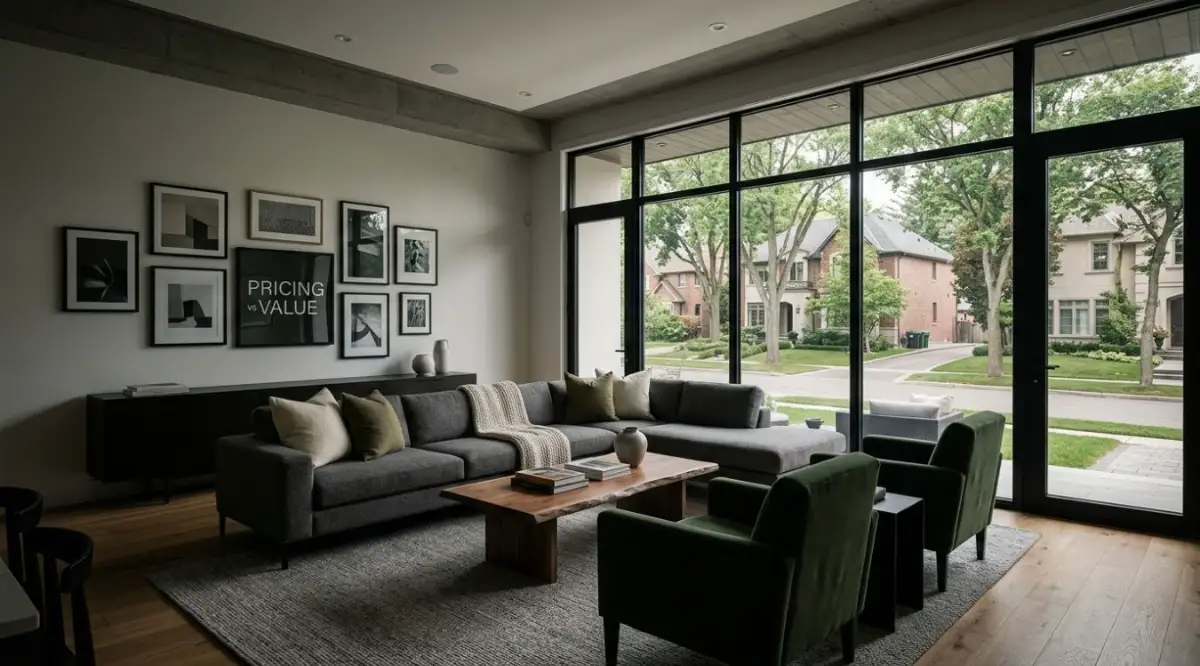
One of the biggest traps we fall into is letting our emotions dictate the asking price. You look at your home and see the expensive memories, the backyard renovations, and the late-night DIY projects. But a potential buyer walks in and only sees a financial transaction that needs to fit into their strict budget. If your price is even slightly higher than the recent sales in your neighborhood, buyers will simply skip your listing online.
Pricing: Myth vs. Fact
- The Myth: Buyers will happily pay extra because my house is in a top-rated school district.
- The Fact: Buyers already expect to pay the neighborhood average for that school district. If you price your home even 5% above the recent local sales, their real estate agent will likely tell them to skip it entirely.
I learned this the hard way when I priced my own home based on the sweet memories we made there, rather than looking at actual market data. My biggest mistake was assuming buyers would happily pay extra for my custom paint choices and expensive garden lights. Always let recent neighborhood sales dictate your starting price, instead of relying on your deep emotional attachment.
Buyers today are incredibly smart and have access to massive amounts of data right on their smartphones. They know exactly what the house down the street sold for last month. If your home does not match the exact value of the current market, your premium location will not save you.
When Your Curb Appeal Sets the Wrong Expectation
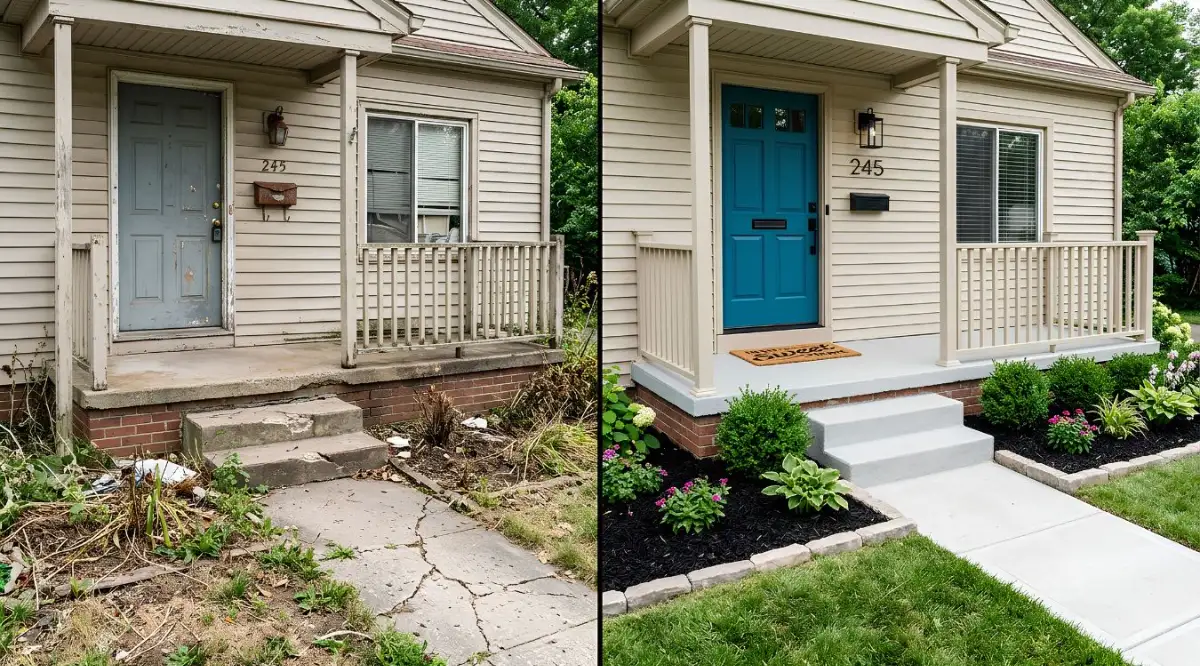
A highly desirable neighborhood sets a very specific expectation in the mind of a buyer before they even park their car. If the surrounding homes feature perfectly manicured lawns and fresh paint, your house must match that exact standard. Faded front doors, cracked driveways, or messy garden beds instantly signal to the buyer that the home has been neglected.
First impressions are formed within the first seven seconds of a buyer looking at your property. If they see peeling paint on the porch, they will automatically assume the plumbing and electrical systems are also failing. You must invest time in simple exterior updates like fresh mulch, a clean welcome mat, and power-washing the driveway. These tiny details create a massive psychological shift in how much a buyer is willing to pay.
Decoding the Modern Homebuyer's Mindset
To truly understand why your house is sitting empty, we need to look at how buyers process information. Many sellers assume that a great neighborhood will blind a buyer to small imperfections inside the house. This is a massive mistake. Here is a simple look at how differently sellers and buyers view the exact same property.
This stark difference in perspective is exactly why offers are not coming in. You have to physically step outside of your role as the homeowner and become a harsh critic of your own space.
The Scent and Clutter Blindness Trap
We all suffer from something called "nose blindness" when it comes to our own living spaces. You might not smell the lingering scent of your beloved golden retriever, but a prospective buyer will notice it instantly. Smells are deeply tied to human emotions, and a bad odor is the fastest way to kill a potential real estate deal.
The same rule applies to visual clutter in your living room and kitchen countertops. When every surface is covered with family photos, small appliances, and daily mail, the home feels extremely small. Buyers need empty space to mentally place their own furniture and imagine their own family living there.
You must aggressively declutter every single room, removing at least thirty percent of your belongings. Rent a temporary storage unit if you have to, because empty space sells much faster than a beautiful collection of personal items. Fresh, clean air and clear countertops create a feeling of luxury and possibility.
My biggest personal mistake was leaving my favorite collection of vintage coffee mugs on the kitchen counter because I thought it made the space look warm and homey. I finally realized that buyers did not care about my cute style; they just wanted to see empty, usable counter space. Once I packed away all my personal decorations, we got an amazing offer in just four days.

Outdated Fixtures in a Premium Zip Code
Location is important, but buyers paying top dollar expect the interior to reflect the premium price tag. If your neighborhood is highly sought-after, buyers are likely walking in with very high expectations for the kitchen and bathrooms. Outdated brass doorknobs, old yellow light fixtures, and scratched kitchen cabinets will completely ruin the experience.
You do not necessarily need to do a massive, expensive kitchen renovation before selling. However, swapping out old cabinet hardware for modern matte black or brushed nickel handles can completely transform the room. Updating your light fixtures to modern, bright options instantly makes the entire house feel newer and more expensive.
Buyers often overestimate how much these small updates cost to fix themselves. When they see old fixtures, they mentally subtract thousands of dollars from their potential offer. By fixing these tiny details yourself, you protect your asking price and keep the buyer focused on the amazing location.
Quick Fixes That Actually Pay You Back
Not all updates are worth your money, but some offer massive returns. Here is what I always tell sellers to focus on:
- Fresh Neutral Paint: Costs around $200 for DIY supplies, but often adds $1,500+ to your final offer.
- Updated Cabinet Hardware: Swapping old brass for modern black handles costs maybe $50, but tricks the buyer into thinking the whole kitchen is newer.
- Deep Cleaning & Decluttering: Costs $0, but speeds up your sale time by nearly 30%.
Shattering the Biggest Real Estate Myths
There is a lot of terrible advice out there about selling homes, especially in good neighborhoods. One of the biggest myths is the idea that "the house will simply sell itself" just because it sits in a good school district. While a good school district guarantees you will get foot traffic, it absolutely does not guarantee a profitable offer.
Another dangerous myth is believing that offering a "carpet allowance" or "repair credit" is better than actually doing the work. Modern buyers are extremely busy with their jobs and families. They do not want to spend their first month in a new home managing contractors and picking out flooring. They want a home that is entirely move-in ready from day one.
If you leave obvious repairs for the buyer to handle, you will only attract investors looking for a massive discount. Regular families will walk away and buy the slightly smaller house down the street that is already fully updated. Doing the hard work upfront is the only way to secure a top-tier offer.
Why Your Online Listing Might Be Sabotaging You
In today's digital world, your first open house does not happen on a Sunday afternoon. It happens on a glowing smartphone screen on a Tuesday night. Over ninety percent of buyers will judge your home based strictly on the photos they see online. If your listing features dark, blurry, or crooked photos, buyers will simply scroll past it.
Many sellers try to save money by letting their agent snap a few quick pictures with a cell phone. This is a catastrophic mistake when you are trying to sell a high-value asset in a nice neighborhood. You absolutely must demand professional real estate photography that includes wide-angle shots and perfect lighting.
Your online listing description also plays a massive role in whether someone books a showing. The text should highlight the incredible neighborhood features like nearby parks, walking trails, and community events. It should tell a compelling story about the amazing lifestyle the new buyer will enjoy if they purchase your home.
Are You Making It Too Hard to View Your Home?
Sometimes the reason a house is not selling has nothing to do with the price or the paint colors. Sometimes, it is simply because the seller is making it incredibly difficult for buyers to actually get inside. If you require a strict 24-hour notice before a showing, you are missing out on highly motivated, last-minute buyers.
Real estate agents frequently group their showings together by location on weekends. If your home is restricted to only certain hours, the agent will just skip your house and show their client another property. You have to make your home as accessible as humanly possible, even if it disrupts your personal schedule.
Using a secure lockbox on your front door is an absolute necessity in a competitive market. When an agent calls with a qualified buyer who wants to see the home in an hour, your answer must always be yes. The temporary inconvenience of leaving your home at a moment's notice is totally worth it when you finally secure that perfect offer.
Expert-Level Strategies to Force a Bidding War
Having a beautiful property in a highly desired area gives you a massive advantage, but you have to know how to play the game correctly. The real secret to selling a stubborn property is shifting your entire focus from the actual house to the emotional experience of the buyer. You want them to walk through the front door and instantly feel like they belong there.
To achieve this, you need to understand the psychology of modern real estate pricing. If your home has been sitting untouched for weeks, your current price is likely acting as an invisible wall. You have to strategically adjust your numbers to fall into popular online search brackets.
For example, if you are listed at $505,000, you are completely missing out on all the buyers who set their maximum search filter to $500,000. By simply dropping the price a tiny fraction to $499,900, you suddenly appear in hundreds of new daily email alerts. This small adjustment brings fresh eyes to your amazing neighborhood location.
The Art of Psychological Staging and Lighting
Most sellers think a clean house is a staged house, but those are two completely different things. Cleaning simply removes the dirt, while professional staging actually dictates how a buyer feels in the room. You have to intentionally arrange your furniture to make every single room look as large and bright as possible.
You should immediately remove large, bulky armchairs or oversized dining tables that block natural walking paths. When buyers have to squeeze past a heavy sofa, their brain automatically registers the house as small and cramped. Open up the traffic flow so people can easily walk through the space without bumping into anything.
If you are struggling to figure out how to arrange your furniture, watch this quick video to see the exact staging secrets that make buyers fall in love instantly. It will show you how to make any room look absolutely massive and expensive in just a few short minutes!
Lighting is another massive secret weapon that most homeowners completely ignore during showings. Before anyone arrives, you must open every single blind and turn on every single lamp in the house. According to the National Association of Realtors data on home staging, homes that maximize natural light and proper staging sell noticeably faster. Dark corners make a house feel sad and neglected, while bright, warm light makes it feel expensive and welcoming.
Marketing the Lifestyle, Not Just the Walls
Your house is just a structure of wood and bricks, but the neighborhood is a complete lifestyle. You need to sell the dream of what it is actually like to live on your specific street. Create a beautiful, printed "Neighborhood Guide" and leave it right on the kitchen counter for potential buyers to take home.
In this guide, list out the best local coffee shops, the walking distance to the nearby parks, and the incredibly friendly community events. When you do this, you help the buyer imagine their new weekend routine. They stop looking at the age of your water heater and start daydreaming about Sunday morning walks to the local bakery.
My personal pro-tip for you is to write a short, honest "Seller’s Letter" and leave it out during showings. I did this when selling my previous home, simply writing down how much we loved raising our family on that quiet street. This tiny, personal touch instantly created an emotional connection with the buyers, and we received a solid offer the very next day.
How to Maintain the Pristine Illusion Long-Term
Keeping your home in perfect showing condition while actively living in it is incredibly stressful. You cannot afford to spend two hours cleaning every time your agent calls with a last-minute viewing request. You need a fast, repeatable system to get the house ready in fifteen minutes or less.
Buy three large, attractive laundry baskets and keep them hidden in a central closet. Whenever an agent calls for a showing, run through the house and throw every stray toy, mail pile, and laptop into those baskets. Put the baskets in the trunk of your car when you leave the house, instantly removing all the daily clutter.
It is also incredibly helpful to create a realistic monthly budget specifically for the home-selling process. You will need extra funds for eating out frequently when you cannot mess up the kitchen, or paying for temporary storage units. Having this financial buffer keeps you calm and prevents you from making desperate selling decisions.

The Heartbreaking Pitfalls of Stubborn Sellers
Selling a home is a deeply emotional process, and those emotions often lead to catastrophic financial mistakes. The biggest trap you can fall into is taking a low offer personally instead of viewing it as a simple business negotiation. When a buyer submits an offer that is lower than you expected, they are not insulting your family or your taste in decor.
They are simply trying to get the best deal possible for their own financial future. Many sellers get highly offended and outright reject the offer without even trying to negotiate a middle ground. Because of this stubborn pride, the house ends up sitting on the market for another three months.
Eventually, the listing becomes stale, and the seller is forced to accept an even lower offer than the one they initially rejected. You have to remove your ego from the transaction entirely. Always counter-offer, even if the initial bid seems unreasonably low, because you never know how much the buyer is actually willing to stretch.
The Danger of the Neighborhood Price Ceiling
Every single neighborhood has a maximum price cap, no matter how amazing the location is. This is heavily documented by groups like the Appraisal Institute guidelines on neighborhood values, which show that over-improving a property rarely yields a full return. If the nicest, largest home on your street sold for $600,000, you will heavily struggle to sell your house for $700,000.
Sellers often make the massive mistake of adding luxury features to a mid-tier home, expecting buyers to cover the cost. You might have installed imported Italian marble countertops, but if the neighborhood standard is basic granite, buyers will not pay the premium. They will simply take their high budget to a more expensive zip code instead.
If you price your home above the neighborhood ceiling, it will fail to appraise properly when the buyer applies for their loan. If the bank refuses to fund the mortgage because your price is artificially high, the entire deal will collapse at the last minute. This wastes weeks of your time and forces you to start the whole stressful process over again.
Refusing to Adjust Course After Bad Feedback
When dozens of people walk through your stunning neighborhood home but nobody writes an offer, the market is speaking directly to you. Your real estate agent should be collecting honest feedback from every single buyer who visits the property. If multiple people mention that the master bedroom smells like smoke or the backyard feels too noisy, you have a massive problem.
Ignoring consistent negative feedback is one of the worst things you can do as a seller. Sometimes it is an easy fix, like putting away personal items, but other times it requires actual effort. If buyers are constantly worried about the age of your roof, you might need to offer a pre-paid home warranty to calm their nerves.
You also need to understand how fixed vs variable personal loans affect the people trying to buy your home. When interest rates jump up suddenly, buyers lose their purchasing power overnight. If the economy shifts while your house is listed, you have to be willing to adjust your price to match the new reality of buyer affordability.
Hiding Flaws and Destroying Buyer Trust
There is a massive difference between making cosmetic updates and actively hiding serious structural issues. Trying to paint over a giant water stain on the ceiling without actually fixing the leaking roof is a recipe for disaster. Modern home inspectors are incredibly thorough, and they will absolutely find the hidden damage before closing.
When a buyer discovers that you purposely covered up a major defect, all trust is immediately broken. They will suddenly wonder what else you are lying about, and they will likely back out of the contract entirely. The Consumer Financial Protection Bureau strictly outlines how transparency protects both buyers and sellers during these massive financial transfers.
It is always better to be completely upfront about the flaws in your home. You can either fix the issue properly before listing, or disclose it and price the home accordingly. Honesty builds immediate trust with potential buyers, making the entire negotiation process much smoother and faster.
Your Master Action Plan for a Quick Sale
We have covered exactly why beautiful homes in perfect locations sometimes struggle to attract the right buyers. The good news is that you now have complete control over the narrative and the presentation of your property. You are no longer sitting in the dark wondering why your phone isn't ringing with exciting offers.
It is time to look at your house through the highly critical eyes of a stranger. Walk out to your front curb right now and look at the exterior of your property with brutal honesty. Is it truly inviting, or does it look slightly tired compared to the neighbors?
You might realize that your ideal buyer is actively trying to improve a low credit score before applying for a home loan. This means they are already stressed about money and looking for a house that does not require massive immediate repairs. By presenting a clean, updated, and fairly priced home, you become the exact answer to their daily prayers.
Take a deep breath and commit to making the necessary changes this weekend. Pack up those extra family photos, apply a fresh coat of neutral paint to the living room, and adjust your price if the market demands it. Also, keep in mind how a debt-to-income ratio affect your mortgage approval chances, because your future buyers are dealing with these exact same strict bank rules.
I know exactly how exhausting and draining the home-selling process can be, especially when things do not go as planned. But my own frustrating experience taught me that small, strategic changes truly have the power to turn everything around overnight. Stay incredibly positive, trust the realistic market data, and get ready to finally pack your boxes for your next great adventure!
Smart Buyer Queries You Need to Know
How long should I let my house sit on the market before lowering the price?
If your home has been actively listed for three to four weeks without a single solid offer, it is time to seriously discuss a price reduction. In a highly active market, even two weeks of zero offers means your price is likely scaring people away. It is better to make one meaningful price drop early rather than tiny, desperate cuts over several months.
Does a completely empty house sell faster than a furnished one?
Empty houses actually take longer to sell because they feel cold and lack emotional warmth. Without furniture, buyers completely lose their sense of scale and often think rooms are much smaller than they really are. Light, modern staging helps people mentally map out where their own family will sleep, eat, and relax.
Why are buyers viewing my house but completely ignoring it afterward?
If you are getting a lot of foot traffic but zero offers, your location and photos are great, but the physical reality of the house is failing. The price is likely too high for the actual condition of the interior. Buyers are walking in expecting luxury based on the price, but walking out disappointed by old fixtures or strange smells.
Should I just take my house off the market and try again later?
Taking your home off the market to rest is a great strategy if your listing has become stale and ignored. By waiting thirty to sixty days, you reset the "days on market" counter on most real estate websites. This gives you valuable time to paint, declutter, and re-launch the home as a brand new, exciting property.
Will offering a repair allowance help my house sell faster?
Most everyday buyers absolutely hate the idea of managing messy home repairs immediately after moving in. A repair allowance only attracts aggressive investors who will try to negotiate your price down even further. It is almost always more profitable to just complete the basic repairs yourself before listing the property online.
Selling my own stubborn house felt impossible at first, but taking these exact small steps completely changed my life. You have the power to turn your stressful situation around right now by picking just one room to declutter and brighten up today. Trust me, the right buyer is out there waiting for you, so take a deep breath and start making those easy changes!
Disclaimer: This article is for informational and educational purposes only and does not constitute official financial, legal, or real estate advice. Real estate markets vary heavily by location and economic conditions. Always consult with a licensed real estate agent or certified financial advisor before making any major property decisions or signing legal contracts.