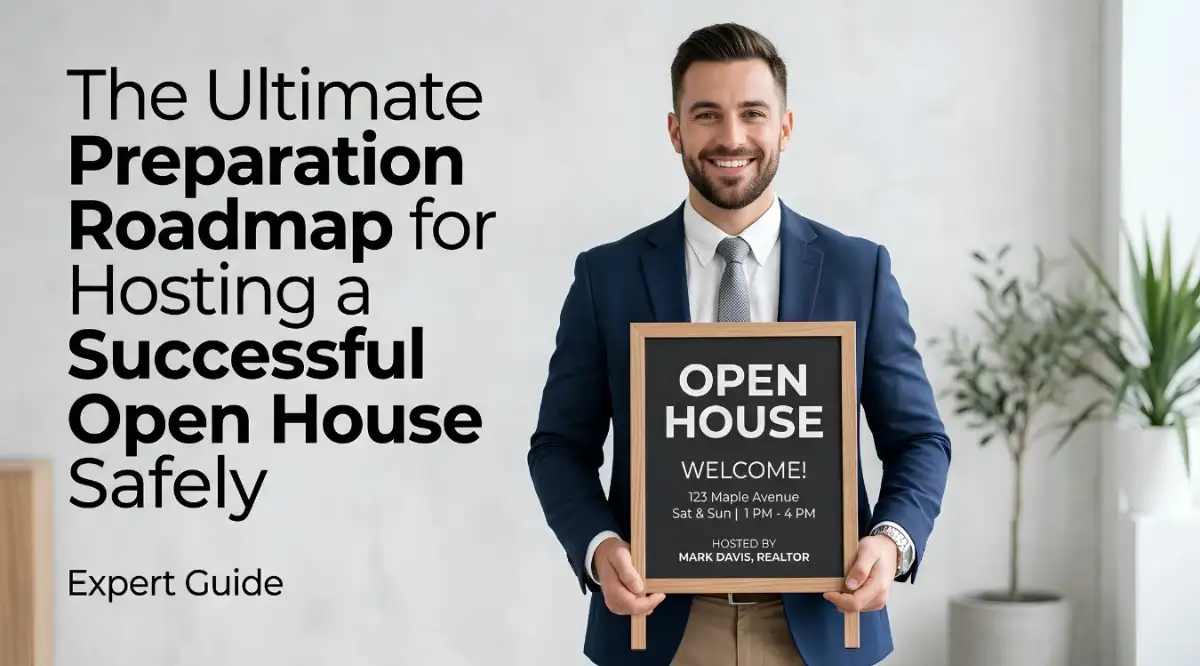
The Stress-Free Guide to Hosting a Safe and Successful Open House
Putting a "For Sale" sign in your yard feels exciting until you realize total strangers will be walking through your bedroom. I used to hide in my car during weekend showings, sweating over whether someone was poking through my personal stuff. Let's skip that anxiety altogether. Over time, I figured out a super simple routine to keep my home totally safe while getting it sold, and I will walk you through exactly how I do it.
Selling a house is already one of the most stressful experiences a person can go through. But when you add the layer of inviting the general public inside, it becomes a nightmare for many families.
People find themselves snapping at their spouses because they are constantly on edge about keeping the house perfectly clean and secure. You start viewing every potential buyer not as an opportunity, but as a potential threat to your family's safety.
I have seen homeowners pack up half their lives in boxes just to feel a tiny sense of security. They lose sleep, their appetite disappears, and their home no longer feels like a safe sanctuary.
This constant state of high alert completely drains your mental energy. It turns what should be a straightforward business transaction into a deeply emotional and exhausting struggle.
Quick Takeaways for a Stress-Free Showing
- Pack up all mail, calendars, and prescription meds before anyone walks in.
- Make everyone sign in at the door—no exceptions.
- Lock small valuables and electronics in your car trunk or a home safe.
- Always do a quick sweep of your locks and windows the minute the event is over.
Rethinking How We Open Our Doors to the Public
To truly fix this overwhelming anxiety, we need to completely change how we think about property showings. Many sellers assume they just need to bake some cookies, put out a welcome mat, and let people wander around freely.
This old-school mindset is exactly what puts your physical safety and mental peace at risk. A successful property showing is actually a highly orchestrated event. It requires strategy, clear boundaries, and a solid plan to manage the flow of strangers in your most private space.
You are not just hosting a party; you are running a business transaction in a controlled environment. Once you shift your mindset from "friendly host" to "organized manager," everything begins to feel much easier.
Let's explore the exact steps and scientific methods to secure your space without making buyers feel unwelcome.
Myth vs. Fact: Open House Security
- Myth: Baking cookies and playing soft music is all you need to prep your house.
- Fact: A safe showing requires a solid game plan, like hiding private documents and managing foot traffic.
- Myth: You must stay home to keep an eye on things.
- Fact: Buyers hate when the owner is hovering. Leave the house, but put a trusted friend or agent in charge of watching the door.
The Invisible Threat: Securing Your Digital and Personal Identity
Before anyone even steps foot on your driveway, you must perform a thorough sweep of your home. Most sellers only think about hiding expensive jewelry or cash. But identity theft is actually the biggest risk during an open house event.
Think about your daily routines and where you drop things when you walk inside. Do you have a pile of mail on the kitchen counter? That mail contains your name, bank details, and personal habits.
Always gather every single piece of mail and lock it away. Do not just throw it in a drawer, because nosey visitors will absolutely open your drawers. Put it in a locked filing cabinet or take it with you in your car.
Next, look at your home office or family command center. Do you have a sticky note with your Wi-Fi password or computer login taped to the monitor? Remove it immediately.
Family calendars are another huge security risk. They tell strangers exactly when your house will be empty, when your kids are at soccer practice, and when you are away on vacation. Wipe your whiteboards clean and pack away all paper calendars.
The Medicine Cabinet Rule
One of the most heavily targeted areas during a home showing is actually the bathroom. Prescription drugs are highly sought after by people who use open houses for the wrong reasons.
Never leave medications in your bathroom cabinets or on your nightstands. Gather all prescription bottles, over-the-counter pills, and even expensive perfumes. Pack them safely in a bag and take them with you when you leave the house for the showing.
This simple step eliminates a massive target on your back. It gives you incredible peace of mind knowing your family's health information and medications are safe.
Physical Safety and Accident Prevention
Now that your identity and valuables are safe, we need to focus on liability. If a visitor trips, falls, and breaks an ankle in your home, you could face a massive lawsuit.
Walk through your house pretending you are a distracted buyer looking up at the ceilings. Are there any loose rugs in the hallway? Tape them down securely or roll them up and put them away.
Check for extension cords running across walking paths. In a busy event, someone will eventually trip over a loose wire. Use cord covers or rearrange your lamps so wires are safely tucked behind heavy furniture.
If you have a pool, ensure the gate is firmly locked and cannot be easily pushed open by a curious child. The same goes for steep basement stairs. Keep the doors to dangerous areas closed and clearly marked with a polite "Staff Only" or "Please Do Not Enter" sign.
My personal journey taught me a huge lesson about keeping things organized.
I remember leaving a small decorative bowl near my front door that held our spare house keys and garage clickers. Halfway through my first open house, I realized a total stranger could have easily slipped a key into their pocket without anyone noticing. My heart dropped, and I had to rush back to quietly remove the bowl. Always remember to clear out your entryway bowls, hooks, and trays before letting anyone inside.
Controlling the Flow of Human Traffic
A crowded house feels chaotic, and chaos is a security risk. You need a system to manage how people move through your space.
If you are working with a real estate agent, insist they bring an assistant or a colleague. One person cannot safely monitor a two-story house with twenty people walking around at the same time.
If you are selling the house by yourself, ask two trusted friends or neighbors to help you host. Having extra eyes in different rooms drastically reduces the chance of theft or property damage.
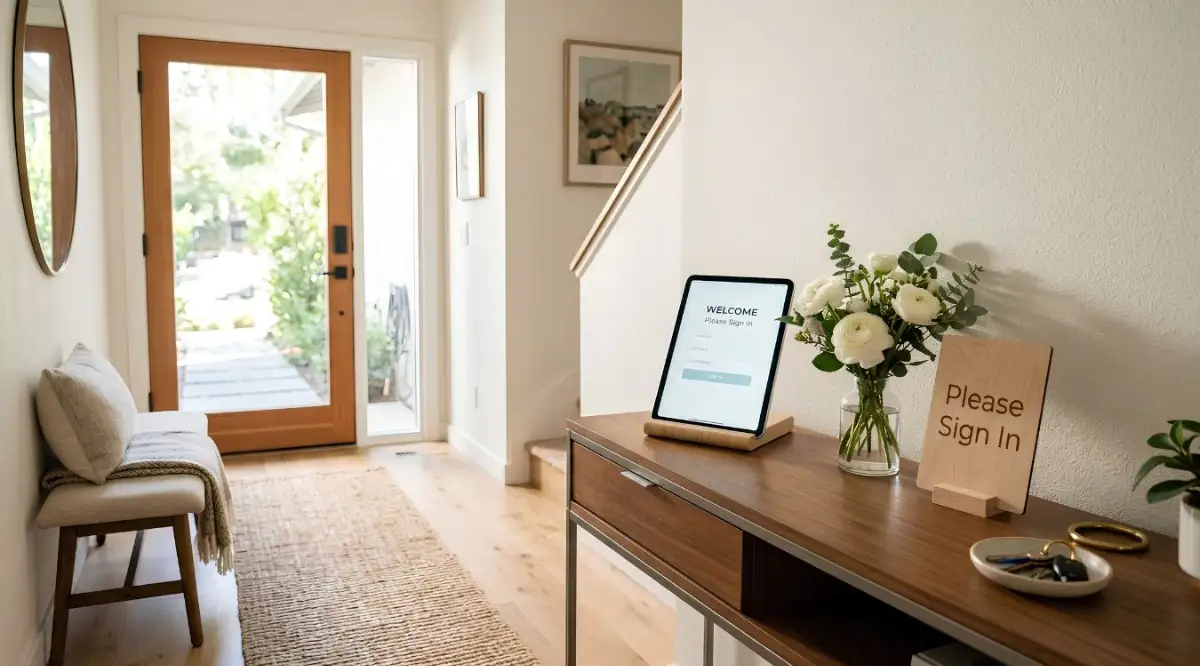
Set up a clear check-in station right at the front door. Ask every single visitor to sign in with their name, phone number, and email address.
Want to see exactly how the pros organize a house for maximum safety? Check out this quick video guide below, and then keep reading to discover the clever smart home trick that acts as your silent security guard!
The Power of the Sign-In Sheet
Many sellers feel shy about asking visitors to sign in. They worry it will annoy potential buyers and make them leave.
But asking for identification actually works in your favor. Serious buyers understand that home security is a priority, and they will gladly provide their details. People who refuse to sign in are usually just nosy neighbors or individuals with bad intentions.
Using a digital sign-in app on an iPad is even better than a paper sheet. It prevents visitors from seeing the personal information of the people who arrived before them. It also makes your event look highly professional and organized.
Smart Home Security: Your Silent Helper
We live in an age where technology can do a lot of the heavy lifting for us. You probably already have smart cameras, video doorbells, or smart speakers in your house.
Make sure your video doorbell is fully charged and recording on the day of the event. This gives you a clear timestamp and visual record of every single person who walked through your front door.
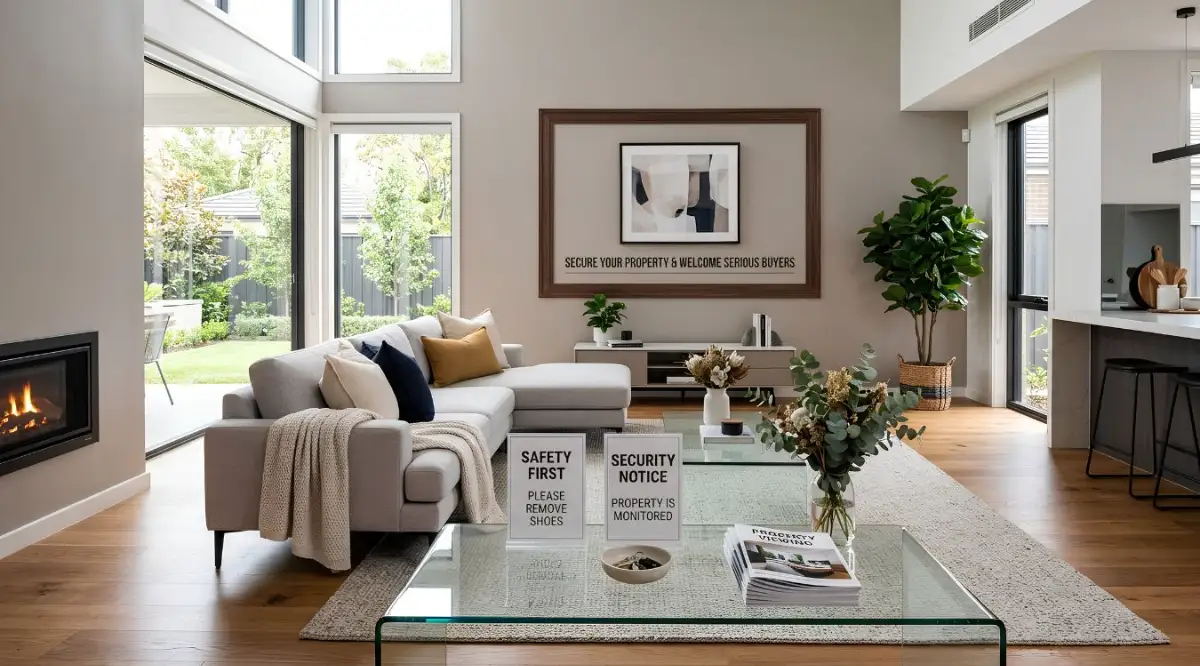
However, you must respect privacy laws in your local area. It is highly recommended to place a small, polite sign at the entrance stating, "For your safety and ours, audio and video recording devices are active on this property."
This simple sign acts as a powerful deterrent. People behave much better when they know they are being politely observed.
Managing the Pet Dilemma
We all love our furry friends, but pets and open houses are a terrible combination. A normally calm dog can become incredibly stressed and aggressive when twenty strangers invade their territory.
Even the friendliest cat might panic and dash out the front door while a visitor is walking in. You also have to consider that many buyers have severe pet allergies.
The absolute safest option is to remove your pets from the property entirely. Take them to a doggy daycare, ask a friend to watch them, or take them for a long car ride.
Do not just lock them in the garage or a spare bedroom. Buyers need to see every part of the house, and a locked door makes them suspicious. Removing your pets keeps the animals safe, the buyers safe, and protects your liability.
How to Handle Valuables and Electronics
We discussed hiding mail and medicines, but what about your expensive electronics? Laptops, tablets, and gaming consoles are easy targets because they are small and highly valuable.
Never leave a laptop sitting open on your home office desk. Close it, unplug it, and hide it in a secure spot. If you have expensive gaming controllers, put them in a drawer.
Think about your jewelry boxes and watches. Even if a jewelry box looks heavy, a motivated thief can empty its contents into their pocket in less than ten seconds.
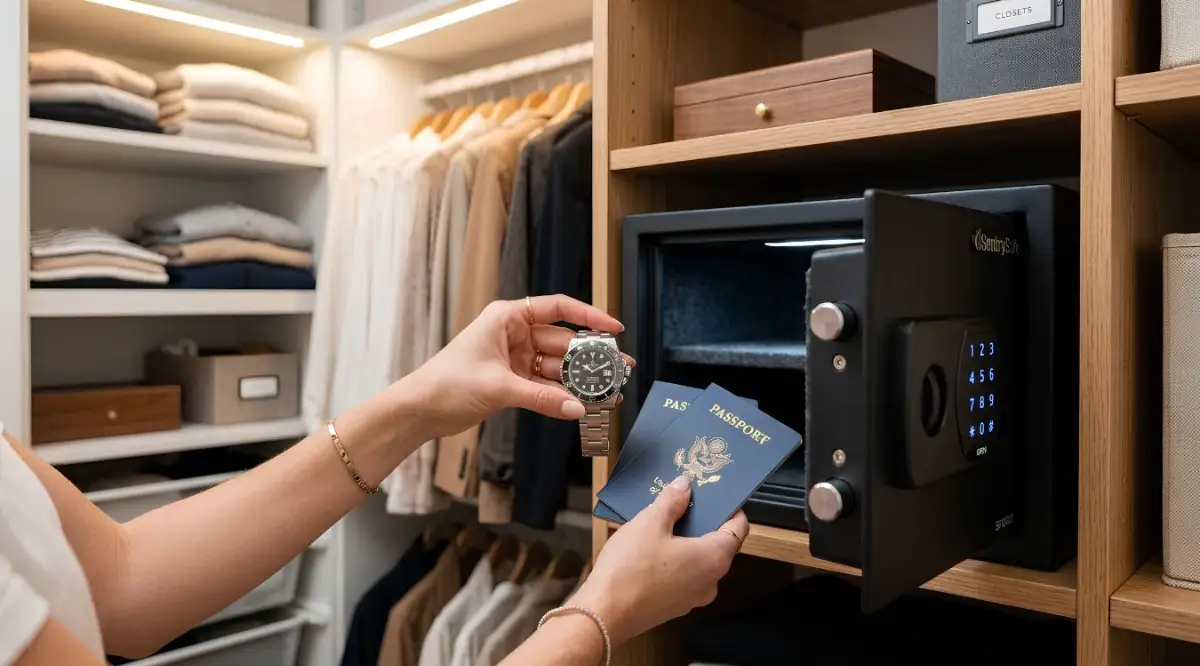
The best practice is to buy a small fireproof safe for the duration of your home selling journey. Keep all your passports, birth certificates, cash, and fine jewelry locked inside. If you do not have a safe, pack these items in a discreet overnight bag and put it in the trunk of your car.
I learned this the hard way when I left an expensive digital camera sitting on a bookshelf because I mistakenly thought it was out of the way. Now, my biggest tip for anyone selling a house is to grab a laundry basket, toss every single small valuable item inside, and lock it in your car trunk before anyone arrives. It takes just two minutes and saves you from a massive headache later.
Structuring a Safe Walking Path
When people enter a home, they naturally want to wander. You can gently guide them using smart lighting and closed doors.
Turn on all the lights in the rooms you want them to see. Open the curtains wide to let in natural light. This makes the space look huge and inviting.
Conversely, if there is an area you want to restrict—like a messy storage closet or a basement utility room—keep the lights off and the door mostly closed.
Place a small "Private Storage" sign on the handle. Most respectful buyers will follow these subtle visual cues without feeling restricted.
Recognizing Suspicious Behavior
While you or your team are monitoring the rooms, it is helpful to know what to look for. Most visitors will follow a natural pattern: they look at the walls, check the size of the bedrooms, and admire the kitchen.
Suspicious individuals behave differently. They might spend an unusually long time looking at window locks, testing the security of the back door, or staring at your alarm system panel.
They might try to distract the agent by asking complex questions while their partner wanders off upstairs alone. If you notice someone actively avoiding the agent and trying to access private areas, do not panic.
Simply walk up to them with a big smile and ask, "Hi there! Can I answer any specific questions about the upstairs layout for you?"
Your physical presence is usually enough to stop any bad behavior in its tracks. You remain polite, but you clearly show them that the house is being actively monitored.
The Essential Post-Event Sweep
The open house is finally over. The last visitor has walked out the door, and the agent has packed up their signs.
You might feel a huge wave of relief and just want to collapse on the sofa. But your job is not quite finished yet. The most important security step happens right after the event ends.
Some individuals with bad intentions will unlock a back window or a side door during the showing. Their plan is to return later that night and easily slip back inside.
You must perform a complete perimeter check the moment you step back into your home. Walk to every single window on the ground floor and physically check the locks.
Go to the back door, the sliding glass patio doors, and the garage entrance. Make sure the deadbolts are fully engaged.
Check your bathrooms to ensure no one left a tap running, which could cause flooding. Finally, double-check that all your spare keys are still in their proper hiding spots.
My 5-Minute Post-Showing Checklist
| Area | What to Check Before You Relax |
| Doors & Windows | Lock all ground-floor windows, sliding doors, and the garage entrance. |
| Bathrooms | Make sure all faucets are off and toilets aren't running. |
| Keys | Count your spare keys and make sure none walked away. |
| Thermostat | Reset your heating or cooling back to your normal family setting. |Taking ten minutes to do this sweep guarantees your home is completely secure before you go to sleep. It restores your peace of mind and allows you to finally relax after a long, successful day of showing your beautiful home.
Next-Level Security Tactics True Professionals Use
Now that your physical space is organized and your basic safety measures are in place, we need to take things a step further. You want to host an event where you are completely in control of the environment.
Most people just hope for the best, but true professionals rely on smart, proactive strategies. One of the best things you can do is set up a temporary smart lock system on your front door.
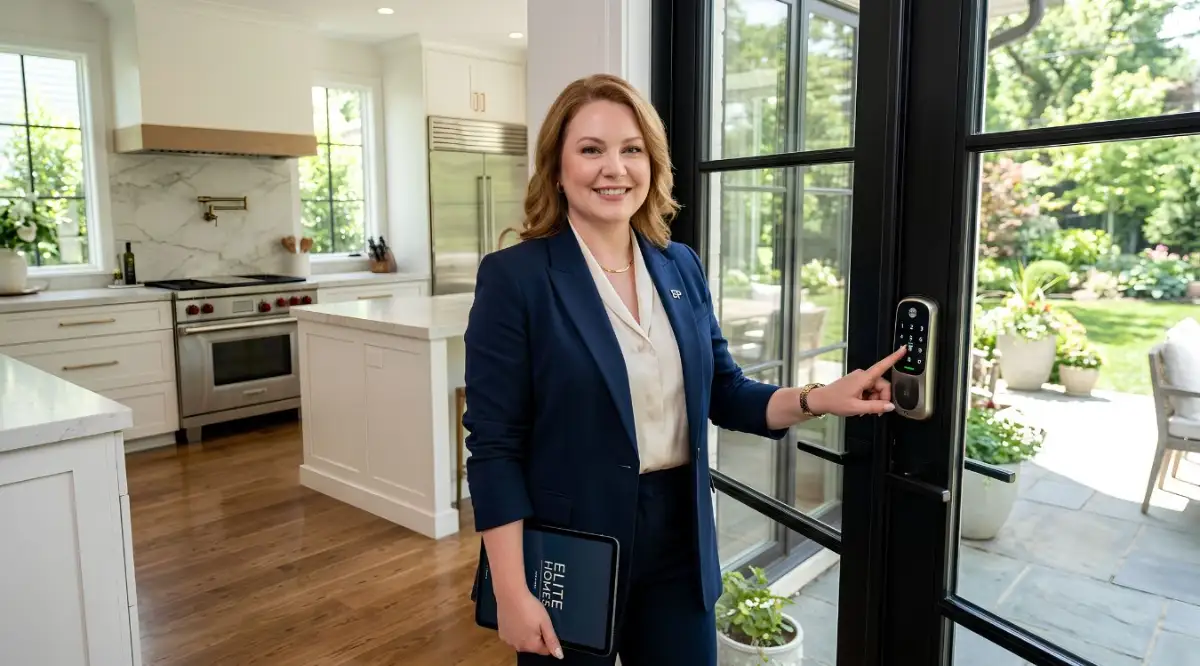
Instead of passing around physical keys that can be copied, use a digital keypad. You can program a unique entry code that only works during your specific event hours. Once the event is over, that code automatically expires, and nobody else can enter your home.
You should also consider creating a dedicated "Safe Room" inside your house. Pick one specific room, like a small guest bedroom or an office, to store all your personal belongings.
Lock this door and place a polite sign outside saying, "Private Storage - Not Included in Tour." Buyers do not need to see inside every single closet to decide if they like the house. Keeping one room strictly off-limits gives you a secure hub for your valuables.
Leverage Your Neighborhood Network
Your neighbors are actually your best line of defense when you invite the public into your street. A few days before you open your doors, walk over and have a friendly chat with the people living next to you.
Tell them your plans and ask if they would mind keeping an eye on the street. Neighbors notice strange cars and unusual behavior much faster than a visiting real estate agent would.
If they see someone lingering around your backyard gate after the event ends, they can quickly call you or local law enforcement. According to safety guidelines from the National Crime Prevention Council, active neighborhood communication is one of the strongest deterrents against property crimes.
You can even invite your neighbors to walk through the house first. This satisfies their natural curiosity and prevents them from taking up space when serious buyers arrive.
Pre-Screening Your Guests Like an Exclusive Event
Why let absolutely anyone walk into your private sanctuary off the street? You can completely change the dynamic by turning your viewing into a "Registration Only" event.
Require interested buyers to sign up online through a simple form before they are given the exact address. This immediately filters out people who are just bored and looking for a weekend distraction.
When people have to provide their name and email beforehand, they are much less likely to cause trouble. Managing a strict guest list requires attention to detail, much like keeping detailed records when documenting workplace discrimination before seeking legal help. A clear paper trail protects you in every aspect of life.
If someone refuses to register, they are probably not serious about buying your property anyway. You lose nothing by turning them away, but you gain incredible peace of mind.
Dangerous Traps That Leave Your Family Vulnerable
Even with a great plan, emotions can easily cloud your judgment when you are trying to impress potential buyers. Many well-meaning homeowners fall into predictable traps that compromise their personal safety.
One of the biggest mistakes is hiding your valuable items in completely obvious places. People often think they are being clever by tucking their expensive watches or cash into a sock drawer or under a mattress.
Thieves who target property viewings are experienced, and they know exactly where homeowners hide things. The master bedroom closet is always their very first stop.
Never leave small, high-value items anywhere inside the house, no matter how clever your hiding spot seems. The emotional devastation of losing a family heirloom is simply not worth the risk. Always pack these items in a bag and keep them safely with you in your car.
The "Overly Friendly Buyer" Interrogation
Another dangerous trap is talking too much to the people visiting your home. Sometimes, a visitor will seem incredibly sweet and start asking very personal questions.
They might ask why you are moving, what your daily work schedule looks like, or when you plan to go on vacation. It feels like innocent small talk, but you could accidentally give a criminal your exact schedule.
Never reveal when your house will be empty. If they ask about your timeline, give vague answers like, "We are flexible and always have someone managing the property."
It is perfectly fine to be polite, but you must keep the conversation strictly about the house's features. The Federal Bureau of Investigation often warns that criminals use casual conversations to gather intelligence before planning a home intrusion. Stay friendly, but keep your personal life entirely private.
Ignoring the Financial Risks of Accidents
Many sellers are so focused on getting a good price that they completely ignore the risk of physical accidents. If a visitor slips on a wet bathroom floor, you could be held financially responsible for their medical bills.
This unexpected financial burden can completely derail your plans for moving. Dealing with insurance claims can be incredibly stressful, almost as complicated as understanding health deductibles and co-pays when you face a sudden medical emergency.
To prevent this, you must walk through your property and proactively fix any hazards. Wipe up any spills, fix loose handrails on your stairs, and ensure your walkways are brightly lit.
You should also call your insurance provider before the event to ensure you have adequate liability coverage. Having a financial safety net for unexpected property issues is just as smart as building an emergency fund without ignoring your debt. Protecting your wallet is just as important as protecting your physical home.
Hosting the Event Completely Alone
This is perhaps the most dangerous mistake any homeowner or agent can make. Never, under any circumstances, host a public viewing by yourself.
You cannot physically watch the front door, answer questions in the kitchen, and monitor the upstairs bedrooms all at the same time. While you are busy talking to someone downstairs, another person could be going through your personal items upstairs.
Always use a buddy system. Ask a friend, a family member, or a colleague to stand in a different part of the house.
Establish a secret code word with your hosting partner. If either of you feels uncomfortable with a visitor's behavior, you can use that word to signal that you need immediate help or need to call the police.
Your Master Plan for a Stress-Free Property Showing
Opening your home to strangers does not have to be a terrifying, anxiety-filled experience. By shifting your mindset, you take back control of your personal space.
You now know that preparation is the ultimate key to feeling safe and confident. Start by hiding your personal data, locking away your medications, and securing your valuables outside the home.
Guide your visitors smoothly through the house using smart lighting and closed doors. Rely on your technology, like smart locks and cameras, to act as your silent security guards.
Most importantly, trust your gut instincts. If a visitor makes you feel uncomfortable, you have every right to ask them to leave your property immediately.
I remember feeling completely overwhelmed the first time I showed my house, but taking these exact steps gave me my confidence back. You have the power to protect your sanctuary and successfully move on to your next adventure. I know you can host your event safely, so take a deep breath and start setting up your space today!
Common Questions About Safe Property Showings
Should I stay home while potential buyers are looking around?
It is generally better for the homeowner to leave the property during the viewing. Buyers feel much more comfortable discussing the house honestly when the owner is not standing right there. Just make sure your agent or trusted co-host is fully equipped to manage the security while you are gone.
Do I really need to take down my family photos?
Yes, removing personal photos is highly recommended for two main reasons. First, it protects your family’s privacy and identity from complete strangers. Second, it helps potential buyers imagine their own family living in the space, which usually leads to better offers.
How do I stop visitors from using my private bathrooms?
The best strategy is to turn off the water valves under the sinks and toilets in your main bathrooms. You can place a polite, professional sign on the door that says, "Restroom Out of Order - Please Do Not Use." Most visitors will respect this sign without asking any further questions.
What should I do if someone refuses to sign the guest list?
If a visitor absolutely refuses to provide their name and contact information, you should politely refuse them entry. A serious buyer will always understand that signing in is a standard safety procedure. You have zero obligation to let an anonymous stranger wander through your private home.
Are security cameras allowed during a public viewing?
Yes, you can use your home security cameras, but you must be transparent about them. Place a visible sign at the front entrance stating that video recording is in progress for security purposes. However, you should never place cameras in areas where people expect extreme privacy, like bathrooms.
Selling your home is a huge step, but you do not have to let fear steal your excitement for this new chapter. I promise that once you use these simple safety steps, you will feel totally in control and ready to welcome the right buyer. You have got this, so take a deep breath and set up your space with confidence today!
Disclaimer: The information provided in this article is for educational and informational purposes only. We are not licensed security professionals or legal advisors. Please consult with a certified real estate agent or local law enforcement for specific safety regulations and legal guidelines in your area before hosting public events at your property.