
When My House Wouldn't Sell: The Hard Truth About First Impressions
Have you ever scrubbed your baseboards until your knuckles hurt, only to watch a potential buyer walk in and leave three minutes later? Yeah, that was me a few months ago. Selling a house is brutally stressful, especially when your budget is tighter than a jar of pickles. Let me show you how I finally stopped stressing and started making simple, cheap tweaks that actually got buyers to make a solid offer.
I remember the exact moment my heart sank during an open house event. I had listed my home thinking it would sell in a single weekend, but week after week, buyers walked in and walked right out. I felt completely stuck because my bank account was nearly empty, and dropping thousands on a brand-new kitchen was totally out of the question. I thought my only option was to drop the asking price and lose the equity I had worked so hard to build. It was a terrifying feeling that kept me awake at night.
It honestly hurts to hear negative feedback from real estate agents after a showing. They walk through your living room, clipboards in hand, and point out every tiny flaw you never even noticed. Suddenly, your cozy family sanctuary feels like a heavy burden weighing you down. This constant worry completely ruins your sleep and makes family dinners feel incredibly tense.
The worst part is the emotional toll it takes on your whole family. You spend your weekends stressing over keeping the house perfectly clean, just in case someone wants to view it at the last minute. The uncertainty of the whole process drains your energy and makes you want to just give up.
But over time, I discovered something amazing that completely changed my perspective on real estate. Buyers are highly emotional, and you do not need to tear down walls to make them fall in love with your space. You just need to understand a few simple psychological triggers that make a house feel like a premium home.
Key Takeaways for a Faster Sale:
- Stick to light, neutral paint colors to give buyers a fresh blank canvas.
- Swap out outdated cabinet knobs for modern matte black or brushed nickel hardware.
- Remove at least 30% of your furniture to make rooms feel instantly larger.
- Ditch heavy air fresheners; just open windows and let in plenty of natural sunlight.
Smart, Budget-Friendly Tactics to Increase Your Home's Worth
You do not need a massive bank loan to make a huge impact on your home's asking price. By focusing on smart, strategic updates, you can easily trick the eye and make your space look high-end. Let us look into a few deeply practical ways you can start improving your space this very weekend.
The Power of Fresh Paint: Your Cheapest Return on Investment
Nothing completely transforms a room faster or cheaper than a fresh coat of paint. Over the years, walls absorb cooking smells, collect minor scuff marks, and slowly lose their brightness. When a potential buyer walks into a freshly painted room, their brain immediately registers the home as clean, new, and well-maintained.
You should always stick to light, neutral colors like soft whites, light grays, or warm beiges. Dark or highly specific colors like bright red or deep purple will automatically turn off a large portion of buyers. Neutral colors create a blank canvas, allowing the buyer to mentally place their own furniture in the room.
A quick comparison to show why simple updates win:
Notice how the cheapest options often bring the most immediate emotional reaction from buyers. Paint is practically magic in a can when it comes to real estate.
Myth vs. Fact: Painting Edition
- Myth: You need to paint every room a different fun color to show off the home's personality.
- Fact: Buyers want a completely blank slate. Stick to safe choices like "Alabaster White" or "Agreeable Gray"—they are bright, clean, and universally loved.
Here is a quick pro tip from my own embarrassing mistake: I once painted a guest bathroom a bright, trendy blue thinking it would stand out, but buyers absolutely hated it. I realized the hard way that you should always stick to safe, boring neutral colors if you actually want to get paid top dollar for your house.
Small Hardware, Massive Impact
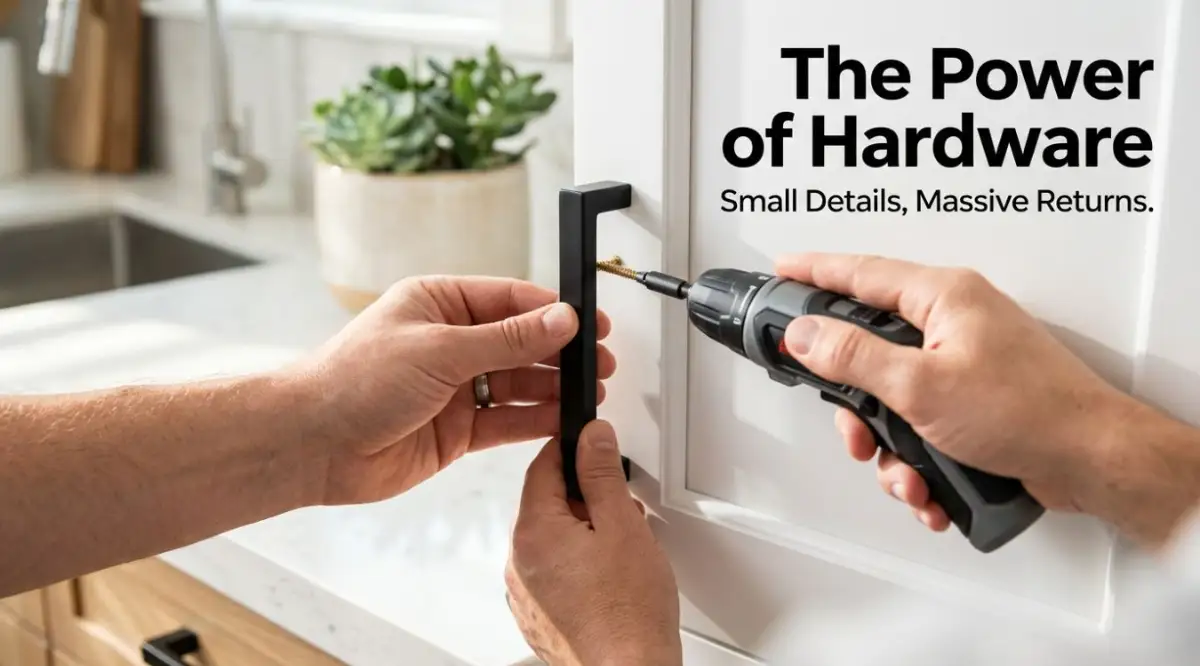
Think about the handles on your kitchen cabinets, your bathroom faucets, and even your door hinges. If your home still features shiny brass knobs from three decades ago, buyers will instantly think the house is outdated. Swapping out old hardware is an incredibly simple project that requires nothing more than a basic screwdriver.
Brushed nickel, matte black, or champagne bronze are very popular right now and look incredibly expensive. When a buyer pulls open a cabinet and feels a heavy, modern handle, it sends a subconscious signal of quality. They will naturally assume the rest of the house is equally updated and cared for.
I learned the hard way that ignoring bad smells will ruin a showing instantly, no matter how nice the hardware looks. My advice is to bake some cookies or use a very mild vanilla plug-in right before a buyer arrives; it honestly changed everything for me. It is a tiny trick, but the way a home smells is just as important as how it looks.
Lighting Changes Everything
A dark house feels small, dirty, and depressing to anyone walking through the front door. Your main goal should be to maximize every single source of light available in your rooms. Start by completely opening all the blinds, pulling back the curtains, and giving your windows a professional-level cleaning.
Next, walk through your house and look at every single light bulb. Many homes have a terrible mix of warm yellow bulbs and harsh blue daylight bulbs, which makes rooms look confusing and cheap. Replace all your bulbs with a consistent "soft white" temperature (around 3000K to 3500K) to create a warm, inviting glow everywhere.
If you want a visual cheat sheet, watch this quick video below to see the exact lighting tricks that are making average homes look like million-dollar listings right now. Check it out, and then keep reading to learn my absolute favorite secret for making any small room feel massive!
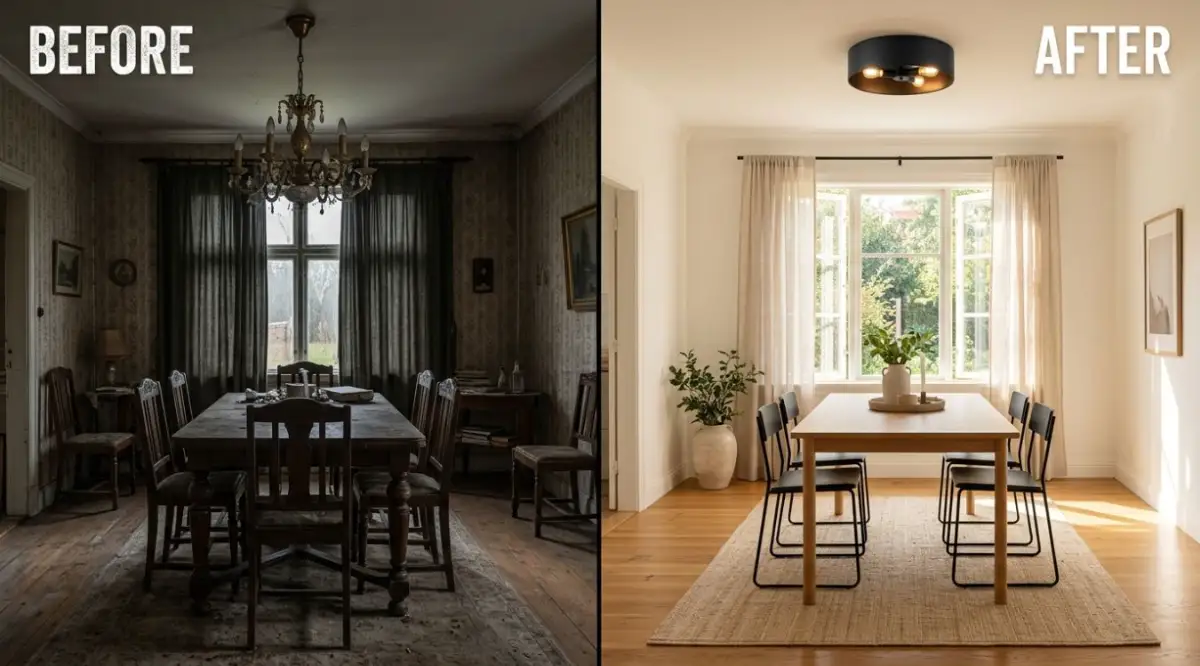
If you have old, dusty ceiling fixtures from twenty years ago, go to your local hardware store. You can easily find sleek, modern flush-mount lights for incredibly cheap prices. A modern light fixture above a dining table can easily make the whole room feel completely remodeled.
The Magic of Removing Bulk
Most of us simply have way too much stuff stuffed into our rooms. When you are selling a house, you are not selling your personal belongings; you are selling the physical space. If a room is packed with oversized furniture, it will immediately feel incredibly small and cramped.
Start by removing at least thirty percent of the furniture in every single room. Take out the bulky reading chairs, the extra side tables, and the overflowing bookshelves. Renting a small storage unit for a month or two is a brilliant investment for the selling process.
When buyers see clear floor space, they mentally calculate the room as being larger than it actually is. They want to see wide pathways and empty corners where they can imagine their own belongings. Less furniture naturally equals more perceived square footage in the buyer's mind.
The Subconscious Power of Deep Cleaning
You might think your house is clean, but real estate clean is an entirely different level. Buyers are actively looking for reasons to lower their offer, and dirt is their favorite excuse. A dirty home tells the buyer that you probably skipped out on regular maintenance, too.
Pay special attention to the areas people normally ignore during their weekly chores. Scrub the tile grout in the bathrooms until it looks brand new, wipe down the baseboards, and clean the ceiling fan blades. Make sure your kitchen appliances are shining inside and out.
If your carpets have stains or hold pet odors, do not ignore them. Rent a professional carpet cleaner for the day or hire a local service to steam clean the floors. The feeling of walking on a fresh, perfectly clean carpet makes buyers feel incredibly comfortable and safe in the environment.
My 5-Minute Open-House Panic Checklist:
- Hide all trash cans (especially in bathrooms!).
- Wipe down the kitchen sink until it sparkles.
- Turn on every single lamp and open all blinds.
- Flush all toilets and close the lids.
- It takes just a few minutes, but it completely changes how a buyer views your space.
Securing the Front Entrance
Buyers will make their initial judgment about your home before they even step out of their cars. The outside of your house sets the tone for the entire showing experience. If the front entrance looks sad and neglected, they will walk inside with a negative mindset.
You do not need a professional gardening team to fix this problem. Simply pull the weeds, sweep the front walkway, and put down a few bags of fresh black or brown mulch. Mulch is incredibly cheap but instantly makes a yard look cared for and deliberately designed.
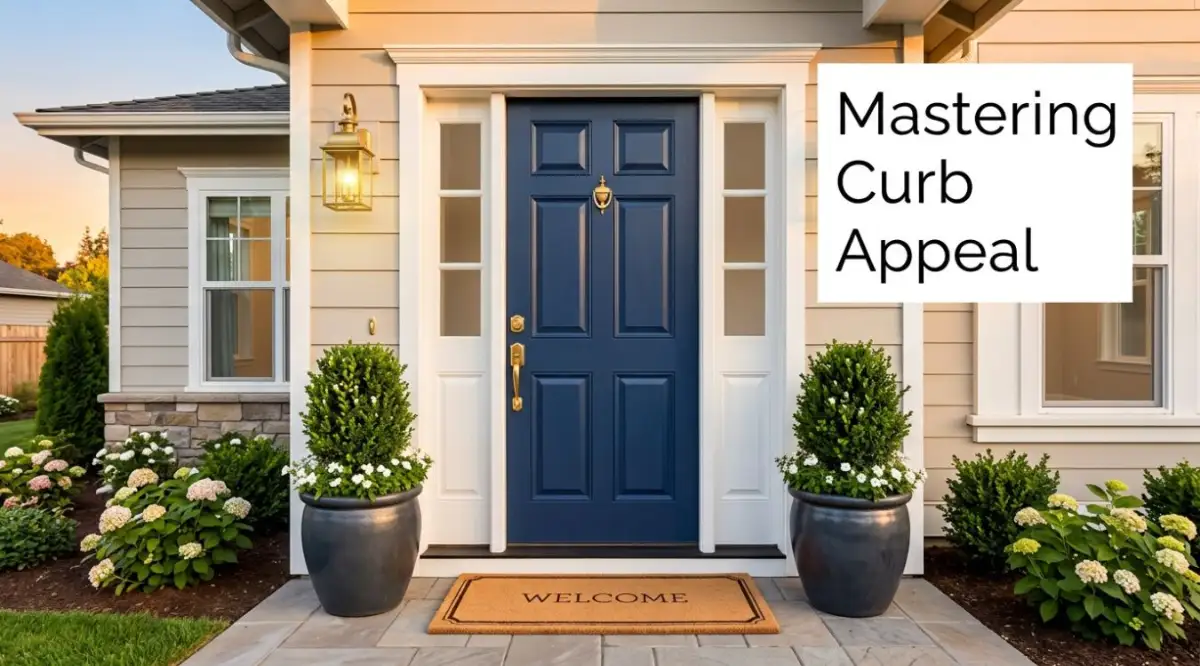
Finally, take a close look at your actual front door. Painting your front door a bold, welcoming color like navy blue or deep charcoal can dramatically change the whole exterior. Add a brand new welcome mat and a shiny new set of house numbers, and you have just created an unforgettable first impression.
Next-Level Staging Secrets The Experts Hide
Once you have mastered the basics of cleaning and painting, it is time to move into the psychological side of selling a house. Real estate professionals use highly specific visual tricks to make ordinary spaces feel like luxury resorts. The best part is that you can easily copy these exact same strategies without spending a fortune.
We need to start tricking the buyer's brain the moment they step through the front door. Buyers do not just look at a house; they actively feel the space around them. By controlling what they see and smell, you completely control their emotional reaction to your home.
The Ceiling Height Illusion
Most average homeowners hang their window curtains directly above the window frame. This is actually a massive missed opportunity to make your rooms look significantly larger. When a buyer walks in, their eyes naturally follow lines, and low curtains make the ceiling feel heavy and compressed.
Instead, move your curtain rod all the way up, just a few inches below the ceiling line. Buy extra-long, light-colored sheer curtains that lightly touch the floor. This incredibly simple visual trick forces the eye upward, making standard ceilings feel completely grand and expensive.
You can find beautiful, affordable sheer curtains at almost any discount home store. When natural light filters through sheer white fabric, it gives the entire room a soft, romantic, and highly appealing glow. It is a tiny adjustment that creates a massive shift in how big the room actually feels.
The Spa Bathroom Transformation
Bathrooms are major selling points, but they are also the easiest rooms to get wrong. An empty, sterile bathroom feels cold, while a cluttered one feels dirty and small. You want to aim for a feeling that mimics a high-end hotel spa.
Start by hiding every single personal hygiene product you own. Buyers do not want to see your half-empty shampoo bottles or your daily toothbrushes on the counter. Store all these items in a small plastic bin that you can easily hide under the sink during showings.
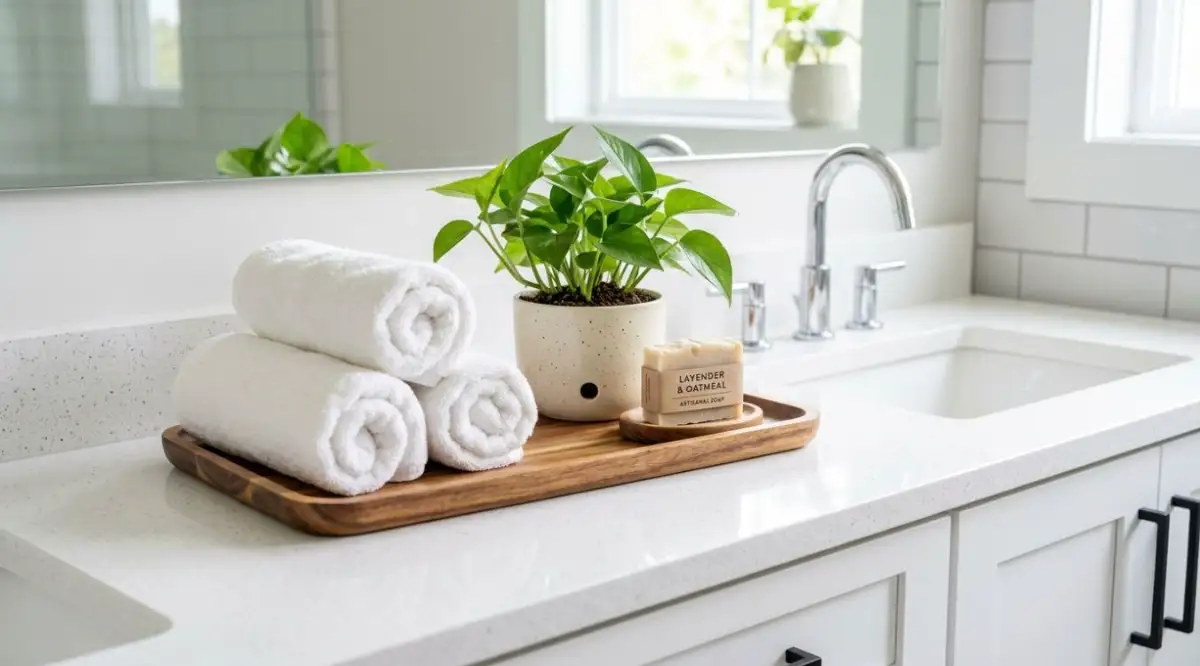
Once the counters are clear, add thick, fluffy white towels rolled beautifully on a small wooden tray. Place a single, fresh green plant or a brand new bar of artisanal soap next to the sink. These small visual cues instantly communicate luxury and absolute cleanliness to anyone viewing the space.
Smudging the Indoor-Outdoor Boundary
Many people completely forget that their backyard or balcony is an extension of their living space. If your patio doors are dirty and the outdoor space looks messy, buyers will mentally shrink the size of your home. You need to make the transition between inside and outside feel completely seamless.
Spend an afternoon thoroughly scrubbing the glass on your sliding doors until they are practically invisible. Clean out the metal tracks at the bottom so the doors slide open with a gentle, silent push. You want the buyer to effortlessly step outside without struggling with a sticky, dirty handle.
Set up a small, inviting seating area just outside the door, even if you only have a tiny balcony. Two cheap, brightly colored chairs and a small side table are enough to create a lifestyle image. By staging the outdoors, you are essentially giving the buyer an extra living room for free.
The Long-Term Preservation System
Making these beautiful updates is only half the battle; keeping them looking perfect is the real challenge. You need a solid game plan to maintain this pristine condition while you still live in the house. This is where many sellers completely lose their minds from the daily stress of cleaning.
I recommend creating a simple, 15-minute daily walkthrough routine before you leave the house every morning. Fluff the sofa pillows, wipe down the kitchen counters, and make sure the beds are perfectly made. If you treat this daily routine like a strict habit, sudden house showings will never cause you to panic again.
Financially maintaining these small updates month after month requires a bit of smart planning. You might need to pick up fresh flowers or buy premium cleaning supplies weekly, which adds up quickly. If you want to handle these minor expenses smoothly, learning how to create a realistic monthly budget and crush your debt is an absolutely wonderful place to start your journey.
Understanding exactly what buyers want often requires looking at real data rather than just guessing. The National Association of Realtors report on home staging consistently shows that staging the living room is the single most effective way to influence a buyer's decision. By focusing your daily maintenance energy on the living room and kitchen, you maximize your chances of getting a great offer quickly.
The Costly Traps That Scare Buyers Away
While we try our best to make our homes look amazing, it is incredibly easy to accidentally ruin a sale. Selling a home is an emotional rollercoaster, and our attachment to the house often clouds our logic. I have seen sellers make completely innocent mistakes that ended up costing them thousands of dollars in lost equity.
You have to remember that buyers are incredibly nervous and hyper-critical during a showing. They are about to spend a massive amount of money, so they are actively hunting for reasons to walk away. Let us break down the absolute worst pitfalls you must avoid to keep your buyers happy and confident.
The Storage Illusion Trap
One of the biggest mistakes you can make is shoving all your extra clutter into your closets and garage. Sellers often think that if a mess is behind a closed door, the buyer will never notice it. This is a massive error, because serious buyers will absolutely open every single door in your house.
Imagine a buyer opens your hallway closet, and a mountain of winter coats and vacuum parts nearly falls on them. Their brain instantly registers a huge red flag: "This house does not have enough storage space." Even if your house is massive, an overstuffed closet makes the entire property feel completely inadequate.
You need to show off the empty space inside your closets, not your personal storage skills. Remove at least half of your clothing and pack away all out-of-season items into hidden boxes. When buyers see empty shelves and visible floor space inside a closet, they feel a deep sense of relief.
The Danger of Becoming "Nose Blind"
We all get completely used to the specific smell of our own homes over time. You might not notice the lingering smell of your lovely golden retriever or the strong spices from last night's dinner. However, a stranger walking into your house will smell absolutely everything within the very first second.
Bad odors are completely unforgivable in real estate and will kill a showing instantly. Many sellers try to fix this by spraying heavy, artificial air fresheners right before a buyer arrives. This actually makes things worse, because buyers immediately wonder what terrible smell you are trying to hide with cheap perfume.
The secret to a great-smelling home is actually having no distinct smell at all. Focus on deep cleaning your fabrics, opening windows for fresh air, and changing your HVAC filters regularly. The Environmental Protection Agency guidelines on indoor air quality highly recommend proper ventilation over chemical sprays to achieve a truly clean, fresh-smelling environment.
The "Over-Upgraded" Oddity
Sometimes, sellers get a little too excited and pour money into a single, highly expensive upgrade. They might install a massive, professional-grade chef's oven in a very basic, outdated kitchen. This creates a deeply confusing visual experience that actually makes the rest of the room look much worse.
Buyers want a home that feels consistent and cohesive from room to room. If your master bedroom looks like a luxury penthouse but your bathrooms look entirely forgotten, buyers get suspicious. They start wondering if you just tried to put a quick bandage on a house that actually needs major repairs.
Instead of blowing your entire budget on one shiny object, spread your money evenly across the whole house. If you are ever thinking about taking out a small loan just to do one massive, unnecessary project, stop and reconsider. You should really understand the difference between fixed vs variable personal loans before you take on debt that will not actually increase your home's total worth.
Forgetting The Buyer's Financial Stress
We often forget that the people walking through our homes are dealing with their own massive financial anxieties. They are worrying about interest rates, down payments, and moving costs. If they see a house that looks like it needs a lot of immediate work, they will simply walk away in fear.
A buyer with a tight budget cannot afford to fix a broken fence or replace stained carpets right after moving in. When your home is completely move-in ready, it feels like a safe, secure investment to a nervous buyer. You remove their anxiety, which makes them far more likely to submit a strong, confident offer.
Many of these buyers are already stressed out about securing a mortgage in the first place. If they are actively trying to improve a low credit score before applying for a home loan, the last thing they want is a house that drains their remaining cash. Give them a beautifully simple, clean home, and they will happily pay top dollar for that peace of mind.
Your Master Plan for Maximum Return
Getting your house ready for the market absolutely does not require a massive construction crew or an unlimited budget. We have seen that the most powerful changes come from simple paint, smart lighting, and deep, psychological staging tricks. You have total control over how buyers perceive your space, just by making a few strategic weekend updates.
Start your journey by walking out to your street and looking at your house like a complete stranger. Take a notebook and write down exactly what catches your eye first, both the good and the bad. Tackle the absolute cheapest, easiest fixes on your list today, like changing a lightbulb or wiping down a dusty baseboard.
Remember that decluttering is completely free, but it provides the absolute highest return on your physical effort. The Psychology Today article on the emotional impact of clutter points out that clear spaces significantly reduce human anxiety. When you present a totally clear, open room to a buyer, you are literally handing them a feeling of calm and comfort.
Every single small step you take builds up to a massive final result. Selling a home is a marathon of tiny details, but the financial reward at the finish line is incredibly life-changing. You have all the knowledge you need right now to make your house the absolute best on the block.
I completely understand how overwhelming this whole process feels, because I was once staring at the exact same empty rooms wondering if I would ever sell my house. My biggest piece of advice is to just take a deep breath and start with one single room today. I know you can transform your space into something buyers will fight over, so grab a paintbrush and let the magic begin!
Questions People Always Ask About Home Upgrades
Do I really need to paint the outside of my house?
You do not necessarily need a full exterior paint job unless the current paint is peeling badly. Often, just power washing the siding and painting the front door a fresh, bold color is more than enough. Buyers mostly care that the exterior looks clean and generally well-maintained from the street.
Is hiring a professional home stager worth the money?
If you have a completely empty house, a stager can be incredibly helpful to show the purpose of each room. However, if you already live there and have decent furniture, you can easily stage it yourself for free. Just follow the simple rules of decluttering, removing personal photos, and maximizing natural light.
How much money should I spend on getting my house ready?
A great rule of thumb is to spend less than one percent of your home's total asking price on minor visual updates. Focus your tiny budget completely on paint, modern light fixtures, and professional deep cleaning. Never spend money on massive projects you will not be around to enjoy yourself.
Can changing out light fixtures really make a difference?
Absolutely, bad lighting completely ruins the atmosphere of a room, making it feel small and depressing. Swapping out a dusty, outdated ceiling fan for a sleek, modern light fixture instantly modernizes the whole space. It is one of the cheapest tricks to make a buyer feel like the house was recently renovated.
Should I cover up small wall cracks with paint?
You should always properly patch and sand small nail holes or minor drywall cracks before you paint over them. Simply painting over a crack looks messy and makes buyers wonder what other lazy repairs you have done. Taking an extra five minutes to use a little spackle will make the wall look completely brand new.
If a regular person like me could turn a stressful, ignored house into a fast sale with just a little elbow grease, I know you can totally pull this off too. Stop stressing about expensive contractors, pick one small project to tackle this weekend, and take that exciting first step toward getting the amazing offer you deserve!
Disclaimer: The information provided in this article is for educational and informational purposes only and does not constitute professional real estate or financial advice. Always consult with a licensed real estate agent or financial advisor before making major decisions regarding property sales or investments.