The Shocking Reality of First-Time Solar Owners
Staring at my very first power bill after getting solar panels, my jaw literally hit the floor. I honestly thought going green meant saying goodbye to monthly electricity costs forever. Instead, the paper in my hands demanded almost the exact same amount I always paid! It took me months of frustrating phone calls and confusing manuals to figure out how grid returns actually work. Today, I am going to save you from making those exact same expensive mistakes so you can finally see your power bills drop to zero.
I will never forget the day I opened my first electricity bill after installing solar panels on my roof. I was absolutely certain the balance would be zero. I had spent so much money setting everything up, and my panels were soaking up the sun all day long.
Instead, I stared at a piece of paper that still demanded a significant payment. I felt completely frustrated and confused. I remember pacing around my living room, wondering where all my extra generated power actually went.
Did it just vanish into thin air? Was my utility company secretly stealing the electricity my panels produced? I felt like I had made a terrible mistake.
I spent weeks making annoying phone calls and reading deeply confusing utility manuals just to understand what was happening. It turns out, I had zero understanding of how grid connection actually worked.
I thought my panels directly powered my television and refrigerator, and that was the end of the story. I completely missed the concept of sending power away and getting it back.
This simple lack of knowledge kept me up at night, stressing over whether my solar investment would ever pay off. It is an incredibly common feeling for anyone new to renewable home energy.
Yet, because energy companies use incredibly complicated language, you are left feeling completely powerless. Everyday people look at their smart meters flashing mysterious numbers and feel a deep sense of anxiety.
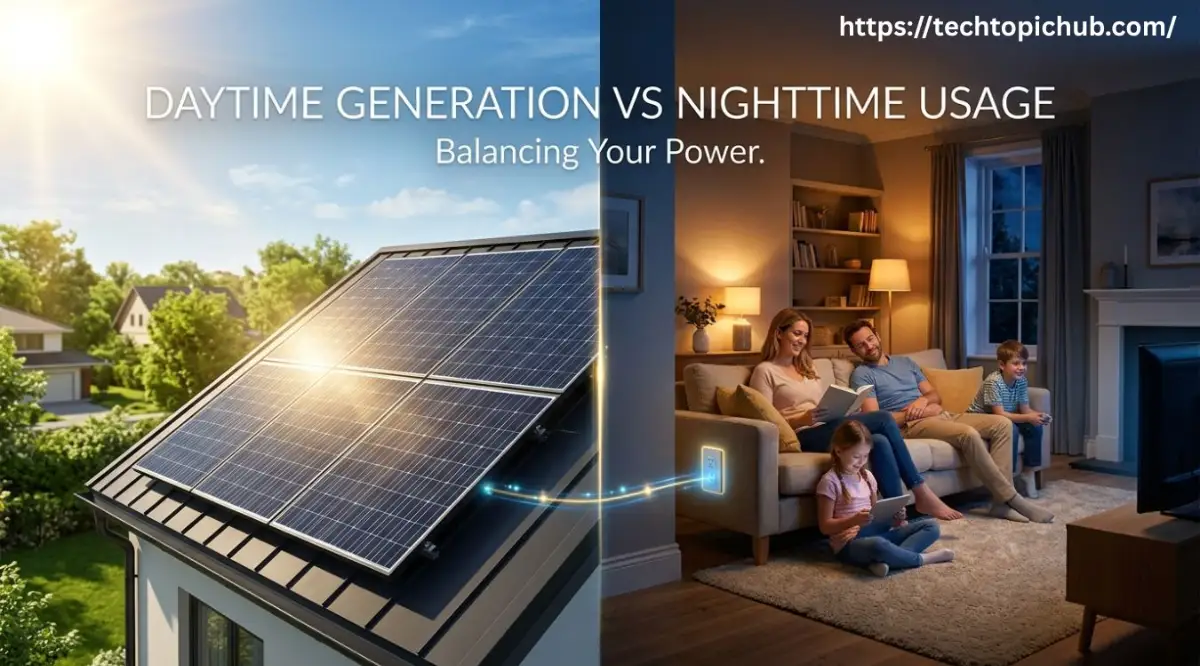
You might notice your system generating massive amounts of electricity during a bright afternoon while everyone is at work or school. But when the family comes home at night, turns on the air conditioning, and switches on the lights, the sun is already gone.
Without understanding how your extra daytime energy relates to your nighttime usage, the mental burden just piles up. You feel like you are bleeding money despite trying to do the right thing for your wallet and the environment.
The good news is that the core concept behind all this is actually incredibly simple once you strip away the technical jargon. Let us break down exactly how you can take back control and actually understand your energy flow.
What You Will Learn in This Guide:
- How your utility company acts like a free virtual battery for your home.
- The simple math behind your bidirectional meter and monthly credits.
- Why staying connected to the grid is usually much cheaper than going totally off-grid.
- Smart daily habits you can start today to completely wipe out your nighttime energy costs.
Decoding the Magic of the Two-Way Energy Street
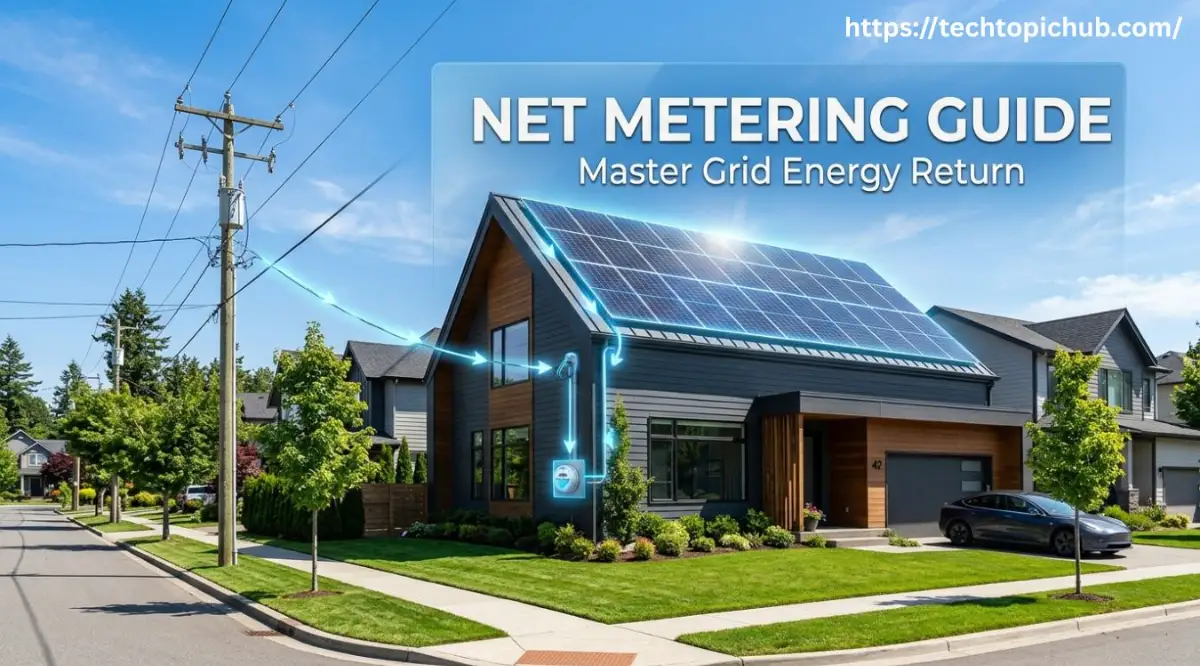
To really grasp how your home handles power, you need to picture your connection to the utility company as a two-way street. Before you had solar, this street was entirely one-way. Electricity only traveled from the power plant directly to your house.
You consumed it, the company tracked it, and they billed you for every single drop you used. Now that you generate your own power, that one-way street has opened up in the opposite direction.
When the sun is shining brightly, your home essentially becomes a miniature power plant. Your panels might produce way more electricity than your home actually needs at that exact moment.
Instead of letting that precious energy go to waste, your system automatically pushes the extra power out of your house. It travels back down those wires and into the main neighborhood grid.
Your neighbors end up using the clean energy your roof just produced. But do not worry, you are absolutely getting credit for this contribution.
This entire process of sending power back and keeping a financial tally is the foundation of energy return.
A Quick Look at the Two-Way Street in Action:
| Time of Day | What Your Panels Are Doing | Your Grid Status |
| High Noon | Overproducing massive amounts of power | Pushing energy out (Earning credits) |
| Late Evening | Asleep in the dark | Pulling energy in (Spending credits) |
The Brain of the Operation: Your Smart Utility Tracker
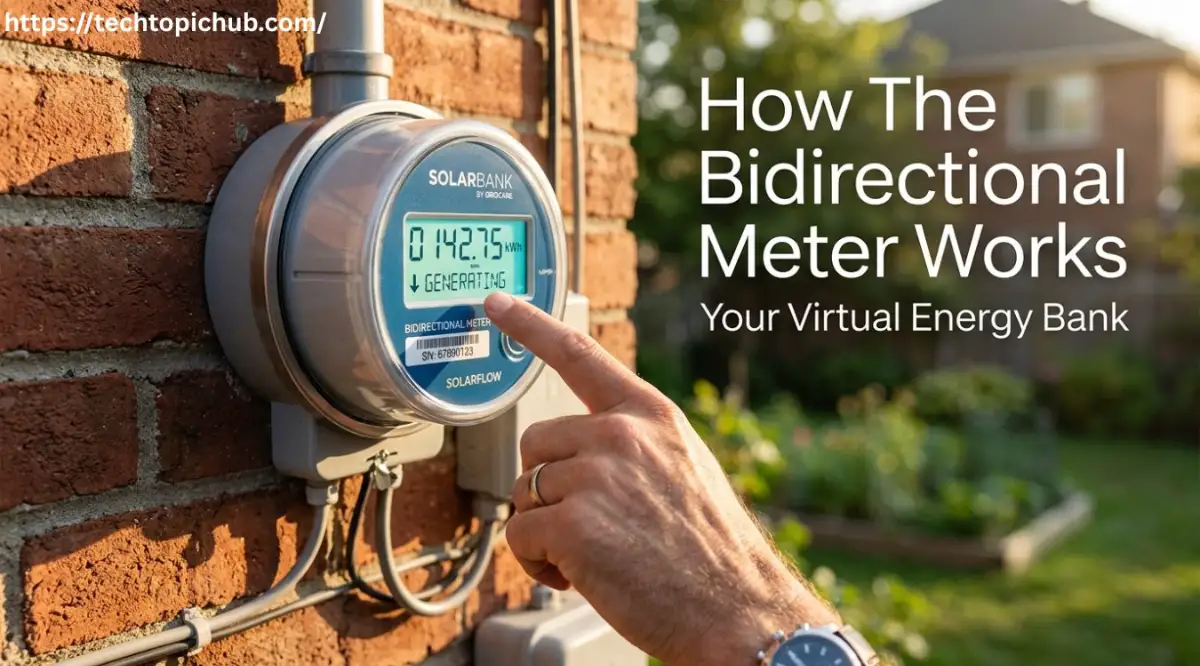
None of this two-way street action works without a very specific piece of equipment. Your utility company must upgrade your old electricity meter to what is called a bidirectional meter.
As the name suggests, this clever device reads energy flowing in two different directions. It measures the electricity you pull from the grid when you need it.
More importantly, it precisely measures the excess electricity you push out into the grid. If you go outside and look at your new meter during a sunny afternoon, you might actually see the digital numbers counting backward.
This is the exact moment you are making your system work for you.
Watch this quick video to see exactly how to read the digital numbers on your bidirectional meter, and keep reading below to learn how those numbers actually turn into a virtual energy bank account!
This meter acts as the strict accountant for your household power. At the end of your billing cycle, the utility company simply looks at the two numbers.
They subtract the energy you gave them from the energy you took from them. The final result is your net usage.
This simple math is exactly where the term "net metering" comes from. You only pay for the "net" difference.
The Virtual Energy Bank Account
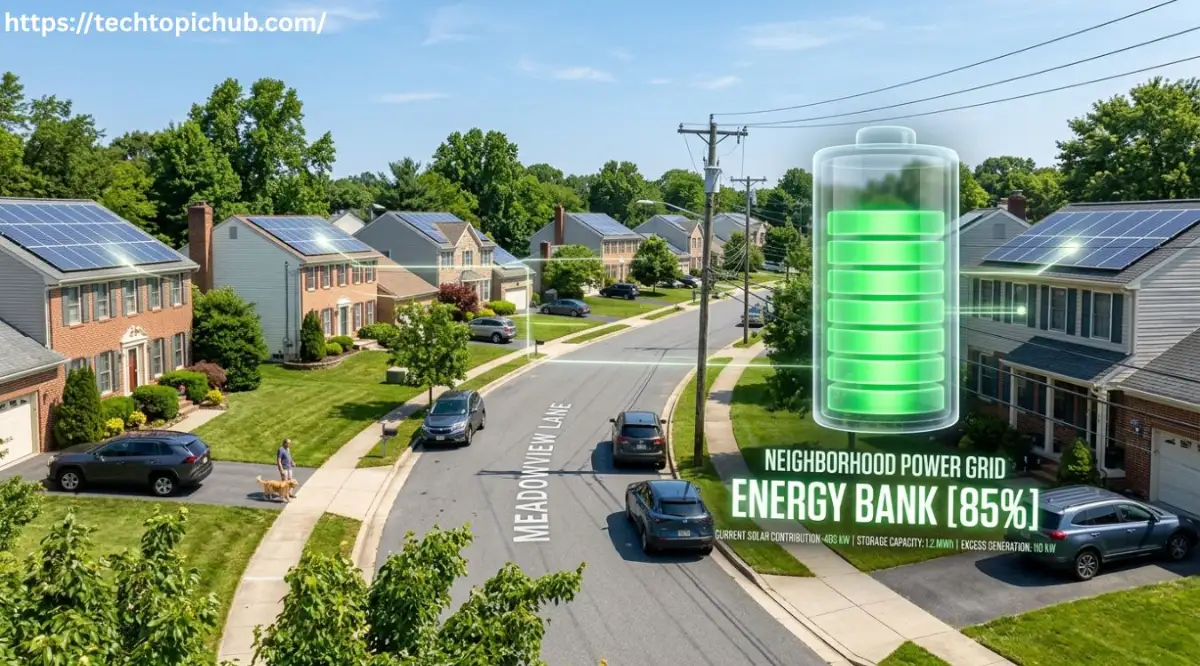
The easiest way to understand this system is to compare it to a basic bank account. Think of the utility grid as a giant, invisible battery that stores your excess power.
When your panels overproduce at noon, you are making a large "deposit" of energy into this virtual bank. The utility company logs this deposit and issues you energy credits.
Later that evening, when the sun goes down and your panels stop working, you need power to run your home. Since you cannot generate your own power in the dark, you withdraw electricity from the grid.
Instead of charging you cold hard cash for this nighttime power, the utility company simply deducts from the energy credits you deposited earlier that day.
If you deposited enough credits during the daytime, your nighttime usage is completely covered. It is a brilliant system because you do not have to buy expensive physical batteries for your garage.
The main utility grid acts as an unlimited, free storage space for your daily overproduction.
I actually made a massive mistake when I first got solar by leaving every single appliance running during the day to "use up" my free sun power. I quickly realized it is much smarter to just let the system naturally push the excess out, bank the credits, and use my appliances normally whenever I actually need them.
Handling the Monthly and Annual Rollovers
A common question that pops up is what happens if you produce more energy than you use for an entire month. Most well-designed home systems are built to overproduce during the long, sunny days of summer.
During these high-production months, your virtual energy bank account gets incredibly fat with leftover credits. Your utility bill for that month might simply show a negative balance or a growing credit pool.
When winter rolls around, the days get much shorter and the sun sits lower in the sky. Your panels will naturally produce far less electricity during these darker months.
However, your home still needs plenty of power for heating, lighting, and daily activities. This is exactly when you tap into the massive pile of credits you saved up during the summer.
The credits roll over from month to month, much like old cell phone minute plans. This annual balancing act is the true beauty of grid energy return.
Your heavy summer production directly subsidizes your weak winter production. By the end of a full 12-month cycle, a perfectly sized system should theoretically leave you with a net-zero balance.
Myth vs Reality: Clearing Up Common Confusions
People hear a lot of rumors about renewable home power, and much of it is completely false. Let us break down a few major misconceptions right now.
Myth: The utility company will send me a big fat check if I overproduce for the whole year.
Reality: Most utility companies will not pay you retail cash for excess credits at the end of the year. They might zero out your credits or pay you a tiny wholesale rate. The goal is to offset your own usage, not to run a commercial power plant from your roof.
Myth: With this system, I will have power even when the main grid goes down during a storm.
Reality: Standard grid-tied systems are actually designed to shut down entirely during a power outage. This is a strict safety feature.
If your panels kept pushing energy into the neighborhood lines while repair crews were working on them, someone could get seriously hurt. Unless you have a specific physical backup battery installed at home, a grid outage means your home goes dark too, regardless of the sun outside.
Myth: I do not have to pay the utility company a single penny ever again.
Reality: Even if your energy credits wipe out your actual power usage, practically all utility companies charge a fixed monthly connection fee. You are still renting the physical wires that connect your house to the neighborhood.
This fee usually ranges from a few dollars to a bit more, depending on where you live. You should always expect this small basic charge on your monthly statement.
Grid Connection vs Off-Grid Independence
Many beginners wonder why they should bother with the main grid at all. Why not just disconnect completely and become totally independent?
Let us look at a simple comparison to see why staying connected is usually the smartest financial move.
As you can see, using the utility company as your virtual storage is highly efficient. Going completely off the grid sounds romantic, but it is incredibly expensive and requires a lot of technical management.
Staying connected allows you to enjoy the financial benefits of solar without the constant stress of managing physical storage limits.
Navigating Time-of-Use Rates
Things get a little more interesting when your utility company uses Time-of-Use billing. This means electricity is more expensive during busy hours and cheaper during quiet hours.
Usually, power is most expensive in the late afternoon and early evening when everyone gets home and turns on their televisions and ovens. It is usually cheapest in the middle of the night or mid-morning.
If you are on this type of billing plan, your solar panels actually become a massive financial weapon. You are generating peak power right in the middle of the day.
When you push that power back to the grid during high-demand hours, some companies will give you premium credits. You are essentially selling high and buying low.
You bank highly valuable credits during the day. Then, you use cheaper grid power late at night to run your dishwasher or charge an electric vehicle.
Understanding this specific detail can literally shave hundreds of dollars off your annual expenses. You just need to check your specific utility contract to see how they value your daytime deposits.
Taking Action on Your Energy Journey
Now that you understand the basic mechanics, you are no longer in the dark. You know that those panels are doing hard work even when you are not actively using appliances.
You understand the absolute necessity of the bidirectional meter. You also know exactly why you still get a piece of paper in the mail every month showing your banking history.
This knowledge gives you the power to actually read your statements with confidence. You can track your seasonal production and predict your winter usage.
Most importantly, you can stop stressing over whether your green energy investment was a smart choice. You have successfully turned a confusing technical process into a simple, manageable part of your household budget.
Your next move is to physically look at your meter, find your latest bill, and match up the numbers. You will immediately see the incredible value of your daily energy return.
Insider Strategies to Maximize Your Solar Energy Savings
Now that you have a solid grasp of how energy travels back and forth, it is time to optimize your setup. Earning credits is just the beginning of your journey toward true energy independence.
To really see your monthly bills drop to zero, you need to play the game smartly. Let us explore some dynamic, expert-level habits you can adopt right now.
These strategies will help you squeeze every single drop of value out of your solar panels.
Mastering the Art of Load Shifting
One of the smartest habits you can develop is something experts call "load shifting." This simply means changing the time of day you run your most power-hungry appliances.
If your utility company charges high rates in the evening, you want to avoid using grid power during those hours. Instead, you should program your heavy machines to run during the middle of the day.
For example, set your washing machine and dishwasher to start at noon when the sun is blazing. Your panels will power these devices directly, bypassing the utility grid entirely.
By consuming your own power immediately, you avoid paying expensive evening rates. Learning how to balance your budget like this is very similar to the secret to building an emergency fund without ignoring your debt.
It all comes down to timing your resources perfectly so you never feel financially squeezed.
I made the terrible mistake of running my pool pump and dryer late at night because I thought it was cheaper, completely wasting my daytime solar production. Once I switched all my heavy chores to high noon, I saw my stored credits pile up instantly.
Turning Your Smartphone Into an Energy Dashboard
You cannot manage what you do not measure. Almost every modern solar setup comes with a dedicated smartphone app.
Do not just let this app sit unused on your home screen. Make it a daily habit to check your production numbers while you drink your morning coffee.
These apps show you exactly when your roof is producing maximum power. You will clearly see the peaks and valleys of your energy flow throughout the week.
According to guidelines from the Department of Energy on residential solar systems, actively monitoring your daily usage is the fastest way to identify energy waste.
Once I started checking my app daily, I realized my old refrigerator was pulling massive amounts of power in the middle of the night. Upgrading that one appliance saved a huge portion of my stored energy credits.
Weatherproofing Your Home First
Many people think the only way to get more energy credits is to install more solar panels. This is a very expensive misunderstanding.
The cheapest energy is the energy you never actually use. Before you spend thousands on extra panels, take a hard look at your home insulation.
Seal up drafty windows, add weatherstripping to your doors, and upgrade to LED light bulbs. Every watt of electricity you save inside the house is a watt that gets pushed out to the grid.
This means a well-insulated house naturally generates far more energy credits than a drafty one. Furthermore, making these smart energy upgrades is a proven way to speed up the home selling process if you ever decide to list your property.
Buyers absolutely love houses that already have extremely low operating costs.
Understanding the Anniversary True-Up Date
Your utility company keeps track of your credits on a 12-month cycle. At the end of this yearly cycle, they perform a final audit called a "true-up."
This is the day they calculate your total energy deposits against your total energy withdrawals for the entire year. It is highly important to know exactly which month your true-up date falls on.
If your true-up date is right after winter, you might owe a small balance because you just used up all your summer credits. If your true-up is at the end of summer, you might have excess credits that the utility company simply wipes away.
By knowing this exact date, you can adjust your thermostat in the weeks leading up to it. You never want to leave valuable credits on the table right before the annual reset.
My Personal "True-Up" Strategy: About two weeks before my yearly anniversary date, I log into my utility account to check my leftover balance. If I see I have a huge pile of credits that are about to expire and disappear, I stop worrying about saving energy. I will turn up the AC, run my heavy washing machine, and keep the house extra comfortable just so I do not waste the power I rightfully earned.
Costly Blunders That Secretly Drain Your Wallet
Even with the best intentions, I see homeowners making the same painful mistakes over and over again. These errors can turn a highly profitable solar system into a massive source of stress.
Let us walk through these common traps so you can protect your hard-earned money. Avoiding these pitfalls is the only way to keep your utility bills permanently low.
The "Bigger is Better" System Trap
When I first looked into renewable home power, I assumed I should cover every single inch of my roof with panels. I thought that if I generated double the power I needed, the utility company would write me a massive check every month.
This is an incredibly dangerous and expensive assumption. The vast majority of utility providers will not pay you retail cash prices for your excess energy.
At the end of your annual cycle, they usually buy back leftover credits at a tiny, wholesale fraction of a penny. Sometimes, they do not pay you out at all; they simply erase the extra credits.
If you take out a massive loan to build a system that is way too big for your family, you will never see a return on that extra investment. You are essentially paying top dollar to generate free power for your utility company.
Always size your system to match your actual historical energy usage, maybe adding just a tiny buffer for future needs.
Falling for the "Free Electricity" Illusion
There is a psychological trick that happens the moment those panels go active. You look up at the roof and suddenly feel like electricity is completely free.
Because of this mindset, families start leaving lights on in empty rooms. They leave the air conditioner running at full blast while everyone is away at work.
They assume the sun will just cover all these bad habits. Unfortunately, the math does not work out in your favor.
If you drastically increase your energy consumption, you will burn through all your daytime credits instantly. When winter arrives, you will have zero rollover credits stored in your virtual bank.
You will suddenly get hit with a huge power bill in December and feel completely betrayed by your system. You must maintain the exact same energy-saving habits you had before the installation.
Ignoring the Slow Creep of Nature
Your roof might be perfectly sunny on the day your system is installed. But nature does not stand still.
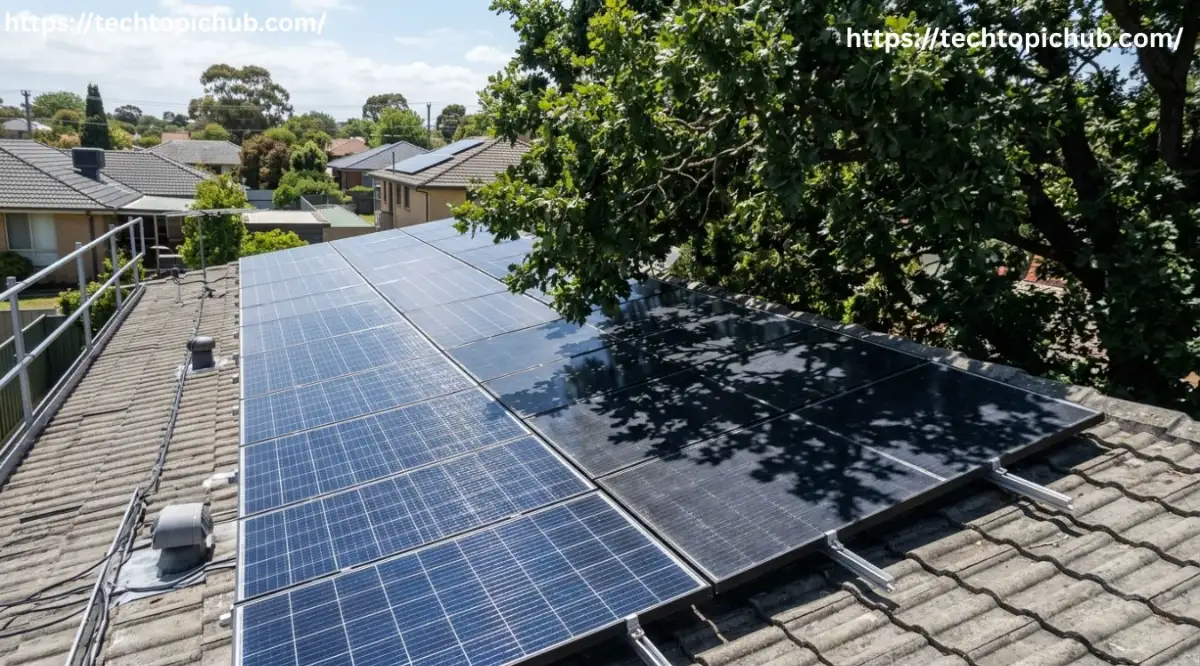
That tiny little oak sapling in your neighbor's yard is going to grow significantly taller over the next few years. Before you know it, heavy branches are casting dark shadows over your panels during peak afternoon hours.
Research from the National Renewable Energy Laboratory (NREL) clearly indicates that shading just a small portion of a solar array can drastically reduce the output of the entire system.
It is incredibly frustrating to watch your energy credits slowly drop month after month because of a single tree branch. You need to do a visual inspection of your roofline every single spring.
Keep your own trees trimmed back, and have polite conversations with neighbors if their trees start blocking your sunlight. Protecting your sky access is just as important as maintaining the hardware itself.
Misunderstanding the Fixed Monthly Fees
One of the biggest shocks for new solar owners is receiving a bill that is not completely zero. They call the power company, furious that they are still being charged.
They fail to realize that being connected to the main neighborhood grid is not a free service. You are using their physical poles, wires, and transformers to store your energy credits.
Utility companies charge a fixed monthly connection fee for maintaining this infrastructure. Depending on your local provider, this can be a very small charge or a noticeable monthly expense.
You must factor this permanent base fee into your household budget. It is simply the cost of doing business and using their massive grid as your personal battery bank.
Taking Back Your Financial Power Today
Understanding how your home interacts with the main power grid is an incredibly freeing experience. You no longer have to guess why your bills fluctuate or wonder where your excess energy goes.
You now know exactly how to bank your daytime power and spend it wisely at night. By actively monitoring your usage and avoiding common sizing traps, you are setting yourself up for decades of financial relief.
The days of feeling helpless against rising utility rates are officially over. You are now the smart energy manager of your own household.
If you want to dive deeper into smart home management, you can always explore our main hub for tech and home optimization strategies.
I remember the exact moment I finally matched my panel production with my daily habits, and my monthly bill dropped to just the basic connection fee. It felt like I had cracked a secret code, giving my family a brand new level of financial security. You have all the tools you need to achieve that exact same peace of mind starting today.
Honest Answers to Your Biggest Energy Questions
Do my banked solar credits ever expire?
Yes, they usually do expire once a year. Your utility company will set a 12-month anniversary date, often called a true-up date. On this specific day, any leftover credits are either paid out at a very low rate or completely erased to start the new year fresh.
Can I transfer my extra power credits to a different house?
Generally, energy credits are permanently tied to the specific electric meter where they were generated. If you move to a new house or own a rental property, you cannot transfer your extra power balance to those other accounts. The credits stay with the physical property, not the person.
Will a bidirectional meter automatically increase my basic electric bill?
No, the new hardware itself does not cost you extra money on your monthly usage statement. The utility provider installs this specific tracker purely to measure your inbound and outbound flow accurately. It is simply the tool that allows your credit system to function properly.
What happens to my credits if the neighborhood power grid goes down?
During a power outage, your system will automatically shut off for safety reasons, meaning you stop generating and banking power. Your existing saved credits will remain safely on your account ledger. However, you cannot use those banked credits to power your home while the physical grid is offline.
Does the utility company buy back my energy at the exact same retail price?
This depends heavily on local laws and your specific utility contract. Some states mandate a one-to-one retail match, meaning every watt you send out equals a full watt you can pull back later. Other areas use standardized guidelines, similar to those outlined by the Solar Energy Industries Association (SEIA), which might value your outgoing power at a slightly lower wholesale rate.
Taking control of my home power system changed everything from my monthly budget to my peace of mind. I promise that once you start matching your daily habits with your panel production, you will wonder why you did not figure this out sooner.
Disclaimer: The information provided in this article is for educational and informational purposes only. It does not constitute financial, legal, or professional energy advice. Utility rates, net metering policies, and local regulations vary widely by location and are subject to change. Always consult with a certified solar professional and review your specific utility company's official contract before making any financial investments or home modifications.