The Freezing Nightmare: Why Is My House Always So Cold?
Are you paying a massive heating bill every month but still shivering on your own living room couch? You definitely aren't alone. Many homes silently leak expensive warm air right through the ceiling, all while sucking freezing outdoor drafts through the floorboards. The good news is that you don't need a huge renovation budget to fix this. Let's look at a few simple, proven tricks that actually keep the heat locked inside where it belongs.
I remember sitting on my living room couch, wrapped in three heavy blankets, and still shivering uncontrollably. My heater was running constantly, racking up a massive energy bill, yet the air inside felt like an absolute icebox. I would walk past the front door and feel this invisible, freezing breeze hitting my bare ankles. It frustrated me so much because I had just paid a fortune for heating, and my home still felt completely unwelcoming. I finally realized that simply turning up the thermostat was a huge mistake. My house was literally throwing my hard-earned money out into the freezing night.
When your living space cannot hold its warmth, every room becomes a zone of discomfort. You find yourself forcing your kids to wear extra sweaters indoors just to keep them from catching a cold. Cooking in the kitchen feels like standing in a wind tunnel, and taking a shower becomes a terrifying race against the freezing bathroom air. It completely destroys your mental peace when you realize your sanctuary is failing to protect you from the harsh weather outside.
Why do we accept this miserable reality? Most people simply believe that a cold, drafty house is just a normal part of living in a harsh winter environment. We accept the misery instead of actively hunting down the invisible thieves stealing our expensive warm air.
But I am here to tell you that you do not have to live like this anymore. There are scientifically proven, incredibly simple ways to track down exactly where your heat is escaping. Once you understand the physics of your home, you can block these leaks and instantly reclaim your comfort.
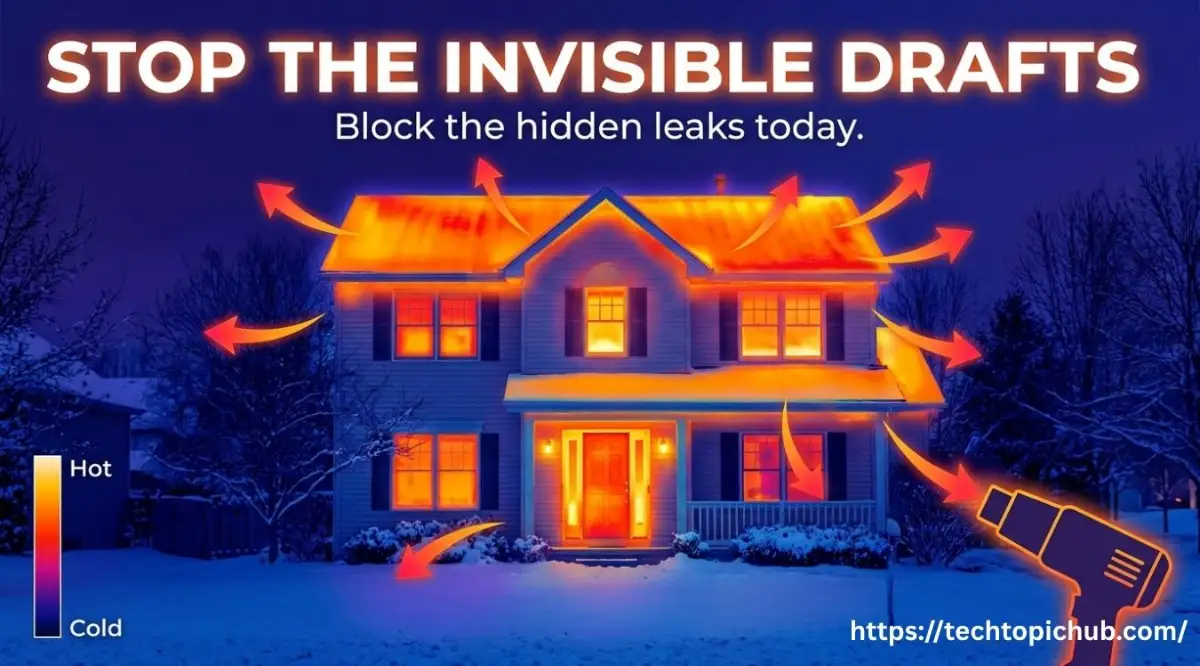
Quick Takeaways: How to Trap the Heat
- Stop heating the outdoors by locating hidden attic leaks (also known as the 'Stack Effect').
- Find invisible window drafts easily using the paper money or candle trick.
- Reverse your ceiling fan so it spins clockwise on low speed to push warm air downward.
- Use cheap plastic shrink film on old windows to create a dead-air insulation barrier.
- Stop relying on expensive space heaters; fix the actual drafts to lower your electric bill.
The Science of Escaping Warmth: Understanding Your Home's Airflow
Before we start blocking drafts, we need to understand exactly how a house breathes during the cold months. Warm air acts very differently than cold air, and understanding this basic science is the key to solving your freezing house. By learning a few simple principles, you can outsmart the cold weather and keep your expensive heat locked inside where it belongs.
Let us look at a simple scientific concept called the "Stack Effect." When your heating system warms the air inside your rooms, that warm air becomes lighter and naturally floats upward toward your ceiling. As this heated air pushes its way up into your attic and escapes through the roof, it creates a vacuum in the lower levels of your house. This powerful vacuum actually sucks freezing cold outdoor air in through the gaps around your basement, doors, and lower windows.
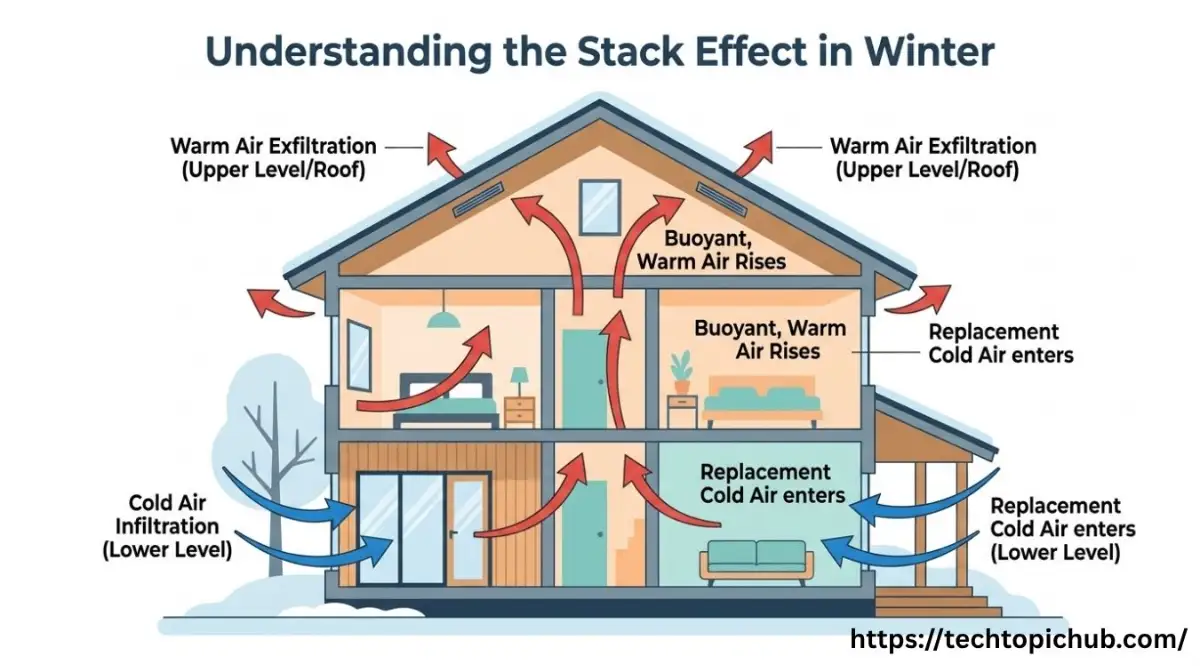
Imagine pouring hot water into a bucket that has dozens of tiny holes drilled into the bottom and sides. No matter how much hot water you pour into that bucket, it will never stay full, and it will never stay hot. Your home acts exactly like this leaky bucket when you ignore the hidden gaps in your building structure. You are essentially paying the utility company to heat the outdoors while your family shivers inside.
To stop this endless cycle of wasted energy, we need to locate the biggest holes in your specific bucket. We have to inspect the exact areas where the most intense heat transfer happens daily.
The Ultimate Escape Route: Your Attic and Roof
The single biggest thief of your indoor warmth is sitting right above your head. Because hot air always rises, your ceiling and attic take the absolute most pressure from your heating system. If your attic lacks proper protection, your expensive heated air simply passes right through the ceiling materials.
Think of your attic insulation as a thick, fluffy winter beanie for your house. If you wear a heavy winter coat but walk outside in a blizzard with no hat, your body heat will quickly escape from the top of your head. A poorly insulated roof works the exact same way, pulling massive amounts of warmth away from your living spaces.
When you have thin or compressed insulation up there, the heat easily transfers into the freezing attic space. From there, it gets blown away by the outside wind through the roof vents. You can often spot a badly insulated roof from the outside by looking at the frost or ice covering the shingles. If the snow on your roof melts much faster than your neighbor's roof, your home is severely leaking heat.
The Invisible Culprits: Drafty Windows and Glass Panels
Next on the list of major heat thieves are the windows scattered throughout your beautiful home. Even when they are locked completely shut, standard windows are notorious for pulling warmth out of a room. Glass is a terrible insulator by nature, meaning it easily absorbs the cold from the outside and transfers it directly inside.
If you have older, single-pane windows, you are losing an enormous amount of energy every single hour. Single-pane glass offers almost zero resistance to extreme temperatures, making the air right next to the window feel like a refrigerator. Even with double-pane glass, the rubber seals around the window frames degrade and crack over time.
"I used to think buying a bigger, more expensive heater would solve everything, but I quickly learned that was a terrible idea. I finally realized that fixing the tiny, invisible gaps around my living room windows first gave me immediate warmth and saved me a ton of cash."
When these rubber seals crack, they create an open highway for freezing winter winds to blow straight into your bedroom. You can actually test this today by holding a lit candle near the edges of your closed windows.
If the small flame flickers or blows out entirely, you have found a major source of your winter misery. Covering these glass panels with thermal-lined curtains can dramatically slow down this specific type of heat loss.
My 3-Step Quick DIY Draft Test Checklist:
- The Lighter Test: Hold a lit lighter or candle near your closed window seams. If the flame dances or blows out, you are losing money.
- The Paper Money Trick: Shut a dollar bill inside the window or door frame. If you can pull it out easily without any resistance, the rubber seal is completely dead.
- The Daylight Check: Turn off all indoor lights during a sunny day. If you see sunlight peeking through the edges of your front door, that is exactly where the freezing night air gets in.
The Gateway for Freezing Winds: Exterior Doors
Your front, back, and side doors are literally massive holes cut directly into the protective walls of your house. Every time you open them, you lose a massive chunk of your indoor warmth. But the real problem happens when the doors are securely closed and locked for the night.
Look closely at the very bottom of your front door where it meets the floor threshold. If you can see sunlight shining through a gap at the bottom during the day, cold wind is pouring through that exact same gap at night. A tiny gap of just one-eighth of an inch under a standard door is equal to having a two-inch hole punched straight through your living room wall.
The weatherstripping around the sides and top of the door frame also gets flattened and ruined from constant opening and closing. When this protective foam fails, cold air easily sneaks through the edges, creating that freezing breeze you feel on your ankles. Placing a heavy, fabric draft stopper at the base of the door is an incredibly cheap and highly effective way to block this specific leak.
The Silent Energy Drain: Uninsulated Walls and Floors
We rarely think about our solid walls and floors as areas where heat can escape. They feel incredibly solid to the touch, so we naturally assume they block the cold weather perfectly. However, if your home has empty wall cavities or uninsulated crawl spaces, you are losing a massive amount of radiant heat.
Cold temperatures from the freezing ground easily transfer through a concrete foundation and into your floorboards. This is exactly why walking barefoot on a winter morning feels so incredibly painful. If the floors above an unfinished basement or garage are not protected, your heater has to work twice as hard to keep the room livable.
Summary of Average Heat Loss by Area
To give you a very clear picture of where your money is going, I have broken down the statistics. Here is a simple look at the average percentage of heat lost through different parts of a typical house.
As you can see from this simple breakdown, treating just one area is never enough. You have to look at your entire house as a connected system to truly stop the cold air from invading.
Myth vs. Reality: The Thermostat Illusion
Let us take a moment to completely bust a very common myth that is costing you a lot of money.
The Common Myth: Cranking the thermostat up to 80 degrees will heat up a freezing room much faster.
The Actual Reality: Your furnace produces the exact same temperature of air whether you set it to 70 degrees or 80 degrees. Turning it up higher just forces the machine to run for a much longer period of time.
If your home has massive leaks in the attic and around the windows, running the heater longer just pushes more warm air out of those specific holes. You are simply accelerating the Stack Effect we talked about earlier. The absolute best way to heat a room faster is to completely block the drafts so the warm air actually stays trapped inside.
I used to make this exact mistake every single night—I would just crank my heater up to 80 degrees and pray for the best. It was not until I grabbed a cheap draft stopper for my front door and locked my windows properly that I realized how much warm air I was actively losing. Fixing those tiny gaps made my living room feel incredibly cozy in just a few hours, without me having to touch the thermostat ever again.
Overlooked Hiding Spots: Electrical Outlets and Fireplaces
Many homeowners successfully seal their windows and doors but completely forget about the tiny holes built right into their walls. Your electrical outlets and light switches are directly connected to the empty, uninsulated spaces inside your wall cavities. When the winter wind blows hard against the outside of your house, that cold air actually travels through the walls and blows out of your electrical sockets.
You can easily test this by simply putting your hand over an outlet on a windy day. You will likely feel a shocking stream of ice-cold air hitting your palm. Simply installing cheap foam gaskets behind the plastic outlet covers will block this annoying hidden draft forever.
Another massive hole in your house is your beautiful, traditional fireplace. When you are not actively burning a fire, your chimney acts like a giant open straw, sucking your expensive heated air straight up into the sky. If you forget to tightly close the chimney damper, you are essentially leaving a large window wide open all winter long. Using a removable chimney balloon or a heavy draft block when the fireplace is not in use will save you an unbelievable amount of energy.
By actively identifying and fixing these specific problem areas, you take total control over your home's comfort. You no longer have to fear the incoming winter storms or dread the monthly utility bills. You have the power to turn your freezing house back into the warm, protective sanctuary your family truly deserves.
Pro-Level Secrets to Trap the Heat Inside Your Home
Once you understand where the cold air is sneaking in, it is time to take aggressive action. You do not always need to hire an expensive contractor to fix these issues. Some of the most effective solutions are surprisingly simple things you can do yourself on a lazy Sunday afternoon. Let us look at a few advanced strategies that professionals use to permanently trap warmth inside a living space.
One of the best kept secrets in home weatherization is utilizing clear window shrink film. This inexpensive plastic sheeting acts like an invisible shield against extreme freezing temperatures. You simply apply the double-sided tape to your indoor window frame, press the plastic sheet into place, and heat it with a standard hairdryer. As the hot air hits the plastic, it tightens like a snare drum, creating a thick pocket of dead air between your room and the freezing glass.
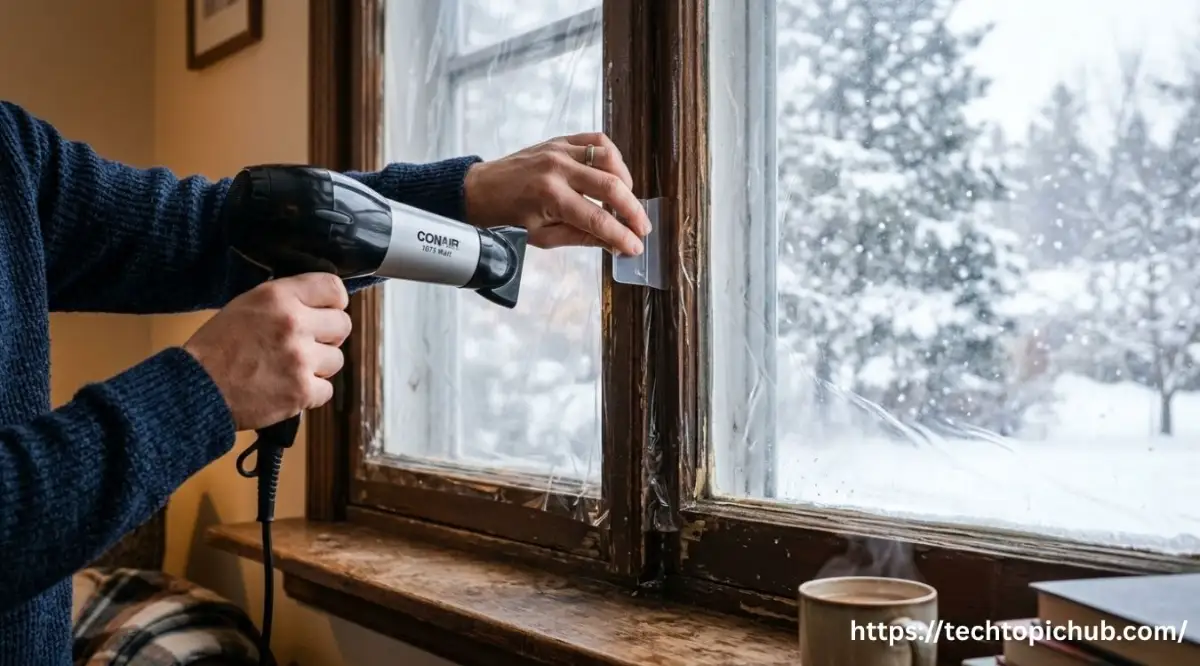
This trapped pocket of dead air is an incredibly powerful insulator. The cold from the outside glass cannot easily pass through that empty space to reach your living room. According to the experts at the U.S. Department of Energy, properly sealing these gaps can drastically lower your monthly utility costs. It is an extremely cheap fix that pays for itself in just a few days.
The Reverse Ceiling Fan Trick
When we think of ceiling fans, we instantly picture hot summer days and cooling breezes. Because of this, most people completely ignore their fans from October until April. However, your ceiling fan is actually one of the greatest secret weapons for surviving a freezing winter. You just have to know exactly how to use it to your advantage.
Look closely at the base of your ceiling fan motor, and you will find a small, hidden switch. Flipping this switch changes the direction of the spinning blades from counterclockwise to clockwise. When the blades spin clockwise on the absolute lowest speed, they completely change the airflow of the room. Instead of blowing air down to cool you off, the fan pulls cool air up from the floor.
This upward pull gently forces all the hot air trapped near your ceiling back down along the walls. It constantly mixes the air in the room, eliminating those freezing cold spots near the floorboards. You will instantly feel warmer without ever touching your thermostat settings.
Ceiling Fan Settings Cheat Sheet:
| Season | Fan Direction | Speed | Why It Works |
| Winter | Clockwise | Low | Pushes trapped warm air down from the ceiling to warm up the room. |
| Summer | Counter-Clockwise | Med/High | Creates a direct downward breeze to cool off your skin. |
Insulating the Forgotten Attic Hatch
We talked earlier about how the roof is the biggest thief of your indoor heat. Many homeowners will spend thousands of dollars blowing fresh, thick insulation across their entire attic floor. Yet, they completely forget about the one giant hole right in the middle of all that fluffy material. I am talking about your pull-down attic staircase or access hatch.
This thin piece of plywood is practically invisible to the naked eye, but it is a massive thermal leak. Hot air slams against that thin wood and instantly transfers into the freezing attic above. You can easily fix this by purchasing a specialized attic stair cover or an insulation tent.
These lightweight covers simply zip or fold over the top of the stairs inside the attic. They create an airtight seal that stops your expensive heating from floating away into the sky. If you ever plan on moving, having a highly energy-efficient, well-insulated home is a proven way to speed up the selling process significantly. Buyers love homes that do not cost a massive fortune to keep warm.
The Incense Stick Audit Method
If you want to find the tiny, invisible drafts around your house, you need to think like a professional auditor. Professionals use expensive thermal imaging cameras, but you can get amazing results with just a cheap stick of incense. This is a brilliant, low-tech way to visually track exactly how the air moves through your specific rooms.
On a very cold and windy day, turn off your heater and all your ceiling fans so the indoor air is completely still. Light the incense stick and slowly walk around the outer edges of your home. Hold the smoking stick near your window frames, baseboards, electrical outlets, and exterior door hinges.
Watch the trail of smoke very closely. If the smoke floats straight up, that area is perfectly sealed and safe. If the smoke suddenly blows sideways or dances around wildly, you have just discovered a hidden cold air leak. Mark these specific spots with a small piece of blue painter's tape so you know exactly where to apply caulk or weatherstripping later.
"Want to see exactly how to track down those hidden, freezing drafts in real-time? Watch this quick video demonstration below to master the trick, and then keep reading to find out how to permanently seal the leaks you discover!"
Upgrading Your Home's Textiles
Sometimes the best insulation does not come from a hardware store at all. Upgrading the textiles and fabrics inside your home can dramatically change how warm a room actually feels. If you have beautiful hardwood, tile, or laminate floors, you are losing a lot of radiant heat straight into the ground.
Laying down thick, plush area rugs creates a protective barrier between your bare feet and the freezing foundation. Rugs act exactly like a warm sweater for your floors, absorbing the indoor heat and holding onto it for hours. If you want to dive deeper into smart home upgrades, you can easily explore the latest tech topics that focus on modern energy efficiency.
Similarly, swapping out your lightweight summer curtains for heavy, thermal-lined drapes is an absolute game-changer. Thermal curtains have a special acrylic backing that physically blocks cold window drafts from entering the room. Just make sure you open them during sunny days to let the free solar heat inside, and tightly close them the second the sun goes down.

The Dangerous Mistakes That Ruin Your Heating Efforts
Trying to fix a freezing house without the right knowledge can easily lead to some massive frustrations. Many well-meaning homeowners actually make their living spaces colder and more expensive by falling into common traps. Let us walk through the most dangerous pitfalls so you can avoid wasting your time, money, and energy.
One of the absolute worst mistakes you can make is relying heavily on portable electric space heaters to warm your entire house. Space heaters are fantastic for warming up a small, enclosed office for a quick hour or two. However, using them constantly in large, drafty living rooms is a massive financial mistake.
These little machines consume an unbelievable amount of electricity, and they completely ignore the root cause of the problem. You are basically trying to bail water out of a sinking boat without ever plugging the actual hole. Relying on them will cause your electric bill to skyrocket, completely ruining your monthly budget. If you are actively building a solid emergency cash reserve, a shocking winter electricity bill is the last thing you want to deal with.
The Exhaust Fan Disaster
Another silent killer of indoor warmth is the simple exhaust fan located in your bathroom or kitchen. These fans are highly necessary for removing cooking smoke and dangerous bathroom humidity. The problem happens when we turn them on and completely forget about them for hours.
A standard bathroom exhaust fan is powerful enough to completely suck all the heated air out of an average-sized home in just one single hour. Every bit of warm air that fan blows outside is instantly replaced by freezing cold air sneaking in through the cracks. It is basically a giant vacuum cleaner for your expensive heating system.
According to guidelines by Energy Star on ventilation standards, you should only run these fans for about 15 to 20 minutes after a shower. Installing a cheap countdown timer switch on the bathroom wall ensures the fan automatically turns off, saving you a massive amount of lost heat.
Closing Vents in Empty Rooms
There is a very old, deeply misunderstood piece of advice that says you should close the air vents in unused guest rooms. The logic seems to make sense at first glance. Why pay to heat a bedroom that nobody is currently sleeping in? Unfortunately, this tactic actually damages your modern heating system and makes your home colder.
Your central HVAC system is carefully balanced to push and pull a very specific amount of air. When you aggressively shut those metal vents, the system still tries to push the same amount of air through the remaining open ducts. This creates massive static pressure inside your ductwork, forcing warm air to leak out into your attic or basement through the tiny seams in the metal pipes.
This added pressure forces the blower motor to work incredibly hard, drastically shortening the lifespan of your expensive furnace. Instead of saving money, you end up leaking heat into empty crawlspaces while wearing out your main machine. You should always leave your vents open to maintain proper airflow and pressure.
Closing Windows Without Actually Locking Them
This mistake sounds incredibly silly, but millions of people do this every single winter. When the weather gets cold, we all run around the house pushing our window sashes tightly shut. We think that simply sliding the window down is enough to stop the outside wind from getting inside.
However, a closed window is not actually a sealed window. The locking mechanism in the center of the frame is designed to do much more than just prevent break-ins. When you flip that lock into place, it actively pulls the upper and lower window sashes tightly together.
This pulling action firmly compresses the rubber weatherstripping between the glass panes, creating an airtight seal. If you just push the window down without engaging the lock, the wind will easily push through that tiny millimeter of open space. Take ten minutes tonight to walk around your house and physically lock every single window frame.
Your Personal Action Plan for a Cozy Winter
You no longer have to accept a freezing, uncomfortable house as a normal part of the winter season. By understanding exactly how heat escapes, you are now completely equipped to fight back against the cold weather. You know how to track down the hidden drafts, and you know the smart, cheap ways to block them permanently.
Start small by tackling the easiest projects first. Lock all your windows, flip the switch on your ceiling fans, and put a heavy draft blocker under your front door tonight. These tiny, five-minute actions will immediately change how the air feels inside your living space.
As you gain confidence, you can move on to applying window shrink film and sealing up those hidden wall outlets. You are taking complete control over your environment and protecting your hard-earned money from floating away into the freezing sky. A well-sealed home not only protects your family from the cold, but it also increases the overall market appeal of your property for the future.
Whenever I walk into my warm living room on a freezing snowy night, I feel an incredible sense of relief. I completely stopped throwing my money out the window, and my family finally gets to enjoy the true comfort they deserve. Take just one small action from this guide today, and I promise you will feel the warm difference immediately!
Common Questions About Winter Home Comfort
Does applying plastic shrink film to windows actually work?
Yes, it works exceptionally well. The plastic film creates a tightly sealed pocket of dead air between your warm room and the freezing glass pane. This acts as a highly effective insulation barrier that stops cold drafts instantly.
Why is my house so cold even with the heater running constantly?
Your house is likely suffering from the "Stack Effect," where hot air escapes through a poorly insulated roof. This creates a vacuum that constantly sucks freezing outdoor air inside through lower doors and windows. You must seal the gaps before the heater can actually do its job.
Are heavy thermal curtains better than regular blinds for winter?
Absolutely. Standard plastic blinds do almost nothing to block cold temperatures from radiating off the glass. Thermal curtains have a thick, coated backing that physically traps the cold draft against the window, keeping your actual room much warmer.
Should I really leave my ceiling fan on during the winter?
Yes, but only if you switch the motor to spin clockwise on the lowest speed setting. This gently pulls cool air upward and forces the trapped warm air down the walls into your living space. It makes the entire room feel significantly warmer.
Will closing vents in unused rooms lower my heating bill?
No, it actually creates dangerous pressure inside your ductwork. This pressure forces your hot air to leak into unheated areas like your attic or basement, and it severely strains your furnace motor. It is always better to leave the vents open to maintain proper system balance.
Looking back, spending a Sunday afternoon sealing up my home was the smartest thing I ever did for my family's comfort and my bank account. You really do not have to live with freezing toes or scary energy bills anymore. Pick just one simple trick from this list to try out tonight, and start enjoying the warm, cozy house you truly deserve!
Disclaimer: The information provided in this article is for educational and informational purposes only. Every home is built differently, and heating systems vary greatly. Always consult with a certified HVAC professional or a licensed home energy auditor before making major modifications to your ductwork, electrical systems, or roofing insulation. We are not responsible for any damage or injury that may occur while attempting DIY home repairs.