The Silent Frustration Behind Sudden Power Failures
I still remember that boiling hot summer night when everything went completely dark. My family was trying to sleep, and suddenly, the ceiling fan stopped spinning and the room became terribly suffocating. I walked over to the hallway expecting to hear the familiar hum of our home power backup unit, but there was just dead silence.
The main battery had completely died out, and the machine itself was totally unresponsive. I felt so frustrated because I had spent a big chunk of my savings on that setup just a few months earlier. It turned out that a tiny bit of neglect on my part caused the whole system to shut down when we needed it the most.
This is a reality for so many of us who rely on backup power to keep our homes running smoothly. You buy an expensive machine thinking it will solve all your daily problems and bring you complete peace of mind. But when the grid goes down and your backup fails, that mental peace completely disappears.
Instead of finishing your remote work or enjoying a quiet evening, you find yourself sweating in the dark. You start worrying about the food spoiling in the refrigerator or your children struggling to finish their homework. These sudden interruptions completely destroy your daily routine and leave you feeling completely helpless.
Many people blame the manufacturing brand or the shop owner when their machine stops working properly. But the real truth is usually hidden in our own daily habits and how we treat these heavy-duty machines. We often install them in a dark corner of the house and completely forget about their existence until an emergency strikes.
A power backup system requires simple maintenance and care, much like a living, breathing component of your house. The interior components begin to deteriorate far more quickly than they should when you neglect their basic requirements. You may prevent extreme stress and unforeseen repair costs by just devoting a few minutes each month to simple maintenance.
Taking Charge: How to Keep Your Power System Running Strong
Breaking Free from the "Install and Forget" Trap
Most people fall into the dangerous trap of believing that modern electrical machines do not need human attention. We often assume that once a technician plugs the wires into the wall, our job is completely done. This mindset is exactly what slowly kills the most expensive parts of your backup energy system.
The truth is that every electrical machine generates heat and experiences daily wear and tear. Your backup unit works incredibly hard silently in the background, constantly switching between charging and discharging. If you do not actively monitor its health, small unseen issues will quickly turn into complete system failures.
Let me share a quick reality check that completely changed how I view my home electrical setup.
Myth: "Sealed or maintenance-free systems never need any kind of physical inspection."
Reality: Even completely sealed units collect dust, face wire degradation, and suffer from poor room airflow over time. Every single machine on earth needs basic visual inspections.
When you start treating your energy backup like a valuable asset, its performance will genuinely surprise you. You will notice that the backup time stays consistent, and the annoying warning beeps happen much less often. It all begins with a few simple steps that anyone can easily perform at home without calling an expensive technician.
The Secret to Maximum Airflow and Cooling
One of the biggest enemies of any electronic machine is trapped heat. When your system is actively charging or supplying energy to your ceiling fans, the internal circuits get extremely hot. If this heat cannot escape the room quickly, the internal parts will slowly start to melt or degrade.
Many homeowners make the terrible mistake of pushing the main unit directly against a solid wall. Others try to hide the machine inside a closed wooden cabinet because they think it looks ugly in the hallway. This blocks the cooling fans and forces the machine to work twice as hard to keep itself cool.
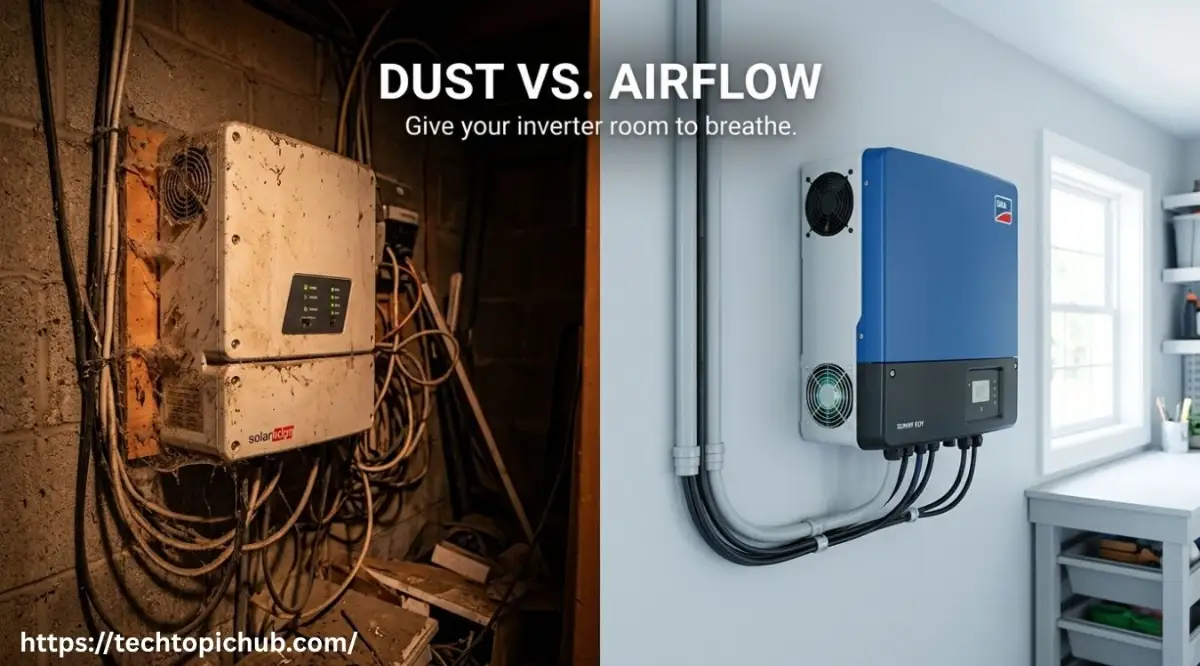
Always ensure there is a clear gap of at least six to eight inches around all sides of the main box. This empty space allows fresh air to circulate and pulls the dangerous heat away from the sensitive circuit boards. If your machine is kept in a small utility closet, you should strongly consider installing an exhaust fan.
A cool environment directly translates to a much longer lifespan for both the main unit and the storage cells. You will actually notice that the cooling fan inside the machine spins less loudly when the room itself is well-ventilated. Just this one simple adjustment can easily add several extra years to your entire setup.
Defeating the Hidden Danger of Dust and Rust
You might be surprised to learn how much damage a thin layer of household dust can cause. Dust particles naturally carry tiny amounts of moisture and conductive materials from the air. When this dust settles on the top of your machine, it can easily slip inside through the cooling vents.
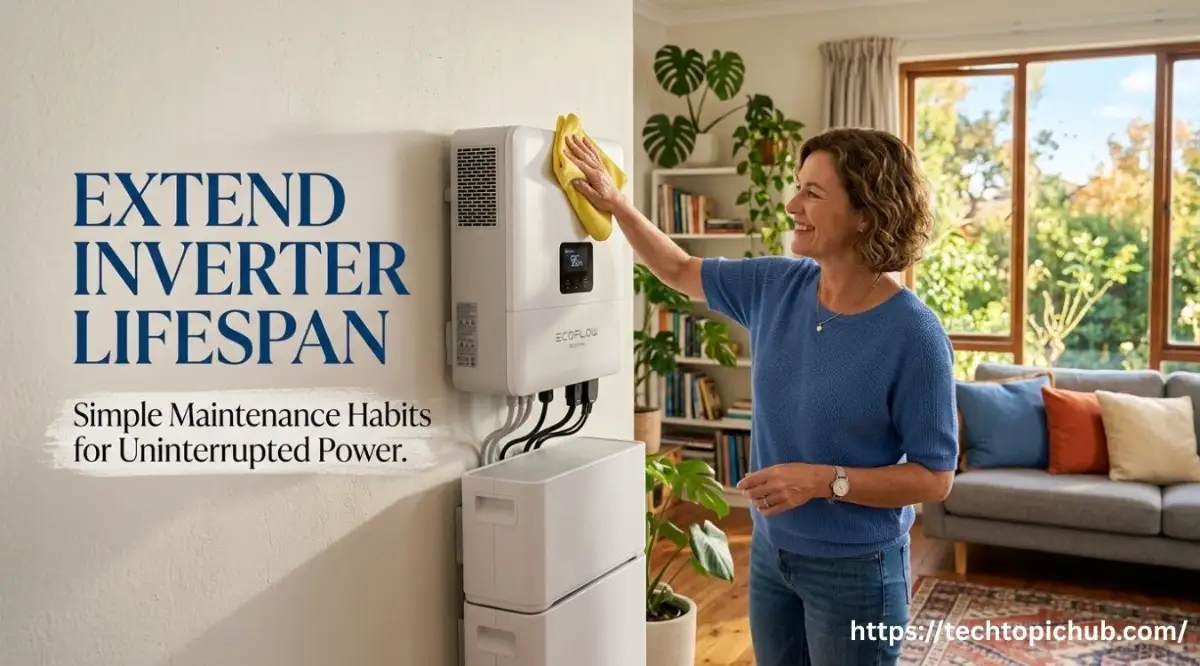
Once inside, the dust covers the sensitive electronic chips like a thick, warm blanket. This prevents the heat from escaping and can even cause tiny electrical short circuits on the main board. You should make it a strict habit to gently wipe down the outer casing with a dry microfiber cloth every single week.
At the same time, you need to pay very close attention to the metal connection points where the heavy cables attach. Over time, a white or greenish powdery substance often starts to grow around these metal posts. This is an acidic reaction that actively eats away at the metal and stops the electricity from flowing smoothly.
I learned the hard way that putting petroleum jelly on the metal connection points works way better than regular cheap grease. My very first heavy-duty energy setup got completely ruined by acid buildup because I ignored this incredibly simple trick. I just wipe the metal clean, apply a thin layer of the jelly, and it keeps the rust away perfectly.
Before we move to the next important step, watch this quick video that shows exactly how to safely clean those metal connection points without getting shocked.
Managing Your Daily Household Load
Another major reason these expensive machines fail early is because we force them to carry too much weight. Every backup unit has a specific maximum limit of how many appliances it can safely run at the same time. Pushing it past this limit even for just a few minutes causes extreme internal stress.
Imagine trying to carry three heavy bags of rice up the stairs when your body is only used to carrying one. Your muscles will quickly give out, and you will eventually collapse from the heavy strain. The exact same thing happens to the internal components of your backup system when you turn on a heavy appliance.
During a power cut, you must train your family members to be mindful of what switches they turn on. Never try to run heavy heating elements like irons, microwaves, or large water pumps on a standard home unit. These devices pull massive amounts of instant energy that can instantly burn the protective fuses inside the box.
Here is a simple breakdown of how to treat your system better during an active power failure:
By managing your daily energy demands properly, you keep the internal temperature of the machine highly stable. The components will not have to struggle, and the stored energy will last significantly longer during an emergency. It is all about being smart and using only what you absolutely need until the main grid comes back online.
The Lifeline: Understanding Fluid Levels
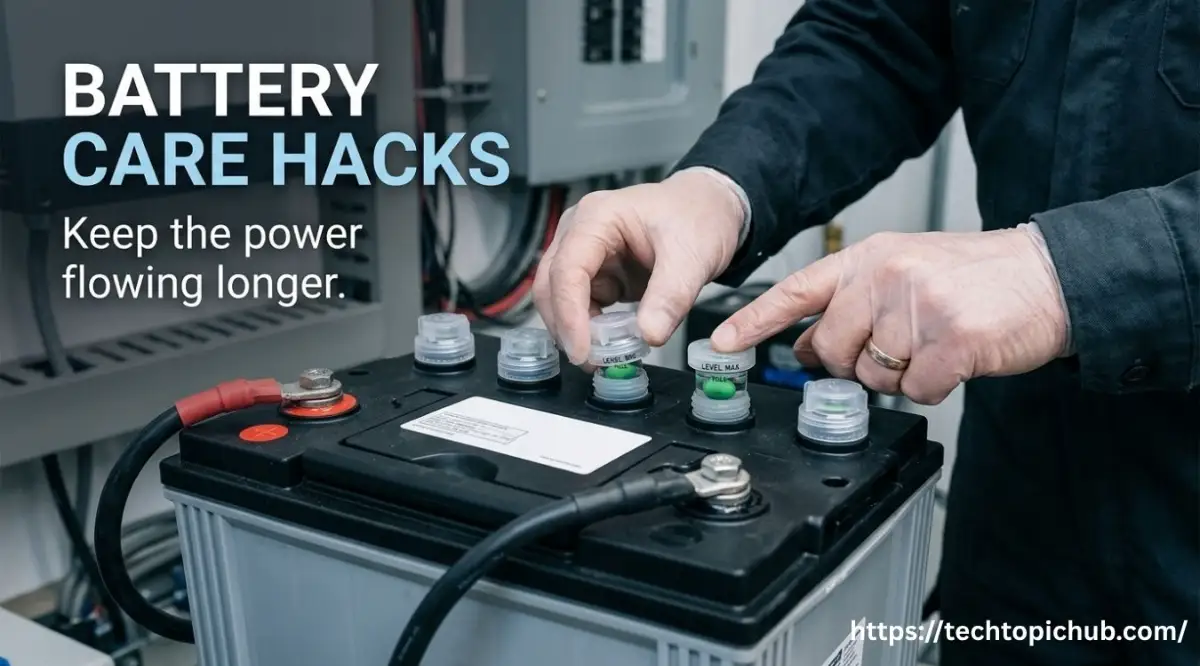
If your home setup uses traditional lead-acid storage cells, the internal fluid levels are your biggest responsibility. Inside those heavy plastic boxes, a chemical reaction happens constantly to store and release raw energy. This powerful reaction creates quite a bit of heat, which slowly evaporates the water mixed with the acid.
If you let that fluid drop below the safe minimum line, the internal metal plates become exposed to the dry air. Once these sensitive plates dry out, they become permanently damaged and lose their ability to hold any electrical charge. You can never reverse this damage, no matter how much fresh water you pour in later.
You should make a solid routine to check the plastic float indicators at least once every single month. These little plastic tops give you a clear visual warning when the internal liquid is getting dangerously low. Always keep a fresh bottle of pure distilled water ready in your house for top-ups.
Never use regular tap water or drinking water from your kitchen sink for this process. Regular water contains tiny invisible minerals that will instantly react with the internal chemicals and destroy the entire system. Pour the distilled water very carefully, making sure you do not overfill and cause dangerous acidic spills on your floor.
Dealing with Loose Connections and Wires
Electricity needs a completely smooth and uninterrupted path to travel between the wall, the machine, and your home appliances. Due to constant minor vibrations from the internal cooling fans, the main heavy cables can slowly become loose over time. A loose cable is not just bad for performance; it is a very serious fire hazard for your entire home.
When a wire is not tightly screwed down, the electricity has to jump across a tiny physical gap. This jumping action creates tiny unseen sparks that generate intense and dangerous amounts of localized heat. Eventually, the plastic covering on the wire will melt, completely destroying the connection point.
You should visually inspect all the main thick wires going in and out of the heavy boxes every few weeks. Look closely for any dark burn marks, melted plastic, or wires that look unnaturally bent or twisted. If you gently wiggle a wire and it feels completely loose, you need to grab a proper tool and tighten it carefully.
Always remember to completely turn off the main switch before touching any of the heavy cables. Safety must always be your absolute top priority when dealing with raw household energy. If a wire looks severely damaged or the plastic is cracked, do not try to fix it with cheap tape. You must call a proper professional to replace that specific wire entirely.
Listening to the Warning Alarms
Modern machines are actually quite smart and try to communicate with us when they are feeling sick. They use small red flashing lights and loud, annoying beeping sounds to tell us that something is going wrong. Sadly, many homeowners completely ignore these warnings or just press the reset button to make the sound stop.
Every single beep has a specific meaning designed by the engineers who built the machine. A continuous long beep usually means the system is severely overloaded with too many heavy appliances. If you hear this, you must immediately turn off extra lights and fans until the machine stops screaming.
Short, repeated beeps often mean the storage cells are completely drained and need to be shut down immediately. If you force the machine to keep running while it is begging for a break, you will damage the internal cells permanently. You should keep the small paper manual that came in the box somewhere safe so you can read what the different lights mean.
By paying close attention to these simple electronic cries for help, you catch small problems before they turn into disasters. Your machine wants to survive and serve you well, but it needs you to listen carefully to its basic warning signals. Treat it like a helpful partner, and it will keep your house bright and comfortable during the darkest nights.
Next-Level Maintenance Secrets for Uninterrupted Energy
Taking basic care of your backup system is a great start, but true longevity requires a deeper understanding of how these machines actually breathe and work. When you step up your maintenance game, you stop constantly worrying about sudden power drops during violent summer storms.
You actually transform your energy setup from a simple temporary fix into a permanent, highly reliable household companion. Let me share a few incredibly powerful secrets that the manufacturing companies rarely print on their standard instruction manuals.
The Golden 50% Discharge Rule
Most people believe they should use their stored energy until the lights completely flicker out and the machine shuts down. This specific habit is actually the absolute fastest way to destroy your expensive storage cells permanently.
Think of your backup energy tank just like a human stomach that feels terrible when completely empty. When you drain the cells past the halfway mark, the internal lead plates go through severe chemical stress.
Experts who study lead-acid storage behavior strongly suggest keeping your daily usage above that magical fifty percent threshold. If you have a massive power cut, try to manually turn off the machine before it drains out completely.
This tiny change in your daily habit can literally double the total number of years your system stays alive. By protecting your equipment, you avoid massive repair bills and can focus on building an emergency fund for better things.
Mastering the Art of Thermal Management
We already talked about basic airflow, but managing the actual room temperature is a completely different game. Your energy backup system absolutely hates extreme heat, and it dislikes freezing cold rooms just as much.
The perfect sweet spot for these heavy-duty machines is basically the same room temperature where you feel most comfortable. If your house gets extremely hot during the afternoon, consider moving the main box to a shaded hallway.
You can even place a cheap digital thermometer right on top of the main metal box to monitor the daily heat changes. If you notice the temperature spiking wildly, a simple desktop fan aimed at the machine can work wonders.
Keeping the surrounding area perfectly cool prevents the internal distilled water from evaporating too quickly. When you successfully manage household energy consumption, the machine naturally stays much cooler and happier.
The Magic of Monthly Load Testing
Your backup machine is basically an athlete that needs regular exercise to keep its muscles properly active. If you live in an area with very few power cuts, your system just sits there slowly degrading over time.
The internal chemicals need to physically move around to stay healthy and active. I highly recommend turning off your main grid power manually for just thirty minutes once every single month.
During this intentional power cut, turn on your normal daily lights and fans to let the machine stretch its legs. Listen closely to the humming sound it makes and observe if the ceiling fans spin at their normal healthy speed.
This simple practice run clears out any lazy chemical buildup inside the heavy storage boxes. It also gives you absolute peace of mind knowing the system will actually work when a real emergency finally strikes.
Smart Appliance Balancing
You cannot simply plug everything into your backup line and expect the machine to perform miracles. The true secret to endless power lies in exactly how you distribute your electrical load across the house.
Heavy motor-based appliances like old refrigerators require a massive burst of raw energy just to wake up. If your machine is already running three ceiling fans, adding a heavy motor into the mix will cause instant panic.
You should separate your sensitive electronics from your heavy-duty kitchen appliances using totally different wiring circuits. This smart organization helps you manage unexpected financial burdens because you will not have to replace burnt circuit boards.
Taking the time to wire your house properly also completely transforms the overall safety of your living space. In fact, a perfectly organized electrical setup can easily speed up the home selling process if you ever decide to move.
Dangerous Energy Habits That Empty Your Wallet
The "Frankenstein" Battery Trap
One of the most common and expensive traps people fall into is trying to mix old and new energy cells together. Imagine pairing an exhausted eighty-year-old man with a professional teenage athlete for a three-mile marathon race.
The old man will constantly drag the younger athlete down, and both of them will eventually collapse from exhaustion. This exact same "parasite effect" happens when you connect a brand new storage unit to a severely degraded old one.
The dying cell will constantly steal fresh electrical juice from the new one just to keep itself barely alive. Within just a few short months, your expensive new purchase will become completely useless and damaged.
You must always replace all your main storage boxes at the exact same time to keep the electrical balance perfect. Trying to save a few dollars by doing it halfway will only result in spending triple the amount later.
The Kitchen and Bathroom Placement Disaster
Finding a good spot for a large metal box in a small house can definitely be a challenging task. Because of this, many homeowners mistakenly place their main electrical hubs near the kitchen stove or right outside the bathroom door.
This is a massive safety hazard that completely violates basic electrical fire safety standards set by global experts. Kitchens are completely filled with airborne cooking grease, sticky oil particles, and intense floating heat waves.
This invisible grease gets easily sucked into the machine's cooling fans, coating the sensitive motherboards in a sticky mess. Bathrooms are even worse because the heavy shower steam slowly rusts the internal metal connections from the inside out.
Always keep your electronic units in completely dry, grease-free, and well-ventilated living spaces like a wide hallway. Protecting your equipment from environmental damage is just as important as exploring modern tech solutions for your daily life.
The Silent Killer: Using Unpurified Tap Water
I cannot emphasize enough how dangerous regular tap water is for your heavy-duty chemical storage cells. Many people get lazy and just fill up a glass from the kitchen sink when the floating indicators show a low fluid level.
Regular drinking water is packed with invisible dissolved minerals like iron, calcium, and heavy salts. When these natural minerals mix with the highly active internal acid, they cause an immediate and violent chemical reaction.
The internal metal plates become completely coated in a hard white crust that stops the electricity from flowing. Once this hard crust forms on the plates, your expensive machine is basically ready for the local junkyard.
Always keep multiple bottles of completely pure, medical-grade distilled water right next to your machine. Treating your system with the right liquids is the fundamental secret to maintaining your household gadgets for a lifetime.
Ignoring the Tiny Warning Signs
We humans have a terrible habit of ignoring small problems until they turn into massive, uncontrollable disasters. Your backup system speaks to you through faint humming sounds, random blinking lights, and sometimes even strange chemical smells.
If you walk past the machine and smell something like rotten eggs, you are dealing with boiling battery acid. This happens when the internal charger breaks down and forcefully pumps way too much raw energy into the cells.
If you ignore this horrible smell and go to sleep, the plastic boxes could literally crack open or catch fire. Similarly, if the metal box feels unnaturally hot to the touch, you need to turn off the main switch immediately.
Paying attention to these tiny details makes a massive difference when evaluating home backup solutions for long-term safety. Never assume that an annoying warning light will just magically fix itself if you ignore it long enough.
The Extension Cord Nightmare
Sometimes the main wall socket is just a little too far away from where you want to place the heavy machine. To solve this, people often buy cheap, thin plastic extension cords from the local dollar store to bridge the gap.
This is an incredibly dangerous mistake that puts your entire family and property at massive physical risk. Those cheap cords are completely incapable of carrying the massive electrical weight required to charge heavy storage cells.
The thin wires inside the cord will quickly overheat, melt the outer plastic, and start a terrifying electrical fire. You must always plug your main backup unit directly into a properly grounded, heavy-duty wall socket.
If the cable is simply too short, hire a certified professional electrician to install a brand new socket nearby. Proper wiring not only guarantees safety but also plays a big role in increasing your property value by keeping the house code-compliant.
Your Blueprint for Endless Household Power
Taking proper care of your home energy system does not require you to hold an advanced engineering degree. It simply requires a tiny bit of weekly attention and a willingness to treat your expensive machines with basic respect.
When you follow these safe guidelines, you completely eliminate the deep anxiety that comes with sudden grid failures. You can comfortably enjoy your family dinners, finish your office presentations, and sleep peacefully while the storm rages outside.
Every single minute you invest in wiping off dust or checking fluid levels pays you back with years of flawless service. The dark nights of sweating in a completely silent, unventilated room will finally become a thing of the past.
I personally promised myself that I would never let sheer laziness ruin my expensive home investments ever again. I strictly follow my monthly checkup routine, and my home system has rewarded me with absolute perfection for years.
Honest Answers to Your Biggest Power Backup Questions
How often should I check the water level in my backup battery?
You should physically inspect the plastic water level indicators on your system at least once every three to four weeks. During extremely hot summer months, the internal liquid evaporates much faster, so checking it every two weeks is an even smarter habit.
Why does my inverter make a continuous beeping sound?
A loud, nonstop beeping sound usually means you have plugged too many heavy appliances into the system at the exact same time. You should immediately turn off any extra lights or fans until the warning sound completely stops, which protects the machine from short-circuiting.
Can I leave my inverter switched on all the time?
Yes, these modern machines are specifically designed to stay plugged into the wall and turned on permanently. The internal smart charger automatically stops pulling electricity from the main grid the moment your storage cells are completely full.
What is the safest way to clean the outer body of the machine?
The absolute safest method is to use a completely dry, soft microfiber cloth to gently wipe away the surface dust every weekend. Never use wet sponges, harsh chemical sprays, or damp rags, as liquid can easily slip through the cooling vents and destroy the motherboard.
How do I know when it is time to buy a completely new battery?
You will easily notice that your regular backup time suddenly drops from several hours to just a few short minutes. If the machine takes forever to charge but dies almost instantly during a power cut, your storage cells have reached the end of their life.
Disclaimer: The information provided in this blog post is for general educational and informational purposes only and should not be considered professional electrical advice. Always consult with a certified electrician or the manufacturer's manual before performing any maintenance on high-voltage household energy systems. We are not responsible for any damage, injury, or loss resulting from the application of the tips mentioned in this article.