The Silent Nightmare of Unexpected Legal Threats
Got a scary DMCA notice in your inbox? Yeah, I have been there too, and my stomach totally dropped. Before you panic and think your entire blogging journey is over, just take a deep breath. I am going to show you exactly how I handle these legal headaches step by step, so you can protect your work and keep your peace of mind intact.
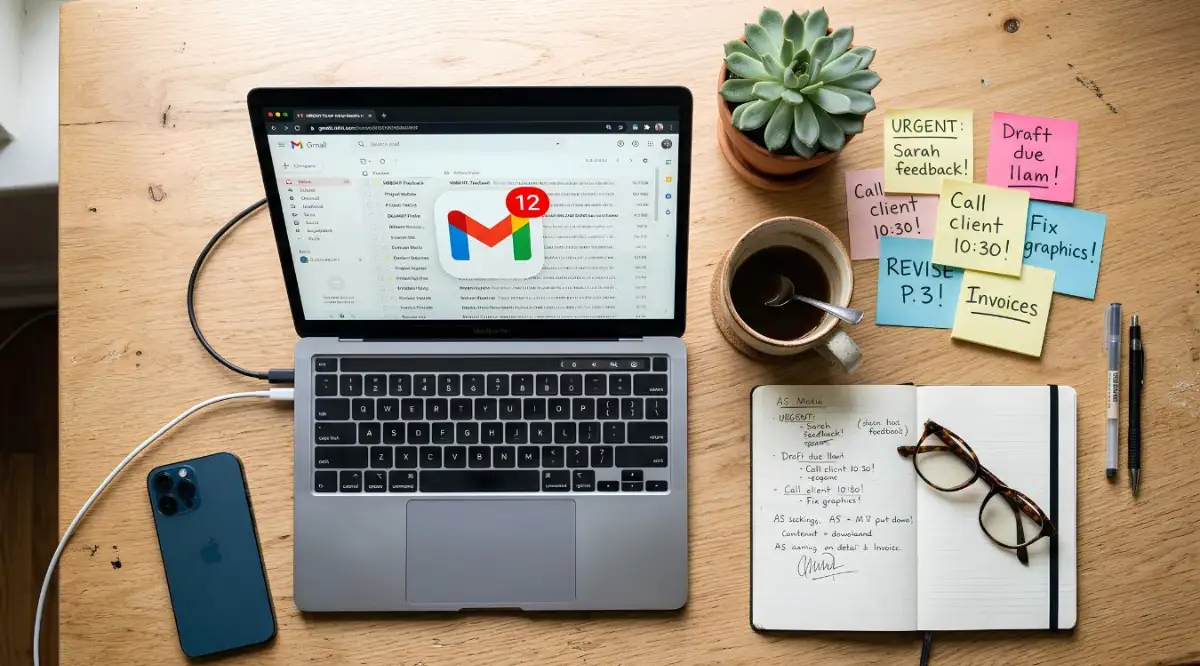
I remember the exact moment my heart dropped into my stomach and panic took over my entire body. I was sitting at my kitchen table, sipping a cold cup of coffee, when a bright red email notification popped up on my screen. The subject line loudly screamed, "DMCA Takedown Notice and Immediate Legal Action Pending." My hands were literally shaking as I opened the message and tried to read through the heavy legal jargon.
I had accidentally used a tiny background track in one of my recent creative projects that I genuinely thought was completely free for public use. Suddenly, I was facing a massive legal threat that I barely even understood. My entire digital business felt like it was crumbling right in front of my eyes. I spent the next three days unable to eat properly, completely paralyzed by the fear of losing everything I had worked so hard to build over the last few months.
We live in a world where sharing information is incredibly easy, but knowing the exact rules of ownership is incredibly hard. This creates an invisible minefield for bloggers, small business owners, and digital creators who just want to share their passion with the world. You constantly feel like you are walking on eggshells, terrified that one small mistake will trigger a career-ending legal battle. The constant anxiety drains your creative energy and leaves you feeling completely helpless against massive legal systems.
Quick Takeaways for Your Digital Safety
- Do not ignore notices: Responding fast is the best way to save your accounts.
- Credit is not permission: Tagging the owner does not legally protect you at all.
- Keep your receipts: Always save your download licenses in a dedicated computer folder.
- Know when to fight back: Only use a counter-notice if you are 100% sure you own the rights.
Breaking Down the Illusion: Realities of Digital Ownership
Before we jump into the exact steps to fix these issues, we need to clear up the heavy fog surrounding digital ownership. Most people assume that if an image, song, or video is easily available on the internet, it is completely free to use. This is probably the single biggest myth that destroys the careers of well-meaning creators. Just because you found something on a Google image search does not mean it belongs to the public domain.
Every single piece of original content created by a human being is automatically protected by law the second it is created. You do not need a fancy registered certificate to own the rights to a photograph you took with your smartphone. When someone else uses that photo without asking you for permission, they are directly violating your ownership rights. Understanding this simple concept is the very first step to protecting yourself and respecting others.
Common Myths vs Actual Reality
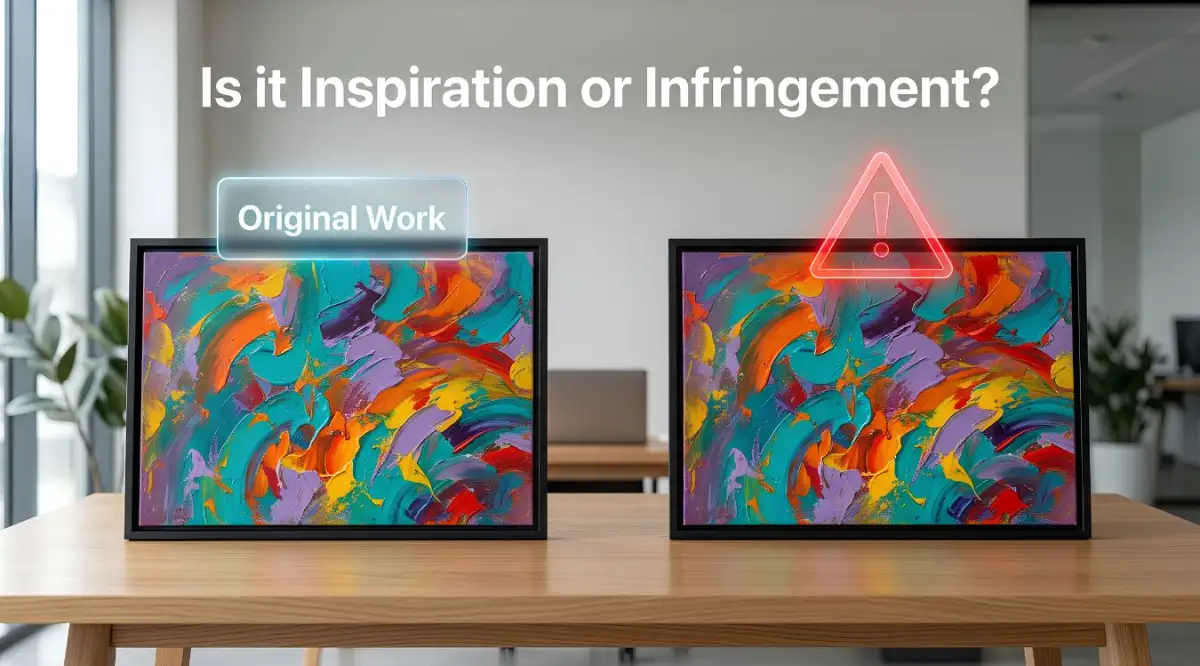
Let us look at a few highly common misunderstandings that constantly get beginners in deep legal trouble. Many people believe that giving credit to the original owner makes everything legally acceptable. You will often see people post a video and write "No copyright infringement intended" in the description.
The Myth: Giving credit keeps you safe from lawsuits.
The Reality: Writing "credit to the owner" does absolutely nothing to protect you legally. If you do not have clear permission or a valid license, you are still breaking the rules.
The Myth: If you only use five seconds of a song, it is completely legal.
The Reality: There is no magic time limit that makes stealing acceptable. Using even one second of a protected song can result in a massive penalty.
Quick Cheat Sheet: Safe vs. Unsafe Media
Let us keep it simple. Here is a fast breakdown of what you can and cannot use:
- Safe to Use: Images from CC0 sites (like Pexels or Unsplash), music you bought a clear license for, and photos you took yourself.
- Unsafe to Use: Google Images results, random Pinterest finds, a 5-second clip of a trending pop song, or memes with trademarked movie characters.
Your Actionable Blueprint to Navigating Legal Claims
Now that we understand the deep emotional struggle and the common myths, it is time to take back your control. You do not need to be terrified of the internet if you understand exactly how the system actually works. We are going to walk through a highly practical, easy-to-understand roadmap for dealing with these scary situations.
Instead of freezing in panic when a legal notice arrives, you will know exactly what steps to take. These practical strategies are based on logical rules and common sense, making them incredibly easy to apply to your own life today. Let us break down the exact mechanics of content ownership and how you can safely navigate disputes without losing your mind.
Understanding the True Meaning of "Fair Use"
One of the most confusing concepts you will ever encounter is the idea of "Fair Use". Fair Use is essentially a special legal exception that allows you to use someone else's work without asking for their permission. However, this exception is incredibly narrow and highly misunderstood by almost everyone on the internet. It is completely designed to protect freedom of speech, education, and public commentary.
If you are writing a detailed review of a brand new movie, you are usually allowed to show a small clip of that movie to prove your point. Because you are adding new educational value, criticizing the work, or teaching a lesson, the law generally protects you. This is why educational channels and news outlets can show small pieces of copyrighted material without getting sued every single day.
Where Most People Go Completely Wrong
The problem starts when ordinary creators try to use Fair Use as a magical shield to protect lazy content. If you just take someone else's funny video, add a small laughing emoji on the screen, and re-upload it, that is not Fair Use. You have not added any real educational value, and you are simply trying to profit off someone else's hard work. Courts will look at exactly how much of the original work you used and whether your new version competes with the original owner's profits.
To make this completely clear, ask yourself a very simple question before you publish anything. "Does my new content serve a completely different purpose than the original work?" If the answer is no, you are likely in the danger zone. Always assume that Fair Use will not protect you unless you are deeply criticizing, reviewing, or teaching something entirely new.
Decoding the Anatomy of a DMCA Takedown Notice
If you ever receive a DMCA takedown notice, it is incredibly important to understand exactly what you are reading. DMCA stands for the Digital Millennium Copyright Act, which is simply a set of rules created to protect digital content online. When a creator finds out that you have used their work without permission, they can send a formal request to your hosting provider or social media platform.
This official document forces the platform to immediately remove the stolen content to protect themselves from legal responsibility. A valid DMCA notice will always clearly identify the exact piece of content that was stolen. It will also provide the original link to the creator's real work so you can see exactly what you are being accused of copying.
My 3-Point Valid DMCA Checklist
If you get a notice, do not just blindly trust it. A real, legal DMCA notice MUST include:
- A physical or digital signature from the real owner.
- The exact URL where your "stolen" content is living.
- A clear statement that they honestly believe you do not have permission to use it.
- If it is missing these details, it might just be a fake scam.
Why Ignoring the Notice is Your Biggest Enemy
When you see all those heavy legal words, your natural human instinct is to just close the email and pretend it never happened. I made this exact mistake early in my career, and it almost cost me my entire livelihood. Ignoring an official legal notice is the absolute fastest way to guarantee that you will lose your accounts permanently.
I learned the hard way that these platforms use automated systems that do not care about your feelings or your excuses. If you do not respond properly within a very specific time limit, the platform will completely delete your page. You must treat every single official notice as a highly time-sensitive emergency that requires your immediate attention and focus.
I remember sitting in silence for a full week, hoping the person who claimed my video would just forget about it. That delay caused my web host to temporarily shut down my entire server, completely cutting off my income for days. My biggest realization was that stepping up and facing the issue immediately is always less painful than hiding from it.
Have You Received a Notice? Watch This First
Stop and take a deep breath. Watch this video right now to see exactly how these claims work so you can stay calm and save your account from being deleted. Once you finish the video, keep reading to learn the exact steps to fix the problem.
How to Respond When You Are Genuinely in the Wrong
Let us be completely honest with ourselves for a moment. Sometimes, we actually do make a mistake and use something we should not have used. Maybe you downloaded a picture from a random website, or maybe you used a popular song because everyone else was doing it. When you realize that the claim against you is actually 100% true, your strategy needs to shift completely toward damage control and extreme politeness.
The absolute best thing you can do is instantly remove the copied content from your website or social media page. Do not try to argue with the person, do not try to make excuses, and do not play the victim. Once the content is completely removed, send a highly polite and professional apology to the original owner directly. Explain that it was an honest beginner mistake, that you have permanently deleted the file, and that it will never happen again.
In many cases, the original owner just wants their work removed and respected. If they see that you are highly cooperative and deeply apologetic, they might actually cancel the official strike against your account. Fighting a battle that you know you have already lost will only make the original owner significantly angrier. Humility and fast action are your absolute best tools when you are actually in the wrong.
Defending Your Hard Work Against False Accusations
On the completely opposite side of the spectrum, what happens when someone falsely accuses you of stealing? Unfortunately, the internet is full of bad actors who use fake legal claims to silence their competitors or steal revenue. If you created a completely original piece of artwork, and someone hits you with a fake strike, it is incredibly infuriating.
In this specific scenario, you have the legal right to submit something called a "Counter-Notice". A counter-notice is simply a formal legal declaration stating that a massive mistake has been made and that you hold the true rights to the content. When you submit this document, you are swearing under penalty of perjury that the claim against you is entirely false or highly inaccurate.
The Risks and Rewards of Fighting Back
Submitting a counter-notice is a very serious action because it legally forces the other person to make a very tough decision. Once you file it, the person who made the original claim has about 10 to 14 days to actually file a real lawsuit against you in a federal court. If they are just an internet troll trying to scare you, they will almost certainly back down and disappear entirely.
Once that two-week waiting period passes without a real lawsuit, the platform is legally required to restore your content completely. However, you must be absolutely, 100% certain that you own the content before you ever file this document. If you file a fake counter-notice just to get your video back, you can face extreme financial penalties and permanent bans. You should only use this powerful tool when you have massive proof that your work is completely original and legally clean.
Building a Bulletproof Shield for Your Future Content
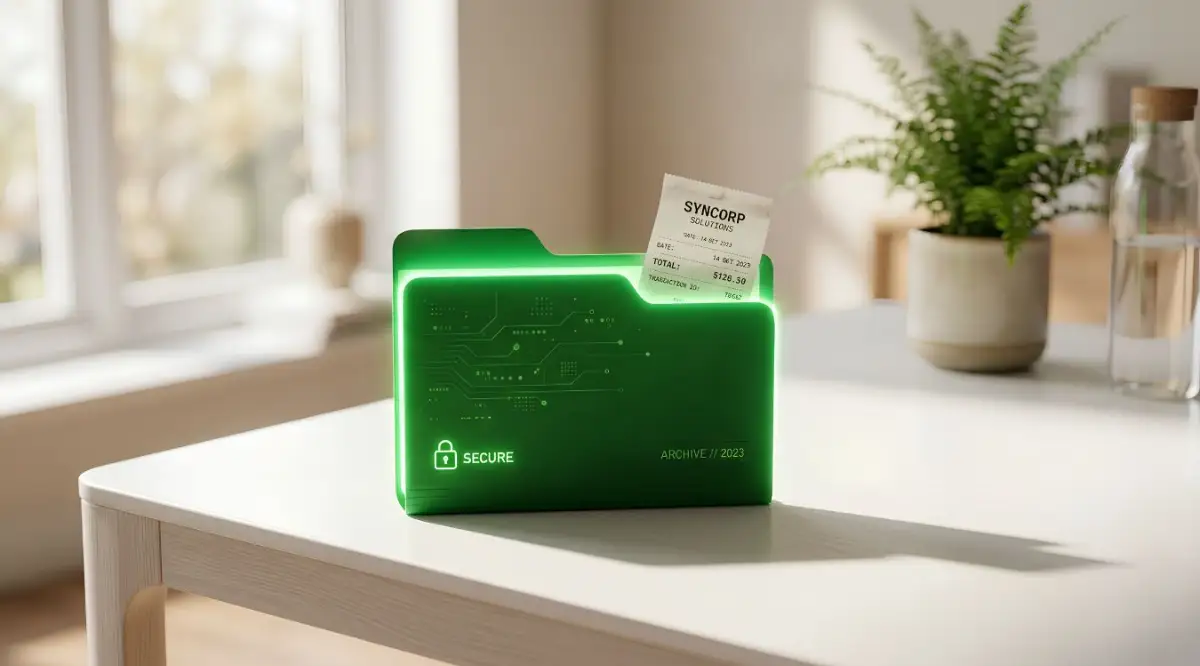
A big lesson I learned after my first scare was to stop trusting "free" websites blindly. I started keeping a simple "Proof Folder" on my computer where I save a screenshot of the license for every single song or photo I download. This one small habit takes two minutes but has saved me from many sleepless nights and lot of stress.
Dealing with a claim is incredibly stressful, so the absolute best strategy is to never get one in the first place. Protecting your digital life requires you to change the way you gather resources for your daily projects. You need to build a mental filter that strictly stops you from downloading random files off unknown websites.
First, you must highly prioritize using dedicated stock websites that offer clear, written licenses for their files. There are massive libraries online that provide completely free, legally safe music, images, and videos specifically for normal creators. Websites that offer "Creative Commons Zero" or CC0 licenses allow you to use their files for absolutely any purpose without asking for permission.
Second, you must start keeping highly organized records of exactly where you get every single piece of media you use. If you buy a music track for ten dollars, save the exact receipt and the text file of the license in a dedicated folder on your computer. If someone tries to claim your video six months later, you can instantly pull out your receipt and destroy their false claim in five minutes. This simple organizational habit will save you from massive headaches and keep your mental peace completely intact.
Advanced Strategies to Protect Your Digital Empire
Once you understand the basic rules of the internet, you need to level up your protection game. The absolute best creators do not just react to problems, they actively build a fortress around their hard work. Long-term success in the digital space requires you to treat your creative hobby exactly like a real business.
One of the smartest habits you can develop is conducting a routine content audit every single month. Set aside just two hours on a Sunday afternoon to look through your recent blog posts, videos, and social media graphics. Check every single image and background track to ensure you have clear, undeniable permission to use them. If you cannot easily find the license receipt for a specific photo, simply replace it with one that you know is safe.
Mastering the Art of Proper Licensing
Many beginners get completely overwhelmed when they try to read official license agreements on stock media websites. Just like understanding complex terms like deductibles or co-pays in a medical plan, reading a digital license requires massive patience. You need to look specifically for terms like "commercial use allowed" or "no attribution required."
If a license says "for personal use only," you absolutely cannot use it on a blog or YouTube channel that generates ad revenue. The moment you make even a single penny from a piece of content, the law considers it commercial activity. Taking five extra minutes to read the fine print will save you thousands of dollars in legal penalties down the road.
If you are a serious content creator, you should also consider officially registering your most valuable original work. While the law automatically protects your creations, having a formal registration gives you massive power in court. You can learn exactly how this process works directly through the official U.S. Copyright Office guidelines for digital creators.
Creating a Financial Safety Net for Disputes
Legal battles, even small ones, can suddenly drain your bank account if you are completely unprepared. This is exactly why smart digital business owners always set aside a small portion of their income for unexpected problems. Just like building a solid emergency reserve for your daily life, having a legal buffer gives you massive peace of mind.
If someone actually hires a lawyer to send you a cease and desist letter, you might need to pay for a quick legal consultation. Having an extra five hundred dollars sitting in a dedicated savings account means you will not panic when things go wrong. You can calmly hire a professional to review the claim instead of losing sleep over how you will pay the bills.
Navigating International Digital Boundaries
The internet has absolutely no borders, which means you might get a claim from a company halfway across the world. Intellectual property laws change drastically depending on exactly where the original creator lives. What is considered completely legal in your country might be strictly forbidden in Europe or Asia.
To stay out of international trouble, always try to follow the absolute strictest guidelines available online. The World Intellectual Property Organization (WIPO) offers incredible resources that explain how global treaties protect creators across different borders. When in doubt, simply assume that you need written permission from the owner, regardless of where they live.

The Most Dangerous Traps Creators Fall Into
Even when you try your hardest to play by the rules, it is incredibly easy to step into a hidden trap. The internet is flooded with terrible advice that looks totally legitimate to an untrained eye. Relying on rumors and forum gossip instead of actual facts is a surefire way to destroy your digital business. Let us break down the exact scenarios that regularly ruin the careers of well-meaning bloggers and video editors.
The "Free Download" Scam
Imagine you are searching for a highly specific background image for your new recipe blog post. You type your keyword into Google and find a beautiful image on a website that screams "100% Free Downloads!" You happily save the picture, upload it to your site, and completely forget about it.
Six months later, you receive a massive bill from a massive licensing agency demanding thousands of dollars in damages. The website you downloaded from was actually a scam site that stole the image from a professional photographer. Just because a random website says something is free does not mean they actually hold the legal rights to give it away.
Always trace every single piece of media back to its absolute original source before you ever hit the download button. If you cannot verify exactly who took the photo or recorded the song, you must walk away immediately. It is always better to take your own simple photograph than to risk using a stolen masterpiece.
Reacting with Anger Instead of Logic
When someone falsely accuses you of stealing their work, your very first instinct is usually pure, blinding anger. Many creators make the massive mistake of taking the dispute public by ranting on Twitter or making an angry response video. This emotional reaction is the absolute worst thing you can possibly do for your legal defense.
Publicly insulting the person who filed the claim can instantly transform a simple misunderstanding into a massive defamation lawsuit. Instead of complaining on social media, you need to focus entirely on documenting legal issues early to build a solid defense. Take clear screenshots of your original project files, save your timestamps, and keep all communication highly professional.
Filing False Counter-Notices out of Desperation
We briefly discussed the power of counter-notices earlier, but abusing this system is a career-ending move. Some creators are so desperate to get their monetized video back online that they will sign anything to remove the strike. They submit official legal documents claiming they own the content, even when they know they are lying.
This is not just a violation of platform rules; it is a literal federal crime called perjury. According to the legal standards explained by the Cornell Legal Information Institute, lying on an official legal document can result in massive fines or even jail time. Never, ever lie on a legal document just to save a few dollars in ad revenue.
Moving Forward With Confidence and Security
We have covered a massive amount of highly technical ground together today, but you do not need to feel overwhelmed. Protecting your digital property is simply a matter of developing a few smart, daily habits. You now have a clear roadmap to navigate disputes, verify your sources, and protect your creative energy.
Start by completely cleaning out your digital workspace this weekend. Go through your hard drive and delete any random music files or stock images that you cannot trace back to an original source. Building a fresh, legally safe media library from scratch will give you incredible confidence every time you hit the publish button.
Always remember that creating original content is an incredible privilege that comes with specific responsibilities. Treat other people's hard work with the exact same respect you want for your own creations. If you simply ask for permission, read your licenses, and keep solid records, you will never have to fear the legal system.
I know exactly how scary it feels to receive that first legal threat, because I lived through that nightmare myself. My biggest lesson was realizing that knowledge completely destroys fear, and taking immediate action always brings back my peace of mind. I highly encourage you to organize your legal documents today, so you can spend tomorrow focusing entirely on what you love doing most—creating.
Common Questions About Managing Digital Ownership
What happens if I accidentally use a copyrighted image?
If the owner discovers it, they will usually send a formal request for you to remove it immediately. In some aggressive cases, they might demand a financial settlement for the time the image was live on your site. The absolute best reaction is to delete the image instantly and send a polite apology to avoid further action.
Can I legally use a small clip of a movie for a YouTube review?
Yes, using short clips to directly criticize, review, or teach a specific lesson usually falls under Fair Use. However, you must only use exactly what is necessary to make your point, and you cannot just upload the best scenes for entertainment. The courts always look at whether your review adds entirely new educational value to the original clip.
Does changing the speed or pitch of a song protect me from a strike?
No, altering a piece of stolen media does not somehow make it legally yours. Automated scanning systems are extremely advanced today and can easily detect songs even if you slow them down. You still need a proper license to use the underlying composition of the original track.
Do I need to register my blog posts to own the rights?
No, your original writing is automatically protected by law the exact moment you type it and save it. However, if you plan to write a highly valuable eBook, formal registration provides much stronger proof in court. For everyday blog posts, simply publishing them with your name and a date stamp is usually enough proof.
What should I do if a platform ignores my valid counter-notice?
Platform support teams receive thousands of messages daily, so extreme patience is completely necessary here. If they completely ignore your legal documents for several weeks, you might need to consult a local legal professional to send a formal letter. Sometimes, a physical letter from an attorney's office forces the platform to finally review your case.
Receiving a legal notice is scary, but it does not have to be the end of your journey. I have been there, and I know that once you take these simple steps, the fear goes away. Start organizing your files today so you can get back to what you do best—sharing your amazing ideas with the world without any worries.
Legal Disclaimer: The information provided in this article is for highly educational and informational purposes only and does not constitute formal legal advice. While we strive to provide accurate and up-to-date information, intellectual property laws change frequently and vary heavily by location. Always consult with a qualified, licensed attorney in your specific area before making any serious legal decisions or responding to official legal threats.