
The Morning I Dared to Finally Fight Back
Have you ever sat in the office parking lot, gripping your steering wheel and just dreading the walk inside? I have been exactly there. You know you are being treated unfairly, but without hard proof, it feels like fighting a ghost. Today, I am going to show you exactly how to stop doubting yourself and start building an unbreakable case, step by step.
I remember sitting in my car in the office parking lot, staring blankly at the steering wheel. My stomach was tied in knots, and a heavy feeling of dread washed over me just thinking about walking through those glass doors. For months, I had been dealing with subtle, persistent unfairness that made me feel completely invisible. I knew I was being treated differently than everyone else, but I had absolutely no idea how to prove it. I felt completely trapped, questioning my own sanity and wondering if I was just imagining things. It was the darkest, most isolating period of my entire professional life.
It slowly drains your energy, ruins your weekends, and makes it impossible to be present with your family. You might find yourself snapping at your loved ones or lying awake at night replaying conversations in your head. The stress goes far beyond the office walls. It attacks your confidence and steals your peace of mind.
The hardest part is the feeling of powerlessness. When someone in authority targets you, it feels like fighting a ghost. You tell your friends about it, and they believe you, but you know deep down that complaints without proof will get you nowhere.
That is exactly why understanding how to gather tangible facts is the absolute most important step you can take today. You do not have to remain a victim of a hostile environment. By changing your approach, you can take your power back.
Quick Takeaways Before You Read On:
- Write Everything Down: Memory fades, but a private, timestamped incident log lasts forever.
- HR Works for the Company: Never complain emotionally to HR without bringing hard, documented facts first.
- Save Your Cash: Build a financial safety net immediately so you can walk away if the environment gets too toxic.
- Use the "Follow-Up" Trick: Always send a polite email summarizing sketchy verbal conversations to create a paper trail.
Shifting from Emotion to Hard Evidence
Disclaimer: This article is strictly for educational purposes and does not constitute formal legal advice. Always consult with a qualified attorney regarding your specific situation.
Quick Reality Check: Myth vs. Fact About HR
- Myth: Human Resources is designed to protect employees from toxic managers.
- Fact: HR's main job is to protect the company from legal lawsuits.
- What this means for you: Never go to HR just to vent your feelings. Only step into their office when you have a solid paper trail of facts, dates, and witnesses.
When you are constantly facing unfair treatment, your immediate reaction is naturally emotional. You feel angry, hurt, and frustrated. However, if you want to build a solid foundation for your case, you have to temporarily put those emotions in a box.
Professionals who handle these disputes do not make decisions based on how sad a situation is. They look strictly at patterns, dates, and documented facts. You need to start thinking like an investigator in your own life. Every email, every skipped promotion, and every off-hand comment is a piece of a much larger puzzle.

The Art of the Private Incident Log
The very first thing you need to do is start writing things down immediately. Human memory is incredibly fragile, especially under extreme stress. If someone asks you exactly what your manager said three weeks ago on a Tuesday, you will likely stumble.
This is where a private incident log becomes your best friend. You should buy a completely plain, unbranded notebook that never leaves your personal bag. Alternatively, you can use a note-taking app on your personal phone, completely disconnected from your company's network.
Every single time an incident happens, you need to record the absolute facts. Write down the exact date, the specific time, and the location of the event. Document exactly who was in the room and what was said, using direct quotes whenever you possibly can.
Do not write things like, "My boss was being a total jerk today." Instead, write, "At 2:15 PM in the main conference room, Manager John told me I was 'too old to understand the new software' in front of Sarah and Mike." Notice the huge difference? One is an emotional complaint, while the other is an undeniable piece of evidence.
How to Write Bulletproof Notes (Good vs. Bad)
| What You Usually Say (Bad) | What You Should Write (Good) |
| "My manager was super rude to me today." | "At 10:15 AM, Mark yelled, 'You are useless' in front of the whole sales team." |
| "They are setting me up to fail." | "On Monday, I was assigned 5 extra projects with a 24-hour deadline, while others got zero." |
| "I feel like I'm being pushed out." | "My name was removed from the weekly strategy meeting invite sent out on March 4th." |
Securing Digital Footprints Safely
In our modern work environment, a massive portion of communication happens through screens. Emails, instant messages, and internal company chats are absolute goldmines for your documentation efforts. However, gathering this information requires extreme caution.
You must assume that your employer monitors everything you do on their devices. Never forward sensitive documents or internal complaints to your personal email address. Many companies have strict policies against this, and they will absolutely use it as an excuse to terminate you for a data breach.
Instead, use your personal smartphone to take clear, readable pictures of your computer screen. Make sure the date and time are visible in the corner of the monitor. You can also print physical copies of harmful emails if your office printer does not require a tracked employee ID to operate.
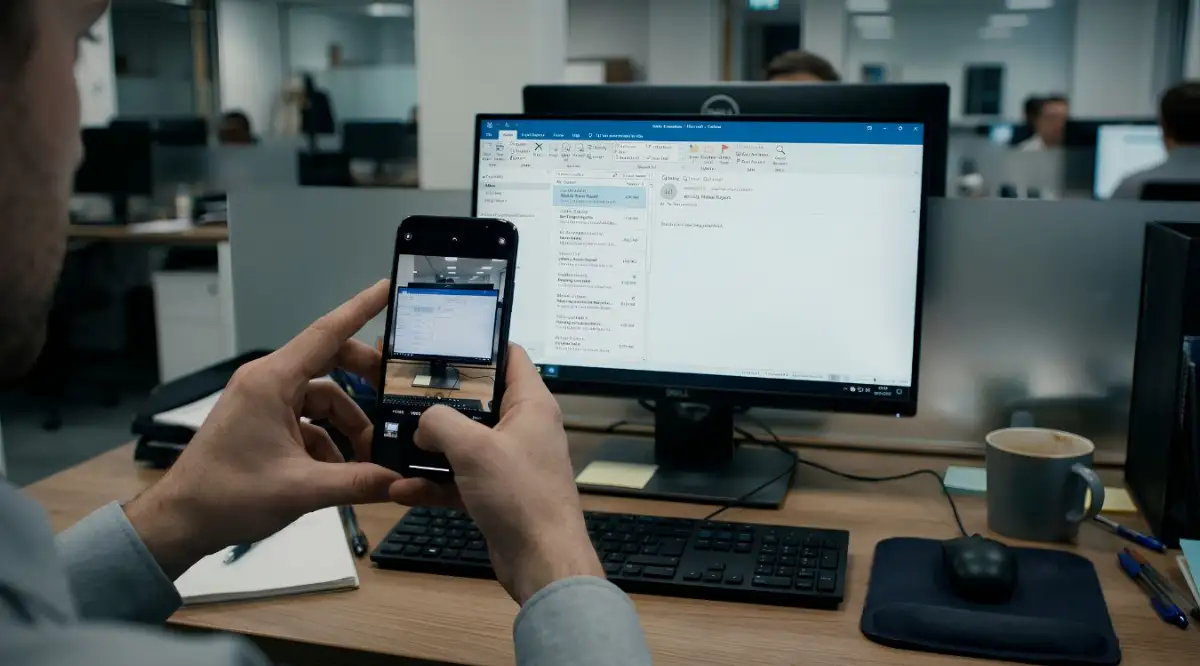
Pro Tip: I completely ruined my own early documentation efforts by angrily replying to a passive-aggressive email from my manager. I quickly learned that you should never fight back in writing. Always keep your digital replies strictly professional, brief, and incredibly polite, so they can never accuse you of being insubordinate.
Wait! Before you take another screenshot, watch this video. It shows you the smartest ways to save digital evidence without setting off any red flags with your company’s IT department. Once you see these steps, keep reading to learn how to handle those emails properly.
Understanding the Reality of Human Resources
Here is something I learned the hard way: I once went to HR crying and venting about how mean my boss was. Instead of helping me, they used my emotional reaction to label me as "unstable" in my file. I learned that day that facts on paper carry way more weight than tears in an office, and it changed my entire strategy.
There is a very common misconception that Human Resources is there to protect the employees. You need to completely adjust your expectations regarding this department. HR works for the company, and their primary goal is to protect the company from legal liability.
If you go to HR with a messy, emotional complaint, they will likely view you as a disruption. They might even quietly warn your manager that you are causing trouble. You should only approach HR when your documentation is incredibly solid and organized.
When you do decide to report an issue internally, always do it in writing. Send a formally drafted email stating that you are formally reporting an issue of unfair treatment. This creates a permanent paper trail that they simply cannot ignore or sweep under the rug.
Gathering Past Performance Reviews
One of the most common tactics a bad employer will use is suddenly claiming you are a terrible worker. After years of glowing praise, you might randomly be placed on a Performance Improvement Plan (PIP). This is a classic move to create a paper trail against you.
To counter this, you need to collect all your past performance evaluations right now. Dig up those old emails where clients praised your work. Find the messages where your team lead thanked you for working late on a weekend.
Having a proven history of excellence is your strongest shield against sudden, fabricated criticism. If you can show that you received top scores for three years, and only started failing after a specific manager took over, the pattern becomes obvious.
You should also keep track of your actual measurable metrics. If you work in sales, save your monthly ranking reports. If you work in customer service, document your satisfaction scores. Hard numbers completely destroy subjective, unfair opinions.
Identifying the Silent Observers
Witnesses can make or break a potential case, but getting coworkers to speak up is incredibly difficult. Most people are terrified of losing their own jobs and will try to stay out of the crossfire. You cannot force anyone to support you, but you can be strategic about it.
Start paying very close attention to who is in the room when an incident occurs. Do not immediately pressure them to write a statement for you. Instead, have a casual, quiet conversation outside the office later that day.
You might say something simple like, "Wow, that meeting this morning was really intense, right?" Listen closely to their response. If they agree that the behavior was totally out of line, you know you have someone who sees the truth.
Keep a private list of these individuals in your incident log. When the time comes to actually speak with a professional representative, you can provide these names. A good representative knows exactly how to approach witnesses without causing unnecessary panic.
The Trap of Sudden Retaliation
Once you start standing your ground or quietly documenting things, your employer might sense a change in your behavior. This is when retaliation usually begins. Retaliation is often subtle, designed to make you so miserable that you quit on your own.
They might suddenly change your work schedule to something impossible to manage. You might be completely excluded from important team meetings that you previously always attended. They could even start assigning you meaningless, degrading tasks that are far below your job title.
You must document these changes just as aggressively as the original discrimination. Interestingly, many people who fail to prove the initial discrimination actually succeed in proving retaliation. Punishing an employee for simply asking questions or reporting unfairness is highly illegal in most jurisdictions.
If your duties are suddenly changed, send a very polite email asking for clarification. Write something like, "I noticed I am no longer on the calendar for the weekly strategy sync. Could you clarify if my role has shifted?" Their written response, or lack of one, becomes a beautiful piece of evidence.
Organizing the Evidence for a Professional
Eventually, you will reach a point where you need to present your findings to someone who understands the system. Whether it is an internal compliance officer or an outside consultant, the way you present your facts matters immensely.
Do not dump a massive pile of unorganized, messy notes on their desk. You need to make their job as easy as possible. Create a highly organized timeline of events.
Start from the very beginning. Write a clean, one-page summary that outlines the main players, their titles, and a brief description of the core issue. Follow this with a chronological list of incidents.
Attach your evidence directly to the corresponding dates on the timeline. If you mention an unfair review on March 14th, place a copy of that review directly behind that page. This level of extreme organization shows that you are serious, credible, and fully prepared.
When you hand over a perfectly structured binder of facts, people are forced to take you seriously. You transition from being a complaining employee to a formidable professional who simply will not be bullied. It completely shifts the power dynamic back into your hands.
Taking these steps requires immense courage and a lot of quiet patience. It is incredibly difficult to smile and do your job while secretly building a timeline of unfairness. However, this methodical approach is exactly how you protect your career, your finances, and most importantly, your peace of mind.
Next-Level Strategies for Building an Unbreakable Case
Once you have mastered the basics of writing things down, you need to elevate your strategy. Bad employers are incredibly smart at hiding their tracks. If you want to hold them accountable, you have to think two steps ahead of their HR department.
This is where the real work begins behind the scenes. You are no longer just reacting to bad behavior. You are actively building a shield to protect your future.
The Art of the "Follow-Up" Email Strategy
One of the most powerful tools in your arsenal is the polite follow-up email. Toxic managers love to give unfair instructions verbally so there is no written proof. They will pull you into an empty hallway, say something highly inappropriate, and then deny it later.
You can completely neutralize this tactic with a simple email. As soon as that uncomfortable verbal conversation ends, go straight to your desk. Open a new message and summarize exactly what they just told you.
Start the email with something friendly, like, "Hi Manager, I just want to make sure we are on the exact same page regarding our hallway chat." Then, clearly state the unfair instruction or comment they made. If they reply and agree, you now have solid written proof.
If they do not reply at all, their silence often acts as acceptance in the eyes of a professional investigator. You have magically turned a hidden verbal threat into a permanent digital record.
Understanding Audio Recording Laws Carefully
Many frustrated employees immediately think about hiding their phones in their pockets to record their screaming boss. This sounds like a brilliant idea, but it can backfire terribly. You need to be incredibly careful with secretly recording conversations at work.
Different places have very different laws regarding audio recordings. Some areas require only one person in the room to know about the recording. Other places strictly require every single person to give their clear permission before you hit record.
If you illegally record your boss, you could face serious legal trouble, and that evidence will be completely useless anyway. Instead of guessing, always take the safest route. Focus heavily on written communication and highly detailed handwritten logs instead of risky audio files.
Preparing Your Financial Defense Wall
Fighting workplace unfairness takes an enormous amount of mental energy and time. In many cases, the situation might become so unbearable that you have to step away for your own sanity. This means you need to start preparing your wallet long before you actually leave.
I highly recommend building a solid emergency fund the moment you notice toxic behavior at the office. Having savings gives you the ultimate power to walk away if things get dangerous. You should immediately start cutting back on unnecessary weekend expenses and hoarding cash.

When you have a financial cushion, you make decisions based on logic, not fear. You will never feel forced to endure daily harassment simply because you have rent due next week. If you need practical steps on this, learn about securing your financial safety net while dealing with other daily expenses.
Seeking External Professional Support
You cannot carry this massive burden entirely by yourself. The isolation of a hostile work environment can easily break your spirit. You need external voices to validate your experience and keep you grounded in reality.
Consider reviewing the reporting guidelines provided by the EEOC to understand exactly what qualifies as illegal behavior. Reading official examples can help you clearly identify the patterns happening in your own office. It takes the guesswork completely out of the equation.
Additionally, the emotional stress of this process is incredibly real. Your mental health will take a major hit if you do not actively protect it. Seeking guidance for managing severe workplace anxiety through licensed therapists can give you the emotional strength to keep fighting.
Creating a Safe Exit Strategy
Sometimes, the best way to win the battle is to completely remove yourself from the battlefield. However, you should never resign in a sudden fit of anger. A planned, strategic exit is always better than an emotional rage-quit.
Start quietly updating your resume on your personal home computer on weekends. Reach out to old colleagues and gently let them know you are exploring new horizons. Do not tell anyone at your current toxic job that you are looking for a way out.
If you are worried about money during this transition, start exploring ways of managing your personal budget during a crisis. Cut subscriptions, cook at home, and save every extra dollar. A well-planned escape route ensures you land on your feet with your dignity fully intact.
The Hidden Traps That Destroy Your Evidence
Even the smartest professionals make massive errors when they are under extreme pressure. When you are angry and exhausted, it is incredibly easy to make a small mistake that ruins your entire effort. Avoiding these common traps is just as important as gathering the facts.
Let us look closely at the things you absolutely must avoid doing while you prepare your case.
Using Company Devices for Personal Research
This is the absolute most common mistake angry employees make. They sit at their office desk, open the company laptop, and start searching for attorneys online. They might even type out their personal incident log on the office Microsoft Word account.
You must assume your employer sees every single keystroke on their devices. Most modern companies install heavy tracking software on office laptops and mobile phones. If they see you researching legal help, they will immediately start building a defense against you.
They might suddenly fire you for "misusing company time" simply because you were browsing the internet. Always do your personal research on your own private phone, using your own cellular data. Keep your office equipment strictly for office work.
Losing Your Temper in Writing
Toxic managers are absolute experts at pushing your buttons until you finally explode. They will send you highly insulting, passive-aggressive emails just to get a reaction. If you reply with an angry, emotional message, you have just given them exactly what they want.
They will take your angry email straight to Human Resources. Suddenly, you are no longer the victim of harassment. You are now labeled as an unstable, aggressive employee who creates a hostile work environment for others.
Never type an email when your heart is racing. Step away from the keyboard, go for a quick walk, and take deep breaths. When you finally reply, keep it unbelievably polite, incredibly brief, and entirely focused on the actual work.
Discussing the Situation with the Wrong Coworkers
When you are hurting, you naturally want sympathy from the people around you. You might grab lunch with a seemingly friendly coworker and vent about your terrible manager. This is a very dangerous game in a toxic office culture.
Information spreads like wildfire in corporate environments. That "friendly" coworker might go straight to your boss to gain favor. Suddenly, your manager knows exactly what you are planning and how you feel.
Keep your thoughts entirely to yourself while you are inside the building. If you need to vent, talk to your spouse, your friends outside of work, or a licensed counselor. Trust no one at the office with your private documentation strategy.
Quitting Before Consulting an Expert
Many people simply reach a breaking point, yell "I quit," and walk out the door. While this feels incredibly satisfying for about ten minutes, it usually destroys your chances of getting justice. The moment you willingly resign, your legal options shrink dramatically.
Employers love it when you quit voluntarily. It means they usually do not have to pay unemployment benefits or offer a severance package. They win, and you are left completely empty-handed without a steady income.
Before you hand in any resignation letter, you must speak with a professional representative. They might advise you to stay a few more weeks to gather one final piece of undeniable proof. Make sure you are preparing financially for unexpected job transitions before you ever make that final move.
Signing Documents Blindly
During a conflict, your employer might suddenly slide a piece of paper across your desk and demand a signature. It might be a new performance review, a PIP, or a strange new policy agreement. Never let anyone pressure you into signing something you have not fully read.
If they push you to sign immediately, politely decline. You can say, "I take my career very seriously, so I need to read this carefully tonight before signing." This is a completely reasonable and professional request that they cannot legally refuse.
Take the document home and read every single word. If it contains lies about your performance, write a polite rebuttal email the next morning. State clearly that you are signing only to acknowledge receipt, not because you agree with their false statements.
Your Master Action Plan for Tomorrow Morning
Navigating a toxic, unfair workplace is one of the hardest challenges you will ever face in your career. It tests your patience, drains your energy, and makes you question your own value. However, you are no longer walking in the dark without a flashlight.
You now know exactly how to gather undeniable facts and secure your digital footprints safely. You understand the hidden dangers of HR and the incredible power of the polite follow-up email. Most importantly, you know how to completely avoid the emotional traps that destroy so many valid cases.
Start your private incident log today, even if it is just one sentence on a piece of paper. Begin quietly balancing debt while saving money so you have the financial freedom to make bold choices. Every small step you take is a massive victory for your personal dignity.
I know exactly how terrifying it feels to stand up to people who hold power over your paycheck. But trust me, taking quiet, organized action will completely replace your fear with deep inner confidence. Start building your hidden fortress of facts today, and take your professional life back into your own hands.
Questions People Often Ask About Workplace Rights
Can I be fired immediately for complaining about unfair treatment?
It is highly illegal for an employer to fire you simply as revenge for reporting genuine discrimination. This is called retaliation, and it actually gives you a massive legal advantage if they try it. However, always ensure your complaint is professional, documented, and based purely on facts.
Do I need to hire a professional representative right away?
You do not need to hire someone on day one of a problem. Your first job is simply to become an excellent record keeper and gather undeniable facts privately. Once you have a clear pattern of unfairness documented, that is the perfect time to book a consultation.
What if the harassment is entirely verbal and there are no emails?
Verbal harassment is very common, but you can still build a case. Immediately write down the exact quotes, times, and locations in your private log right after the conversation happens. You can also use the "polite follow-up email" trick to force them to acknowledge the conversation in writing.
Is it legally safe to use my personal cell phone to take pictures of my work monitor?
Using your personal phone to capture proof of illegal behavior is generally safer than forwarding emails to yourself. Forwarding emails often triggers internal company security alerts and violates IT policies. Just ensure you are only photographing your own personal discrimination evidence, not confidential company trade secrets.
Does a hostile work environment only apply to extreme shouting and violence?
Not at all. A hostile environment can be incredibly quiet and subtle. Being constantly excluded from meetings, receiving impossible deadlines on purpose, or dealing with passive-aggressive comments about your background all heavily contribute to a toxic environment.
You have so much more power than you realize. It starts with one small note in your log and one deep breath. Don't let them steal your peace of mind anymore—start building your shield today because you deserve a career where you feel safe and respected.
Disclaimer: This article is strictly for educational and informational purposes only. It does not constitute formal legal or financial advice. Workplace laws vary wildly by location. Always seek guidance from a licensed attorney or certified professional regarding your specific personal situation.