
The Terrifying Leap From Employee to Founder
Quitting your 9-to-5 is scary. I’ve been there, staring at a blank screen, wondering if I was about to ruin my life. Most people tell you to "just follow your passion," but honestly? Passion doesn't pay the rent when your bank account hits zero. If you’re tired of the cubicle life but terrified of losing your paycheck, you don't need a motivational speech—you need a practical escape plan. Let's talk about how to build a business without losing your mind or your savings.
I kept asking myself what would happen if I failed or if my clients suddenly disappeared. The mental weight of stepping into the unknown almost forced me to delete the email and stay in my safe, comfortable cubicle. I realized right then that passion and a good idea were simply not enough to survive the brutal reality of running a solo business.
Every single day, thousands of highly talented people face this exact same terrifying dilemma. You wake up dreading your morning commute, knowing you have the skills to build something amazing on your own. But the fear of financial ruin keeps you chained to a desk you secretly hate.
This internal battle completely destroys your daily peace of mind. You spend your weekends worrying about how you would pay the rent if your startup idea does not take off immediately. The constant stress of wanting to leave, combined with the raw panic of potential failure, drains all your creative energy.
How to Build an Unbreakable Business Safety Net
Jumping into full-time entrepreneurship without a plan is like trying to cross a massive ocean in a tiny wooden rowboat. You might survive the first few days, but the moment a big storm hits, you are in serious trouble. We need to build a strong, reliable ship before you ever leave the safe harbor of your current job.

You do not need an MBA or millions of dollars in the bank to heavily protect yourself from failure. You just need to apply a few smart, logical strategies to control the unknowns. Let us explore exactly how you can quietly build an iron-clad defense system around your new business idea.
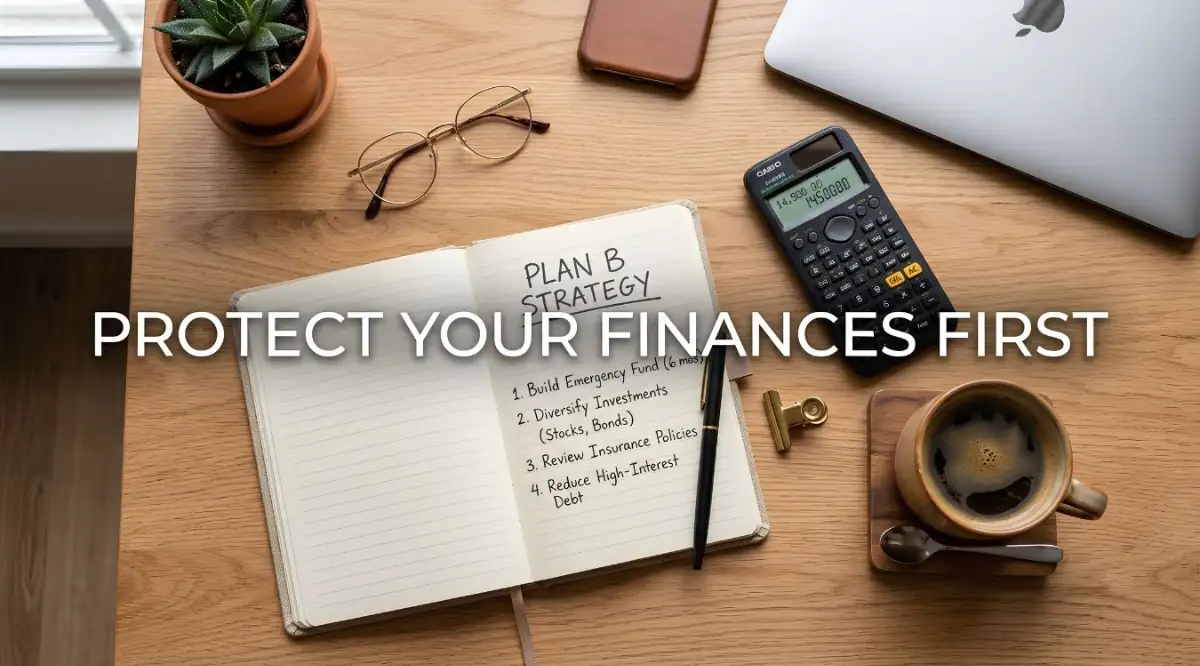
💡 Quick Summary: How to Quit Safely
- Don't Ask Friends: Validate your idea by getting money from 5 strangers before you quit.
- The 6-Month Rule: Save exactly 6 months of living costs (not "business" costs, but survival costs).
- Kill the "One Client" Trap: Never rely on a single source of income; aim for at least 3 active clients.
- Tax is Real: 30% of every dollar you get belongs to the government. Put it in a separate account immediately.
Validating Your Idea With Real Paying Strangers
The absolute biggest mistake you can make is assuming people will buy your product just because your friends said it was a cool idea. Your friends and family love you, so they will always tell you exactly what you want to hear. But the open market does not care about your feelings; it only cares about solving real problems.
Before you even think about drafting a resignation letter, you must prove that strangers are willing to hand you their hard-earned cash. This is called market validation, and it is the single most powerful risk management tool you have. You need to pre-sell your service, launch a tiny test version of your product, or get actual signed contracts.
If you cannot convince five strangers to pay you while you still have a day job, you definitely will not be able to do it when you are totally broke. Testing the waters early prevents you from wasting months of your life building a product nobody actually wants. Focus entirely on getting your very first paying customer before you spend a single dollar on a fancy logo or a sleek website.
Creating a Buffer Against Total Financial Panic
We need to have a very honest conversation about money and how it affects your decision-making. When your bank account is empty, you operate from a place of pure desperation. Desperation makes you accept terrible clients, undercharge for your highly valuable skills, and agree to awful terms just to keep the lights on.
To protect your business from your own panic, you must build a completely separate financial runway. A runway is simply a cash reserve that covers your basic living expenses for a set number of months. You should accurately calculate your absolute bare-minimum survival budget—rent, cheap groceries, basic utilities—and save up at least six months of that exact amount.
Before you quit, fill out this "Bare-Minimum Survival" checklist. If you can't cover these for 6 months, don't jump yet:
- Housing: Rent/Mortgage + Property Tax.
- Health: Private insurance premiums (it's always more expensive than you think).
- Subscriptions: Both personal (Netflix) and business (Zoom, Email, CRM).
- The "Oops" Fund: At least $1,000 for a broken laptop or a flat tire.
- Food: Groceries, not $15 takeout lunches.
Do not rely on credit cards or the hope of a magical overnight success to fund your life. This dedicated savings account is your ultimate peace of mind. It allows you to calmly negotiate with clients, build your product the right way, and sleep soundly at night knowing your bills are already covered.
Pro Tip: My biggest error early on was severely underestimating my hidden monthly costs. I forgot about expensive software subscriptions and annual hosting fees, which quickly drained my main account. Once I started tracking every single penny I spent on the business, I realized I needed a much larger safety net than I originally thought.
The Danger of the Single Client Trap
Many solo founders proudly quit their jobs because they managed to land one massive, high-paying client on the side. It feels amazing to see that big invoice get paid, and it gives you a massive boost of false confidence. But relying on a single client is actually more dangerous than relying on an employer.
If your boss fires you, you might get a severance package or standard unemployment benefits to help you survive. If your only client suddenly decides to cut their budget, you are instantly left with zero income and absolutely no protection. You have basically traded one boss for another, but stripped away all of your standard employee benefits.
| Client Type | Risk Level | Why? |
| The "Big Whale" (80% of income) | Extreme | If they leave, you're finished. |
| The "Golden Handcuffs" (Fixed Retainer) | Low | Consistent cash flow, easier to plan life around. |
| The "One-Off" Projects | High | Constant hunting needed; creates "feast or famine" cycles. |
| The "Anchor" (3 Small Clients) | Safe | Diversified income. Losing one won't break you. |
Here is a massive mistake I made during my first year: I relied entirely on one big client to pay all my daily bills. When they suddenly paused their contract, I lost almost all of my income overnight and nearly had to beg for my old job back. Always make sure you have at least three smaller clients paying you steadily before you ever leave your main job.
To safely manage this massive risk, you need to actively diversify your client base before you quit. Aim to have at least three or four steady, paying clients who each make up a small portion of your total income. If one client leaves, it will definitely hurt, but it will not completely destroy your ability to pay rent that month.
Understanding the Solo Cash Flow Cycle
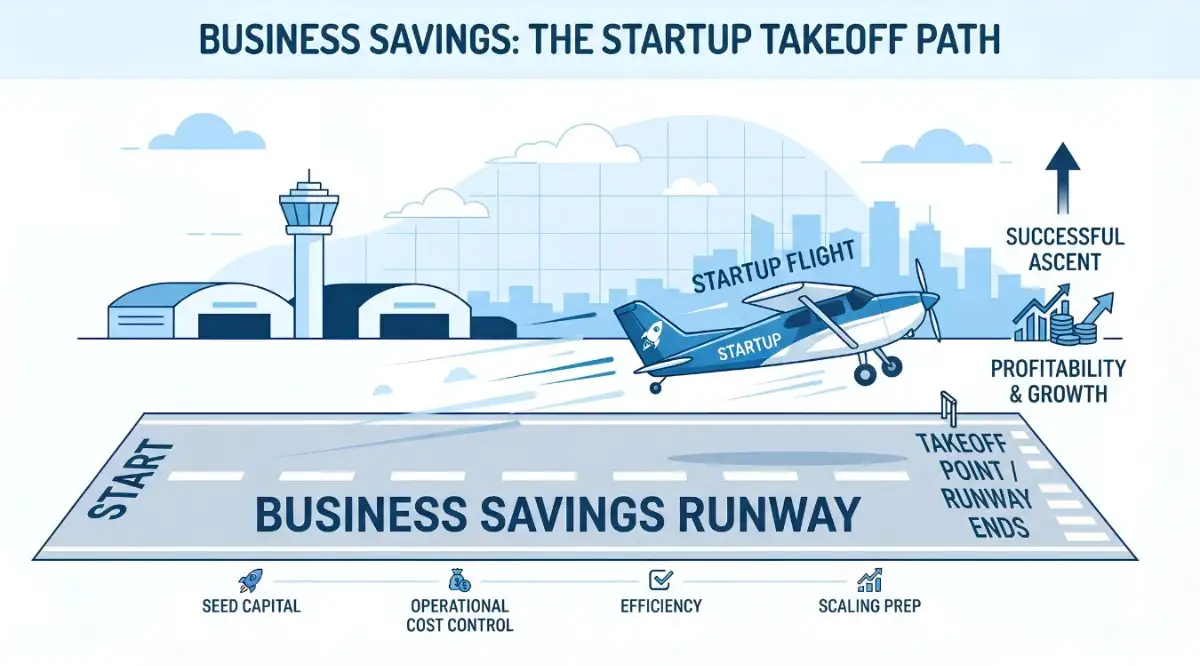
Managing a regular salary is incredibly easy because the money magically appears in your account every two weeks. Managing cash flow as a solo entrepreneur is a completely different, often terrifying game. Let us look at how the real world actually operates for new founders.
Securing Your Personal Health and Wellness
When we talk about business risks, we usually only talk about money and marketing strategies. We completely forget about the physical human being who actually has to do all the hard work. If you get sick or burn out, your entire solo business instantly grinds to a complete halt.
Leaving a corporate job usually means leaving behind a nice, comfortable health insurance plan. A single unexpected medical emergency can completely wipe out your entire business runway in a matter of hours. You absolutely must have a solid plan for your health coverage before you hand in your notice.
Spend some time heavily researching independent insurance plans available in your specific area. Factor this hefty monthly cost into your survival budget from day one. Taking care of your physical body is not a luxury; it is the most foundational risk management tactic you can possibly employ.
Watch This Highly Revealing Breakdown Before Moving Forward!
Before you make any big decisions, watch this quick video to see exactly how real founders protect their money before quitting their day jobs. It will completely change how you view your savings and make the rest of the safety steps in this guide make perfect sense!
Myth vs Reality: The Entrepreneurial Journey
Social media has heavily painted a very fake picture of what it takes to succeed on your own. Let us break down some highly toxic myths that often lead beginners into dangerous financial traps.
Myth: You have to take massive, wild risks to see any real success in business.
Reality: The most successful founders are actually incredibly risk-averse. They take highly calculated, tiny steps and heavily test every single theory before committing large amounts of money.
Myth: You should burn the boats and leave yourself no backup plan to force yourself to succeed.
Reality: Operating without a safety net only creates deep anxiety and terrible decision-making. Having a solid backup plan allows your brain to stay highly creative and heavily focused on long-term growth.
Myth: If you build a truly great product, the customers will automatically find you.
Reality: You can have the best service in the world, but if nobody knows you exist, you will fail. You must heavily invest your time into marketing and active selling from the very first day.
Mastering the Art of Time Management
When you are finally working for yourself, the sudden absolute freedom can feel incredibly overwhelming. There is no manager watching over your shoulder or strict office hours to keep you highly disciplined. This freedom can quickly turn into a massive liability if you do not actively manage your schedule.
Without a clear structure, you might find yourself wasting hours tweaking your logo instead of actually calling potential clients. You must treat your side hustle like a real job long before you actually quit your main one. Set highly strict working hours for your business tasks and actively stick to them no matter what.
Practice extreme focus by blocking out specific chunks of time for deep, meaningful work. Turn off your phone notifications and explicitly ignore social media while you are in business mode. If you can effectively manage your limited side-hustle hours, you will dominate your schedule when you eventually go full-time.
Learning to Say No to Bad Opportunities
As a new solo entrepreneur, you will naturally feel desperate to take on any work that comes your way. You might agree to heavily discounted rates or accept highly demanding clients just to get some cash flowing. But taking on the wrong type of work carries a massive hidden risk to your reputation and energy.
Toxic clients will rapidly drain your mental energy, leaving you totally exhausted and unable to find better opportunities. They often demand endless revisions and highly unrealistic deadlines, effectively paying you less than minimum wage for your time. You must learn the incredible power of walking away from bad deals.
Define your ideal client clearly and strictly stick to your core pricing structure. It is significantly better to have a quiet week than to be heavily tied up with a client who makes your life highly miserable. Guard your time fiercely, because as a solo founder, your time is literally your most valuable physical asset.
Next-Level Moves to Bulletproof Your Solo Journey
Once you have your basic safety net in place, it is time to look at the advanced moves that professional founders make behind closed doors. The transition from an employee to a business owner is not just about having enough money in the bank. It is heavily about protecting everything you have already worked so hard to build.
The most successful independent creators treat their new venture like a real, serious corporation from day one. This means immediately separating your personal identity from your business operations. If you are operating under your own name without any legal protection, you are taking a massive, unnecessary gamble with your personal assets.
Imagine a scenario where a simple client project goes completely wrong due to a simple misunderstanding. If that angry client decides to take legal action, they could potentially come after your personal savings, your car, or even your family home. You can easily avoid this nightmare by forming a formal business entity, like a Limited Liability Company.
Taking the time to legally register your business creates an invisible, bulletproof wall between your personal life and your professional mistakes. The Small Business Administration explains how choosing the right business structure directly impacts your personal liability and daily operations. Setting this up early gives you the ultimate peace of mind to take bigger, more profitable swings in your market.
Mastering the Art of Retained Income
One of the scariest parts of quitting your job is the sudden end of a predictable, recurring paycheck. Many new founders get stuck endlessly hunting for one-off projects every single month. This constant hustle creates a massive amount of stress because you start every month at absolute zero.
To safely manage this risk, you need to completely change how you package your services. Instead of selling a single, massive project, try to convince your clients to sign up for smaller, ongoing monthly support packages. This strategy is commonly known as securing retainer agreements.
Having just three clients paying you a smaller, fixed amount every single month completely changes the game. It allows you to accurately predict your future income and safely plan your major life expenses. You finally get to experience the safety of a regular salary, but on your own specific terms.
Handling the Heavy Weight of Existing Obligations
We also need to talk about the heavy elephant in the room that most business gurus completely ignore. Many people who want to start a business are also carrying a significant amount of personal debt, like student loans or credit card balances. Trying to start a new company while heavily drowning in old debts feels almost impossible.
You do not have to wait until you are completely debt-free to chase your dreams, but you do need a highly strategic plan. You must learn how to actively manage your monthly minimum payments while still putting cash aside for your startup. Finding this perfect balance is incredibly important for your long-term success.
By deeply focusing on building an emergency fund without ignoring your debt, you physically protect your credit score while funding your future. Taking small, consistent steps to manage both sides of your finances prevents you from panicking when a slow month eventually happens.
Protecting Your Physical and Mental Engine
When you work for a company, they usually provide a massive hidden benefit that you rarely think about until it is gone. If you suddenly get sick and need to visit the hospital, your corporate insurance plan absorbs the massive financial blow. When you become a solo founder, that protective shield completely vanishes overnight.
A single unexpected medical emergency can instantly wipe out your entire business savings in one terrible afternoon. You absolutely must lock down a reliable, independent health insurance plan before you ever hand in your resignation letter. Navigating the open healthcare market can feel incredibly confusing, but you cannot afford to skip this step.
Take a whole weekend to sit down and master the basics of understanding health deductibles and co-pays so you know exactly what you are buying. Choosing a plan with a manageable out-of-pocket maximum ensures that a random illness will never force your new business into sudden bankruptcy.
The Secret Psychology of Founder Resilience
Running a business alone is incredibly quiet and often deeply lonely. You will face weeks where clients reject your proposals, your marketing falls flat, and your self-doubt screams loudly in your ear. The biggest risk you actually face is not running out of money, but simply giving up too soon.
Building extreme mental resilience is the most powerful defense mechanism you can ever develop. You have to train your brain to view early failures as simple data points rather than personal attacks. When a product launch flops, it just means the market gave you clear instructions on what to fix next time.
Surrounding yourself with other independent creators is a fantastic way to protect your mental health. Find local meetup groups or active online communities where people openly discuss their daily struggles. Research from the National Institutes of Health highlights how social support reduces psychological distress during highly uncertain career transitions. Having a safe space to vent your frustrations keeps you grounded and highly focused on the bigger picture.

Dangerous Traps That Quietly Destroy New Founders
Now, let us walk through the incredibly common, emotionally driven mistakes that secretly sabotage talented people. The transition out of a traditional job is heavily charged with strong emotions, and those emotions often lead to terrible, impulsive decisions.
The most common and destructive trap is deciding to dramatically burn your bridges on the way out the door. If you have been unhappy at your job for a long time, the temptation to tell off your boss is incredibly strong. You might dream of making a massive scene and walking out feeling like a total hero.
Giving into that brief moment of anger is a massive strategic error that can haunt you for years. Your old boss, your current coworkers, and your industry network are highly valuable assets for your new business. Many solo founders actually get their very first massive contract directly from their previous employer.
Always leave your job with absolute grace, extreme professionalism, and a polite smile on your face. You never know when you might need a strong reference or a warm introduction to a new client in the future.
The Hidden Tax Nightmare
Another terrifying mistake is treating your business income exactly like your old personal salary. When you get a paycheck from a company, the government has already taken their cut before the money hits your bank. But when a client pays your new business, that money is completely untouched and entirely yours to manage.
Many beginners see a huge deposit hit their account and immediately spend it all on new equipment or lifestyle upgrades. Then, tax season quickly rolls around, and they realize they owe the government thousands of dollars they simply do not have. This single mistake forces thousands of new businesses to shut down every single year.
You must strictly separate your money from day one to avoid this massive legal headache. The Internal Revenue Service clearly outlines the dangers of mixing personal and business funds, which often leads to brutal audits. Open a completely separate business checking account and immediately transfer at least thirty percent of every payment into a dedicated tax savings folder.
Escaping a Toxic Environment the Wrong Way
Sometimes, the deep desire to become an entrepreneur is actually just a desperate cry to escape a highly toxic office environment. You might be dealing with terrible workplace bullying, unfair treatment, or a deeply hostile manager. The daily pain becomes so heavy that starting your own company feels like the only possible escape route.
Quitting immediately to escape bad treatment means you are running away from a problem rather than confidently walking toward a dream. This rushed transition leaves you totally unprepared, financially vulnerable, and deeply stressed about your immediate survival. If you are facing genuinely unfair or illegal treatment, you should handle the current situation professionally before making a massive career jump.
Take the time to carefully gather evidence and focus on documenting workplace discrimination before seeking legal help if necessary. Standing up for yourself and securing a proper exit package might give you the exact financial runway you need to launch your business safely. Always protect your current rights before you leap into the total unknown.
The "Build It and They Will Come" Illusion
Far too many smart creators spend eight straight months secretly building the perfect website, designing a beautiful logo, and printing expensive business cards. They refuse to tell anyone about their new company until everything looks absolutely flawless. They truly believe that once they finally launch, customers will magically line up to hand them money.
This perfectionism is actually just a hidden form of deep fear. You are terrified of rejection, so you hide behind endless administrative tasks instead of doing the real work. The real work is picking up the phone, sending cold emails, and directly asking people to buy your service.
Your logo absolutely does not matter if nobody knows your business exists. Do not spend a single dime on fancy branding until you have successfully convinced a total stranger to pay you for your core service. Action always beats perfection when you are trying to survive the first brutal year of business.
Your Action Plan for a Safe and Confident Transition
Stepping away from a guaranteed salary to build something of your very own is one of the bravest things you can ever do. It requires deep planning, incredible patience, and a willingness to face your biggest financial fears head-on. But you do not have to make this massive jump blindly or put your entire family at risk.
Take everything one small, logical step at a time. Start by aggressively saving your money and building that untouchable emergency runway. Test your business idea on the weekends and strictly focus on securing those first few paying clients before you say a word to your boss.
Set up your legal boundaries, open your separate bank accounts, and lock down your independent health coverage. By actively removing these massive unknowns, you completely free up your mental energy to focus on simply doing great work. You change the entire narrative from a desperate fight for survival to a calm, highly strategic game of growth.
I still remember the incredible wave of relief I felt on my first morning as a full-time founder, knowing my bills were already covered by my safety net. My careful planning allowed me to easily reject terrible clients and focus entirely on the work I truly loved. You absolutely have the power to build this exact same freedom for yourself, starting with the smart choices you make today.
Common Questions About Transitioning to Full-Time Entrepreneurship
How much money should I absolutely save before giving my two weeks' notice?
You should realistically aim to save at least six full months of your bare-minimum living expenses before officially quitting your job. This dedicated cash buffer completely protects you from the natural ups and downs of finding new clients. It also physically prevents you from making highly desperate business choices just to pay your upcoming rent.
Should I tell my current employer about my side business?
You should safely keep your side business completely private until you are absolutely ready to hand in your formal resignation. Many companies have strict internal policies against outside work, and telling them too early might put your main source of income at serious risk. Always quietly review your original employment contract to make sure you are not violating any direct non-compete agreements.
What happens if my first major business idea completely fails?
Failure is simply a very normal, expected part of the overall entrepreneurial learning process. If your safety net is properly built, a failed idea simply means you pivot your services and try a slightly different approach. Your personal life remains completely safe and untouched, allowing you to quickly bounce back and start fresh.
How do I handle taxes when I finally become a solo founder?
You must get into the incredibly strict habit of setting aside about thirty percent of every single payment you receive. Move this tax money directly into a separate, hidden savings account that you never touch for daily business expenses. You will also need to start paying the government in small quarterly installments throughout the year to avoid massive penalties later.
Is it completely normal to feel terrified about making this massive jump?
Feeling totally terrified is a highly normal and completely rational reaction to leaving a safe, comfortable environment. That fear just means you fully understand the heavy responsibility of taking control of your own financial future. Use that natural fear as a powerful motivator to plan carefully, save aggressively, and build an unbreakable safety net.
Looking back at my own scary jump, I can promise you that the freedom of working for yourself is worth every single moment of careful planning. Do not let fear keep you stuck at a desk you secretly hate; start building your emergency fund today. You have exactly what it takes to make this work, so take that first small step toward your freedom right now!
Disclaimer: The information clearly presented in this highly educational article is strictly intended for general informational purposes only and certainly does not constitute formal financial, legal, or professional business advice. Always safely consult with a certified accountant, a highly qualified business attorney, or a licensed financial advisor before making any major career transitions, forming legal entities, or handling significant tax obligations. Every individual business situation is completely unique, and you are entirely responsible for properly verifying all strategies before directly applying them to your personal career path.