

The Silent Frustration Behind Those Stubborn Tiny Bumps
Ever stared in the mirror at a forehead full of stubborn, itchy little bumps that just won't quit? I did exactly that for a whole year, blaming standard acne and buying every useless face wash on the drugstore shelf. It turns out, I was fighting the wrong battle entirely. Those aren't normal pimples—they are actually a yeast overgrowth, and treating them like regular breakouts makes things way worse. Let's ditch the heavy creams and fix your routine so you can finally get your smooth skin back.
I remember waking up, looking in the mirror, and feeling completely defeated by my own reflection. My forehead and cheeks were suddenly covered in these tiny, stubborn bumps that regular acne creams just could not fix. I spent hours scrubbing my face and spending money on expensive treatments that only made the irritation so much worse. It felt like my body was actively fighting against me, no matter how hard I tried to keep my face clean. Honestly, the constant itching and redness completely shattered my daily confidence. I found myself avoiding photos and canceling fun plans because I was so incredibly self-conscious about my appearance.
Normal daily life becomes an absolute nightmare when you are dealing with unexplained issues on your face. You wake up hoping for a sudden miracle, only to find new clusters of angry red bumps mocking your efforts. People around you might casually suggest drinking more water, completely failing to understand how exhausting this daily battle really is. It takes a massive toll on your mental peace when absolutely nothing seems to work.
Every single time you sweat or step out into the summer heat, pure panic sets in. You already know that a brand new breakout is just waiting to happen under the surface. The constant physical itching makes it impossible to focus on your work or enjoy time with your friends. You just want to feel normal again without carrying a heavy layer of heavy foundation everywhere you go.
The absolute worst part is the heavy feeling of deep isolation. We often think we are the only ones dealing with this specific type of stubborn, annoying breakout. However, you are definitely not alone in this highly frustrating journey toward healing.
Millions of people silently fight this exact same frustrating battle every single day. The standard advice often fails because we are treating the wrong enemy entirely. Let me assure you that achieving flawless skin and beauty is still entirely possible once you uncover the real truth. We just need to change our approach completely.
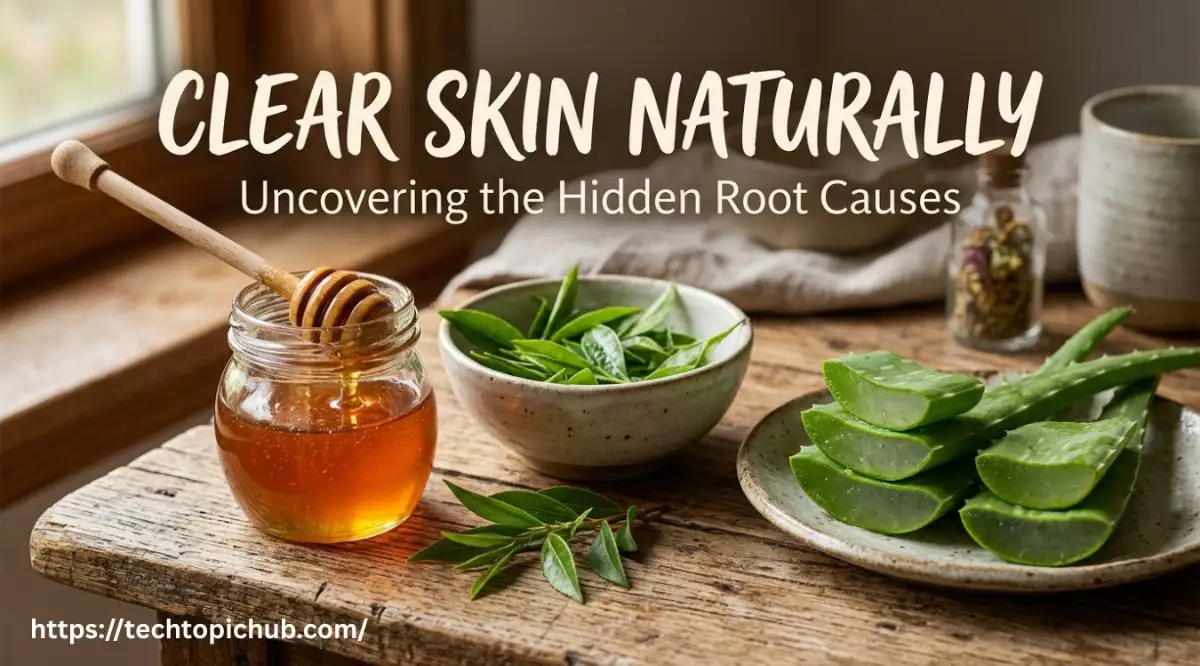
Before We Start: Your Quick Survival Guide
- Identify the bumps: If they are itchy, look exactly the same size, and pop up after you sweat, it's likely yeast (fungal), not regular bacterial acne.
- Starve the enemy: Stop using all oil-based moisturizers, heavy lotions, and coconut oil immediately.
- Ditch the harsh scrubs: Physical scrubs and strong acids just damage your skin barrier, giving yeast a free pass to spread further.
- Change your shower habits: Always wash and rinse your hair before washing your face so shampoo oils don't run down your clean forehead.
Unmasking the True Enemy: Why Your Current Routine is Failing
Most people assume that all bumps on their face are caused by trapped dirt and bacteria. This common misunderstanding leads to months of using the wrong drying lotions and harsh scrubs. The reality is that fungal acne is not actually acne at all in the traditional medical sense. It is a completely different beast that requires a totally different strategy.
This condition is scientifically known as Pittosporum folliculitis or Malassezia folliculitis. It happens when a specific type of naturally occurring yeast goes completely out of control. We all have this tiny yeast living harmlessly on our bodies right now. Problems only start when this yeast gets trapped in our hair follicles and begins multiplying too fast.
Think of your natural microbiome as a carefully balanced, beautiful garden. When everything is completely balanced, the flowers bloom perfectly and weeds are kept at bay. However, if you add too much water and heat, the unwanted weeds quickly take over the entire space. This exact same overgrowth process happens on your face, chest, and back when conditions are overly warm and damp.
Bacterial acne thrives on trapped dead cells and hardened sebum. Fungal overgrowth, on the other hand, actively feeds on the oils and heavy fatty acids we apply daily. This means your expensive moisturizing creams might be secretly feeding the exact problem you want to fix. It is a harsh truth that totally changes how we look at daily hydration.
Spotting the Hidden Warning Signs
How do you know if you are fighting bacteria or yeast? The clues are actually hidden right in plain sight. Traditional pimples come in many different shapes, sizes, and painful stages of inflammation. Yeast bumps are incredibly uniform, meaning they all look like tiny, identical red dots.
These identical dots mostly appear in thick clusters on the forehead, the hairline, and the upper chest. If your breakouts look like a perfectly matched army of tiny bumps, yeast is likely the main suspect. Another major giveaway is the intense, driving itch that comes with these specific bumps. Regular pimples might hurt or ache, but they rarely make you want to scratch your face off.
Quick Check: Are You Fighting Bacteria or Yeast?
| Feature | Regular Acne (Bacterial) | Fungal Breakouts (Yeast) |
| Appearance | Different sizes, whiteheads, cysts | Uniform, tiny red bumps all the exact same size |
| Sensation | Painful or sore to the touch | Intensely itchy, especially when sweating |
| Location | Face, jawline, chin | Forehead, hairline, upper chest, back |
| Triggers | Hormones, clogged pores, dead skin | Heat, humidity, heavy oils, sweaty gym clothes |
If your breakouts get significantly worse after a heavy workout or a hot summer day, take note. Yeast absolutely loves hot, humid, and sweaty environments to grow and thrive. Standard pimple creams containing benzoyl peroxide will do absolutely nothing to clear this up. In fact, those harsh chemicals will only damage your protective barrier further.
Watch this quick video below to see the exact everyday ingredients that are secretly feeding your stubborn breakouts, and then keep reading to build your ultimate yeast-safe daily routine!
The Hidden Triggers Disrupting Your Skin Care and Skin Health
To truly protect your skin and beauty, we have to identify what is causing this yeast party. One of the biggest offenders is living in a hot, deeply humid climate. The sticky moisture in the air creates the ultimate breeding ground for tiny microbes. While we cannot control the weather, we can definitely control how long sweat stays on our bodies.
Sitting in your sweaty workout clothes is practically an open invitation for yeast to multiply. Those tight, synthetic yoga pants and sports bras trap the damp heat directly against your pores. The longer you wait to shower after hitting the gym, the worse the overgrowth becomes. Fast hygiene is your very first line of natural defense.
I used to apply a very heavy, organic coconut oil every single night thinking it would heal my dry patches naturally. I quickly realized this thick oil was basically an all-you-can-eat buffet for the yeast hiding on my face. Switching to a lightweight, completely oil-free moisturizer changed everything for me in just a matter of days.
Another massive trigger is the overuse of strong oral or topical antibiotics. When you take antibiotics to kill bad bacteria, you also wipe out the good bacteria. These good bacteria are the natural police force that keeps the wild yeast strictly in check. Without them, the yeast throws a massive party and takes over the neighborhood.
The Myth vs Reality of Natural Healing
Let us quickly clear up some massive confusion about natural healing.
Myth: Scrubbing your face harder will eventually wash away the tiny bumps.
Reality: Physical scrubbing creates tiny micro-tears that actually spread the yeast and cause massive inflammation.
Myth: You should stop moisturizing entirely to dry out the yeast completely.
Reality: A damaged, bone-dry barrier makes you even more vulnerable to aggressive overgrowth.
Myth: All natural oils are incredibly safe and good for every complexion.
Reality: Yeast highly prefers to feed on oils like olive, coconut, and castor oil.
Understanding these facts is the main key to building a routine that actually works. We must learn to outsmart the yeast rather than just fighting it blindly with harsh physical force.
Step-by-Step Natural Strategies to Starve the Yeast
Now that we know exactly what we are fighting, it is time to take back total control. The absolute first step is completely starving the yeast of its favorite daily foods. This means temporarily saying goodbye to heavy lotions, rich creams, and standard facial oils. We want to put this unwanted fungus on a very strict, no-oil diet.
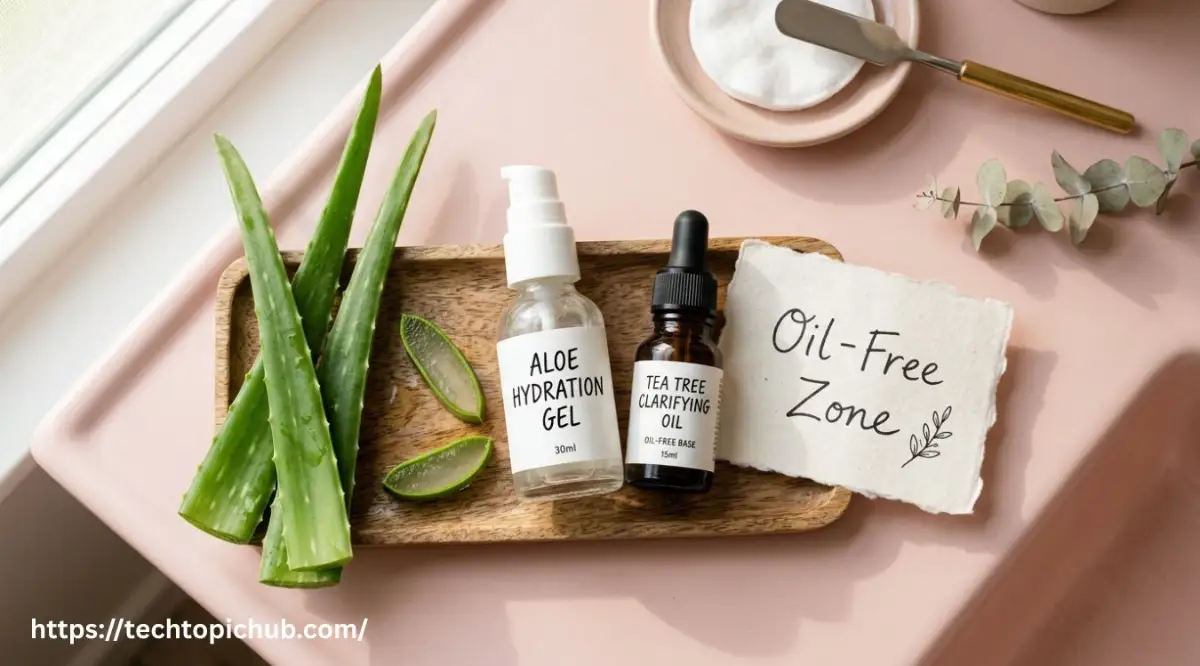
Start checking every single product in your bathroom cabinet for hidden fatty acids and thick oils. Ingredients like polysorbates, esters, and natural heavy butter are secret food sources for Malassezia. Switching to a completely fungal-safe, gel-based moisturizer is an absolute game changer. Your face will still get the deep hydration it needs without accidentally feeding the enemy.
My Personal Shortcut for Ingredient Checking:
Don't try to memorize complex chemical names! Just copy the ingredient list from your current moisturizer and paste it into free online tools like Sezia.co or Skin Carisma. These sites will instantly highlight any sneaky fatty acids, polysorbates, or esters that feed yeast. If the tool flags even one ingredient, put that product in the drawer while your face heals.
My absolute biggest mistake was thinking my skin was just dry and slathering on raw coconut oil before bed. I quickly realized I was basically throwing an all-you-can-eat pizza party for the yeast on my face! Once I threw out my heavy oils and switched to a simple aloe-based gel, the terrible itching stopped almost overnight.
Next, you need to introduce natural ingredients that naturally fight against fungal overgrowth. Pure tea tree oil is a famous, heavily researched natural remedy with powerful anti-fungal properties. However, you must never apply raw essential oils directly to your sensitive face. Always dilute one single drop of tea tree oil into a safe carrier gel like pure aloe vera.
Raw, unpasteurized honey is another incredible gift from nature for this specific issue. Honey is naturally antimicrobial, deeply soothing, and helps balance your natural pH levels beautifully. You can easily apply a thin layer of sticky raw honey as a deeply healing facial mask. Leave it on for twenty minutes before gently washing it off with cool water.
Rebuilding Your Natural Defenses
While you are actively starving the yeast, you also need to build up your own defenses. A healthy, fully functioning moisture barrier naturally repels unwanted invaders on its own. When your barrier is highly compromised, microscopic cracks allow yeast to easily slip inside. Repairing this invisible shield is absolutely mandatory for long-term skin and beauty.
Hyaluronic acid and pure glycerin are your best friends during this healing phase. They pull essential water into your cells without providing any oily food for the fungus. Applying these hydrating ingredients on slightly damp skin locks in the maximum amount of pure water. This simple trick keeps your face feeling plump, happy, and fully protected.
You must also take a very close look at your daily hygiene habits at home. How often are you actually changing your soft pillowcases and fluffy bath towels? Yeast can easily survive on damp fabrics and re-infect your freshly cleaned face every single night. Switching to a fresh, clean pillowcase every two days makes a surprisingly massive difference.
Make sure you are washing your makeup brushes and beauty blenders at least once a week. These tiny tools are notorious for harboring trapped moisture and aggressive microscopic fungi. Using a dirty brush is basically painting the yeast right back onto your clean pores. Keep everything that touches your face incredibly clean and completely dry.
The Deep Connection Between Your Gut and Complexion
You cannot achieve perfect skin care and skin health without looking at what is happening inside your stomach. The gut-skin axis is a scientifically proven pathway that links your digestion directly to your appearance. If your gut is full of unhealthy yeast like Candida, your face will strongly reflect that internal chaos. True healing must absolutely come from both the inside and the outside simultaneously.

Eating massive amounts of refined sugar directly feeds internal yeast overgrowth. Every time you consume heavy sugary drinks or highly processed snacks, the fungus gets much stronger. Cutting back on simple carbohydrates and refined sugars is a highly effective way to calm systemic inflammation. You will notice a major reduction in overall redness when your internal sugar levels finally drop.
Start introducing deeply natural probiotics into your daily meals to fight back. Foods like raw sauerkraut, unsweetened kefir, and traditional kimchi introduce billions of good bacteria into your system. These good guys actively hunt down the bad yeast and restore perfect peace in your digestive tract. When your gut is finally happy, your complexion will absolutely glow with natural radiance.
We also cannot ignore the heavy impact of chronic, daily stress on our immune system. High stress produces massive amounts of cortisol, which directly triggers excess oil production. More natural oil means more free food for the Malassezia sitting on your face. Finding simple ways to actively manage your stress is a powerful beauty treatment in itself.
Even taking just ten minutes a day to practice deep breathing can lower your internal cortisol levels. Going for a quiet walk in nature or reading a good book helps reset your nervous system. When your mind is completely calm, your immune system has the energy to fight off the fungal overgrowth.
Finally, remember that healing is a gentle journey, not an overnight magic trick. It took time for the yeast to take over, and it will take some time to evict it completely. Consistency with your new, yeast-safe routine is the ultimate key to permanent success. Stay incredibly patient with your body as it learns to rebalance and heal itself naturally.
Mastering the Long-Term Defense Strategy for Flawless Complexions
Once you understand what is secretly feeding the yeast on your face, you need a powerful long-term plan. Fixing the immediate breakout is amazing, but keeping those annoying bumps away forever is the real goal. True skin and beauty comes from maintaining a highly consistent, smart daily routine. We need to go beyond just buying new products and start changing our everyday lifestyle habits. Let us look closely at some advanced secrets that most people completely ignore during their healing journey.
One of the biggest hidden secrets to amazing skin care and skin health is your local tap water. We wash our faces twice a day without ever thinking about what is actually coming out of the faucet. Hard water is packed with heavy minerals like calcium and magnesium that leave a microscopic film on your face. This invisible film traps dead cells and creates the perfect environment for yeast to multiply rapidly.
If you live in a city with very hard water, investing in a simple shower filter is an absolute game changer. It removes those heavy minerals and immediately makes your face feel incredibly soft and deeply clean. Alternatively, you can finish your cleansing routine by rinsing your face with pure, distilled bottled water. This one tiny shift can dramatically calm down a highly irritated, bumpy forehead in just a few days.
The Secret Power of pH Balance
Your face has a natural protective layer called the acid mantle, which acts like an invisible security guard. This guard prefers a slightly acidic environment to properly fight off unwanted invaders like Malassezia yeast. When we use strong, squeaky-clean foaming soaps, we completely strip away this natural acidic defense.
A high pH cleanser turns your face into an alkaline playground where yeast can grow without any resistance. You must strictly look for gentle cleansers that proudly advertise being pH-balanced or slightly acidic. Protecting this delicate balance is the absolute best way to maintain lasting skin and beauty. You can read an amazing clinical overview on the skin's acid mantle to understand exactly how this invisible wall protects you daily.
Breaking Down the Yeast Biofilm
Here is a highly advanced concept that completely changed my own personal healing journey. Fungal overgrowth actually builds a sticky, protective shield around itself called a biofilm. This sticky shield blocks your natural treatments from actually reaching the yeast underneath. To get truly clear skin, we must actively break down this stubborn invisible wall.
Eating naturally powerful foods like fresh garlic and organic oregano can help dissolve this biofilm from the inside out. These natural ingredients act like little internal soldiers that break apart the yeast's defensive walls. When you combine these dietary changes with your topical treatments, the results are simply mind-blowing.
Upgrading Your Sleep Environment
We spend an entire third of our lives sleeping, which means our bedding deeply impacts our daily complexion. Standard cotton pillowcases easily absorb your night sweats and hold onto those damp oils until the morning. This creates a deeply humid, warm environment right against your cheek while you dream.
Switching to a pure silk or highly breathable bamboo pillowcase reduces this dangerous moisture trap significantly. These smart fabrics stay cool to the touch and actively prevent night sweats from ruining your progress. This simple bedroom upgrade is a massively powerful tool for boosting your overall skin care and skin health.

The Hidden Traps That Keep Your Face Breaking Out
Even with the absolute best intentions, it is incredibly easy to make simple mistakes that totally ruin your progress. I have personally made almost every single one of these errors because I was desperately trying to speed up my healing. Let me share the most common traps so you can safely avoid them and protect your natural glow. Falling into these specific habits will only make the terrible itching and red bumps significantly worse.
The Slippery Trap of Facial Slugging
There is a massive internet trend right now where people coat their faces in thick petroleum jelly before going to sleep. This trendy practice is called slugging, and it promises to lock in heavy moisture for a glassy, glowing morning look. While this might work for severely dry patches, it is an absolute nightmare for anyone prone to fungal issues.
Coating your face in a thick, unbreathable layer of jelly traps all your body heat directly against your pores. This creates a miniature tropical greenhouse on your face, which is exactly what yeast needs to throw a massive party. You are essentially rolling out the red carpet for Malassezia to completely take over your forehead and cheeks. You must always allow your pores to breathe naturally at night for optimal skin and beauty.
The Accidental Shampoo Run-Off
This is a highly common mistake that almost nobody ever talks about in standard beauty magazines. Many popular anti-dandruff shampoos contain heavy conditioning oils that coat the hair strands for extra shine. When you rinse these thick hair products out in the shower, the oily water runs straight down your forehead and back.
This oily residue sticks to your clean pores and secretly feeds the yeast long after you leave the bathroom. To prevent this, always wash and condition your hair first before you ever touch your face. Make your facial cleansing the very last step in your shower routine to guarantee all those sneaky hair oils are completely washed away. According to the American Academy of Dermatology's guide on proper washing, this specific order of operations is highly recommended for preventing stubborn breakouts.
Destroying the Shield with Heavy Acids
When people see tiny bumps on their face, their first instinct is usually to scrub them completely away. They buy heavy chemical exfoliants like glycolic acid and use them every single night without any breaks. This aggressive approach completely burns off your healthy protective layer and leaves you incredibly vulnerable.
A severely damaged moisture barrier leaks water rapidly, making your face feel tight, dry, and highly irritated all at once. Without this strong protective shield, yeast from the environment easily slips right back into your open pores. You have to treat your face like a delicate silk shirt, not a dirty kitchen floor that needs heavy scrubbing.
Investing in expensive new serums while heavily damaging your face is simply a massive waste of resources. It is much like trying to start building an emergency fund while leaving your front door wide open for robbers. You must first secure the basic foundation before you can expect to see any real, lasting growth or improvement.
Playing Dermatologist in the Mirror
We have all experienced the intense, overwhelming urge to squeeze those tiny bumps when looking closely in the mirror. You might think that popping them will finally flatten your forehead and make the texture go away. However, fungal bumps do not have a hard core of dirt to squeeze out like traditional blackheads do.
When you forcefully squeeze these specific bumps, you only push the yeast deeper into the surrounding tissues. This causes a massive chain reaction of deep redness, angry swelling, and dark scarring that lasts for several months. Keep your hands completely off your face during the day to protect your skin care and skin health. If you need a distraction, try reading some helpful lifestyle articles on our main resource hub instead of picking at your delicate pores.
Your Ultimate Blueprint for Lasting Natural Radiance
We have covered a massive amount of ground today, from understanding the invisible enemy to avoiding common bathroom traps. You now have a highly powerful, science-backed roadmap to finally take back control of your natural appearance. Remember that true skin and beauty is never about achieving some impossible, flawless filter standard you see online. It is completely about making your body feel deeply comfortable, highly protected, and beautifully balanced in its natural state.
Your new daily strategy is actually wonderfully simple once you get the basic hang of it. You just need to strictly avoid feeding the yeast, keep your environment cool, and gently support your natural barrier. Throw away those heavy, oil-based creams and embrace the light, refreshing feel of gentle hydration gels instead.
Start paying very close attention to how your specific body reacts to hot weather, tight clothing, and stressful days. When you learn to naturally read your own physical warning signs, you can easily stop a breakout before it even starts. Consistency with your new, yeast-safe habits is the real magic trick that guarantees long-term success.
Do not beat yourself up if you accidentally use the wrong product or have a small flare-up along the way. Healing is a highly deeply personal journey filled with many small ups and temporary downs. Celebrate the tiny victories, like waking up with slightly less redness or finally feeling that intense itch start to fade away. Your dedication to your own health will absolutely pay off when you look in the mirror and finally see your true self smiling back.
A Quick Word of Encouragement
I completely know how exhausting it feels to fight this annoying battle completely alone. Please believe me when I say that you absolutely have the power to turn this frustrating situation around starting right now. My skin finally healed when I stopped attacking it out of pure anger and started treating it with deep, genuine kindness.
Common Questions About Clearing Stubborn Fungal Bumps
How long does it actually take to see clear results naturally?
Most people start noticing a massive drop in the intense itching within just the first three to five days. However, completely flattening the tiny bumps and fading the red marks usually takes about three to four weeks of highly consistent care. Your body needs a full natural cycle to shed the old, damaged cells and reveal the fresh, healthy layer underneath.
Can I still wear daily makeup while trying to heal my face?
You can absolutely still wear your favorite makeup, but you must strictly check the ingredients for hidden oils and heavy fatty acids. Many popular liquid foundations are packed with sneaky ingredients that actively feed the yeast hiding on your cheeks. Switching to a highly breathable, loose mineral powder is often the safest and most beautiful option during your active healing phase.
Are standard chemical sunscreens safe to use during a breakout?
Sun protection is deeply important, but many traditional sunscreens use heavy, greasy bases that trap dangerous heat against your pores. You should strongly look for lightweight, mineral-based sunscreens containing pure zinc oxide instead. Zinc oxide is incredibly soothing for angry redness and naturally helps calm down highly irritated, bumpy areas.
Does drinking a gallon of water a day actually fight the yeast?
While staying highly hydrated is amazing for your general well-being, water alone cannot wash away a topical yeast infection. Drinking water keeps your cells plump and helps flush internal toxins, which heavily supports your overall immune system. Think of water as an amazing supportive teammate, rather than the primary medicine needed for this specific external issue.
Why does my chest always break out at the exact same time as my face?
The skin on your upper chest and back has a massive amount of highly active oil glands, just like your face does. When you sweat during a heavy workout or a hot day, this entire area becomes the perfect warm breeding ground for Malassezia. Treating your chest with the exact same gentle, yeast-safe routine you use on your face will quickly solve this frustrating dual problem.
Looking back at old photos, I wish I could tell my younger self that clear skin was just around the corner once I found the right routine. You do not have to live with that annoying itch forever, so take a deep breath and start making these simple changes today. Trust me, your future self will be so incredibly happy you did!
Disclaimer: The information provided in this article is strictly for educational and informational purposes only and does not constitute professional medical advice. We are not doctors, and this content should not be used to diagnose or treat any medical condition. Always consult with a board-certified dermatologist or qualified healthcare provider before starting any new treatments or making significant changes to your routine.
![Hidden Papaya Hacks for Glowing Skin and Beauty [Read Before Bed]](https://techtopichub.com/storage/uploads/blogs/1789407194_hidden-papaya-hacks-for-glowing-skin-and-beauty-read-before-bed.webp)
![The Ultimate Chemical-Free Routine for Better Skin Care and Skin Health [Save Money]](https://techtopichub.com/storage/uploads/blogs/1789228392_the-ultimate-chemical-free-routine-for-better-skin-care-and-skin-health-save-money.webp)