
The Day My Face Decided to Rebel
My face felt like it was on fire, and I just couldn't figure out why. Every single cream I tried only made the stinging worse, leaving my skin red and super angry. I spent weeks trying to fix it before I finally realized my everyday skincare habits were actually causing the damage. If your face feels tight and irritated right now, I completely get it—let me show you exactly how I stopped the burning and got my healthy skin back.
I will never forget the evening I washed my face and felt an intense, unexpected burning sensation. My skin was bright red, tight, and incredibly uncomfortable.
For weeks, I had been using strong exfoliating acids and harsh scrubs every single night. I genuinely thought more products meant better, faster results.
I assumed the sharp tingling meant the skincare was actually working its magic. I was completely wrong.
I felt totally lost, frustrated, and honestly a bit scared to touch my own face.
That terrifying experience is something so many of us go through without even realizing what went wrong. You wake up, look in the mirror, and see dry, flaky, irritated skin staring back at you.
Your makeup looks patchy, your face feels tight the second you step out of the shower, and your confidence takes a massive hit. It is completely exhausting to spend hard-earned money on expensive serums, only for them to make the redness even worse.
But you are definitely not alone in this battle. Fixing this issue is highly possible once you understand exactly what your skin is crying out for

Quick Fix Guide: How to Calm Your Skin Today
- Stop using all active acids, scrubs, and strong treatments right now.
- Wash your face with lukewarm water and completely skip your morning soap.
- Apply a simple hydrating spray or toner while your face is still damp.
- Seal everything in with a thick, ceramide-rich cream or plain ointment to lock the moisture down.
Understanding the Invisible Shield on Your Face
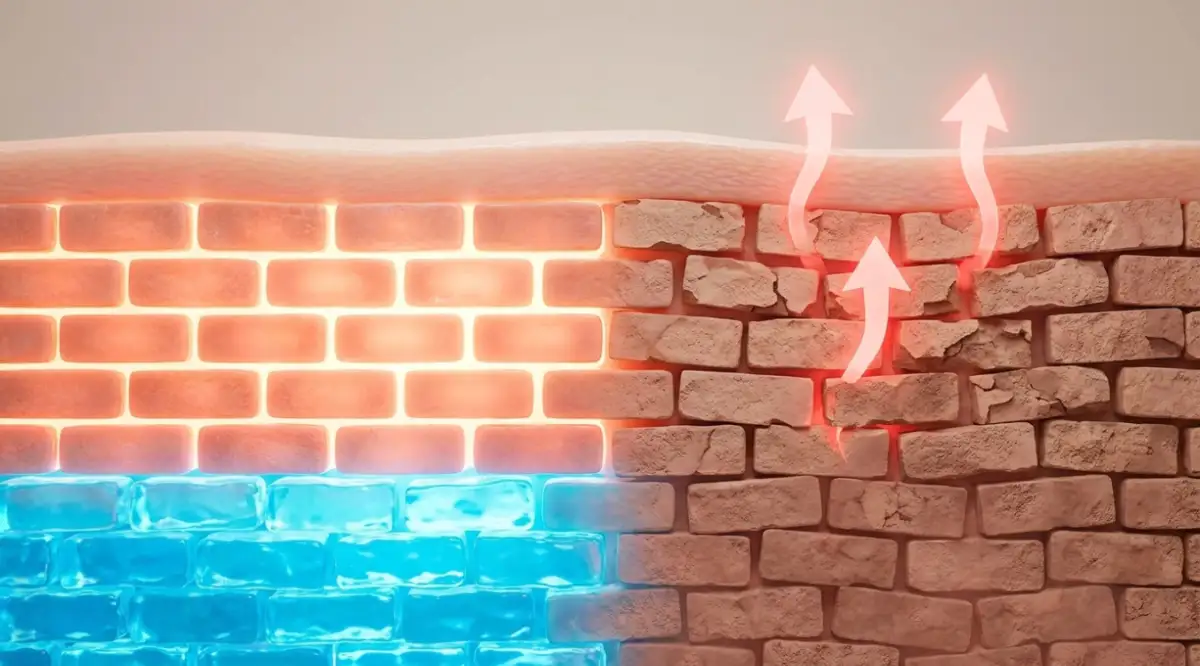
Think of your skin like a sturdy brick wall protecting a beautiful garden. The skin cells are the bricks, and the natural oils and lipids are the mortar holding everything together.
When that mortar is strong, harmful things like pollution and bacteria stay out, and good things like water stay in. Your face feels plump, hydrated, and calm.
However, when we scrub too hard or use overly aggressive products, we strip away that protective mortar. The wall starts to crumble.
Suddenly, water escapes into the air, leaving your face completely parched. Irritants sneak through the cracks, causing that awful stinging and burning feeling.
The Silent Signs Your Face is Begging for Help
How do you know for sure that your protective wall is broken? Your body has a very specific way of sending distress signals.
If your face feels extremely tight, like a mask that is one size too small, that is a huge red flag. You might also notice sudden breakouts in areas where you normally have clear skin.
Another massive warning sign is when your regular, reliable moisturizer suddenly burns upon application. Healthy skin should never sting when you apply a basic hydrating cream.
If you are experiencing a combination of extreme oiliness on the surface but deep dryness underneath, your defenses are down. It is time to step back and switch to a pure healing mode.
Let's do a quick reality check. Here is a super simple way to test your skin barrier right at home:
| What You Feel | What It Actually Means |
| Shiny but feels tight when you smile | Your barrier is stripped. Water is escaping, leaving dead cells sitting on top. |
| Your usual gentle sunscreen suddenly stings | The protective layer has tiny invisible cracks in it. |
| Breakouts but no blocked pores | Bacteria is getting right in because your natural shield is completely down. |
The Ultimate Rescue Plan for Your Skin
Repairing the damage does not mean you need a complicated, twenty-step process. In fact, doing less is exactly what your face needs right now.
We are going to walk through a highly effective, soothing nighttime routine to rebuild your natural defenses.
Before you throw out your current products, watch this quick video to see the exact gentle technique that finally calmed my angry face—and make sure to keep reading right below it to find out which common ingredients you must avoid at all costs tonight.
[Insert YouTube Video Link Here]
Step 1: Hit the Brakes on Active Ingredients
The very first thing you must do tonight is stop using any harsh treatments. Put away your retinols, vitamin C serums, and exfoliating acids.
These ingredients are normally great, but right now, they are the enemy. Applying them to a compromised face is like pouring hot sauce on a paper cut.
You need to give your skin a complete break for at least two to four weeks. Focus purely on basic hydration and deep nourishment.
My biggest mistake early on was sneaking just a tiny drop of my favorite exfoliating acid back into my routine, thinking one time would not hurt. Trust me, that single drop set my healing back by an entire week, so you really need to hide those harsh bottles in a drawer where you cannot easily reach them.
Step 2: Wash Without Stripping the Good Oils
Cleansing is where so many people make their first big mistake. If your face feels "squeaky clean" after washing, your cleanser is way too harsh.
Switch to a gentle, non-foaming, creamy cleanser that feels almost like a lotion. Look for a product that cleans away the day's dirt without removing your natural lipids.
Always use lukewarm water. Hot water will strip away your remaining oils and make the redness significantly worse.
I used to splash scalding hot water on my face in the shower, thinking it would open my pores and clean them out. My skin would instantly turn red and feel like sandpaper for the rest of the night. Once I switched to washing my face at the sink with slightly cool water, the burning sensation almost disappeared overnight.
Step 3: Drench Your Face in Pure Hydration
Once your face is gently cleansed, do not dry it off completely. You want to apply your next steps on slightly damp skin.
Damp skin acts like a sponge, pulling the next layer of hydration deep into the cells. Grab a simple, soothing hydrating toner or essence.
Look for ingredients like pure glycerin, hyaluronic acid, or centella asiatica. These act like a tall glass of water for your extremely thirsty cells.
Gently pat the liquid into your face using your fingertips. Avoid using cotton pads right now, as the friction can cause unnecessary micro-tears on sensitive areas.
The Good vs. The Bad: Ingredient Checklist
When you are shopping for your recovery routine, you need to know exactly what to look for on the back of the bottle. Here is a quick guide to help you choose the right items.
Keep this mental checklist handy every time you evaluate a new bottle. It will save you a lot of money and prevent future setbacks.
Step 4: Rebuild the Mortar with Ceramides
Now that you have added water back into your skin, you need to repair the broken mortar. This is where a thick, nourishing moisturizer comes into play.
Your go-to ingredient for this step is ceramides. Ceramides naturally make up about fifty percent of your skin’s top layer.
By applying a cream rich in ceramides, you are physically handing your body the building blocks it needs to repair the wall. Massage a generous layer all over your face and neck.
Take your time with this step. The gentle massaging motion helps the product absorb and increases blood flow, which naturally speeds up the healing process.
Myth vs Reality in Skincare Recovery
Myth: If you have oily skin, you should skip heavy moisturizers because they will cause breakouts.
Reality: A compromised barrier often overproduces oil to compensate for the deep dehydration. Skipping moisturizer will actually make you greasier and prolong the damage.
Myth: You can fix a broken skin defense system in just two days.
Reality: Skin takes about 28 days to naturally turn over and replace itself. You must be deeply patient and stick to this gentle routine for at least a month to see real healing.
Step 5: Seal the Deal (The Slugging Method)
If your face is exceptionally dry and flaky, you might want to try a technique called slugging. This involves taking a tiny, pea-sized amount of a plain healing ointment (like pure petroleum jelly).
You gently pat this ointment over your moisturizer as the absolute final step before getting into bed. The ointment acts as an artificial shield.
It completely prevents the water and healing ingredients from evaporating while you sleep. You will wake up with incredibly soft, bouncy skin.
However, if you are highly prone to deep, painful acne, you might want to skip the heavy ointment. Instead, just use a slightly thicker layer of your regular ceramide cream.
Sleep Environment and Lifestyle Tweaks
Your nighttime routine actually extends far beyond just the lotions you put on your face. Your sleeping environment plays a massive role in how quickly you heal.
If you sleep in a room with a heater or air conditioner running all night, the air becomes completely dry. That dry air will violently suck the moisture right out of your face.
Investing in a small, quiet bedroom humidifier can completely change the game for your recovery. It keeps the air moist, allowing your face to rest peacefully.
Also, consider swapping your standard cotton pillowcase for a smooth silk or satin one. Cotton is highly absorbent and can drink up all your expensive creams while you sleep.
Silk, on the other hand, allows your face to glide smoothly, preventing both moisture loss and harsh physical friction.
The Mental Shift Required for Healing
Healing a compromised face requires a massive shift in how you think about beauty. We are heavily conditioned to look for instant results and overnight transformations.
We buy products that promise to peel, scrub, and polish us to perfection in a matter of minutes. But true skin health is about gentle consistency, not aggressive warfare.
You have to learn to listen to your body and respect its natural boundaries. When your face feels tight, it is asking for a drink of water, not another layer of acid.
By embracing this deeply soothing, minimalist approach, you are not just fixing a temporary problem. You are building a foundation of resilient, glowing health that will last for decades.
Stick to this exact nighttime process diligently. Soon, that painful burning sensation will become a distant memory, replaced by a calm, deeply hydrated glow.
Going Beyond the Basics: Pro-Level Secrets for Lasting Hydration
Now that you understand the absolute foundation of nighttime healing, it is time to look a little deeper. Many people stop at simply buying a thicker moisturizer and hope the problem magically disappears.
However, true skin recovery happens when you adjust your daily habits to fully support that expensive cream. One of the biggest secrets in the dermatology world is actually managing the water that comes out of your own faucet.
If you live in an area with hard tap water, you are constantly splashing your face with heavy minerals like calcium and magnesium. These invisible minerals stick to your skin long after you dry off, actively draining your natural oils.
You can read more about the hidden effects of hard water on sensitive skin through trusted medical resources, which explain exactly why your face feels tight after a shower. If you suspect your water is the villain, try keeping a jug of distilled water near your sink.
I actually tracked how much money I spent trying to fix this exact issue. I wasted over $150 on fancy "calming" serums that did absolutely nothing. Once I switched to a $4 tube of plain petroleum jelly and a $12 basic ceramide cream, my skin healed in less than three weeks. You really don't need a massive budget to fix this problem—you just need the right simple ingredients.
Simply use that soft, pure distilled water for your final face rinse before applying your serums. This tiny, inexpensive change can completely transform your healing speed within a matter of days.
The Famous "Moisture Sandwich" Technique
Have you ever tried applying a heavy cream, only for it to sit on top of your face like a greasy mask? This happens because damaged skin is like a bone-dry sponge that has forgotten how to absorb anything.
To fix this, skin experts highly recommend a brilliant method known as the moisture sandwich. This simply means trapping multiple thin layers of water between your actual skincare products.
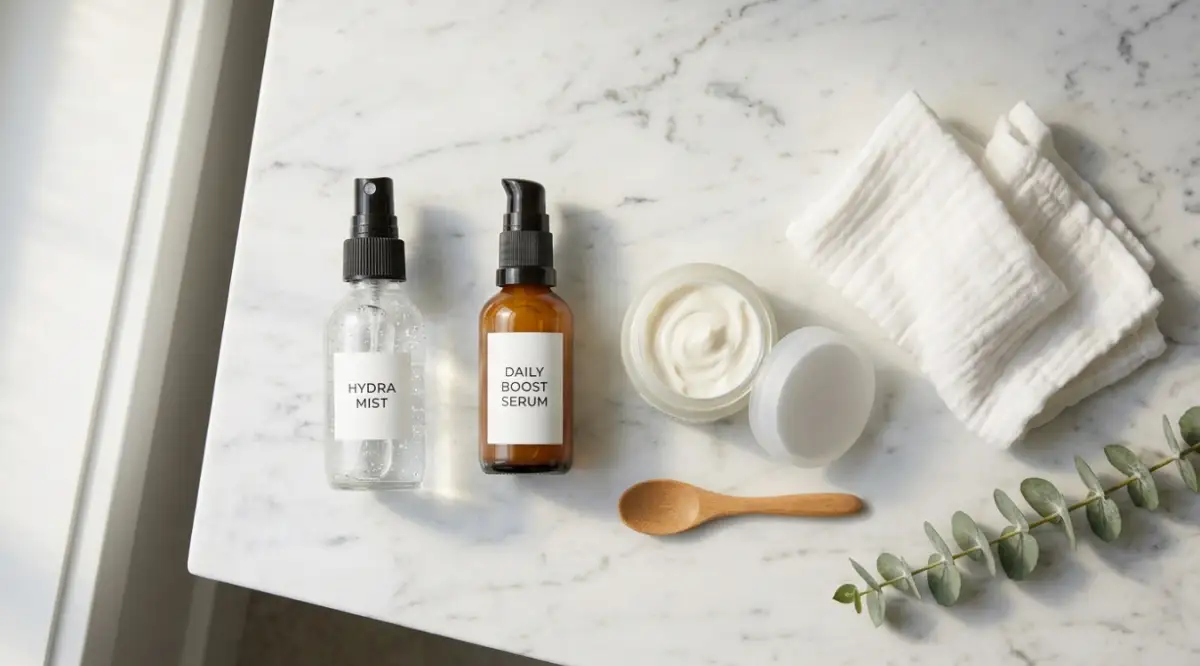
First, you lightly mist your clean face with plain water or a basic hydrating spray. While the face is still visibly wet, gently press in a hydrating serum containing glycerin.
Do not wait for that serum to dry. Immediately mist your face one more time, adding another literal layer of water to the mix.
Finally, lock all of that precious trapped water down with your heavy ceramide cream. This method forces hydration deep into the cells, completely preventing the dreaded midday dryness.
Understanding the Internal Stress Connection
We often forget that our skin is a highly reactive organ that visually displays our internal stress levels. When you are going through incredibly hard times, your body produces massive amounts of a stress hormone called cortisol.
High cortisol actually slows down your body's ability to repair surface wounds and rebuild the broken barrier. It is incredibly difficult to heal your face if your mind is constantly in a state of sheer panic.
If you are dealing with major life events, such as managing intense personal stress after sudden life changes, give yourself some extra grace. Your skin might take a little longer to recover, and that is perfectly okay.
Take a few moments every night to simply breathe deeply while massaging your face cream. Treating your skincare routine as a quiet, meditative escape can actually lower those stress hormones significantly.
Investing in the Right Habits, Not Just Products
It is very tempting to buy every single trending serum that promises overnight relief for redness and irritation. However, constantly buying new beauty items will only stress out your face and drain your bank account.
Treat your skincare journey just like you would treat building a realistic monthly budget. Figure out your absolute non-negotiable basics, stick to them religiously, and ignore the shiny new distractions.
You do not need a twenty-step luxury routine to achieve a beautiful, healthy glow. A gentle cleanser, a simple hydrating toner, and a solid protective cream are truly all you need to win this battle.
For more detailed scientific studies on skin hydration levels, researchers constantly prove that simple, consistent moisture application beats complex routines every single time. Keep your routine boring, and your skin will reward you by looking absolutely spectacular.
The Hidden Traps Destroying Your Skin’s Recovery
Even with the best intentions and the highest quality creams, many people accidentally sabotage their own progress. Healing a compromised face is a very delicate process, and one wrong move can send you right back to square one.
We are heavily influenced by marketing that tells us exactly how our skin should feel during a routine. Unfortunately, most of those commercial promises are exactly what caused your broken barrier in the first place.
Let’s talk about the absolute worst things you can do while your face is in its vulnerable healing phase.
Trap 1: Believing the "Tingle Means It Is Working" Myth
We have all been conditioned to believe that if a product slightly burns, it is actively cleaning out our pores. I used to apply strong acid toners and actually smile through the stinging, completely believing I was doing the right thing.
This is arguably the most dangerous mindset you can have when dealing with a compromised face. Healthy skincare should absolutely never hurt, sting, tingle, or burn.
If you apply a lotion and your cheeks instantly flush red and feel hot, wash it off immediately with cool water. That burning feeling is your nervous system screaming that irritants are directly entering your bloodstream through the microscopic cracks in your face.
Trap 2: Scrubbing Away the "Ugly" Flakes
When your barrier is completely shot, your face will likely start peeling and flaking around the nose and mouth. Your first instinct will naturally be to grab a harsh physical scrub or a washcloth to buff away that dead skin.
You must resist this urge with everything you have. Those dry flakes are essentially tiny, natural bandages that your body created to protect the raw, new skin underneath.
If you aggressively scrub them off before they are ready to naturally fall away, you are essentially ripping off a scab. This leads to severe redness, potential scarring, and a much longer recovery timeline.
Instead of scrubbing, simply apply a little extra moisturizer over the flaky areas to soften them visually. If you constantly ignore these warning signs, you run the risk of developing long-term conditions. You can read expert advice on relieving extremely dry skin to understand exactly how dermatologists handle these sensitive situations.
Trap 3: The Morning Cleansing Disaster
Most of us blindly follow the rule that we must wash our faces with a foaming cleanser every single morning and night. While this might work for heavily oily teenagers, it is an absolute disaster for a damaged adult face.
When you sleep, your body works incredibly hard to produce natural, protective oils that coat your skin. If you wake up and immediately scrub those hard-earned oils down the drain, your barrier has no chance to recover.
Unless you wake up incredibly sweaty, try completely skipping your morning cleanser. Just splash your face with some lukewarm tap or distilled water, pat it gently with a clean towel, and move straight into your hydrating serums.
Trap 4: The Endless Product Hopping Game
When our face hurts, we become desperate for an immediate, magical cure. We try a new healing cream on Monday, decide it isn't working by Wednesday, and buy something completely different on Thursday.
This constant switching throws your face into an absolute state of shock and confusion. Just like taking on sudden financial risks without planning, this kind of understanding the hidden risks of unsecured decisions rarely pays off in the end.
Your skin strictly requires at least four weeks of absolute consistency to even begin recognizing a new ingredient. Pick a gentle, boring routine and literally force yourself to stick with it for a full month, no matter what.
Your Personal Blueprint for Glowing, Resilient Skin
You now hold all the knowledge and tools required to take full control of your skin's health. The journey from a stinging, red face to a plump, glowing complexion is entirely in your hands now.
It is incredibly empowering to realize that you do not need aggressive chemicals to look beautiful. Your body already knows exactly how to heal itself; it just needed you to stop fighting against it.
Actionable Steps for Tonight
Tonight, when you step into your bathroom, completely change your mindset. Look at your reflection with deep compassion instead of harsh criticism.
Put away the strong treatments, wash with gentle, cool water, and focus entirely on creating your soothing moisture sandwich. Trust the process of applying thick, protective layers of how thick creams protect the outer skin layer, knowing that every single application is rebuilding your invisible shield.
Try to establish predictable, calming habits for your evening routine. When you stick to these safe, proven methods, you will find it much easier than trying to juggle comparing fixed versus variable daily habits when it comes to your beauty cabinet.
If you are interested in exploring more ways to improve your daily habits, you can always enjoy exploring more daily lifestyle tips across our platform. The goal is always to make your life simpler, healthier, and much more peaceful.
I know exactly how overwhelming it feels to look in the mirror and not recognize the irritated skin staring back at you. My biggest realization was that stepping back and doing absolutely nothing but moisturizing was the bravest and most effective choice I ever made. You have got this, and I promise that your smooth, healthy, glowing face is waiting just around the corner!
Common Questions About Healing Your Face Naturally
How long does it actually take to fix a broken moisture barrier?
It typically takes anywhere from three to four weeks of consistent, gentle care to see major improvements. Your skin works on a 28-day cellular turnover cycle, so you have to be deeply patient and wait for the new, healthy cells to surface.
Can I still wear my daily makeup while my face is recovering?
You can wear light makeup, but try to avoid heavy, matte foundations that heavily dry out the surface. Stick to sheer, hydrating skin tints or BB creams, and make sure you remove them incredibly gently at night without intense rubbing.
Should I completely stop using my favorite vitamin C serum?
Yes, absolutely pause your vitamin C and all other active acids until your face completely stops stinging. Once your natural defenses are strong again, you can slowly reintroduce them into your morning routine just one or two days a week.
Does drinking lots of water help fix the outside of my face?
Drinking plenty of water is always great for your overall health, but it will not magically fix a broken external shield. You must physically apply topical hydrators and lock them in with heavy creams to treat this specific issue directly.
What should I do if my face randomly starts itching during the day?
If you feel a sudden, intense itch, do not scratch it with your fingernails, as this easily introduces bacteria. Instead, lightly tap the itchy area with clean fingertips and apply a tiny dab of a soothing ceramide cream right on top.
Looking back, letting go of my expensive, complicated skincare steps was the absolute best thing I ever did for my confidence. You do not have to live with a red, tight, and angry face anymore, so start this incredibly gentle routine tonight and watch how beautifully your skin bounces back!
Disclaimer: The information provided in this blog post is for educational and informational purposes only and does not constitute professional medical advice. Skincare is highly personal, and what works beautifully for one person may not work for another. If you are experiencing severe pain, persistent cystic acne, intense allergic reactions, or suspect an underlying medical condition, please consult a board-certified dermatologist or healthcare provider before attempting to treat the issue yourself.