The Hidden Trauma of a Ruined Complexion
That one huge mistake cost me a lot of money in doctor visits and forced me to hide indoors for a week. I used to think patch testing was a waste of time, something only overly paranoid people did. Now, my bathroom cabinet is filled with half-empty bottles that remind me exactly why I need to be careful. I realized the hard way that protecting my skin barrier is way more important than jumping on the newest beauty trend.
Buying new skincare is supposed to be a fun, exciting experience. You watch videos of people glowing with flawless skin and hope the product will do the exact same for you. We happily spend our hard-earned money on beautiful bottles, dreaming of clearing up our dark spots or stopping early wrinkles.
But for many of us, this exciting purchase quickly turns into a horrible nightmare. Instead of waking up to a beautiful glow, you wake up to painful, angry bumps all over your cheeks. Your skin feels tight, hot, and completely irritated.
This unexpected reaction ruins far more than just your physical appearance. It destroys your mental peace and makes you deeply self-conscious when you step outside. You try to cover the redness with heavy makeup, which only clogs your pores further and makes the irritation so much worse.
The worst part is that this painful cycle is entirely preventable. Most people just do not know the right way to introduce a foreign substance to their delicate skin cells. We are always in a rush to see instant results.
Quick Takeaways for Safe Skincare
- Never test a new product directly on the middle of your face.
- Use hidden spots like the skin behind your ear or your inner arm.
- Wait at least 48 hours to check for delayed redness or itching.
- Introduce only one brand-new product to your routine per week.
The Biological Truth About Skin Reactions
Your skin is a highly intelligent defense system, not just an empty canvas. Its primary job is to keep bad things out and keep moisture inside. When you apply an unknown ingredient, your immune system immediately analyzes it.
If your body decides this new chemical is an enemy, it sends out inflammatory signals to attack it. This biological fight is exactly what causes the visible redness, swelling, and itching you experience. Your body is literally going to war with the cream you just bought.
Skin Reaction: Myth vs. Fact
- The Myth: If a new cream stings your face, that means it is actively cleaning your pores!
- The Fact: Unless you are using a strong chemical peel (like AHA or BHA), your skincare should never burn. If a basic moisturizer or gentle serum causes a stinging fire on your cheeks, your barrier is under attack. Wash it off right away with cold water.
Understanding the difference between a bad reaction and a normal adjustment period is an absolute must. Sometimes, a product is simply clearing out your pores, which can look like a breakout. Let us look at a simple breakdown to help you identify what is happening to your face.
Reaction Types: An Easy Comparison Table
This simple knowledge can save you from throwing away a perfectly good product. It also stops you from continuing to use something that is silently destroying your skin barrier.
Choosing the Perfect Hiding Spot for Testing
You should never test a new product directly in the middle of your cheeks or forehead. If a disaster happens, you want it to be in a place nobody can easily see. Location is everything when it comes to keeping your confidence intact.
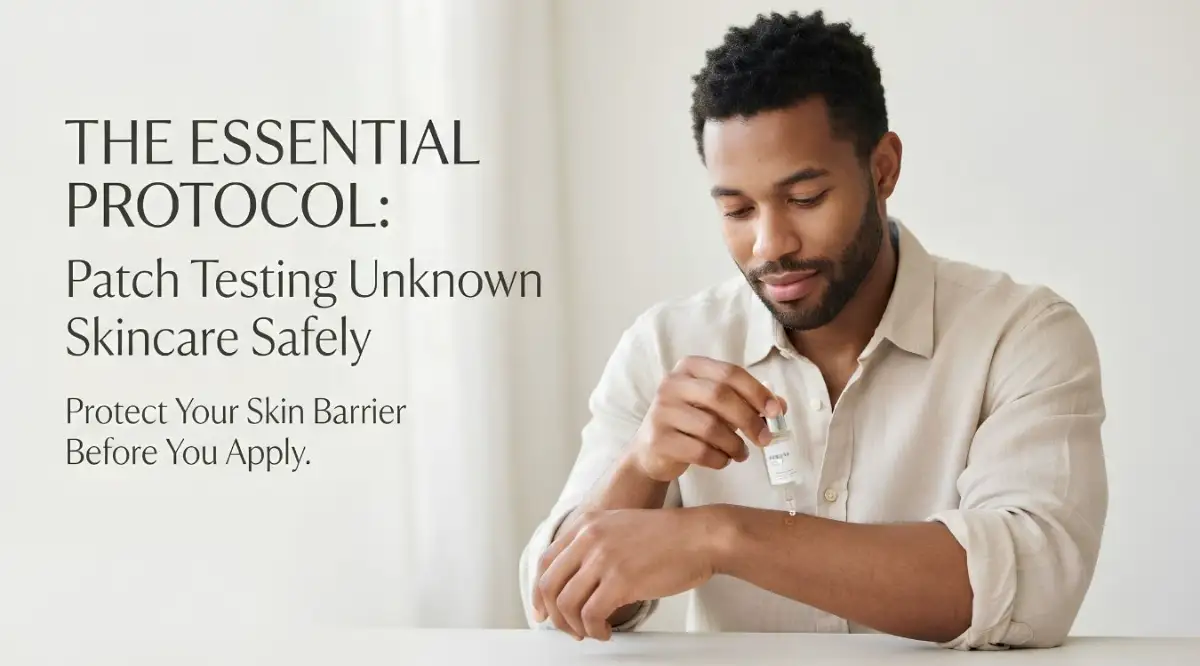
For products you leave on, like heavy creams or serums, the inner forearm is an excellent starting point. The skin here is thin enough to show a reaction but far away from your highly visible face. Just apply a tiny drop, rub it in gently, and go about your day.

If you have highly sensitive facial skin, the forearm might not give you the full picture. The skin on our bodies is generally much tougher than the skin on our faces. This is why you need a secondary testing location.
The absolute best spot for a secondary face test is right behind your ear or along your lower jawline. If a bad breakout happens here, your hair can easily hide the damage while it heals. It is a safe zone that closely mimics the sensitivity of your cheeks.
Want to see exactly where dermatologists recommend placing the product? Watch this short visual guide to find the perfect hidden spots on your face and neck to avoid embarrassing reactions.
Wash-off products, like cleansers or masks, require a slightly different approach. You should apply a small patch on your neck, wait the recommended time, and rinse it off. Even though it does not stay on your skin, strong cleansers can strip your natural oils almost instantly.
The Science of Waiting and Observing
We all struggle with patience, especially when we have a shiny new bottle waiting on the shelf. However, your immune system does not always react the very second a chemical touches your cells. Delayed allergic reactions are incredibly common and heavily misunderstood.
Sometimes, your body needs time to build up an antibody response to a specific fragrance or preservative. You might apply a lotion on Monday and feel totally fine. But by Wednesday morning, the area could suddenly turn into a red, itchy mess.
I used to test a product for just five minutes, wipe it off, and think I was totally safe. But my biggest mistake was ignoring delayed reactions, which once caused a massive breakout three days later. Always wait at least 48 hours to see how your skin truly responds before applying it everywhere.
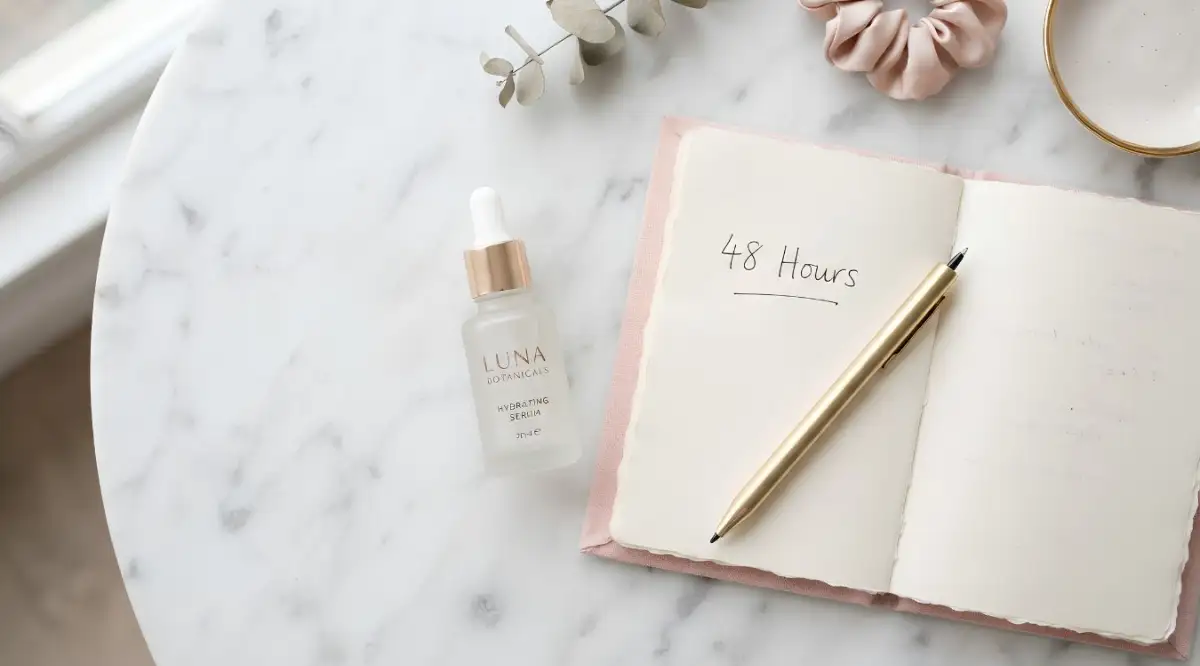
During this waiting period, try to keep the tested area completely dry. Do not apply any other soaps, perfumes, or lotions over the exact same spot. You need to isolate the variable so you know exactly who the culprit is.
If you notice even the slightest burning sensation during the first few hours, wash it off with cold water. Do not try to be brave and power through the pain. Skincare should never feel like a punishment.
Dealing With Highly Active Ingredients
Not all skincare products are created equal, and they should not be tested the same way. Basic moisturizers usually just sit on top of the skin to lock in hydration. Active ingredients, on the other hand, physically alter how your cells behave.
Things like Retinol, Salicylic Acid, and Vitamin C are famous for causing initial irritation. They work by aggressively speeding up cell turnover or dissolving dead skin cells. Testing these requires an extra layer of caution.
When testing strong chemical exfoliants, you should expect a tiny bit of tingling. A mild tingle is completely normal and just means the product is actively working. However, if that tingle turns into a hot, stinging fire, you have crossed the line into damage territory.
For these powerful liquids, try testing them over a light layer of plain moisturizer first. This simple trick slows down the absorption rate and protects your barrier from sudden shock. It is an excellent way to introduce aggressive acids to a timid complexion.
Natural botanical ingredients also carry a very high risk of unexpected allergies. Many people wrongly assume that if an ingredient comes from nature, it is automatically safe. In reality, essential oils and plant extracts are some of the most common allergens found in the beauty industry.
The Golden Rule of One at a Time
A common mistake beginners make is buying an entire ten-step skincare line and starting it all on the same night. This is practically a guaranteed recipe for a skin breakdown. When you introduce five new chemicals at once, your defense system gets completely overwhelmed.
If a massive breakout happens the next morning, you will have absolutely no idea which product caused it. Was it the foaming cleanser, the snail mucin, or the heavy night cream? You will be forced to throw all of them out because the risk is just too high.
This is why you must adopt the "one at a time" philosophy for your beauty routine. Introduce just one single new item to your face and wait an entire week. Let your skin recognize the formula, accept it, and adjust to the new hydration levels.
Once your skin is totally happy with the first item, you can safely move on to testing the next one. Yes, this process takes a lot longer, but it guarantees you will never ruin your progress. Patience is the ultimate secret weapon for a flawless complexion.
My biggest realization came when I threw out three perfectly good serums because I broke out, only to find out it was my new face wash causing the problem all along. Now, I have a strict rule where I force myself to wait exactly seven days before opening another new box. Trust me, writing down exactly what you used and when saves you so much money and endless frustration.
If you accidentally cause a reaction during your testing phase, do not panic. The best thing you can do is instantly strip your routine down to the bare basics. Use only water, a gentle cleanser, and a basic healing ointment until the redness fully fades.
Applying ice wrapped in a clean, soft cloth can rapidly reduce any painful swelling. Never pick at the small bumps or try to pop them, as this pushes the irritating chemical deeper into your pores. Give your body the time and peace it needs to heal itself naturally.
Mastering Your Skincare Defense System (Advanced Tactics)
You already know the basic rules of placing a tiny drop of serum on your arm or behind your ear. But if you truly want to protect your glowing complexion, you need to think like a professional dermatologist. Long-term skin health is not just about avoiding immediate rashes. It is about understanding exactly how different formulas interact with your unique biology.
One of the most effective strategies I use is something called Short Contact Therapy. This is a brilliant method for testing highly aggressive active ingredients without burning your face off. Instead of leaving a powerful exfoliating acid on your skin overnight, you only leave it on for about five to ten minutes.
After those few minutes pass, you gently wash the product completely off with lukewarm water. Your skin still absorbs a small fraction of the active chemical, but you completely remove the risk of prolonged irritation.
If your skin handles this short exposure without turning bright red, you can slowly increase the time by five minutes every single week. This technique trains your immune system to accept the new ingredient without triggering a massive inflammatory panic attack.
I also highly recommend keeping a dedicated Ingredient Journal on your phone or in a small notebook. Every time a new product gives you a bad reaction, write down the top five ingredients listed on the back of the bottle. Over time, you will start to see a clear pattern of which specific chemicals your face absolutely hates.
Becoming Your Own Ingredient Detective
Instead of guessing why you broke out, you will have hard, undeniable data. You might notice that every moisturizer that causes you to break out contains a specific type of silicone or artificial fragrance. Protecting your health requires hard evidence and proper tracking.
Much like keeping a complete blueprint for documenting workplace discrimination before seeking legal help to protect your career, maintaining a detailed ingredient log protects your physical wellbeing. It takes the frustrating guesswork out of buying new beauty items.
Another highly advanced secret is mastering the Buffering Technique when you test strong retinoids. A damaged acid mantle is incredibly hard to repair, according to studies published by the American Academy of Dermatology on skin barrier function. Buffering means you apply a thick layer of plain, boring moisturizer before you apply the new active ingredient.
This creates a protective physical shield over your delicate pores. The new serum or cream now has to slowly push its way through the moisturizer before it reaches your living cells. This drastically slows down the absorption rate and prevents sudden chemical shocks.
The Seasonal Testing Strategy
You also need to adjust your testing habits based on the current weather and humidity levels outside. Your skin behaves completely differently in freezing, dry winter winds compared to hot, sweaty summer afternoons. A heavy night cream that feels perfectly fine in the winter might cause a terrible breakout if you test it during a humid summer month.
I always wait for a calm weather week to introduce a brand-new chemical to my routine. If my face is already stressed out from extreme sunburn or extreme cold, I put all new purchases on hold. You should only test unknown formulas when your skin is completely calm and at its normal baseline.
Quick Guide: How Long Should You Wait?
Depending on the product, you need to adjust your waiting time before declaring it safe for your whole face:
- Basic Cleansers: Wait 24 hours.
- Moisturizers & Sunscreens: Wait 48 to 72 hours (watch out for clogged pores).
- Active Serums (Vitamin C, Retinol): Wait 3 to 5 days, as delayed flaking is very common.

Dangerous Testing Habits That Destroy Your Complexion
When we are desperate to fix acne or fade dark spots, we often make incredibly impulsive decisions. One of the biggest mistakes people make is falling for the dangerous myth that skincare is supposed to hurt. You might read online forums where people claim that burning and stinging means the product is deeply cleaning your pores.
This is an absolute lie that will leave you with a severely compromised barrier. A slight tingle is acceptable, but actual pain is your body screaming for immediate help. If you ignore this pain and push through it, you are actively destroying the protective lipids that keep your face hydrated.
Once those healthy lipids are gone, microscopic cracks form on the surface of your face. Bacteria can easily slip into these cracks, causing deep, painful cystic acne that takes months to completely fade.
Another devastating pitfall is assuming that "100% Natural" or "Organic" automatically means it is totally safe for sensitive skin. Some of the most aggressive allergens on the planet are completely natural plant extracts and essential oils. Things like lavender oil, citrus extracts, and peppermint might smell amazing, but they are notorious for triggering severe contact dermatitis.
The Financial and Medical Cost of Carelessness
According to clinical research from the National Eczema Association regarding natural skin irritants, botanical additives are a leading cause of allergic flare-ups in adult women. Never skip your safety checks just because the bottle has a pretty green leaf on the packaging. Your immune system does not care if a chemical was made in a lab or squeezed directly from a flower.
If you make the massive mistake of applying an untested chemical peel to your entire face, you might end up with actual burns. This kind of severe medical reaction often requires emergency visits to a professional dermatologist. Suddenly, you find yourself stressing out over understanding health deductibles and co-pays just to get prescription steroid creams.
All of this financial stress and physical pain could have been completely avoided with a tiny drop on your inner arm.
Confusing Skin Purging with Allergic Breakouts
We also need to talk about the terrifying confusion between normal skin purging and a highly destructive allergic reaction. Active ingredients that speed up cell turnover will naturally push hidden clogs to the surface. This causes temporary small whiteheads in areas where you normally get pimples anyway.
However, an allergic breakout looks and feels entirely different from a standard purge. If you suddenly develop tight, itchy, painful red welts in places where your skin is usually clear, that is an allergy. Purging only lasts a few weeks, but an allergic reaction will continue to get worse every single time you apply the toxic formula.
Never try to power through an allergic breakout, hoping your skin will magically get used to the abuse. Wash your face gently, strip your routine down to a basic healing ointment, and give your cells time to recover.
According to guidelines from the Food and Drug Administration on cosmetic safety, stopping usage immediately is the only proven way to halt an allergic cosmetic response.
Your Daily Blueprint for a Flawless, Safe Face
Taking care of your appearance should be a deeply relaxing and rewarding self-care ritual. It should never feel like you are playing Russian Roulette with your delicate complexion every time you open a new jar. By adopting these careful safety measures, you instantly take full control over your personal beauty journey.
You no longer have to live in fear of waking up to a red, swollen disaster. Instead, you can confidently build a highly effective routine that genuinely delivers the results you paid for.
Remember, healthy skin is created through extreme patience, gentle consistency, and very careful observation. Stop rushing the process and start listening closely to what your body is trying to tell you. Your skin is remarkably smart, and it will always let you know when it loves or hates something.
To make this a permanent habit, keep a small permanent marker right next to your bathroom mirror. Whenever you open a new bottle, write the date directly on the bottom so you know exactly when your observation period started.
I know how incredibly tempting it is to smear a luxurious new cream all over your face the second you buy it. I used to be that exact same impatient person until I ruined my skin barrier and spent a fortune trying to fix it. Today, I proudly take my time with every single drop, and my clear, glowing skin is the ultimate reward. Start treating your face with the protective respect it truly deserves, and I promise you will see a massive difference in your confidence.
Common Questions About Preventing Skincare Disasters
How long does a delayed allergic reaction take to show up on the skin?
A delayed reaction can sometimes take up to 48 or even 72 hours to fully become visible on your face. This happens because your immune system slowly builds up antibodies to fight off the unknown ingredient. This is exactly why waiting just ten minutes is never enough time to guarantee a product is truly safe.
What is the fastest way to calm down a bad reaction if I forget to test?
The absolute best thing you can do is immediately wash the area with cold water and a very gentle, fragrance-free cleanser. Apply a thick layer of plain petroleum jelly or a soothing zinc oxide cream to seal the broken barrier. Stop using all active acids and serums until the redness and stinging completely disappear.
Can I just test a new serum on the back of my hand?
Testing on your hand is generally a bad idea because the skin there is much thicker and tougher than your face. You wash your hands multiple times a day, which easily removes the product before it can properly absorb. Always choose a thin, hidden area like your inner arm or directly behind your earlobe for accurate results.
Is it normal for my face to burn when using a new Vitamin C serum?
A very mild, temporary tingling sensation is completely normal for strong, acidic ingredients like Vitamin C. However, if the tingling quickly turns into a hot, painful burning sensation, you must wash it off immediately. True pain means the formula is entirely too strong for your current barrier health.
Why do natural, organic products still cause my face to break out?
Natural ingredients contain hundreds of complex organic compounds, and many of them are highly common allergens. Essential oils like tea tree, lavender, and eucalyptus are infamous for causing severe irritation in sensitive individuals. Your body cannot tell the difference between a natural plant chemical and a synthetic laboratory chemical; it only reacts to the irritation.
Getting my clear skin back was not about finding a magic cream, but finally slowing down and treating my face with care. You absolutely have the power to build a safe, glowing routine without the constant fear of random breakouts. Start your patch testing habit tonight, and I promise your future self will thank you for being so patient.
Medical & AdSense Disclaimer: The information provided in this article is for educational and informational purposes only and does not constitute medical advice. Skincare reactions vary greatly from person to person. Always consult with a board-certified dermatologist or qualified healthcare provider before trying new treatments, especially if you have sensitive skin, eczema, rosacea, or severe allergies. We do not endorse any specific products, and the author is not liable for any adverse reactions resulting from the use of the information contained in this post.