Living Behind the Shadow of Breakouts: My Dark Spot Story
Let us be completely real for a second—waking up, looking in the mirror, and seeing a dark brown mark left behind by an old pimple is incredibly annoying. You finally beat the breakout, but now you have this flat spot staring back at you for months. I used to hide my spots under thick layers of heavy makeup every single day, just wishing my face would clear up. But I eventually learned that fighting my skin was the exact reason those marks refused to fade.
I remember waking up every single morning and going straight to the bathroom mirror, just hoping my skin looked a little bit better. Even after my active breakouts finally stopped hurting and went away, I was left with dark, stubborn patches all over my cheeks and chin. I honestly felt like my face was a permanent map of every single pimple I ever had. My confidence completely dropped, and I found myself constantly hiding behind heavy layers of makeup just to run simple errands. I quickly realized that the aftermath of a breakout can be just as exhausting as the active bumps themselves. It was an incredibly frustrating cycle, and I just wanted to feel comfortable and normal in my own skin again.
This emotional struggle is something that so many of us face every single day without talking about it. We spend months trying to calm an angry breakout, only to be rewarded with dark, flat marks that simply refuse to leave. These dark spots steal our daily peace of mind and make normal social interactions feel completely overwhelming. You might easily find yourself cancelling fun plans with friends just because you do not want anyone staring at your bare face.
The dark shadow of these flat spots makes us forget our actual beauty and self-worth. We just want a simple, honest, and safe way to make our skin look healthy again. Dealing with this issue requires patience, but finding the right gentle path changes absolutely everything.
Quick Summary: Fading Dark Spots Safely
- Stop scrubbing: Harsh physical exfoliants will actually make your dark marks darker.
- Sunscreen is non-negotiable: UV light instantly darkens healing acne marks, even through heavy clouds.
- Hydration speeds up healing: A healthy, moisturized skin barrier sheds dead, pigmented cells much faster.
- Give it 8 weeks: Skin takes about a month to turn over naturally; patience is your most powerful ingredient.
Breaking Down the Dark Spot Mystery: What Is Actually Happening?
Before we try to fix the problem, we need to understand exactly what is happening inside our skin cells. When you get a pimple, your skin senses an injury and goes into high-alert defense mode. To protect the area, your body sends a rush of special healing cells to fix the damage caused by the inflammation. However, during this messy healing process, your skin accidentally produces way too much melanin, which is the pigment that gives your skin its color.
This overproduction of pigment gets trapped in the healing area. Once the bump flattens out and the redness goes away, that trapped melanin is left behind as a flat brown or gray spot. This condition is known scientifically as post-inflammatory hyperpigmentation, and it is a completely normal physical response.
Your skin was simply trying to protect you, but it went a little overboard with the color production. Understanding this simple fact is incredibly comforting because it proves your skin is not broken. It just needs a little bit of gentle help to carry away that extra pigment.
My Honest Timeline: What to Actually Expect
We all want fast fixes, but skin needs time to shed properly. Here is what my actual fading journey looked like when I finally stuck to a gentle routine:
| The Timeline | What Happens to the Dark Spot |
| Weeks 1 to 2 | Nothing much changes visually. The spot might look slightly less red, but the brown pigment is fully there. Just keep your skin hydrated! |
| Weeks 3 to 4 | The edges of the dark mark start to look a little blurry and fuzzy. It is getting lighter, but you can still easily see it. |
| Weeks 5 to 8 | Major visible difference! The spot breaks apart and fades into the background. You might only need a tiny dot of concealer now. |
The Danger of Rushing the Process
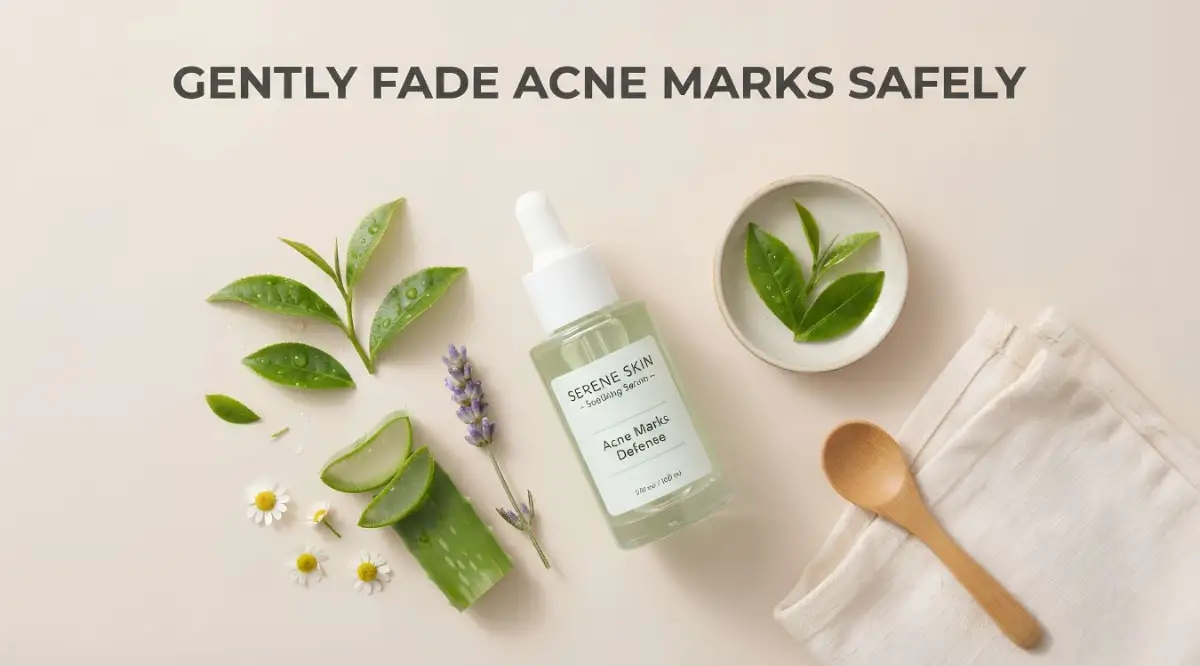
One of the biggest issues we face is the urgent desire to scrub these spots away overnight. When we hate how our skin looks, our first instinct is to fight it with strong, aggressive treatments.
I remember rushing out to buy the strongest physical scrub I could find, hoping to just buff the dark marks away. My skin ended up incredibly red, angry, and the spots actually got much darker because the harsh scrubbing caused even more trauma. I learned the hard way that you must treat healing skin like delicate silk, not something to aggressively rub away.
When you use extremely harsh scrubs or highly concentrated peeling acids, you create new microscopic injuries on your face. Your skin panics again, triggers more inflammation, and produces even more melanin to defend itself. This creates a terrible loop where your attempts to clear your skin actually make the hyperpigmentation much worse and harder to fade.
If you are a visual learner, watch this quick video below to see exactly how to build a safe, dark-spot-fading routine, and then keep reading to discover the gentle everyday ingredients that finally cleared my skin!
Realities vs. Common Myths About Clearing Pigment
There is so much confusing information out there about how to handle dark marks safely. Let us clear up some of the most common myths that hold people back from achieving an even tone.
Myth: The burning sensation means the product is working.
Reality: If your skin is burning, stinging, or turning bright red, your protective barrier is crying for help. Gentle healing should never feel painful.
Myth: You can fade these spots in just three days.
Reality: Your skin takes roughly twenty-eight days to completely turn over its top layer of cells. True, lasting results require at least four to eight weeks of consistent care.
Myth: You do not need sunscreen if you stay indoors all day.
Reality: Daylight coming through your windows contains powerful rays that trigger melanin production. Skipping sun protection makes your fading efforts completely useless.
Gentle Superstars: Ingredients That Actually Make a Difference
You do not need a bathroom cabinet filled with twenty different products to see amazing results. You just need a few science-backed ingredients that gently tell your skin to stop making excess pigment.
Niacinamide is an absolute favorite because it plays so nicely with almost every other skincare product you own. It not only helps stop the spread of dark pigment, but it also strengthens your skin barrier and controls excess oil.
Alpha Arbutin is a wonderful alternative to harsh chemical skin lighteners. It gently puts your melanin-making cells to sleep without causing dangerous irritation. Licorice root extract is another amazing natural option that brings a soothing, calming effect to stressed-out skin.
Your New Daily Habit: The Morning Protection Routine
The way you start your morning sets the tone for how your skin will heal throughout the entire day. Your main goal in the morning is to protect your face from any extra inflammation and block harmful light.
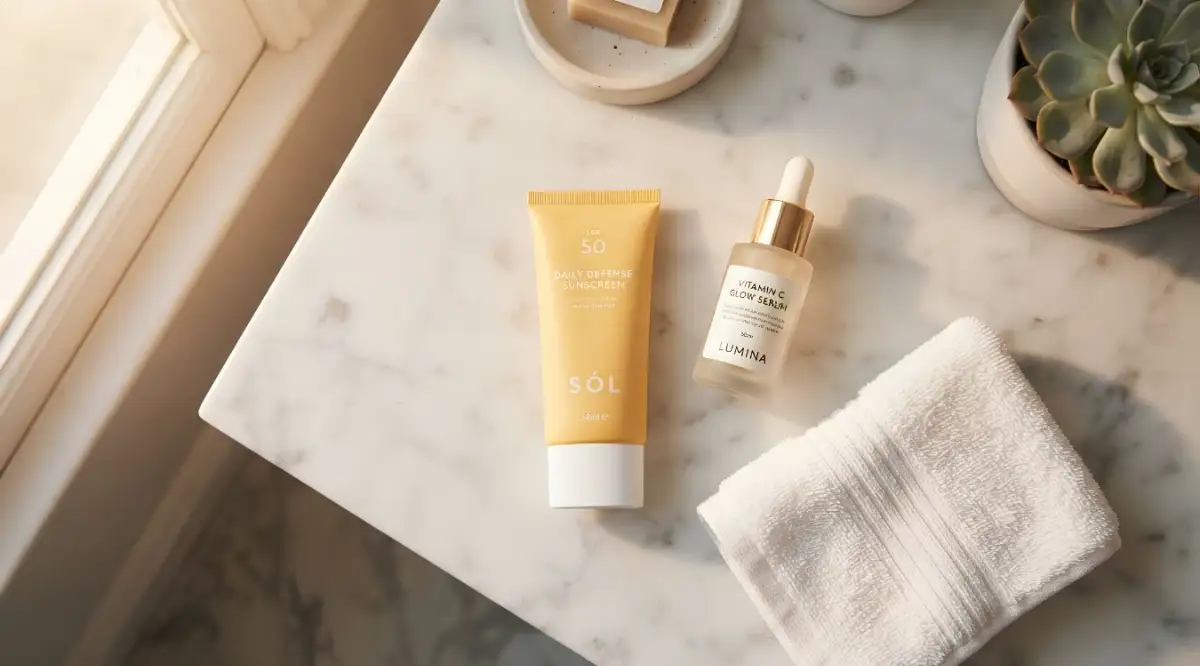
Start by washing your face with a mild, non-foaming cleanser that does not leave your skin feeling tight or dry. Once your face is clean and patted dry, apply a few drops of a gentle brightening serum, like one containing Niacinamide or Vitamin C. Gently press the serum into your skin using your fingertips instead of aggressively rubbing it around.
Finally, you must apply a generous layer of broad-spectrum sunscreen as your absolute last step. Think of your sunscreen as a giant umbrella that protects your healing wounds from the sun. If you do not protect those dark spots from daylight, the UV rays will instantly darken the pigment, ruining all your hard work. You should reapply this protection if you are going to be sitting near a window or spending time outside.
The Nighttime Repair Process: Helping Your Skin Heal While You Sleep
While the morning is all about defense, your nighttime routine is the perfect moment for gentle repair. Your body goes into an active healing phase while you sleep, making it the best time to apply treatments.
Start by thoroughly removing your sunscreen and daily dirt with a soft cleansing balm or oil. Follow that up with your regular gentle cleanser to make sure your pores are completely clear. This is the perfect time to use a gentle exfoliating acid, like Mandelic acid or Lactic acid, just two nights a week.
These extremely gentle acids slowly dissolve the glue holding dead, pigmented cells to the surface of your face. On the nights you do not exfoliate, apply a soothing, hydrating serum to give your skin a drink of water. Finish your routine with a thick, nourishing moisturizer to lock all that goodness in and support your natural skin barrier.
Why Hydration is Your Secret Weapon
Many people completely ignore the power of simple moisture when trying to fade post-inflammatory hyperpigmentation. They focus so much on active treatments that they forget dry, dehydrated skin heals incredibly slowly.
When your skin is properly hydrated, it functions like a well-oiled machine. Plump, moisturized cells turn over at a healthy rate, naturally shedding the dark, damaged layers much faster. Think of your skin barrier like a brick wall; moisture is the strong cement holding everything safely together.
If you skip moisturizer because you are afraid of getting new breakouts, you are actually slowing down your fading progress. Look for light, water-based gel moisturizers containing ingredients like hyaluronic acid and glycerin. These will provide deep hydration without clogging your pores or causing new bumps to form.
If I could go back in time, I would tell myself to stop buying a dozen different cheap serums and just stick to a strong hydration routine. I completely wrecked my skin barrier by layering too many harsh acids at once, secretly hoping that the burning feeling meant it was working faster. Trust me, keeping your routine simple, gentle, and highly moisturizing is the real secret to fading those flat brown spots without causing new breakouts.
Managing Expectations and Tracking Your Journey
One of the hardest parts of this journey is having the patience to see it through. We stare at our faces so closely every single day that we often miss the tiny, gradual improvements happening.
I highly recommend taking a clear photo of your skin in natural daylight once a week. Do not obsess over the mirror every hour, because changes happen on a microscopic level first. When you look back at your photos after a month, you will be shocked at how much lighter the spots have become.
Healing post-inflammatory hyperpigmentation is entirely possible when you approach it with kindness and consistency. Stop punishing your skin for breaking out, and start treating it like a good friend that needs support. Stick to your gentle routine, wear your daily protection, and watch as your natural, even skin tone slowly reveals itself once again.
Taking Your Skincare Routine to the Next Level: Expert Secrets
Once you have mastered the basic steps of cleansing and moisturizing, you might want to gently speed up your fading process. I remember hitting a wall with my own skin where the dark spots faded halfway and then just stubbornly stopped improving. That is exactly when I discovered the magic of combining specific ingredients to create a powerhouse healing effect.
You see, certain skincare ingredients work absolutely beautifully together, acting like best friends that support each other. For example, pairing a gentle Vitamin C serum with your morning sunscreen creates an invisible shield against pigment-darkening pollution. According to experts at the American Academy of Dermatology (AAD) on hyperpigmentation, blocking environmental damage is a massive part of keeping excess melanin under control.
This antioxidant combination neutralizes tiny harmful molecules in the air before they can trigger inflammation on your face. Think of Vitamin C as a supportive backup dancer for your sunscreen, making the overall protection much stronger and more effective. You do not need the most expensive serum on the market; you just need one that stays fresh and absorbs easily into your skin.
Another incredibly effective method I love is called "skin cycling," which simply means giving your face scheduled days off. Instead of applying active fading ingredients every single night, you create a simple rotation that focuses heavily on deep recovery.
My Favorite Weekly Skin Cycling Schedule:
· Night 1 (Exfoliation): Use a gentle chemical exfoliant like Mandelic acid to sweep away dead, pigmented surface cells.
· Night 2 (Treatment): Apply your targeted brightening serum, like Alpha Arbutin or Azelaic acid, directly on the dark spots.
· Night 3 (Recovery): Skip all active treatments and apply only soothing, repairing ingredients like ceramides and simple glycerin.
· Night 4 (Deep Repair): Another full night of just thick moisturizer and healing balms to keep the skin barrier strong.
This simple rotation prevents your skin from becoming overwhelmed or irritated by constant chemical exposure. When I started treating my skin with this much respect and resting time, my post-inflammatory hyperpigmentation finally started melting away.
My Go-To $30 Beginner Kit
You really do not need to max out your credit card to fix hyperpigmentation. If a friend asked me what to buy today, I would give them this simple shopping list:
- A Basic Hydrating Cleanser (Under $10): Look for pharmacy brands that mention "gentle" or "milky."
- A 5% Niacinamide Serum (Under $10): Skip the super high 10% or 15% ones; 5% gives you all the brightening benefits with zero stinging.
- A Broad-Spectrum SPF 30+ (Under $10): Find a lightweight gel sunscreen that you actually enjoy wearing every single day.
Managing your skincare budget is also a huge part of this journey, because buying endless new serums can drain your wallet quickly. You want a solid financial foundation for your daily life, similar to the stability you gain when building an emergency fund without ignoring your debt. Stick to a few high-quality, affordable products rather than chasing every new beauty trend you see on social media.
You also need to pay close attention to your internal health, because your skin always reflects what is happening inside your body. Drinking plenty of water and eating foods rich in natural antioxidants helps your skin cells repair themselves from the inside out. Research published by the National Institutes of Health regarding skin healing shows that proper internal hydration directly impacts how quickly our outer skin barrier recovers from trauma.
If you notice severe skin flare-ups that feel beyond your control, seeing a professional dermatologist might be a smart next step. Navigating medical appointments can feel overwhelming, so learning about understanding health deductibles and co-pays helps you manage those potential costs without heavy stress. A professional can offer gentle, medical-grade options if over-the-counter products simply are not doing enough for your stubborn spots.

The Hidden Traps Destroying Your Skin's Healing Process
We all make mistakes when we are desperate to fix something that hurts our confidence. When I first started trying to clear my post-breakout marks, I practically destroyed my moisture barrier by doing everything wrong. I want to share these painful pitfalls with you so you can completely avoid the unnecessary setbacks I went through.
The DIY Kitchen Chemist Disaster
The internet is completely filled with terrible advice telling you to put pure lemon juice, baking soda, or raw garlic on your dark spots. I tried the lemon juice trick once, and my skin burned so badly it left a permanent red patch for weeks. These raw kitchen ingredients are highly acidic and completely unstable, meaning they will severely burn your delicate healing skin.
When you burn an already inflamed area, your skin defends itself by dumping massive amounts of new melanin into the tissue. This turns a small, manageable brown spot into a deep, practically permanent dark scar that takes months of professional treatment to fix. Keep the lemon in your tea, and strictly use properly formulated skincare products on your face.
The "Cloudy Day" Sunscreen Excuse
This is probably the single most common mistake that ruins people's hard work and wastes their expensive skincare products. You might look outside, see dark gray clouds or rain, and decide that you do not need your SPF that morning.
However, UVA rays, which are specifically responsible for triggering dark pigment and aging, easily cut right through thick clouds and even window glass. The Skin Cancer Foundation's daily guidelines explicitly state that incidental sun exposure accumulates rapidly, worsening dark spots even on gloomy days. If you skip protection just one or two days a week, your dark spots will continue getting triggered, and they will never fade completely.
Obsessive Product Hopping
We live in a world where we expect instant results from almost everything we buy, including our daily beauty products. You might buy a highly rated brightening serum, use it for exactly six days, see no difference, and immediately throw it away to buy something else.
This constant changing of ingredients absolutely shocks your skin and prevents any single product from actually doing its job. You have to remember that fading post-inflammatory hyperpigmentation is a very slow biological process of cell turnover. If you do not give a gentle product at least eight full weeks to work, you are just throwing your hard-earned money straight into the garbage.
Keeping a small journal of how your skin reacts to new products is a incredibly smart habit to build. Tracking your personal skin triggers is just as highly important as documenting workplace discrimination before seeking legal help because solid proof helps you make the right decisions. This simple daily record will quickly reveal which gentle serums are genuinely working and which ones are secretly causing tiny new breakouts.
Picking at Flaking Skin
Sometimes, as dark spots slowly begin to heal and turn over, you might notice tiny pieces of dry, flaky skin forming over the area. The physical urge to grab tweezers or your fingernails to peel that flake off is almost impossible to resist.
Please, whatever you do, keep your hands entirely away from those healing flakes. Pulling off skin before it is naturally ready to shed rips healthy cells away and completely restarts the inflammatory response. Just apply a tiny dab of healing ointment over the dry patch and let your body drop the dead skin naturally while you sleep.
It is easy to get caught up in spending too much money trying to fix these mistakes after they happen. You should treat your skincare spending carefully, just like carefully building an emergency fund without ignoring your debt, so you do not stress yourself out financially. Stress actually produces cortisol, which triggers more oil production and can lead to entirely new breakouts, starting the dark spot cycle all over again.
Your New Path to Clear, Radiant Confidence
Fading these stubborn marks does not have to be a painful, confusing, or expensive daily battle. You now know that gentleness, extreme patience, and daily sun protection are your absolute best tools for achieving that clear glow.
Instead of treating your skin like an enemy you have to fight, start treating it like a delicate garden that needs gentle watering and protection. Consistency will always beat aggressive treatments when it comes to getting rid of post-inflammatory hyperpigmentation safely.
Start tomorrow morning with a very simple plan: a gentle wash, a solid protective antioxidant, and a generous layer of SPF. In the evening, focus entirely on deeply hydrating your face and letting your natural skin barrier rebuild its own strength. Do not let temporary dark spots steal your joy, your confidence, or your desire to show up proudly in the world.
If you ever feel overwhelmed by the process or the potential costs of seeing a skin expert, remember to stay informed about understanding health deductibles and co-pays to keep your mind at ease. Your skin is beautifully unique, and it simply needs your loving support to find its natural balance again.
I spent years hating my reflection, but learning to be gentle with myself changed my entire life and restored my confidence. I promise you that your clear, bright, and healthy skin is waiting just right around the corner. Start practicing these safe habits today, and I know you will be absolutely amazed by your own glowing results very soon!
Frequently Asked Questions About Fading Post-Breakout Spots
How long does it actually take to fade hyperpigmentation?
With a consistent, gentle routine, you will usually start seeing noticeable lightening in about four to eight weeks. However, depending on how deep the pigment goes, completely clearing the spot can take anywhere from three to six months. Patience is absolutely your best friend during this healing process.
Can I use Vitamin C and Niacinamide together?
Yes, you absolutely can use them together in the same routine, despite older beauty myths saying otherwise. They are actually a fantastic brightening combination that targets excess melanin from two completely different angles. Just let the Vitamin C absorb fully for a minute before applying your Niacinamide serum on top.
Will physical facial scrubs help remove my dark acne marks faster?
No, aggressive physical scrubs usually make post-inflammatory hyperpigmentation significantly darker and much more difficult to treat. Harsh scrubbing causes micro-tears in your skin barrier, which triggers new inflammation and creates even more unwanted pigment. Always choose gentle chemical exfoliants like Lactic or Mandelic acid instead of rough walnut or sugar scrubs.
Do dark spots from acne ever go away naturally without products?
Yes, your skin naturally turns over its cells, meaning many flat brown spots will eventually fade away entirely on their own. However, without any protective products or daily sunscreen, this natural fading process can take several years instead of a few months. A gentle routine simply speeds up your body’s natural healing cycle safely.
Looking in the mirror used to make me want to cry, but today I can confidently go outside completely makeup-free. You deserve to feel that exact same freedom, so please be patient with yourself and stick to your new gentle habits starting tonight. Your skin is working incredibly hard to heal, and I promise you will see that beautiful, clear glow again very soon!
Disclaimer: The information provided in this blog post is completely for educational and informational purposes only and should not be considered professional medical advice. Every individual's skin type is incredibly unique, and results from these gentle methods can vary from person to person. Please always consult with a board-certified dermatologist or healthcare provider before starting any new skincare routine, especially if you have sensitive skin, severe conditions, or are currently experiencing painful, active breakouts.