
My Love-Hate Relationship With Viral Skincare Trends
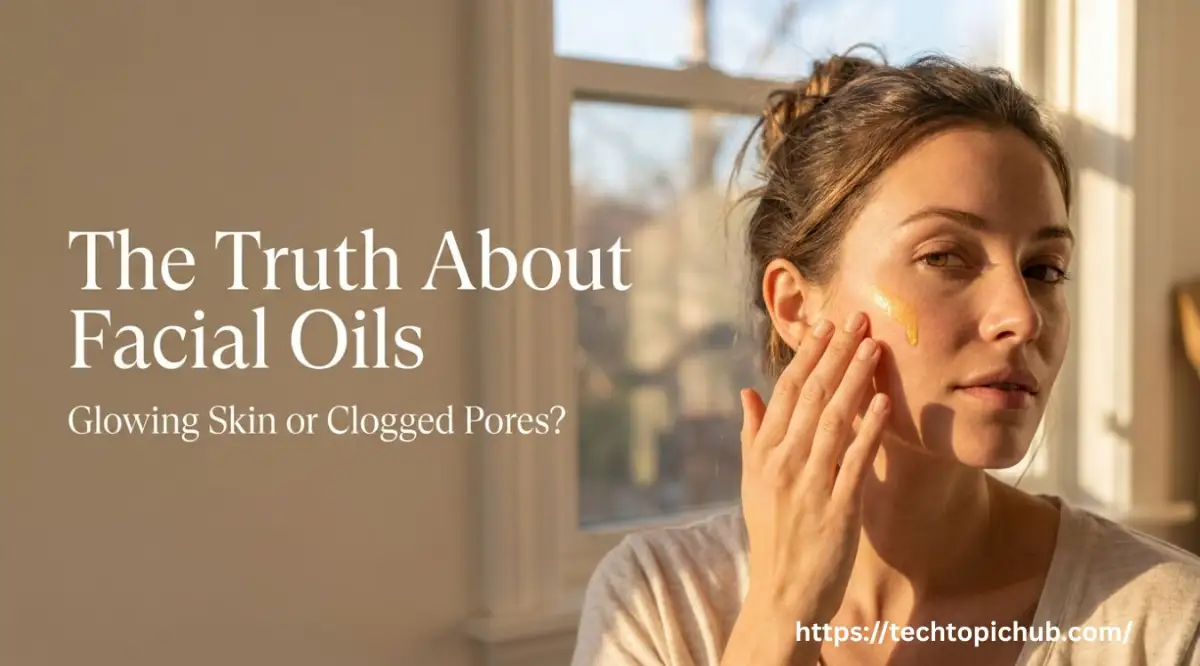
Have you ever slathered a supposedly "magical" natural fat all over your face, only to wake up looking like a bumpy, inflamed mess? Trust me, I have been there too. We constantly see these viral beauty hacks promising glass skin, but nobody talks about the heavy, suffocating damage they actually do to our pores. Today, I am going to show you exactly why that sweet-smelling kitchen jar is likely causing your worst breakouts—and how to fix the damage safely.
I remember standing in front of my bathroom mirror, staring at my reflection with absolute frustration. My cheeks were covered in tiny, painful red bumps that literally seemed to appear out of nowhere overnight. Just three days earlier, I had watched a hugely viral video praising this magical, sweet-smelling jar from the kitchen pantry.
The beauty influencer promised glowing, flawless, glass-like skin if I just used it as a heavy night cream. I bought into the hype completely and without any hesitation. I excitedly slathered my face with a thick, heavy layer of this moisture before going to sleep. I was fully expecting to wake up looking like a glowing goddess.
Instead, I woke up looking completely inflamed, and my self-esteem took a massive hit. It felt like my own skin was actively punishing me for trying to do something good for it. So many people walk around feeling completely betrayed by these highly praised natural remedies.
Quick Takeaways for Your Morning Routine
- Pore Clogging Danger: Heavy kitchen fats sit directly on top of your face, trapping heat, sweat, and bacteria.
- The Comedogenic Rating: Understand why thick natural oils score a dangerous 4 out of 5 for causing acne breakouts.
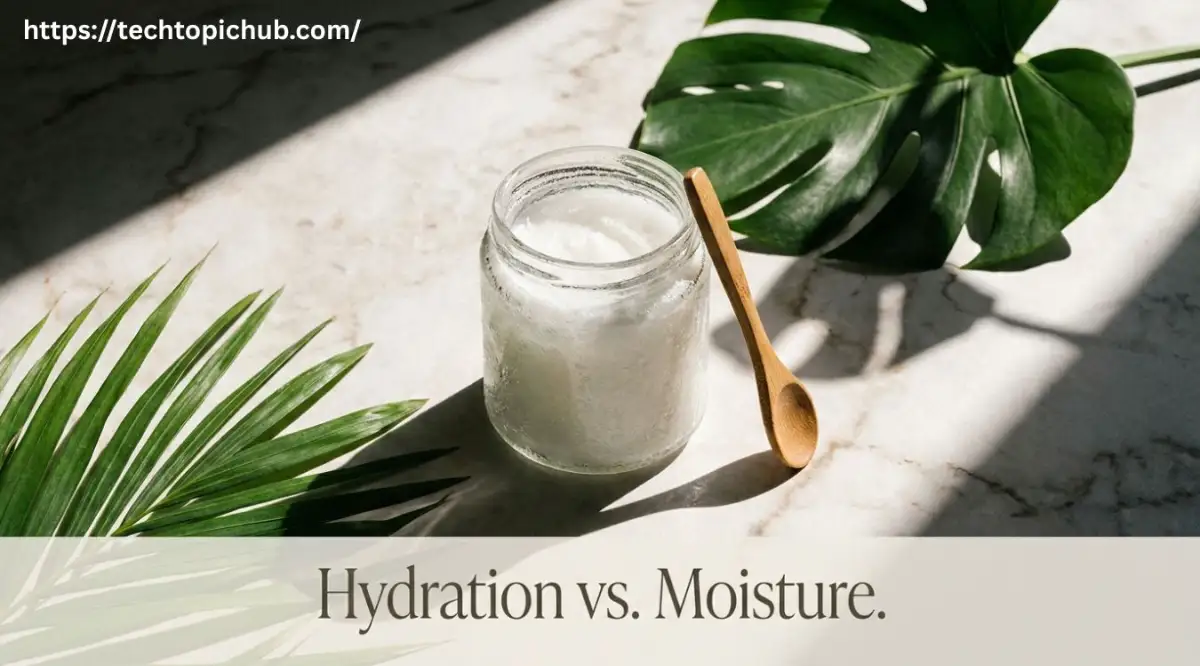
- Hydration vs Moisture: Learn why applying fat to dry skin does not actually give your face any real water.
- Safer Alternatives: Discover lightweight, breathable options like squalane that give you a glow without the painful bumps.
The Hidden Chemistry Inside That Innocent White Jar
Let us look closely at what actually makes this tropical fat so popular across the internet. It is naturally packed with lauric acid, which happens to have incredible antibacterial properties. This specific detail sounds absolutely amazing on paper for fighting off daily acne-causing bacteria.
Because of this, marketers heavily push it as a miracle cure for basically every skin issue. However, there is a massive catch that most beauty gurus conveniently ignore during their tutorials. The molecular structure of this specific natural fat is unusually large and heavy.
Think of your skin like a tightly woven breathing net that needs constant air circulation. When you apply a product with very small molecules, it easily slips right through the tiny holes. Your skin drinks it up instantly, leaving no heavy residue behind.
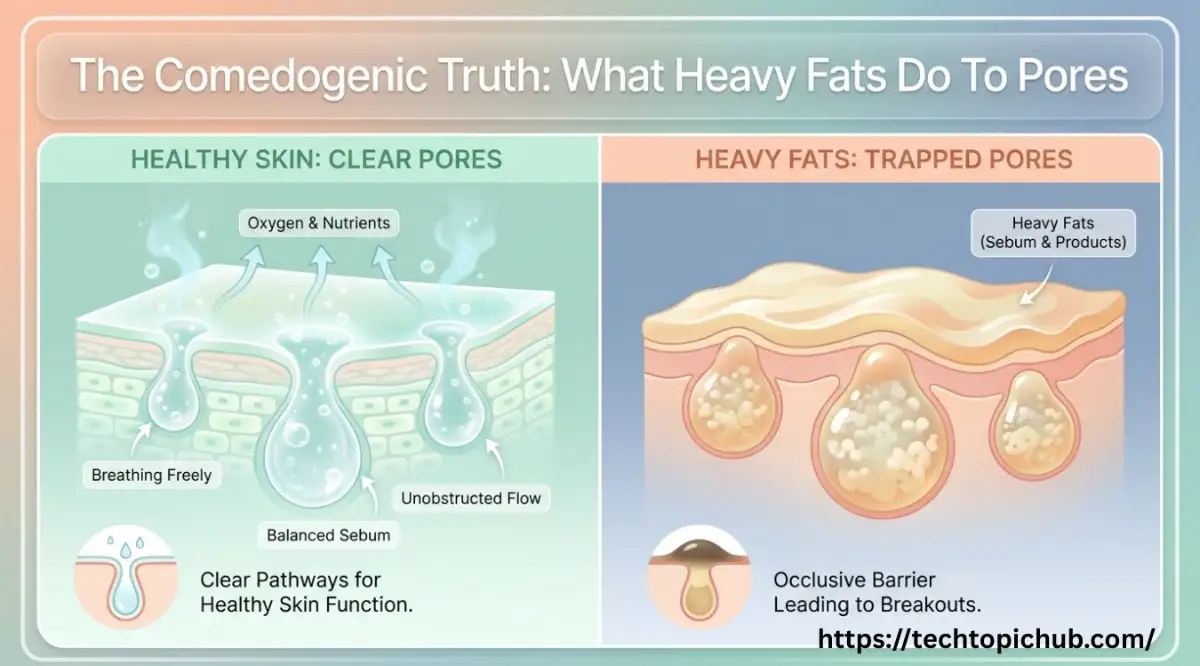
But when you apply something with massive molecules, it simply cannot penetrate the surface layer. It just sits right on top of your face like a thick, suffocating plastic sheet. This creates an intense seal that traps your body heat, sweat, and dead skin cells directly underneath.
This exact "plastic sheet" trapping effect is exactly why so many people experience sudden, painful breakouts. Your pores literally panic because they can no longer breathe or expel natural waste.
The Comedogenic Scale Explained (Why My Pores Cried)
We absolutely need to talk about a scientific concept called the comedogenic scale. This is simply a standardized rating system from zero to five used by dermatologists worldwide. It measures exactly how likely any specific ingredient is to heavily clog your pores.
A score of zero means it will not clog anything, making it completely safe for everyone. A score of five means it is virtually a guaranteed breakout for most normal human beings. Care to guess where our favorite sweet-smelling tropical fat sits on this official scale?
It ranks as a solid four out of five. This high ranking means it is highly comedogenic and extremely risky for everyday facial application. People with naturally larger pores or oily profiles are especially vulnerable to this specific rating.
When you rub a level-four ingredient all over your T-zone, you are essentially asking for blackheads. The heavy wax-like consistency pushes deeply into the pore openings and completely hardens. Regular face wash usually cannot dissolve this hardened plug, leading to deep, cystic acne spots.
If you are tired of waking up to angry breakouts, watch this eye-opening breakdown of how heavy fats actually trap bacteria inside your pores before you apply another drop!
The Difference Between Hydration and Moisturization
Most people completely misunderstand what it means to actually moisturize their face. I certainly did not know the difference, which is exactly why my routine failed so miserably. We often assume that smearing thick oils on dry patches will instantly give them water.
Oils do not contain a single drop of actual water. They are purely occlusive agents, meaning they act as physical barriers rather than water-delivery systems. If your face is deeply dehydrated and lacking water, oil will not fix the core problem.
Applying pure fat to a dry face is like locking an empty safe. You are sealing the skin, but you have not actually put any good hydration inside it first. This leaves your skin feeling incredibly greasy on the outside but painfully tight and dry underneath.
I made this exact mistake for months, aggressively rubbing thick fats onto my bone-dry face directly after getting out of the shower. Now, I always make sure my skin is slightly damp with a gentle water mist before applying any kind of daily moisturizer. This tiny change completely stopped the breakouts because I was finally locking real water inside my skin instead of just trapping dead cells under a greasy mask.
Here is a quick lesson I learned the hard way after ruining my moisture barrier. I used to apply thick layers of pure fats directly onto bone-dry cheeks right after towel-drying. Pro Tip: Always apply your oils to slightly damp skin, ideally right after spraying a gentle water mist. Once I started misting my face before applying any heavy moisturizer, my results completely changed for the better.
You always want to provide the actual water first, usually through a lightweight serum or dampness. Then, and only then, do you use an occlusive layer to trap that precious water inside.
A Simple Cheat Sheet: Hydrators vs. Sealers
To make things super easy, here is a quick breakdown of what actually gives you water versus what simply locks it in:
| Skincare Goal | Ingredients You Actually Need | How It Acts on Your Face |
| Adding Real Water | Hyaluronic Acid, Glycerin, Aloe Vera | Plumps up the skin and fixes that tight, dry feeling. |
| Sealing It Inside | Squalane, Jojoba, Petroleum Jelly | Acts like a breathable shield to stop the water from evaporating overnight. |
Who Should Actually Use This Tropical Secret?
Does this high comedogenic rating mean you should immediately throw your jar in the trash? Not necessarily, because everyone possesses a wildly different biological makeup and genetic skin type. People with severely dry, flaky skin often see amazing, life-changing results from this exact ingredient.
As we age, our bodies naturally stop producing enough protective sebum to keep our barrier strong. If your skin produces almost no natural oils, a heavy protective layer might be exactly what you need. It replaces the missing physical barrier that protects sensitive nerves from harsh wind and cold weather.
For people dealing with extreme skin conditions on their bodies, it provides immense soothing relief. Eczema sufferers often praise it because it heavily protects their compromised skin from outside irritants. However, the skin on your body is significantly thicker and far less prone to acne than your face.
If you have normal, combination, or oily skin on your face, this ingredient is a ticking time bomb. Your body is already producing plenty of natural sebum to keep things balanced and healthy. Adding an extra layer of highly rated comedogenic fat simply overwhelms your natural biological system.
Quick Test: Is Your Barrier Already Overwhelmed?
If you are unsure whether your skin is currently fighting back against heavy products, look out for these three red flags today:
- Your face stings slightly when you apply a basic, gentle moisturizer.
- You are breaking out in places where you normally never get pimples.
- Your skin looks incredibly shiny and oily, but feels uncomfortably tight when you smile.
- If you notice any of these, immediately stop using thick fats and stick to a basic water cleanser!
Myth vs Reality: Breaking Down Skincare Lies
There is a massive amount of misinformation floating around the internet regarding natural remedies. We constantly hear sweeping statements that sound nice but lack actual scientific backing. Let us clearly separate the comforting myths from the harsh realities of daily skincare.
Myth: If an ingredient is one hundred percent natural, it is always safe for every skin type.
Reality: Poison ivy is completely natural and grows in the wild, but you would never rub it on your cheeks. Natural simply means it comes from the earth, not that it perfectly matches your unique biological needs.
Myth: Experiencing terrible acne after using a new oil is just your skin "purging" toxins.
Reality: Only active chemical exfoliants like salicylic acid cause genuine skin purging. If a heavy, non-active fat causes pimples, that is not a purge; that is an allergic reaction or a clogged pore. You need to immediately stop using it to prevent permanent scarring.
Myth: You can easily wash off heavy natural fats with just splashing warm water.
Reality: Oil and water scientifically repel each other on a molecular level. You absolutely need a proper surfactant or cleanser to actually break down the fat and wash it away.
How to Perform a Safe Patch Test Today
If you are still extremely curious to try it out, you must protect yourself first. Never, under any circumstances, cover your entire face with a brand-new product on the first night. You need to implement a strict testing period to see how your immune system responds.
Pick a tiny, hidden spot right behind your ear or directly along your lower jawline. Apply a very small, thin amount to this exact same spot for three nights in a row. Monitor the area closely in a well-lit mirror during the daytime.
Are you noticing any unusual redness, tiny bumps, or strange itching sensations? If the answer is yes, wash it off immediately with a strong cleanser and never use it again. Your body is actively telling you that it cannot tolerate this specific molecular structure.
If the area remains completely clear and calm after three full days, you might be safe. However, you should still proceed with extreme caution when moving to the center of your face. Your nose and forehead contain significantly more oil glands than your jawline does.
A Quick Ingredient Comparison Breakdown
To make things extremely clear, I have created a simple comparison for you. This will help you understand how different natural extracts interact with your face.
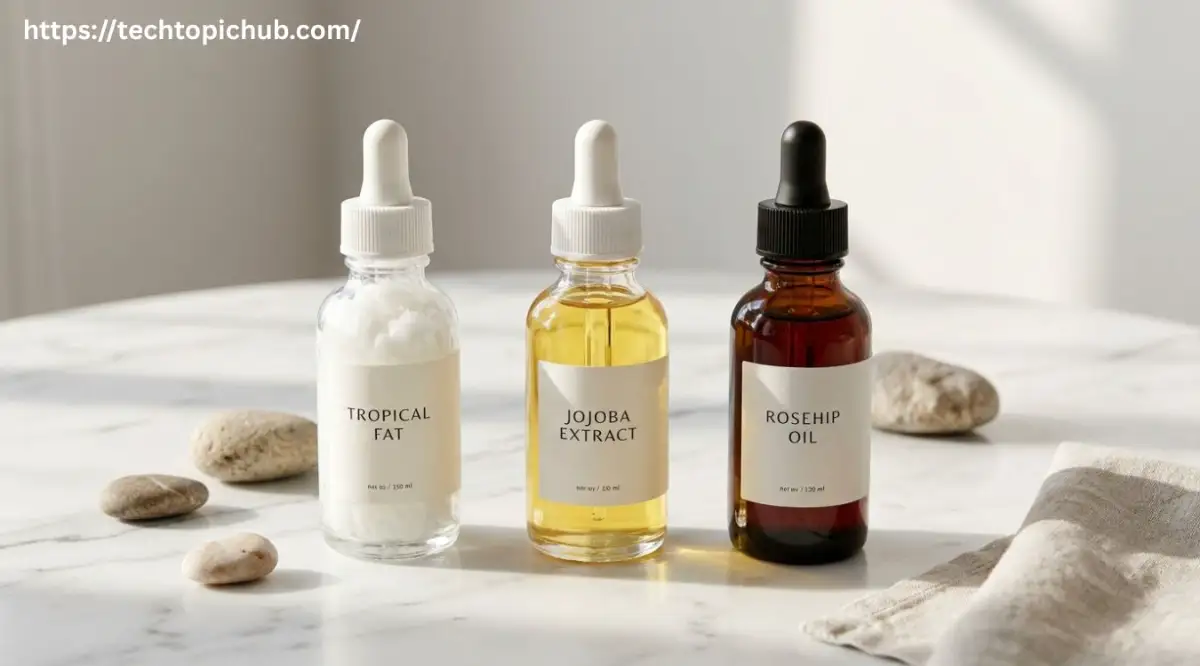
Notice how completely different these natural options are from one another. You do not have to give up on natural beauty routines entirely. You just need to select the correct specific plant extract for your exact pore size.
The Ultimate Makeup Removal Technique
There is one specific scenario where even oily skin types might temporarily benefit from this heavy fat. That is the highly popular double-cleansing method used for removing stubborn, waterproof makeup. Because oil dissolves other oils, it is fantastic at breaking down thick foundation and waterproof mascara.
You take a tiny scoop, warm it up by thoroughly rubbing it between your clean fingers. Then, you gently massage it over your dry, makeup-covered face for about sixty seconds. You will watch in amazement as the toughest eyeliner instantly melts away into a messy puddle.
But this is where most people make a massive, breakout-causing mistake. They simply wipe it off with a damp towel and go straight to sleep. You have just left a massive layer of comedogenic fat mixed with dirty makeup deeply inside your pores.
You must immediately follow up with a high-quality, water-based foaming face wash. Spend another full minute deeply massaging the foam into your skin to wash away every single trace of the fat. This guarantees that your pores are completely empty, clean, and ready to breathe overnight.
Finding Better Alternatives for Your Face
If you have realized that heavy tropical fats are ruining your complexion, do not panic. The beauty market is absolutely flooded with incredible, non-comedogenic alternatives that deliver better results. These lightweight options give you that highly desired glowing look without any of the painful risks.
Squalane is an absolutely incredible option that mimics your body's natural sebum almost perfectly. It absorbs deeply within seconds and never leaves a heavy, greasy film on your pillowcase. It is scientifically rated as a zero on the comedogenic scale, making it entirely acne-safe.
Argan extract is another fantastic alternative that is extremely rich in soothing Vitamin E. It heals damaged barriers wonderfully while remaining thin enough to let your pores breathe properly. Many people who struggle with severe facial redness find immense relief using this golden liquid.
Ultimately, building a great routine is about carefully listening to what your unique body demands. Stop blindly following viral social media trends that are meant for entirely different skin profiles. Take the time to understand your own personal biology, and your face will finally thank you for it.
Mastering Your Daily Moisture Barrier (Advanced Tactics)
Now that we understand why heavy tropical fats cause so much chaos, we need to focus on what actually works. Repairing a damaged skin barrier requires a very specific, calculated approach. It is not about throwing a million different products at your face and praying for a miracle.
Your skin is an incredibly smart, self-healing organ if you just give it the right environment. When you sleep, your body naturally loses a significant amount of water through your pores. Dermatologists refer to this invisible evaporation process as transepidermal water loss, and it happens to everyone.
You absolutely want to stop this precious water from escaping into the dry air while you sleep. However, you must do it safely without creating a suffocating plastic bag effect on your face. This is where the magic of proper skincare layering comes into play.
Think of your daily routine as a long-term investment rather than a quick fix. Protecting your delicate face requires discipline, very similar to creating a solid emergency savings plan for your future. You cannot expect massive, life-changing results overnight, but consistency will eventually pay off.
The Art of Safe Product Layering
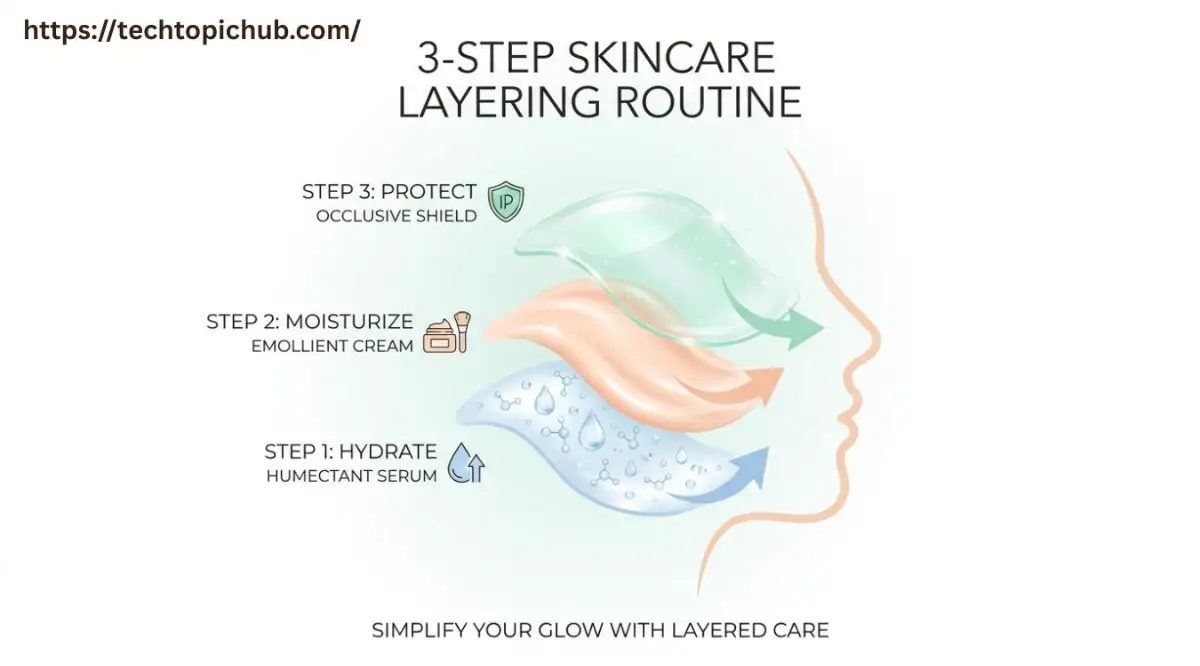
The absolute best way to lock in moisture is by following the "thinnest to thickest" rule. Always start with your most watery, lightweight products right after cleansing your face. A simple hyaluronic acid serum applied to damp cheeks will instantly pull hydration deeply into the cells.
Once your skin drinks up that watery layer, you need a safe emollient to smooth the surface. Emollients are ingredients that fill in the tiny microscopic cracks between your dead skin cells. Ceramide creams are phenomenal for this because they naturally mimic the building blocks of your own body.
Finally, you need a very light occlusive layer to seal everything inside. Instead of reaching for a highly comedogenic kitchen fat, look for something breathable. Ingredients like pure squalane or a very thin layer of glycerin will lock the water down perfectly.
Paying Attention to Your Sleep Environment
Here is an advanced secret that completely changed my constant battle with morning breakouts. Your pillowcase is basically a giant sponge that collects dead skin, sweat, and leftover heavy oils every single night. If you applied a thick natural fat to your face on Monday, that fat is still living on your pillow on Thursday.
When you rest your freshly washed face on a dirty pillowcase, you are just rubbing old bacteria back into your pores. I highly recommend switching out your cotton pillowcases for fresh ones at least three times a week. If you can afford it, upgrading to a pure silk pillowcase reduces friction and stops the fabric from stealing your expensive serums.
Your bedroom temperature also plays a massive role in how your skin behaves overnight. Sleeping in a very hot, stuffy room causes your body to sweat heavily beneath whatever heavy creams you applied. This creates the perfect, warm breeding ground for stubborn bacteria to thrive and multiply.
Try keeping your bedroom slightly cooler and investing in a small bedside humidifier. Adding pure moisture back into the dry indoor air takes a huge amount of pressure off your skin barrier. When the air is naturally humid, your face does not have to fight nearly as hard to stay hydrated.
The Most Dangerous Traps We Fall Into
Dealing with a sudden, severe breakout is an incredibly frustrating and emotional experience. When our face hurts and looks inflamed, our first instinct is usually to panic and attack the problem aggressively. Sadly, this panicked response almost always makes the original damage significantly worse.
Navigating the wild world of internet beauty advice can feel incredibly overwhelming for beginners. It often feels just as confusing as trying to understand the latest tech trends without any technical background. People blindly follow viral advice without realizing that their unique biological makeup might completely reject it.
Let us walk through the most destructive mistakes people make when trying to fix their damaged complexion. Avoiding these specific pitfalls will save you from months of unnecessary redness, peeling, and emotional stress.
The Panic Exfoliation Trap
This is by far the most common and destructive mistake I see people make. You wake up with five new pimples caused by a heavy comedogenic oil, and you immediately panic. You run to the bathroom and grab the harshest, grittiest physical face scrub you can find in your cabinet.
You aggressively scrub your cheeks, hoping to physically scrape the bad oil and pimples away. This is the absolute worst possible thing you can do to an already compromised and angry barrier. Physical scrubs create tiny, invisible micro-tears across your delicate skin surface.
These microscopic cuts allow everyday bacteria to enter deeply into your skin, causing massive infections. Instead of healing, your face becomes instantly red, swollen, and painfully sensitive to the touch. If you want to clear clogged pores safely, you must rely on gentle chemical exfoliation like lactic acid.
The Kitchen Chemist Disaster
Because heavy tropical fats come from the grocery store, people assume they can mix them with other food items. I have seen horrifying social media videos of people mixing thick natural oils with raw baking soda or pure lemon juice. They claim this creates a powerful, natural brightening mask for dark spots and acne scars.
Your skin naturally has a slightly acidic pH level, which beautifully keeps harmful bacteria away. Baking soda is incredibly alkaline, meaning it completely destroys your skin's natural acidic defense shield. Lemon juice is so highly acidic that it can literally cause severe chemical burns when exposed to normal sunlight.
Mixing these extreme kitchen ingredients with a pore-clogging heavy fat is a recipe for an absolute disaster. You always need to verify safety by finding reliable online resources instead of trusting random viral entertainment videos. Leave the complex chemical formulation to professional cosmetic scientists who actually understand safe pH levels.
Feeding the Hidden Yeast
Here is a scientific fact that most beauty influencers completely fail to mention during their aesthetic tutorials. Not all bumps on your face are caused by traditional dirt or normal acne bacteria. Many people suffer from tiny, itchy, skin-colored bumps that completely cover their forehead and jawline.
This is often caused by an overgrowth of natural yeast that already lives comfortably on human skin. Here is the terrifying part about applying heavy natural fats to this specific problem. Certain thick oils contain exact fatty acids that literally act as food for this microscopic yeast.
By smearing these heavy fats all over your forehead, you are throwing a massive feast for the yeast. This leads to severe fungal acne flare-ups that will never respond to traditional pimple creams. If your breakouts are extremely itchy and uniform in size, stop using all heavy oils immediately.
Forgetting the Neck and Chest Rule
Sometimes, we find a product that perfectly works for our heavily active facial oil glands. We get so excited that we drag that exact same heavy product all the way down our neck and chest. This is a massive mistake because the biology of your neck is totally different from your face.
The skin on your neck is incredibly thin and contains very few natural oil-producing glands. It cannot handle the heavy burden of thick, comedogenic fats sitting on the surface. People often develop deep, painful cystic acne on their chest simply because they dragged their facial routine downward.
Healing a damaged barrier takes time, patience, and a very gentle touch. You cannot force your skin to heal faster than its natural cycle allows. It is very similar to speeding up slow and difficult processes in real life; rushing blindly usually causes more expensive damage.
Your New Morning Game Plan
We have covered a massive amount of intense science, busted myths, and real-life struggles today. It is completely normal to feel a little bit betrayed by the natural remedies you once trusted so deeply. I remember feeling so foolish when I finally realized my favorite natural moisturizer was the exact cause of my pain.
However, you should absolutely feel empowered by this new knowledge instead of feeling defeated. You now hold the exact blueprint to stop painful breakouts before they even have a chance to start. You no longer have to guess why your skin is suddenly acting out after trying a new trend.
My own skin only started to truly heal and glow when I stopped fighting against its natural chemistry. I threw away the heavy, suffocating fats and replaced them with lightweight, breathable, and scientifically proven hydrators. The transformation in my confidence and daily mood was absolutely incredible.
I challenge you to look closely at your own bathroom cabinet tonight before you go to sleep. Remove any highly comedogenic products from your facial routine and give your pores a chance to finally breathe. Your face works incredibly hard to protect you every single day, so please start giving it the gentle respect it deserves!
Common Questions About Natural Facial Fats
Does washing my face with warm water easily remove heavy fats?
No, splashing your face with plain warm water will never remove thick, heavy oils. Because water and fat scientifically repel each other, you absolutely need a proper foaming cleanser to break the powerful oily bond on your skin.
Can I safely use thick tropical oils strictly under my eyes for wrinkles?
While the under-eye area is generally drier, applying highly comedogenic heavy fats there is still quite risky. It can easily cause milia, which are tiny, hard white bumps trapped deeply under the skin that often require a professional dermatologist to extract safely.
How long does it actually take for a badly clogged pore to heal?
Once you completely stop applying the heavy, pore-clogging ingredient, your skin typically takes about three to four weeks to fully reset itself. You have to patiently wait for your natural skin cycle to push the trapped hardened dead cells up to the surface.
Will rubbing heavy natural fats naturally lighten my dark acne spots?
There is absolutely no clinical evidence that rubbing heavy occlusive fats on your face will fade dark hyperpigmentation. If you want to safely fade dark spots, you need proven, active brightening ingredients like Vitamin C or gentle chemical exfoliants.
Is it normal for my face to feel extremely tight after using oil?
If your face feels greasy on the outside but painfully tight when you smile, your skin is deeply dehydrated. The heavy fat is just sitting on top and creating a seal, but your deeper cells are desperately crying out for actual water-based hydration.
Healing my face took a lot of patience, but throwing away those heavy, pore-clogging fats was the best decision I ever made for my daily routine. You deserve to wake up every single morning feeling absolutely confident and in love with your own natural glow. Start checking your skincare labels tonight, and give your beautiful face the breathing room it actually needs to heal!
Medical & General Disclaimer: The information provided in this article is for educational and informational purposes only and does not constitute medical or dermatological advice. Everyone's biological skin type is entirely unique. Always consult with a board-certified dermatologist or healthcare professional before making drastic changes to your daily routine or attempting to treat severe acne, allergic reactions, or persistent skin conditions.
![Hidden Papaya Hacks for Glowing Skin and Beauty [Read Before Bed]](https://techtopichub.com/storage/uploads/blogs/1789407194_hidden-papaya-hacks-for-glowing-skin-and-beauty-read-before-bed.webp)
![The Ultimate Chemical-Free Routine for Better Skin Care and Skin Health [Save Money]](https://techtopichub.com/storage/uploads/blogs/1789228392_the-ultimate-chemical-free-routine-for-better-skin-care-and-skin-health-save-money.webp)