

My Personal Battle with Breakouts and the Burn of Mistakes
Let us be real waking up to a massive, angry breakout right before a big day is the absolute worst feeling in the world. For years, my skin care routine consisted of aggressively scrubbing and burning my face with raw ingredients, hoping for a quick miracle. Today, I want to show you how to fix your skin and beauty problems with gentle respect instead of harsh punishments.
I remember standing in front of my bathroom mirror late one night, feeling completely defeated by my reflection. A massive, painful breakout had decided to make a home on my chin right before a major event. I was desperate, frustrated, and willing to try absolutely anything to make it disappear.
Someone had told me that natural extracts were the ultimate magic eraser for blemishes. So, I grabbed a bottle of pure, undiluted tea tree oil, soaked a cotton ball, and pressed it directly onto my angry skin. I thought the intense stinging sensation meant it was working. I honestly believed I was doing the right thing for my skin care journey.
Instead of waking up to a clear face, I woke up to a nightmare. My skin was bright red, peeling, and felt incredibly hot to the touch. The original pimple was still there, but now it was surrounded by a chemical burn that took weeks to heal. I had ruined my skin barrier completely.
This is a reality so many people face every single day. You scroll through social media, seeing countless quick fixes for clear faces, and you just want the pain of acne to stop. Dealing with constant breakouts destroys your mental peace. You cancel plans with friends, you avoid looking people in the eye, and you spend hours hiding behind heavy layers of makeup.
But I am here to tell you that aggressively attacking your face is not the answer. You do not have to burn your face to achieve smooth skin. I learned the hard way that nature is powerful, and it demands respect. Let me share exactly how to safely use this powerful natural ingredient so you never have to experience that horrible burning mistake.
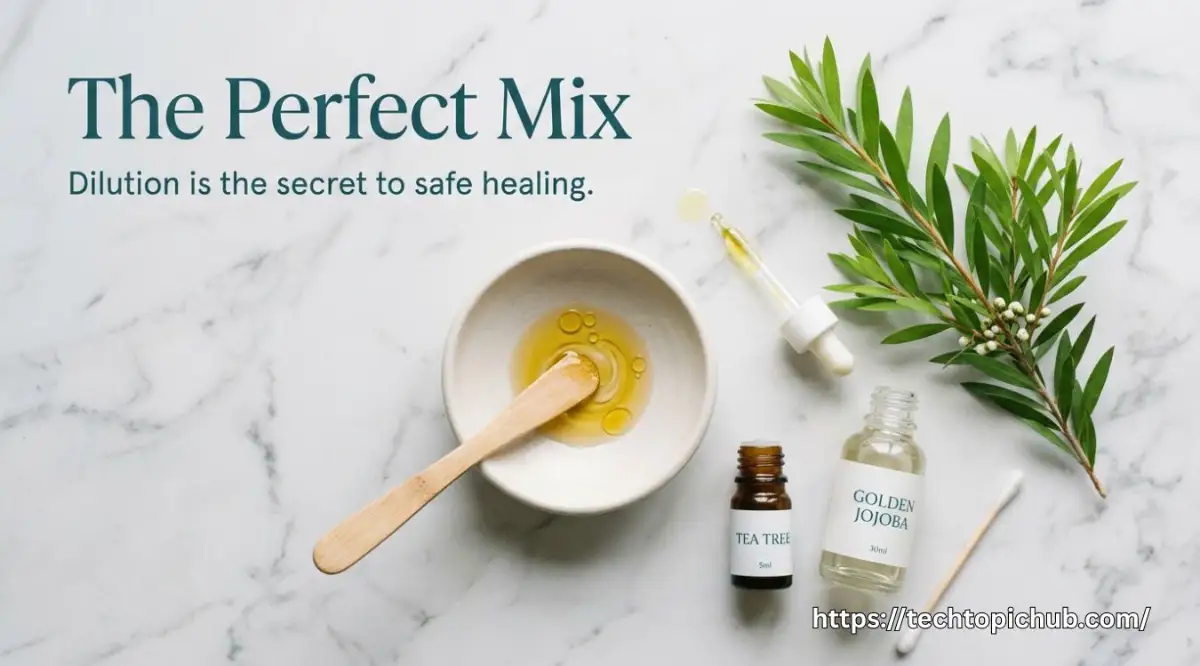
My Quick Cheat Sheet for Clear Skin:
- Never apply pure essential extracts straight out of the bottle—always dilute them first to avoid chemical burns.
- Burning and stinging are warning signs of a broken barrier, not proof that your spot treatment is working.
- Use a gentle carrier (like jojoba or squalene) to safely deliver treatments to your pores.
Rest your face a few days a week instead of attacking it with heavy acids every single night.
What Actually Happens When Pure Extracts Meet Your Face?
Before we start applying things to our faces, we need to understand what we are actually holding in our hands. Essential extracts are not just mildly scented waters. They are highly concentrated plant chemicals.
When you buy a bottle of pure tea tree oil, you are buying a complex mix of over one hundred different organic compounds. The most active one is called terpinen-4-ol. This specific compound is amazing at fighting off bad bacteria.
However, it is also incredibly strong. When you put it directly on your skin without watering it down, it acts like a solvent. It aggressively strips away your natural protective oils.
Your skin barrier is like a brick wall protecting your face from the outside world. When you apply raw, strong extracts, you are essentially throwing acid on that wall. The wall breaks down, allowing water to escape and irritants to enter.
This causes immediate redness, intense itching, and severe flaking. Many people mistake this reaction for the product "drying out the pimple." In reality, it is drying out and killing your healthy cells. Good skin and beauty routines should never involve destroying your protective barrier.
Myth vs Reality: Why Stronger Doesn't Mean Better
There is a huge myth in the beauty community that a stronger product will give you faster results. We assume that if a little bit works well, a lot will work magic. This logic completely falls apart when it comes to highly concentrated botanical extracts.
Myth: Putting raw oil directly on a pimple will kill the bacteria instantly and flatten the bump overnight.
Reality: The raw oil will irritate the surrounding skin, causing massive inflammation. Inflammation makes acne look redder, bigger, and take much longer to heal completely.
Myth: If it tingles or burns, that means it is actively working to clear the pores.
Reality: Skincare should never hurt. A slight cooling sensation is okay, but burning is your body's alarm system screaming for help.
Myth: Natural products are always safe to use directly from the bottle.
Reality: Poison ivy is natural, but you would not rub it on your face. Natural does not always equal safe without proper preparation.
To maintain true skin health, you have to treat your face like a delicate silk shirt, not a dirty floor that needs scrubbing. Gentle consistency will always win against harsh, one-time chemical attacks.
The Golden Rules of Mixing and Dilution
Now that we know the dangers of using raw extracts, how do we actually use them safely? The answer is dilution. You must mix the active ingredient with a carrier to slow down its absorption and weaken its harshness.
A carrier oil is a neutral, gentle plant oil that helps carry the strong extract safely into your pores. Some of the best carriers include jojoba oil, squalene, and rosehip oil. These carriers actually mimic your face's natural sebum.
Here is a quick cheat sheet I made to help you pick the right base for your face:
| Carrier Oil | Best For | Why I Love It |
| Jojoba Oil | Oily/Acne-Prone | Fools your face into producing less oil. |
| Rosehip Oil | Scarring/Dry | Packed with vitamins that fade dark marks. |
| Squalene | Ultra-Sensitive | Super lightweight and never clogs pores. |
Finding the right ratio is the most important step in this entire process. For facial application, you always want to aim for a one to two percent dilution rate. This might sound complicated, but it is actually very simple to measure at home.
For every one single drop of tea tree oil, you need about twelve to fifteen drops of your chosen carrier oil. You can mix this fresh every single time in the palm of your clean hand. Alternatively, you can mix a small batch in an empty, clean glass dropper bottle to save time.
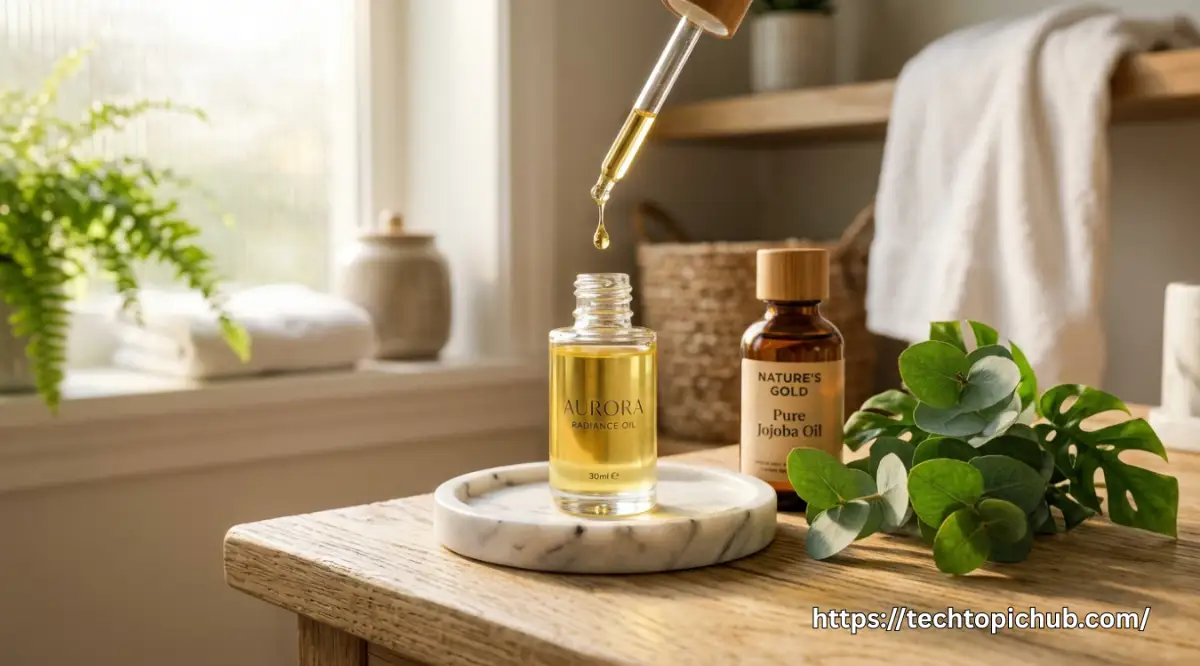
Watch this quick video below to see my exact, foolproof method for mixing oils perfectly every single time so you never have to deal with accidental burns. After you see how easy the mixing process is, keep reading to find out how to safely apply it without ruining your healthy skin!
[Insert YouTube Video Link Here]
I used to just guess the amounts, dropping liquids directly onto my fingers. That was a terrible idea because the drops are never even. Always use a proper dropper or a tiny measuring spoon to ensure you get the ratio exactly right.
I learned this the hard way after a poorly mixed batch left my jawline itching for three days straight. My Pro Tip for you: Always mix your oils in a small ceramic dish rather than your hands if you are a beginner. The dish gives you full control to see exactly how many drops are falling, preventing any accidental chemical burns.
The Non-Negotiable Patch Test Process
Even when you have mixed everything perfectly, you still cannot put it on your face right away. Everyone has a different biological makeup. What works perfectly for my face might cause a massive allergic reaction on yours.
This is why a patch test is absolutely non-negotiable. It requires patience, but it is the ultimate safety net for your face. Skipping this step is playing Russian roulette with your complexion.
Here is a quick pro tip from my own painful past: never skip testing a new oil just because you are in a massive rush to heal a spot. I once burned my entire jawline right before a family trip because I assumed a "natural" product was totally safe to use without checking. Taking just one extra day to test the mix on your arm will save you from weeks of hiding a swollen, red face.
First, take your properly diluted mixture. Apply a very small dab to the inside of your forearm or right behind your ear. These areas have thin skin that mimics the delicate nature of your face.
Leave the area alone for a full twenty-four hours. Do not wash it off, do not scratch it, and do not apply anything else over it. You are watching for any signs of trouble.
If you see redness, feel itching, or notice tiny bumps forming, wash it off immediately with gentle soap. This means your body cannot tolerate the ingredient, even when it is mixed safely. If the skin remains completely normal, you have the green light to proceed.
The Best Application Methods for Spot Treatment
When you are ready to treat a blemish, preparation is everything. Start with a completely clean, dry face. Wash away all your makeup, sunscreen, and daily grime with a gentle, non-foaming cleanser.
Never apply any oil treatment to wet or damp skin. Water can actually increase the penetration of essential oils, making them strike the pores too quickly and causing irritation. Pat your face completely dry with a clean towel.
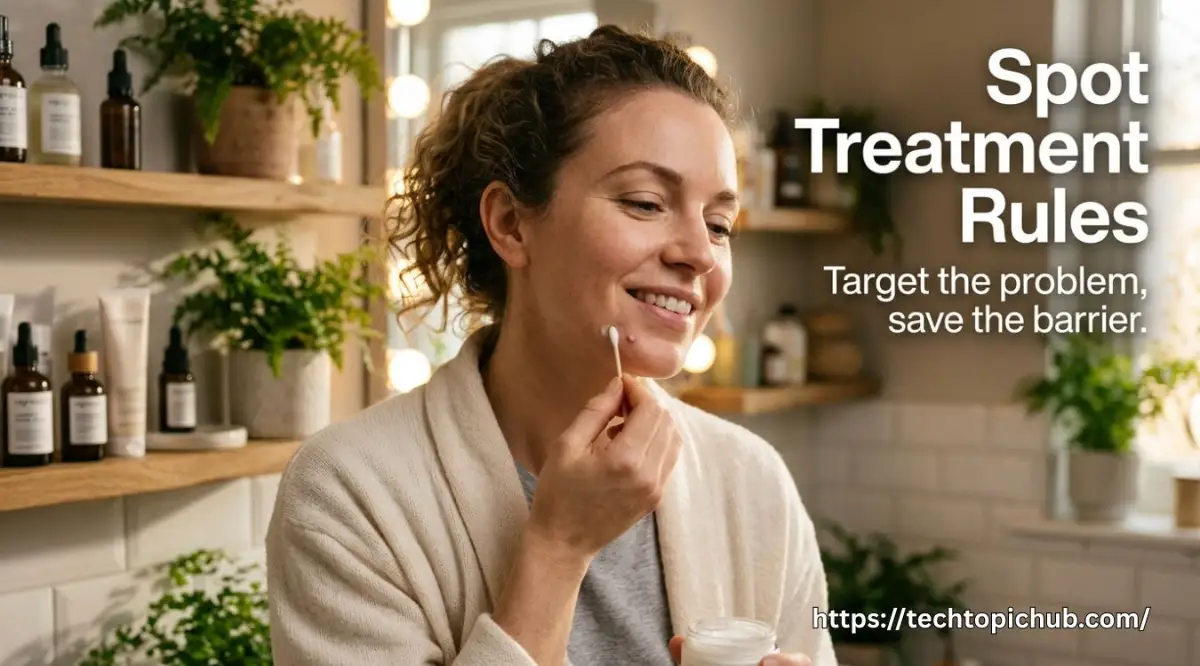
Take a clean cotton swab and dip it lightly into your diluted mixture. You only need a tiny amount. Gently tap the swab directly onto the head of the pimple.
Do not rub it in circles, and do not spread it around to the healthy areas. You want to isolate the treatment specifically to the infected pore. Treating healthy skin with acne products is a fast way to cause unnecessary dryness.
Once applied, give it a few minutes to sink in before moving on to the next step of your routine. You should always follow up with a plain, basic moisturizer. The moisturizer acts like a protective seal, keeping the treatment locked in place while hydrating the rest of your face.
Rebuilding the Moisture Barrier After an Oops Moment
Let us be realistic. Sometimes we get impatient, make a mistake, and end up burning a spot anyway. If you have already applied an undiluted extract and are currently dealing with red, angry skin, you need to pivot your strategy immediately.
Stop using all active ingredients right now. This includes all acids, scrubs, vitamin C, and definitely all acne treatments. Your only goal right now is intense, soothing repair.
Your skin health depends entirely on hydration and protection when it is damaged. Switch to washing your face only once a day with lukewarm water in the evening. In the morning, a simple splash of cold water is more than enough.
Load up on products that contain ceramides, panthenol, and canella asiatica. These ingredients act like soothing bandages for a broken barrier. Apply your moisturizer in thick layers while your face is still slightly damp from washing.
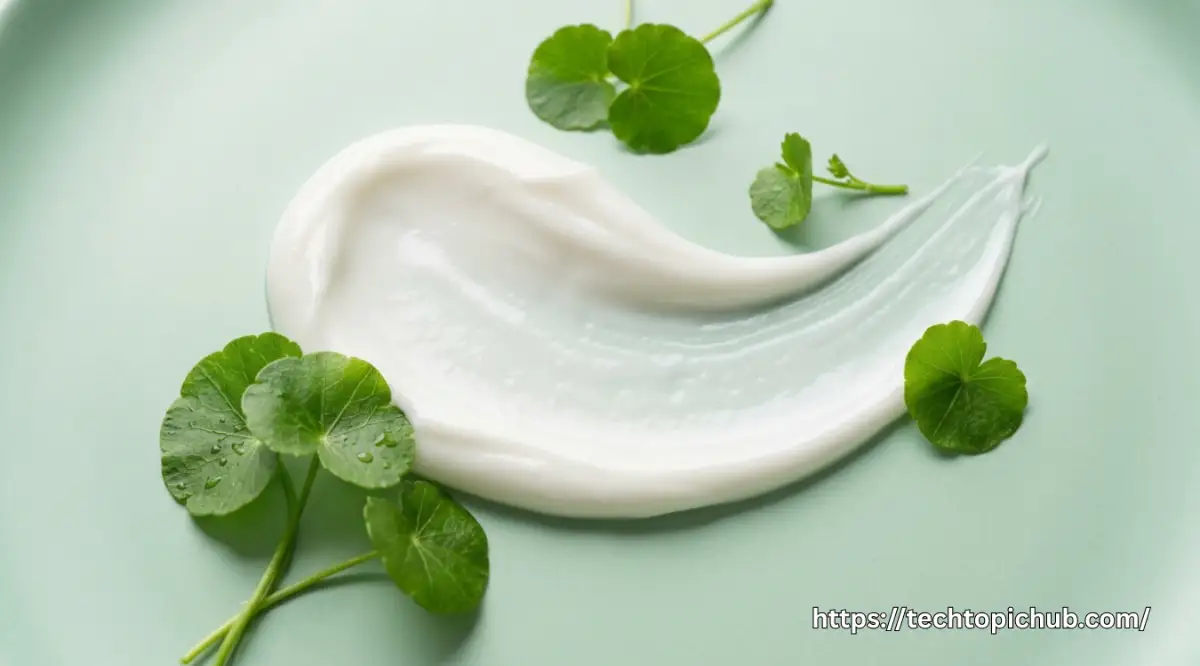
You can also apply a thin layer of healing ointment over the burned spot before you go to bed. This practice is known as slugging. It traps the moisture inside and gives your cells the perfect environment to heal themselves overnight.
Designing a Gentle Nighttime Routine
Creating a consistent nighttime routine is the secret weapon against chronic breakouts. Sporadic, aggressive treatments will never work as well as gentle, daily habits. You want to create an environment where pimples struggle to form in the first place.
Start by double cleansing if you wear sunscreen or makeup during the day. Use a gentle cleansing balm first to melt away the day's dirt. Follow that with a soft water-based cleanser to sweep it all down the drain.
After cleansing, apply a hydrating toner. Look for toners that look like milky water rather than the stinging, alcohol-based astringents of the past. Hydrated pores are much less likely to clog and form blackheads.
Next comes your treatment step. If you are using your diluted oil mixture, this is the time to apply it only to the active spots. Let it rest for a minute.
Finally, lock everything down with a deeply nourishing cream. Consistency here is what leads to truly smooth skin over time. It takes patience, but waking up to a calm, happy face is worth every single minute spent on your evening routine.
Always remember that acne is a medical condition, not a personal failure. You are doing your best. Treat yourself, and your complexion, with the utmost kindness and patience.
Next-Level Strategies for Maintaining a Clear and Healthy Face
Once you have mastered the basic rules of dilution and gentle application, it is time to look at the bigger picture. Healing a single pimple is great, but our ultimate goal is to stop them from showing up so frequently. Long-term skin health requires a strategic approach.
Think of your daily routine as a long-term investment rather than a quick fix. Building a highly resilient skin barrier is exactly like the secret to building an emergency fund without ignoring your debt. You have to consistently protect your healthy cells while slowly and carefully managing the active breakouts.
The Magic of Skin Cycling with Botanicals
One of the best ways to maintain smooth skin without causing irritation is a method called skin cycling. This simply means you do not use your active spot treatments every single night. Your face needs scheduled days off to rest and repair itself.
For example, you might apply your diluted botanical mix on Monday and Tuesday nights. Then, on Wednesday and Thursday, you skip the treatment entirely. On those rest days, you focus only on deep hydration and barrier repair.
This cyclical routine prevents your pores from becoming overly sensitive to the active compounds. It also ensures that your healthy skin cells have the energy and moisture they need to heal the surrounding tissue. You will notice much less redness when you give your face room to breathe.
Listening to Your Complexion's Daily Needs
Your face is a dynamic, living organ that changes based on the environment. What works perfectly in the humid summer months might be completely wrong for dry winter days. You have to pay close attention to how your face feels when you wake up.
If your cheeks feel tight, itchy, or look slightly flushed, that is a massive warning sign. It means your protective oils are stripped, and you need to stop all treatments immediately. Pushing through the tightness will only lead to a damaged barrier and more breakouts.
On days when your face feels balanced and calm, you can safely proceed with your diluted spot treatments. Learning to read these daily signals is the greatest secret to a flawless complexion. It takes practice, but understanding proper dermatological practices regarding barrier function will completely change your routine.
Managing the Internal Environment
We spend so much time obsessing over what we put on the outside of our bodies. However, true skin and beauty results happen when you support your body from the inside out. Your topical treatments will work twice as fast if your internal system is balanced.
Drinking enough water is not just a tired cliché; it actually helps thin out your natural sebum. Thick, sticky sebum is what clogs pores and feeds bad bacteria. By staying properly hydrated, you make it much harder for blemishes to form in the first place.
Additionally, reducing massive sugar spikes in your diet can lower overall inflammation. When your body is not fighting systemic inflammation, it has more resources to send to your healing face. A holistic approach will always beat relying solely on a tiny bottle of oil.
The Most Dangerous Traps and Pitfalls to Avoid
Even smart, well-meaning people fall into terrible habits when they are desperate for clear skin. I have seen so many people ruin months of progress simply because they panicked over a new pimple. You must avoid these specific traps if you want to protect your face.
Trying to force a massive pimple to heal overnight usually backfires horribly. It is very similar to seeking a proven way to speed up the home selling process in a sluggish housing market; you need a strategic, calm approach rather than desperate, rushed actions. Rushing only creates bigger messes.
Trap 1: The Midnight Panic Re-application
This is perhaps the most common and damaging mistake people make. You apply your diluted spot treatment at 8 PM, and by midnight, the pimple looks exactly the same. Panic sets in, and you decide to apply another heavy layer just before going to sleep.
Your skin can only absorb and process so much active ingredient at one time. Adding a second or third layer does not speed up the healing timeline. Instead, it overloads the tissue, causing severe chemical burns and blistering.
Once a chemical burn forms, the original pimple becomes trapped underneath a hard, crusty layer of dead skin. Now you have a giant, dark scab that takes weeks to fade. Apply your treatment exactly once a day, and then step away from the mirror.
Trap 2: Mixing Nature with Harsh Lab Chemicals
Many people assume that because an oil is "natural," it can be safely mixed with other strong acne products. They will wash their face with a salicylic acid cleanser, apply a harsh benzoyl peroxide cream, and then top it off with tea tree drops. This is a recipe for absolute disaster.
Combining highly active botanicals with lab-created chemical exfoliants creates a toxic cocktail for your pores. The combination strips away every ounce of moisture, leaving your face completely defenseless. This extreme irritation often triggers a condition called Post-Inflammatory Hyperpigmentation (PIH).
PIH leaves dark brown or red marks on your face long after the acne is gone. If you are using an essential extract, keep the rest of your routine incredibly basic and boring. Let one active ingredient do the heavy lifting while the rest of your products focus on hydration.
Trap 3: Ignoring the Oxidation Process
Essential extracts do not last forever, even if they are stored in dark glass bottles. Once you open the cap and expose the liquid to oxygen, a chemical degradation process begins. This process is called oxidation, and it completely changes the nature of the liquid.
When you apply oxidized essential oils to your face, you are essentially rubbing a highly sensitizing irritant into your pores. The beneficial antibacterial properties are gone, replaced by compounds that trigger massive allergic reactions. Using a bottle that has been sitting in your cabinet for three years is incredibly dangerous.
Always check the smell and color of your natural products. If the scent becomes noticeably sharper, sour, or smells somewhat like old plastic, throw it in the trash immediately. It is always better to buy a fresh, small bottle than to risk permanently sensitizing your face.
Did you know that keeping oxidized oils can actually age you faster? When plant extracts break down, they create free radicals—the exact tiny molecules that destroy your collagen over time. Do yourself a favor and write the opening date on the bottom of your glass bottles with a marker so you know exactly when to toss them out six months later.
Trap 4: The Vicious Cycle of Picking and Touching
We all know we are not supposed to touch our faces, yet we all do it anyway. When you have a painful bump, your fingers naturally want to check if it has gotten smaller. This constant touching introduces thousands of new bacteria directly into an already infected pore.
Furthermore, if you have