
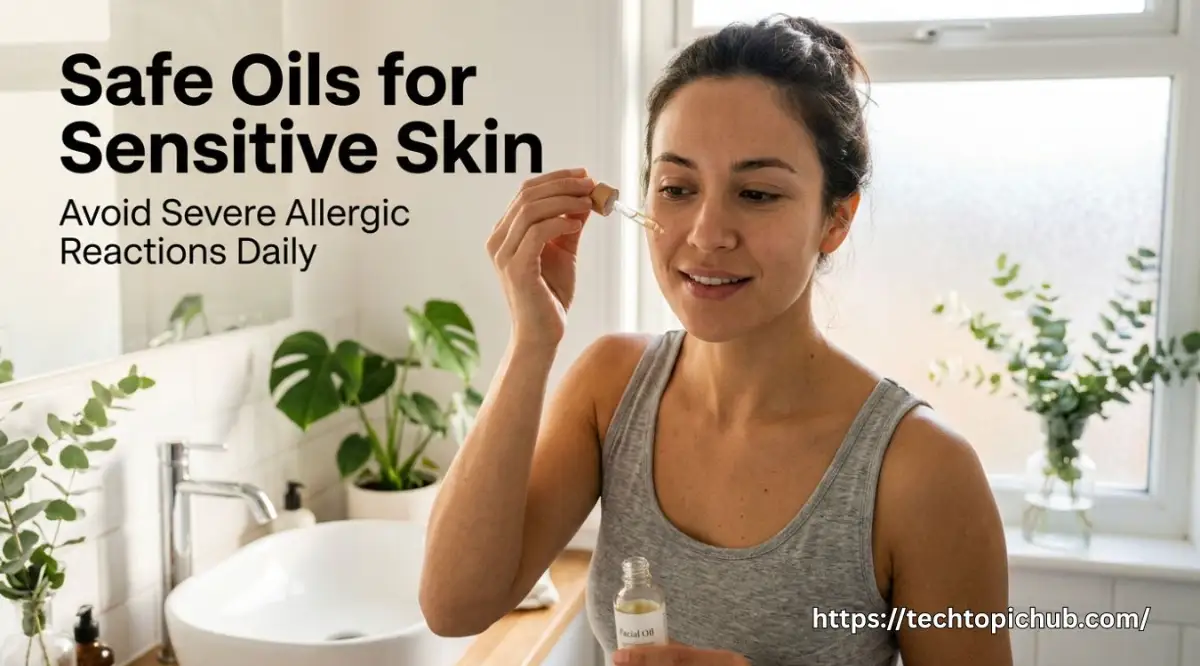
Why I Almost Gave Up On Natural Remedies Completely
Did you know that reaching for a "natural" fix can sometimes be the worst thing you do for your skin care routine? I found out the hard way that pure plant extracts can actually burn your face just as badly as harsh chemicals. If you are tired of dealing with red, angry reactions from supposedly safe skin and beauty products, let me show you exactly what you are doing wrong and how you can fix it today.
I used to think that just because something came from a plant, it was perfectly safe for my face. One evening, I applied pure peppermint and lavender oil directly to my cheeks, desperately hoping to get that flawless, smooth skin everyone talks about online. By the very next morning, my entire face was burning, swollen, and covered in tiny, angry red bumps. I felt completely embarrassed to even step outside my house, constantly trying to hide my damaged face behind thick layers of makeup. My confidence dropped to absolute zero, and I spent hours crying in front of the bathroom mirror. I just wanted better skin health, but my lack of knowledge ended up destroying my delicate barrier.
This is a very common nightmare that so many ordinary people face every single day. We buy expensive little bottles of natural extracts, hoping they will magically erase our blemishes and dark spots. But instead of getting glowing results, we end up dealing with severe redness, unbearable itching, and painful chemical burns.
People who naturally have sensitive skin already struggle to find products that do not cause irritation. When they turn to natural plant oils for comfort, a bad reaction feels like the ultimate betrayal. However, you do not have to throw your expensive oils in the trash just yet.

Quick Summary: What You Need To Know
- Pure plant extracts can cause severe chemical burns if you put them directly on your bare face.
- Always mix a single drop of active oil with a thicker carrier cream before applying it.
- Citrus extracts react badly with sunlight and can cause instant blistering if worn outside.
- You must wait a full 24 hours after doing a patch test to see if a product is safe for you.
The Hidden Chemistry: Why Plant Extracts Attack Your Face
To understand how to protect your face, we first need to look at what these highly concentrated liquids actually are. Essential oils are not like the regular moisturizing oils you use in the kitchen. They are highly potent chemical compounds extracted directly from thousands of leaves, roots, and flowers.
Think about it this way: a single single drop of peppermint oil is roughly equal to drinking nearly thirty cups of strong peppermint tea. When you put that massive amount of pure plant energy directly onto a fragile surface, the skin simply cannot handle the shock. The outer layer of your skin gets overwhelmed, causing your immune system to panic and trigger an allergic response.

Skin and beauty experts always warn that our natural barrier is very thin and easily compromised. When this protective wall breaks down from highly concentrated acids, bacteria can easily enter. This is exactly why you experience long-lasting irritation, extreme dryness, and those painful red patches that refuse to fade.
Myth vs. Reality: Debunking Popular Internet Advice
Myth: If an oil is labeled as "100% pure and organic," you can safely put it directly on your spots.
Reality: Pure actually means it is at its strongest and most dangerous chemical state. Organic poison ivy is still poison ivy, and pure plant compounds can easily burn you.
Myth: If it starts burning and tingling, that just means the natural medicine is working.
Reality: A strong burning sensation is your body screaming for help. Good skincare should never cause severe pain, heat, or long-lasting discomfort.
Myth: Water is the best way to wash off an essential oil if it starts to burn.
Reality: Oil and water do not mix at all. Splashing water on a burning face will only spread the active chemicals further across your skin.
The Golden Rules Of Dilution (Your Best Defense Strategy)
The absolute biggest secret to enjoying these beautiful scents without the pain is called dilution. Dilution simply means mixing a tiny amount of the strong essential oil with a large amount of a fatty "carrier" base. Carrier oils are heavy, gentle, and packed with vitamins that help heal and protect your barrier.
Some of the most popular carrier bases include sweet almond oil, cold-pressed jojoba, and thick shea butter. These fatty bases act as a soft cushion, slowly carrying the strong plant extracts into your pores without causing a massive shock. By doing this, you still get all the amazing benefits of the plant, but in a safe, controlled way.
Let's break down which carrier oil you should actually use so you do not break out:
My biggest realization was that more is definitely not better when it comes to strong plant extracts. I used to dump five or six drops of tea tree oil into my daily moisturizer, thinking it would speed up the healing process, but it only made my face angry and dry. Now, I force myself to stick to just one single drop per use, and my skin has never looked healthier or felt softer.
How To Mix Like A Professional
If you are using these products on a highly sensitive face, you should never go above a one percent dilution rate. This basically means putting just one single drop of essential oil into a full teaspoon of your chosen carrier cream. It might look like a very small amount, but remember how powerful that single drop actually is.
For body lotions or massage creams, you can safely bump that up to a two percent dilution. This is about two to three drops per teaspoon of your carrier liquid. Always mix the two liquids thoroughly in a small glass bowl before you even think about touching your body.
The Ultimate Patch Test Strategy
Many people skip testing new products because they are simply too excited to see results immediately. But testing a tiny area first is the only guaranteed way to avoid a full-face disaster.
I used to skip patch testing completely because I was so impatient to see my dark spots fade. But one time, trying a brand new citrus serum without testing it first caused a massive, fiery flare-up right before a big family wedding. Now, I always test every single new product behind my ear first—it takes just a minute and saves me weeks of hiding my face in shame.
Watch This Quick Safety Breakdown
Before you mix another drop of oil, click play on the short video below to see exactly how professionals safely blend active ingredients at home without any mess. Once you finish watching, keep reading below to learn the simple step-by-step testing secret that will save your face from accidental breakouts!
[Insert YouTube Video Link Here]
Step-by-Step Testing Process
First, choose a hidden area of your body, like the inside of your elbow or right behind your earlobe. Wash this small area with a gentle cleanser and pat it completely dry with a clean towel.

Next, apply a tiny smear of your perfectly diluted mixture onto that specific spot. Do not rub it in too aggressively; just lightly tap it into the surface.
Now comes the hardest part—you have to wait for at least twenty-four hours before making a decision. Some severe allergic reactions do not happen instantly, and they can take a full day to show up. If you see zero redness, no swelling, and feel absolutely no itching, the mixture is safe for your daily use.
What To Do If The Damage Is Already Done
Even if we are incredibly careful, mistakes can still happen in our daily beauty routines. If you ever accidentally apply a strong oil and feel an immediate burning sensation, you must act fast.
Do not run to the sink and splash cold water on your face, as this will trap the oils and make the burning worse. Instead, immediately grab a plain carrier oil—even olive oil from your kitchen will work perfectly. Rub the plain oil generously over the burning area to dilute and lift the harsh chemicals away from your pores.
After you have wiped off the plain oil with a soft cotton pad, you can finally wash the area with a very gentle, fragrance-free soap. Follow up with a thick layer of plain petroleum jelly or a soothing ceramide cream to lock in moisture. For the next two weeks, you must completely avoid all active ingredients and focus only on healing your damaged barrier.
Ingredients To Watch Out For When Stepping Outside
Not all plant extracts behave the same way when they are exposed to bright daylight. Some of the most popular extracts can actually cause severe chemical burns if they are exposed to the sun. This dangerous reaction is commonly known as phototoxicity.
Citrus extracts are the biggest offenders when it comes to sun damage. If you apply lemon, sweet orange, bergamot, or grapefruit oils to your skin, you must stay out of direct sunlight for at least twelve hours. Even if you dilute them perfectly, the sun's rays will react with the citrus compounds and cause painful blistering.
If you absolutely love the smell of sweet citrus, make sure you only use these specific blends directly before going to bed. By the time morning comes, your skin will have safely absorbed the nutrients without any risk of sun damage.
Creating A Safe Daily Routine For Lasting Radiance
Building a healthy routine does not mean you need a twenty-step process every single morning. The key to achieving beautiful smooth skin is consistency and extreme gentleness.
A Gentle Morning Approach
In the morning, your main goal should simply be hydration and strong protection against the outside environment. Wash your face with plain water or a very mild foaming cleanser to remove any sweat from the night before.
Skip the strong essential oils in the morning completely to avoid any accidental sun sensitivity. Instead, apply a lightweight hyaluronic acid serum followed by a rich, fragrance-free moisturizer. Always finish your morning routine with a high-quality mineral sunscreen to block out harmful rays.
A Healing Evening Ritual
Your evening routine is the perfect time to safely introduce your diluted natural remedies. After gently washing away your makeup and daily grime, your face is ready to absorb helpful nutrients.
Take your pre-mixed, safely diluted facial oil and warm it up slightly by rubbing your clean palms together. Gently press your hands onto your cheeks, forehead, and neck, allowing the soothing mixture to sink in naturally.