

Escaping the Chemical Trap: My Personal Turning Point
Look, if you are tired of spending a fortune on chemical face creams that just make your skin burn, peel, and break out, you are exactly where you need to be. I used to hide my face behind thick makeup every single day because my skin barrier was completely ruined from harsh synthetic face washes. Let me show you how throwing away all those expensive bottles and switching to a simple, plant-based routine finally gave me my confidence back—without any of that painful burning sensation.
I still remember staring blankly at my bathroom mirror, my face covered in angry red patches and peeling skin. I had just tried yet another highly-rated synthetic face wash, hoping it would finally clear my stubborn breakouts. Instead, my skin felt incredibly tight, like a dry rubber mask stretched uncomfortably over my bones. I was so tired of spending my hard-earned money on chemical-heavy products that only seemed to make my face worse. My confidence was completely shattered, and I realized I needed to stop fighting my skin and start listening to it instead. This painful realization pushed me to throw everything away and start a completely natural, plant-based journey from scratch.
Many of us try to cover up the visible damage with heavy, pore-clogging makeup. This desperate attempt only creates a vicious cycle of more trapped dirt and deeper emotional frustration. You walk down the beauty aisle at the store, feeling completely overwhelmed by long lists of ingredients you cannot even pronounce.
The modern cosmetic industry often makes us believe that stronger laboratory acids and harsher physical scrubs are the only way to achieve a glowing complexion. But in reality, those aggressive chemicals strip away your natural protective oils, leaving you entirely vulnerable to environmental dirt and pollution.
Your skin is a living, breathing organ that naturally wants to heal itself if given the right, gentle environment. When we constantly attack it with synthetic fragrances and artificial preservatives, we force our skin into a permanent state of stress and panic.

Understanding Your Skin's Invisible Shield
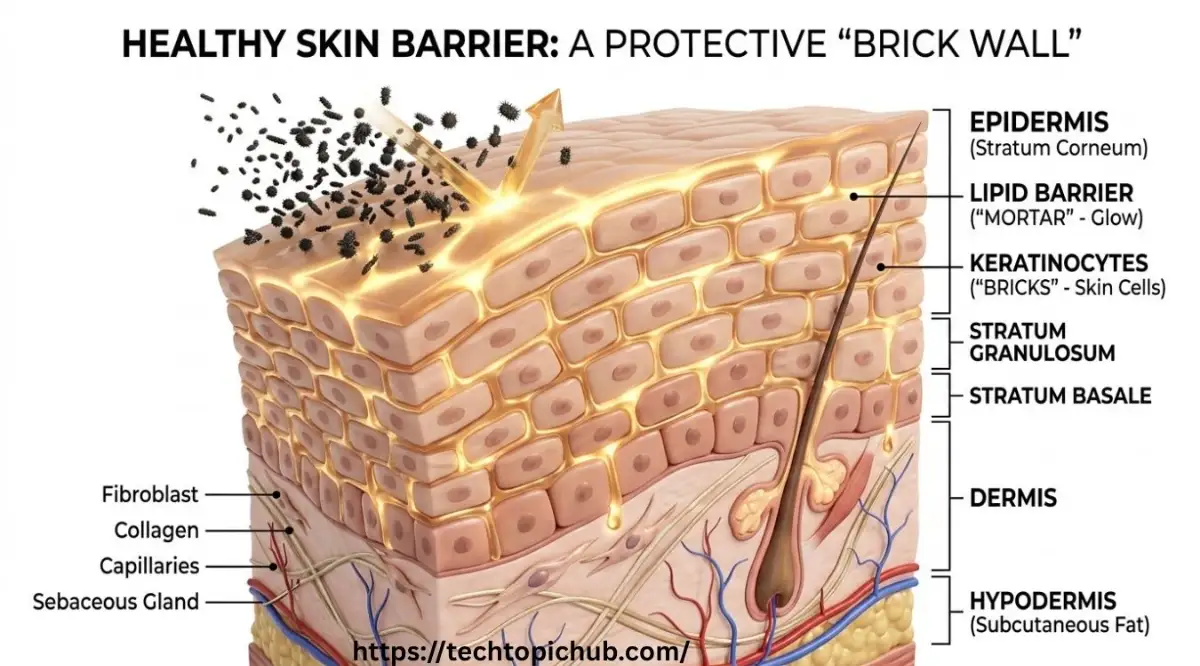
Before you put any organic ingredient on your face, you need to understand how your natural skin barrier actually works. Think of the top layer of your face like a protective brick wall guarding a beautiful castle. The skin cells are the bricks, and your natural oils and lipids are the soft mortar holding everything together.
When you use synthetic foaming cleansers, you are basically power-washing that delicate mortar right out of the wall. Once the protective barrier is broken, harmful bacteria easily sneak in, and precious hydration quickly leaks out.
An organic routine focuses entirely on repairing and strengthening that specific brick wall. By using ingredients found directly in nature, you work in perfect harmony with your body rather than constantly fighting against its natural functions.
The Myth of Squeaky Clean Skin
For years, television commercials taught us that our faces should feel completely tight and "squeaky clean" after washing. This is actually one of the most dangerous beauty myths you can believe. If your face feels tight after drying off, it means you have completely destroyed your protective acid mantle.
Healthy, balanced skin should feel naturally soft, slightly plump, and comfortable right after you wash it. Natural cleansers might not create massive amounts of fluffy foam, but they clean exactly what needs to be cleaned without causing structural damage.
Quick Check: The Cleansing Reality
- The Big Myth: If your face does not feel incredibly tight and squeaky after washing, it is still dirty.
- The Real Fact: That "tight" feeling is actually your skin crying out for help! It means you just washed away your natural protective oil layer. Soft, calm, and slightly hydrated is the actual goal of washing your face.
The Step-by-Step Blueprint for Natural Radiance
Building a completely new regimen does not mean you have to buy twenty different expensive glass bottles. The most effective natural routines are incredibly simple and rely on high-quality, unrefined ingredients.
Let us break down the exact steps you need to follow to build a healthy foundation.
Step 1: The Art of Gentle Cleansing
The very first step in your new journey is finding a way to remove daily grime without causing irritation. For thousands of years, people used pure botanical oils to clean their faces, a method known today as oil cleansing. It sounds strange to put oil on a dirty face, but scientifically, like dissolves like.
Massaging a pure, organic oil into your skin gently melts away stubborn dirt, excess natural sebum, and sunscreen. You simply massage the oil for one minute and then gently wipe it away with a warm, damp cotton washcloth.
If you are just starting out, organic jojoba oil is an absolutely incredible option because it closely matches human natural skin oil. It will not clog your pores, and it leaves your face feeling remarkably soft and fully hydrated.
"If you are feeling a bit confused about how to actually wash your face with oil without making a huge mess, watch this quick visual guide below. It perfectly shows the exact gentle hand motions you need to master before moving on to the rest of this routine!"
You tube video....
Step 2: Rebalancing with Earth's Waters
After gently cleansing, your skin sometimes needs a little help returning to its naturally acidic state. Synthetic toners often contain high levels of drying alcohol, which absolutely destroys sensitive skin. Instead, nature provides us with delicate floral waters, also known as hydrosols.
Pure, organic rose water is an excellent natural toner that instantly calms redness and provides a beautiful burst of hydration. You can simply mist it directly onto your face or gently press it in with your clean palms.
Green tea is another powerful natural toner that you can easily brew right in your own kitchen. It is packed with natural antioxidants that calm down angry inflammation and help regulate excess oil production throughout the day.
Pro Tip from My Own Experience: I used to think I had to aggressively rub my toner into my skin with a harsh cotton pad to get results. I quickly realized this friction was causing massive redness on my cheeks. Now, I just spray rose water directly onto my face and let it air dry for ten seconds, which has completely stopped my unnecessary irritation.
Step 3: Feeding Your Skin Naturally
Once your face is clean and perfectly balanced, it is time to deliver concentrated nutrients directly to your cells. Instead of synthetic chemical serums, natural routines use potent plant extracts and targeted botanical oils.
If your main goal is to fade dark spots and brighten a dull complexion, rosehip seed oil is nature’s perfect solution. It naturally contains high levels of vitamin A and vitamin C, which encourage your skin to turn over healthy new cells faster.
You only need two or three tiny drops of these potent oils for your entire face and neck. Press the golden liquid gently into your slightly damp skin, allowing it to sink deep into your pores rather than just sitting heavily on top.
Step 4: Sealing in the Goodness
Moisturizing is the final critical step that acts like a warm blanket, sealing all that beautiful hydration into your skin. For many people, the botanical oils from the previous step provide more than enough moisture on their own.
However, if you struggle with severely dry patches, you might need a richer natural butter to lock everything down. Unrefined shea butter is an incredibly thick, nourishing option that naturally protects your face from harsh wind and cold air.
Always remember to apply your heavier creams or butters as the very last step in your routine. Because they are thick and protective, lighter watery liquids cannot penetrate through them if applied in the wrong order.
Identifying True Organic vs Fake Marketing
One of the biggest challenges for beginners is avoiding clever marketing tricks at the store. Many massive companies practice something called "greenwashing," where they use earthy colors and pictures of leaves to make you think a product is natural.
Just because a plastic bottle says "Contains Real Aloe" does not mean the rest of the ingredients are safe. The bottle might contain one drop of aloe mixed with fifty different synthetic chemicals and heavy artificial perfumes.
You must become a detective and actually read the small print on the back of the label. Look for short, understandable ingredient lists where you can actually recognize the items, like sunflower oil, chamomile extract, or raw honey.
The Essential Patch Test Rule
When you switch to pure botanical ingredients, you are dealing with very potent natural compounds. Just like someone can be highly allergic to natural strawberries, your skin might not agree with a specific natural flower extract.
Before slathering a brand new organic oil all over your face, you absolutely must do a simple patch test. Place a tiny drop of the new product on the soft skin right behind your ear or on your inner wrist.
Leave the area alone for a full twenty-four hours to see if any redness, itching, or small bumps appear. If your skin stays calm and clear, it is completely safe to introduce that specific ingredient into your main routine.
Navigating the Natural Transition Phase
When you suddenly stop using chemical-laden cosmetics and switch to organic ingredients, your face might completely freak out for a little while. This is a very common period known as the skin purge, and it naturally terrifies many beginners.
Your skin is basically going through a heavy detox, pushing years of trapped dirt and synthetic residue straight to the surface. You might experience minor breakouts, slight peeling, or uneven texture for a few short weeks.
It is incredibly important to stay patient during this uncomfortable transition period. Do not panic and run back to your harsh chemical cleansers; give your body the proper time it needs to reset its natural rhythm.
What to Expect During the Transition (The Skin Purge):
| Timeline | What Happens to Your Skin | How You Should React |
| Week 1-2 | Minor breakouts, oily or dry patches appear. | Do not panic. Stick to basic gentle washing and moisturizing. |
| Week 3-4 | Texture starts to smooth out, redness fades slightly. | Keep your routine simple. Your skin is finally adjusting! |
| Week 5+ | Your natural healthy glow appears, zero irritation. | Enjoy your beautiful new skin barrier! |
Hydration from the Inside Out
You can apply the most expensive, purest organic oils in the world, but if your body is deeply dehydrated, your face will still look tired and gray. True holistic beauty requires you to pay close attention to what you put inside your body as well.
Drinking plenty of clean, filtered water naturally flushes internal toxins out of your system before they can exit through your facial pores. Water literally plumps up your skin cells from the inside, naturally softening fine lines and rough texture.
Eating foods rich in natural omega fatty acids, like chia seeds and walnuts, naturally builds up your skin’s defense system. What you eat directly fuels the actual production of healthy, glowing new skin cells.
Daily Structure: Morning vs Night
To keep things extremely simple and organized, you should divide your organic routine based on the time of day. Your skin requires different types of support depending on whether you are waking up or going to sleep.
Here is a very easy breakdown of how your daily habits should look:
Time of Day Primary Goal Recommended Action
In the morning, your face is usually not very dirty, so you do not need a heavy wash. Simply splashing your face with cool water naturally wakes up your circulation and prepares your skin for lightweight hydration.
At night, your body naturally enters a deep cellular repair mode while you sleep in your bed. This is the absolute best time to apply your slightly heavier, more potent organic treatments so they can work their magic uninterrupted.
The Reality of Consistency and Patience
We have been deeply conditioned to expect overnight miracles from our cosmetic products. Chemical peels and aggressive synthetic creams might give you a temporary false glow, but they quietly destroy your long-term skin health.
Organic skincare is not a quick magic trick; it is a long-term commitment to respecting your body's natural biology. It generally takes a full cell turnover cycle, which is about twenty-eight days, to see permanent, noticeable changes in your complexion.
Stay consistent with your gentle, natural steps every single day, even when you feel like giving up. When you finally build a solid foundation of health, that pure, organic glow will last you for a lifetime.
Mastering Your Natural Glow: Next-Level Habits
Once you have completely mastered the absolute basics of natural cleansing and pure hydration, you are officially ready to level up your entire daily routine. This is exactly where the true, long-lasting transformation happens for your skin.
Getting clear skin for a week is relatively easy, but keeping it deeply healthy for decades requires a bit more advanced knowledge. I learned the hard way that throwing random organic oils onto my face was not enough; I needed a real, structured strategy.
You have to start treating your skin like a beautifully complex ecosystem rather than just a surface that needs to be scrubbed. When you understand the deeper biology of how your body processes natural ingredients, everything suddenly clicks into place.
The Power of Botanical Layering
One of the greatest secrets to maximum organic hydration is learning the precise order in which to apply your natural products. If you apply a very heavy natural butter first, nothing else will be able to penetrate through that thick protective shield.
You must always follow the golden rule of natural skincare: apply your products from the thinnest consistency to the thickest. Start with your watery floral toners, move onto your thin herbal serums, and finish completely with your rich, heavy facial oils or thick natural butters.
This simple layering technique ensures that your thirsty skin cells actually drink up every single drop of nutrients you provide. It completely stops expensive natural ingredients from just sitting uselessly on top of your face.
Understanding Natural Cell Turnover
Your skin is constantly shedding millions of tiny dead cells every single day, naturally replacing them with fresh, healthy new ones. As we naturally get older, this beautiful shedding process slows down significantly, leaving our faces looking dull and extremely tired.
Instead of burning off those dead cells with harsh laboratory chemical peels, you can gently support this natural process using pure fruit enzymes. Ingredients like raw papaya or natural pineapple juice contain incredibly gentle enzymes that dissolve dead skin safely.
Using a natural enzyme mask just once a week gently sweeps away that top layer of dullness without causing microscopic damage. It reveals the bright, fresh skin underneath while keeping your protective moisture barrier completely intact. For a deep dive into how cell regeneration actually works, the American Academy of Dermatology Association offers excellent, science-backed resources.
The Temperature Trick for Maximum Absorption
Most beginners do not realize that the temperature of their face completely changes how well their organic products actually work. Applying natural oils to a completely dry, cold face is a massive waste of high-quality ingredients.
I used to rub my expensive facial oils onto a bone-dry face and then wonder why I looked like a sweaty, greasy mess all day long. Once I started gently pressing the oil in while my skin was still slightly damp from washing, my face literally drank up the moisture in seconds. Trust me, this tiny timing trick changed my entire morning routine.
Right after you gently wash your face with warm water, your pores are naturally relaxed and highly receptive to incoming moisture. This is the exact moment you need to gently press your botanical serums directly into your skin.
My Personal Game-Changer: I used to wait until my face was completely bone dry before applying my rosehip oil, and it always felt super heavy and greasy. The moment I started applying it while my face was still slightly damp from my rose water spray, my skin completely drank it up in seconds. It changed absolutely everything for my morning makeup application!
Syncing with Your Environment
Your purely natural routine should never stay exactly the same all year round because your local environment is constantly changing. The lightweight organic routine that gives you a beautiful glow in the hot, humid summer will likely leave you terribly dry in the freezing winter.
During the colder, drier months, your natural protective barrier needs much heavier, thicker support to survive the harsh wind. You should easily swap out your thin summer lotions for deeply nourishing, unrefined natural balms.
If you are dealing with a lot of sudden environmental stress, it is a great time to learn about understanding debt consolidation and overall lifestyle management, because high internal stress heavily impacts your external skin health. When you actively adjust your organic ingredients to match the current weather, you prevent massive seasonal breakouts before they even start.
The Hidden Dangers in Natural Skincare (What to Avoid)
The absolute biggest mistake I see beginners make is assuming that because an ingredient comes directly from the earth, it is one hundred percent safe to put on their face. This dangerous assumption can quickly lead to severe chemical burns, massive allergic reactions, and completely ruined skin barriers.
Natural does not always mean gentle, and you have to treat pure botanical extracts with immense respect. Poison ivy is completely natural and organic, but you definitely would not want to rub it all over your cheeks.
The Lemon Juice and Baking Soda Disaster
There is a terrible trend on social media where people recommend scrubbing your face with raw baking soda and pure lemon juice to clear up sudden acne. This is perhaps the most destructive piece of natural beauty advice currently circulating on the internet.
Your skin naturally lives at a slightly acidic pH level, which helps fight off bad bacteria and keeps moisture locked inside. Baking soda is incredibly alkaline, and rubbing it on your face instantly destroys that delicate natural acid mantle.
When you follow up that harsh scrub with highly acidic straight lemon juice, you are essentially causing a massive chemical reaction right on top of your face. This completely burns the top layer of your skin, leading to severe hyperpigmentation and long-term sensitivity that takes months to heal properly. The Food and Drug Administration frequently issues warnings about misusing highly concentrated natural household items as direct cosmetic treatments.
The Essential Oil Burn
Essential oils like pure tea tree, lavender, and peppermint are incredibly powerful natural medicines, but they are highly concentrated plant chemicals. One single drop of pure peppermint oil is often equal to roughly twenty-eight cups of peppermint tea.
Applying pure, undiluted essential oils directly to a fresh blemish will almost certainly cause a severe contact burn. It might dry out the actual pimple, but it will leave a dark, painful scar that lasts far longer than the original breakout.
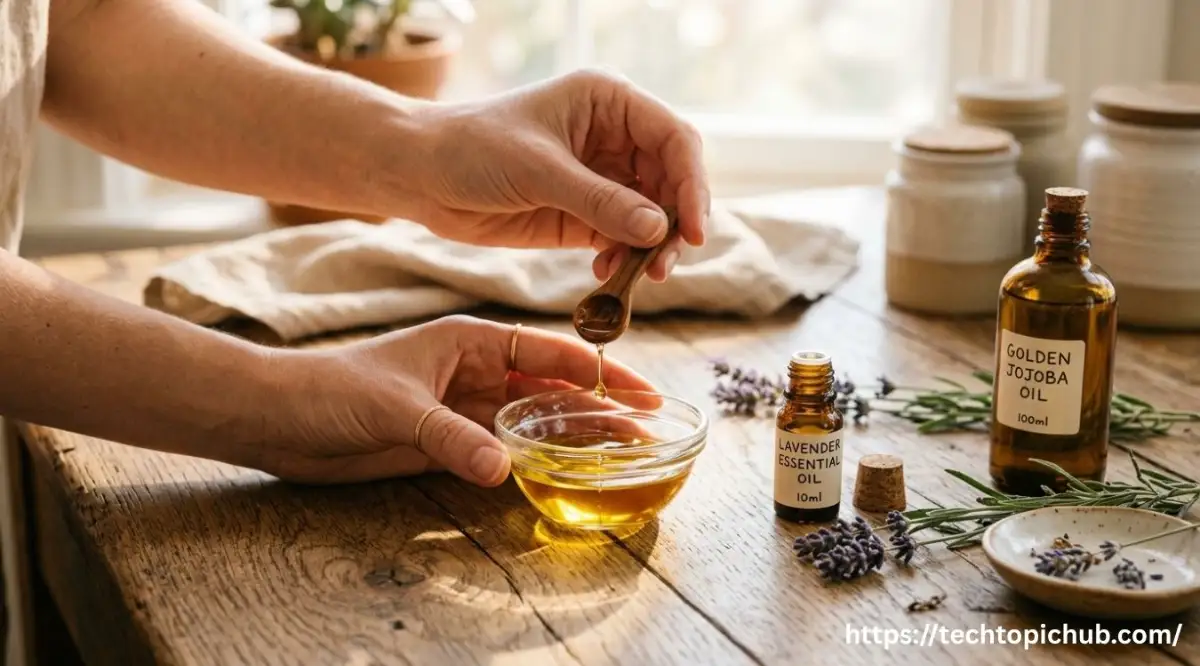
You must always heavily dilute your essential oils in a gentle carrier oil, like simple jojoba or pure almond oil, before they ever touch your face. A safe ratio is usually just one tiny drop of essential oil mixed into an entire teaspoon of your carrier liquid.
Over-Exfoliating with Natural Scrubs
When we suddenly switch to organic routines, we often get completely obsessed with having totally smooth, baby-soft skin. We start aggressively scrubbing our faces every single day with crushed walnut shells, raw sugar, or heavy coffee grounds.
Those natural particles often have incredibly sharp, jagged edges that you cannot see without a microscope. When you rub them forcefully into your face, they create millions of tiny micro-tears all over your protective barrier.
These tiny, invisible cuts allow harmful outside bacteria to sneak right in, causing massive cystic breakouts and deep internal inflammation. If you want a smoother complexion, you only need to gently exfoliate your face once or maybe twice a week, using incredibly light pressure with your fingertips.
Creating Your Lifelong Natural Glow
Transitioning to a purely botanical, chemical-free routine is honestly one of the best investments you can ever make for your long-term health. You are finally stopping the endless, frustrating war against your own biology and learning how to gently support your body’s natural healing powers.
It might feel slightly overwhelming at first to completely change how you wash your face, but the stunning, healthy results are entirely worth the effort. You no longer have to rely on harsh synthetic acids or heavy, pore-clogging makeup to feel confident walking out of your front door.
If you want to keep your overall lifestyle naturally balanced, checking out managing personal budget strategies can help reduce the internal stress that often causes terrible adult acne. Remember, true organic beauty is an entire lifestyle choice, combining pure topical ingredients with a healthy, peaceful internal environment.
My Final Push for You: I promise you that the clear, glowing skin you have always wanted is entirely possible without relying on toxic chemicals. Start with just one simple organic oil tonight, trust the slow natural process, and watch how beautifully your skin thanks you tomorrow morning!
Frequently Asked Questions About Going Natural
How long does it naturally take to see real results from an organic routine?
You should honestly expect to wait roughly four full weeks before you notice a massive difference in your skin's overall texture. This is exactly how long it takes for your body to naturally produce a completely new top layer of skin cells.
Can pure organic oils actually make my oily skin break out worse?
This is a huge misconception! Applying the right lightweight botanical oils, like pure jojoba, actually signals your brain to naturally stop overproducing its own heavy sebum. It gently balances out your natural oil production rather than aggressively stripping it away.
Do I really need to wear natural sunscreen if I stay inside most of the day?
Yes, you absolutely do need daily protection. Harmful UVA rays easily pass right through standard glass windows and slowly destroy your natural collagen levels while you sit comfortably at your desk.
Is it completely safe to use raw coconut oil directly on my face?
For most normal people, raw coconut oil is entirely too heavy and is highly comedogenic, meaning it heavily clogs your facial pores. It is wonderful for your dry arms and legs, but you should generally keep it far away from your delicate face.
Can I mix my current chemical serums with new organic products?
It is usually best not to mix heavy synthetic lab acids directly with pure organic botanical oils. The harsh chemicals can completely destroy the delicate natural vitamins found in the plant extracts, making them totally useless.
Looking back at my own journey, dumping those toxic bottles in the trash was the scariest but best decision I ever made for my daily confidence. Give your beautiful face a little time to adjust, start with just one simple oil tonight, and watch how naturally your skin heals when you stop fighting it.
Disclaimer: The information provided in this article is purely for educational and informational purposes and does not substitute for professional medical or dermatological advice. Always consult with a certified dermatologist or healthcare provider before significantly changing your skincare routine or treating severe skin conditions. Never ignore professional medical advice because of something you have read on this website.
![Hidden Papaya Hacks for Glowing Skin and Beauty [Read Before Bed]](https://techtopichub.com/storage/uploads/blogs/1789407194_hidden-papaya-hacks-for-glowing-skin-and-beauty-read-before-bed.webp)

![The Ultimate Chemical-Free Routine for Better Skin Care and Skin Health [Save Money]](https://techtopichub.com/storage/uploads/blogs/1789228392_the-ultimate-chemical-free-routine-for-better-skin-care-and-skin-health-save-money.webp)