
The Burning, Tight Feeling That Ruined My Mornings
Ever put on a basic, boring moisturizer and felt like your face was on fire? Yeah, I have been there too. Before you rush out to buy another expensive serum to fix that tight, flaky skin, you need to stop. You might actually be washing your face's natural defense system right down the drain without even knowing it. Let me show you how I accidentally ruined my skin barrier, and the exact steps I took to rebuild a healthy, bouncy face.
Instead, every single drop I applied felt like tiny burning needles on my face. I felt completely hopeless, frustrated, and honestly, a little embarrassed to even step outside my house. It turns out, I was actively destroying my own protective skin shield without even realizing it.
We all want that beautiful, glowing, glass-like skin we see all over the internet. So, we buy the scrubs, the acids, and the magic creams that promise instant results. But nobody warns you about what happens when you push your face too far.
Every single day, thousands of people are dealing with unexplained redness, sudden breakouts, and a constant itchy feeling. They think they just have "bad skin" or adult acne. The sad reality is, their skin is desperately crying out for help because its natural protective layer is completely shattered.
You start avoiding photos, canceling plans, and hiding behind layers of foundation. But the good news is, you are not alone in this battle, and this is completely reversible. By understanding where we go wrong, we can easily stop the damage and bring our natural glow back to life.
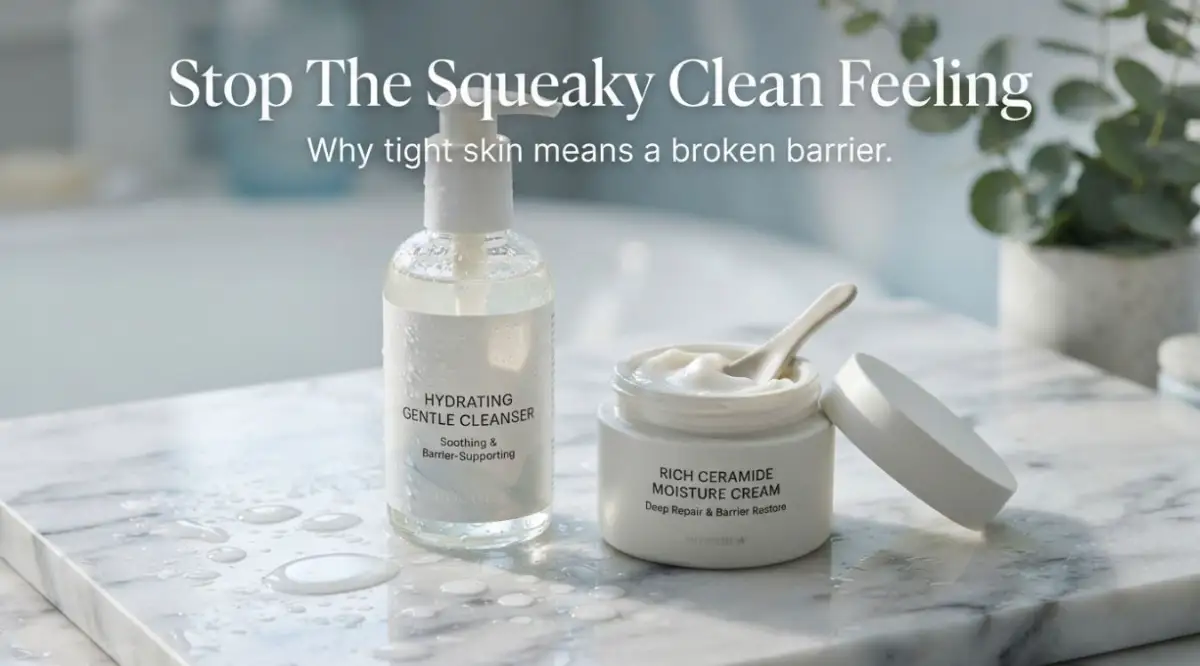
In a Rush? Here is Your Rescue Plan:
- Stop scrubbing: Put away all active acids and rough physical exfoliators right away.
- Turn down the heat: Wash your face with lukewarm or cool water, never hot.
- Stick to the basics: Use only a gentle milky cleanser, a ceramide-rich cream, and sunscreen for the next month.
- Lock it down: Try the "slugging" method at night to seal in moisture while you sleep.
The Invisible Brick Wall: Understanding Your Skin's Defense
Before we can fix the problem, we need to understand what this protective shield actually is. Imagine your skin as a strong brick wall built to keep the bad guys out. The skin cells are the bricks, and the natural oils and lipids are the mortar holding everything together.
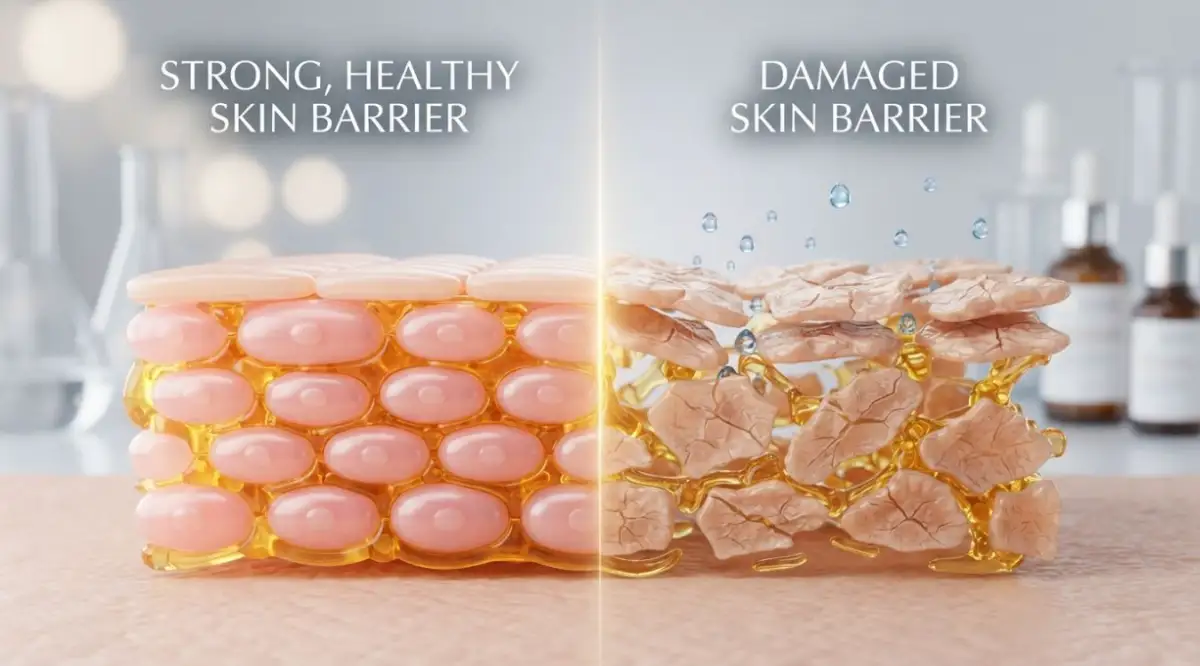
When this wall is strong, it keeps water trapped inside, making your face look plump and fresh. It also blocks out pollution, bad bacteria, and harsh weather conditions. But when we make common daily errors, we slowly chip away at that mortar.
Once the mortar is gone, the bricks fall apart. Water quickly escapes from your body, leaving you with extreme dryness and a dull appearance. At the same time, irritating things from the outside world rush right in, causing intense redness and painful breakouts.
Myth vs Reality: The "Squeaky Clean" Trap
Myth: If your face feels tight and squeaky clean after washing, it means you have successfully removed all the dirt.
Reality: That tight feeling is actually a major warning sign. It means you have completely stripped away your natural protective oils.
Many of us grew up thinking that oil is the enemy. We scrub our faces until they feel completely dry to the touch. This is one of the most common ways people accidentally ruin their natural defenses.
When you remove all the natural oil, your body panics. It goes into overdrive and produces even more oil to compensate for the extreme dryness. This creates a highly frustrating cycle of oily, yet completely dehydrated skin.
The Silent Destroyers: Habits You Need to Stop Today
Now that we know how the defense system works, let us look at the exact things breaking it down. You might be doing some of these things right now, thinking you are helping yourself.
1. The Danger of Over-Exfoliation
We all love the smooth feeling we get right after using a scrub or a chemical acid. It removes dead cells and leaves a highly polished surface behind. Because it feels so good, many people start doing it every single day.
Using strong acids like Glycolic or Salicylic acid on a daily basis is a massive mistake. Your face naturally sheds dead cells on its own, and it only needs a tiny bit of help. When you scrub away cells that are not ready to come off, you expose raw, unprotected layers.
Quick Cheat Sheet: What to Keep and What to Toss
| 🛑 Ditch These (For Now) | ✅ Look For These Instead |
| Salicylic Acid (BHA) | Ceramides |
| Glycolic Acid (AHA) | Hyaluronic Acid |
| Physical Walnut Scrubs | Centella Asiatica (Cica) |
| High-strength Retinol | Glycerin |
This leads to a highly sensitive, shiny, and almost plastic-looking forehead. If your face looks incredibly shiny but feels tight and dry, you have likely scrubbed your protective wall away. You must step away from the harsh scrubs immediately.
2. Washing with Steaming Hot Water
Taking a long, hot shower after a highly stressful day feels absolutely amazing. Standing directly under the steaming water helps relax your tired muscles. But letting that hot water hit your face directly is a terrible idea.
Hot water acts just like a grease-cutting dish soap on your natural lipids. It melts away the essential ceramides and fatty acids that keep your face hydrated. By the time you step out of the shower, your protective barrier is literally washed down the drain.
Instead, you should always wash your face with lukewarm or cool water at the sink. If you wash your face in the shower, turn the temperature all the way down first. This one simple temperature change can completely transform the health of your face.
3. Layering Too Many Strong Ingredients
The beauty industry wants you to buy a different serum for every single problem. You might have a Vitamin C serum for brightness, a Retinol for wrinkles, and an acne treatment for spots. Putting all of these strong chemicals on your face at the same time is a recipe for disaster.
These active ingredients are highly powerful and need to be respected. When you mix them together, they can create a harsh chemical reaction right on your cheeks. Your face simply cannot handle processing all that intense activity at once.
I actually learned this lesson the extremely hard way.
I used to slap on a strong acid toner, wait five minutes, and immediately rub in a heavy retinol cream. My face turned bright red, started peeling like a snake, and burned every time I stepped into the sun. My biggest realization was that doing less is actually the biggest secret to getting healthy results.
4. Skipping Moisturizer Because You Feel Oily
This is a massive trap that people with acne-prone faces fall into constantly. When you see shine on your nose, the last thing you want to do is add a heavy cream. You think a moisturizer will just clog your pores and create more pimples.
But remember the brick wall analogy we talked about earlier? When your skin is damaged and leaking water, it pumps out oil to try and protect itself. If you skip the moisturizer, you are leaving the wall completely broken.
You need to provide artificial hydration so your body can finally stop overproducing oil. A lightweight, water-based gel cream can provide the hydration you need without feeling heavy. Once your hydration levels are balanced, you will notice your face actually becomes much less oily over time.
5. Using Bare Hands and Dirty Towels
We rarely think about the tools we use to dry our faces every morning. You wash your face perfectly, but then you grab the exact same hand towel your entire family uses. That towel is covered in hidden bacteria, old dead cells, and leftover soap residue.
Rubbing a rough, dirty towel across a sensitive, damp face causes micro-tears in the surface. These tiny, invisible cuts allow bad bacteria to enter and cause massive inflammation. This is exactly why you might have unexplained breakouts on your cheeks and jawline.
Always gently pat your face dry with a perfectly clean, soft cloth or just let it air dry. Some people even buy cheap, single-use biodegradable face towels just to be completely safe. Treating your face as gently as a baby's skin is the best mindset you can possibly have.

How to Recognize a Broken Defense System
How do you know for sure if your barrier is already compromised? Your body gives you very clear, bold warning signs if you just know how to look for them. Paying attention to these signals can save you weeks of pain and frustration.
The first and most obvious sign is an intense stinging sensation when you apply basic products. If a plain, boring moisturizer makes your face burn, your shield is broken. Healthy skin does not react violently to basic hydration.
Another massive red flag is sudden, highly unusual texture changes. You might notice tiny, rough bumps appearing all over your forehead or cheeks that do not look like normal pimples. These are often signs of massive inflammation and irritation, not actual acne.
You might also notice that your face looks incredibly dull and gray, no matter how much sleep you get. Because the water is constantly evaporating out of your damaged surface, your face loses its natural bounce. Fine lines and wrinkles will suddenly look much deeper and far more noticeable.
If you experience any of these symptoms, you must hit the emergency brake on your routine. Stop using all your expensive anti-aging treatments and harsh spot treatments immediately. Your only goal right now is deep healing and intense protection.
The Blueprint: Rebuilding Your Skin from Scratch
Now that we have identified the hidden mistakes, it is time to focus entirely on recovery. Rebuilding your protective shield requires incredible patience and consistency. You cannot fix weeks of damage overnight, but you can see huge improvements in just a few days.
The very first step is to strip your routine down to the absolute bare minimum. We call this a "skincare diet," and it is incredibly effective. For the next two to four weeks, you are only allowed to use three basic things.
You need a highly gentle cleanser, a deeply repairing moisturizer, and a strong sunscreen. That is it. Put all your serums, masks, and toners in a drawer and do not look at them.
Pro Tip from my own painful mistakes: throwing all your expensive active serums in a drawer might feel like a massive step backward, but it is actually the fastest way to heal your face. I used to panic when I could not use my favorite treatments, but my biggest realization was that giving my face a true break brought my healthy glow back much faster than any product ever did.
Step 1: Switch to a Non-Foaming Cleanser
Those highly foaming cleansers that bubble up like shampoo are usually packed with harsh sulfates. These sulfates are amazing at cleaning grease off car engines, but terrible for your delicate face. You need to switch to a gentle, milk-based or cream-based cleanser immediately.
These milky cleansers do not lather much, which might feel very strange at first. You might think it is not working because there are no big bubbles. But they gently dissolve dirt and makeup while leaving your precious natural oils completely intact.
Wash your face only once a day, ideally at night, to remove the day's dirt and sunscreen. In the morning, just splash your face with plain, cool water to wake yourself up. This gives your face a much-needed break and allows it to repair itself in peace.
Step 2: Feed Your Face the Right Building Blocks
To rebuild the brick wall, you need to provide the right type of mortar. This means looking for very specific, highly healing ingredients on the back of your product bottles. The three most powerful ingredients for barrier repair are Ceramides, Cholesterol, and Fatty Acids.
Ceramides are naturally found in your skin, making up about fifty percent of your protective layer. When you apply a cream rich in ceramides, it acts exactly like liquid gold for damaged areas. It instantly patches up the holes and stops the massive water loss.
Another incredible ingredient to look for is Centella Asiatica, also known as Cica. This is a highly soothing plant extract that dramatically reduces bright redness and stops the itchy feeling. Applying a thick layer of a Cica-based cream before bed will accelerate your healing process overnight.
Step 3: Seal Everything In (The Slugging Method)
If you are feeling a little nervous about putting thick, greasy ointment all over your face, watch this quick visual guide to see exactly how to do it without clogging your pores. Check out this short breakdown before you try it tonight, and then keep reading below to discover how the air inside your own bedroom might be secretly ruining your progress!
If your face is extremely dry and peeling, a normal lotion might not be enough. You might need to create an artificial shield while your natural one is healing. This is where a highly popular technique called "slugging" comes in to save the day.
Slugging simply means applying a thin layer of a petroleum-based ointment over your moisturizer at night. Petroleum jelly acts as a completely waterproof roof over your face. It locks all the healing ingredients and moisture inside, forcing your skin to absorb them completely.
Myth vs. Fact: The Slugging Fear
Myth: Putting petroleum jelly on my face will give me massive acne breakouts.
Fact: Petroleum jelly molecules are actually too big to fit inside your pores! It does not clog them; it just sits on top like a band-aid so your broken skin can heal overnight. Just make sure your face is freshly washed before you try it.
You will look extremely shiny and greasy when you go to bed, which is completely normal. Just put an old towel over your pillowcase to protect it. When you wash it off in the morning, your face will feel incredibly soft, plump, and deeply hydrated.
Beyond The Basics: Expert Habits For Lasting Hydration
Seeing your face slowly calm down after days of intense burning is the best feeling in the world. You might notice the bright red patches fading and your cheeks finally feeling somewhat soft again. But getting your skin to stop hurting is only the very first part of this journey.
If you want to keep that healthy, bouncy glow permanently, you have to look beyond just the creams you put on your face. The secret to long-lasting hydration actually starts with the environment around you. The air inside your house might be secretly stealing moisture right off your cheeks while you sleep.
During the colder months, we naturally crank up the indoor heating to stay warm and comfortable. Air conditioners in the summer do the exact same thing to the air quality inside your bedroom. Both of these machines pull every single drop of humidity out of the room, leaving the air bone dry.
When the air is perfectly dry, it acts like a giant sponge looking for nearby water. It will literally suck the hydration right out of your face, a process doctors call transepidermal water loss. You can apply the thickest, most expensive moisturizers in the world, but dry air will still win the battle.
This is exactly why investing in a simple bedroom humidifier is an absolute game changer for sensitive faces. Having a cool-mist humidifier running next to your bed keeps the room moisture levels perfectly balanced. According to the American Academy of Dermatology's advice on relieving dry skin, adding moisture back into the air is one of the most effective ways to heal a broken surface overnight.
The Inside-Out Approach: Feeding Your Face
We spend so much time worrying about what we put on the outside, but we completely forget about the inside. Your body physically cannot build a strong protective wall if you do not give it the right building materials. You need to start thinking about your daily meals as your internal skincare routine.
Drinking eight glasses of water is great, but simply chugging water will not magically fix a broken barrier. Your body needs healthy fats to create that oily mortar that holds your skin cells together. If you are on a strict low-fat diet, your face will almost certainly become dry, flaky, and highly irritated.
You need to load your plate up with foods rich in Omega-3 fatty acids every single week. Things like fresh salmon, chia seeds, walnuts, and creamy avocados act like natural lubricants for your body. The experts at Harvard Health’s guide to skin nutrition explain that these healthy fats naturally reduce internal inflammation and keep your complexion looking beautifully plump.
Managing The Invisible Enemy: Cortisol and Stress
There is another massive factor that most beauty experts completely ignore when talking about hydration. When you are going through a highly stressful period in your life, your body pumps out a hormone called cortisol. High cortisol levels completely shut down your body's natural healing abilities.
When your body is panicked, it sends all its energy to your major organs and completely ignores your face. This is why you always break out or look extremely dull when you are feeling overwhelmed. Whether you are dealing with a terrible breakup or trying to figure out how to manage your personal finances after losing a job, that heavy mental stress directly destroys your protective shield.
You have to find tiny ways to bring your heart rate down and relax your mind before bed. Taking just ten minutes to read a book, stretch, or practice deep breathing can drastically lower your cortisol. When your mind feels completely safe and relaxed, your skin finally gets the signal that it is allowed to start repairing itself.

The Trap Of Temptation: Habits That Reset Your Healing
Healing a damaged face is an incredibly fragile process that requires extreme patience. You will inevitably reach a point where your face looks a little better, and you start getting highly impatient. This is the exact moment when most people completely ruin their progress and have to start all over again.
The Danger of the "Quick Fix" Mentality
When we are desperate to look better for an upcoming event, we start making terrible, impulsive decisions. You might see a random viral video promising that a homemade face mask will fix your texture overnight. So, you run to the kitchen, grab baking soda, lemon juice, and whatever else the video recommended.
Putting raw lemon juice or baking soda on a damaged face is literally like pouring battery acid on an open wound. Your skin naturally prefers a slightly acidic environment to keep bad bacteria away and stay healthy. According to the National Eczema Association's stance on skin pH levels, using highly alkaline household items completely destroys this delicate balance and causes severe chemical burns.
Instead of trusting random kitchen experiments, stick strictly to dermatologist-tested, gentle products. You do not need to buy twenty different things to see amazing results. In fact, learning how to create a realistic monthly budget and crush your debt is a great way to stop yourself from revenge-spending on useless, trendy beauty products out of pure frustration.
Returning to Strong Actives Too Early
Let us say you have been doing your gentle routine for two weeks and your face finally feels normal again. You look at that expensive bottle of highly concentrated Retinol sitting on your bathroom counter. You think, "My face feels fine now, I can probably use just a little bit tonight."
This is the biggest mistake you can possibly make during your recovery journey. Just because the bright redness is gone does not mean the microscopic cracks in your wall are fully closed. Introducing strong chemicals too early will instantly blast those cracks wide open again, sending you right back to day one.
You have to treat your skin exactly the same way you would treat a broken ankle. Just because the cast comes off does not mean you can immediately start running a marathon the next day. Earning back your healthy glow is a slow process; learning how to improve a low credit score before applying for a home loan requires the exact same level of extreme patience and consistent daily habits.
Skipping Sunscreen Because It "Feels Heavy"
When your face is already covered in breakouts and feels irritated, the last thing you want is a thick, greasy lotion. Chemical sunscreens often contain ingredients that can sting and burn a highly compromised face. Because of this terrible burning sensation, thousands of people choose to skip their morning sun protection entirely.
Walking outside with a broken moisture barrier and zero sun protection is incredibly dangerous. The sun's harsh UV rays easily penetrate your damaged surface, destroying the new cells your body is trying to build. The Skin Cancer Foundation's daily sun protection guide strictly warns that unprotected exposure deeply worsens inflammation, causes dark scarring, and massively delays the healing process.
If chemical sunscreens burn your face, you must switch to a pure mineral sunscreen immediately. Look for a tube that only lists Zinc Oxide or Titanium Dioxide as the active ingredients on the back. These minerals sit gently on top of your face like a physical shield, reflecting the sun away without causing any painful stinging.
Following Blind Advice Without Research
It is incredibly easy to blindly copy a routine from a gorgeous celebrity or a popular influencer online. You assume that if a certain scrub gave them perfect glass skin, it will do the exact same for you. But you have no idea what their actual skin type is, or what expensive treatments they get done at medical clinics.
Slapping random, highly powerful acids onto your sensitive cheeks just because someone else did it is very risky. It is very similar to knowing the truth about unsecured borrowing before you sign a bad contract; you need to understand the heavy consequences before you take the leap. Always patch-test a new product on your jawline for a few days before smearing it all over your entire face.
If you want to read more about making smart, long-term decisions for your daily lifestyle, you can always visit our main hub at techtopichub.com
Your Roadmap To A Resilient, Glowing Complexion
Fixing the hidden mistakes that damage your face does not require a magical, expensive miracle cream. It simply requires you to stop attacking your own face and let your body do what it knows how to do best. Your body desperately wants to heal itself; you just need to get out of its way.
By dropping the harsh scrubs, turning down the hot water, and switching to milky cleansers, you instantly stop the daily damage. When you add thick ceramides and seal them in at night, you provide the perfect environment for deep, cellular repair. Within just a few weeks, that tight, painful, shiny feeling will be completely replaced by soft, bouncing, deeply hydrated skin.
You will finally be able to wake up, look in the mirror, and feel genuinely proud of your reflection. You will not have to spend hours blending heavy concealers over dry patches just to leave the house. Best of all, your face will feel perfectly calm, comfortable, and strongly protected against whatever the day throws at you.
I know exactly how depressing and isolating it feels when your face constantly hurts and nothing seems to work. But I promise you, the day I finally threw away my harsh scrubs and started treating my skin with extreme kindness, everything changed for the better. You deserve to feel totally confident in your bare skin, and starting this gentle routine today is your first major step toward that freedom.
Real Questions From People Fixing Their Skin
How long does it actually take to repair a damaged barrier?
For minor damage and slight tightness, you can usually start feeling serious relief in about two to four weeks. However, if you have been heavily over-exfoliating for months, it might take up to three full months to completely rebuild that protective wall. Consistency is your best friend here, so do not give up if you don't see magic overnight.
Can I still wear my daily makeup while my face is healing?
You can absolutely wear makeup, but you need to be highly careful about how you take it off at night. Avoid heavy, matte foundations that dry down and require intense scrubbing to remove. Switch to a lightweight, hydrating skin tint, and use a gentle cleansing balm to melt it off without tugging your delicate cheeks.
Should I stop washing my face in the morning entirely?
Yes, skipping your morning cleanser is one of the best things you can do for a highly sensitive face. Your face does not get dirty while you sleep on a clean pillowcase. Simply splashing your face with cool water in the morning keeps your natural overnight oils completely intact.
Does drinking a gallon of water every day fix dry skin?
Drinking enough water is great for your overall internal organs, but it will not instantly hydrate a broken external barrier. If the "mortar" in your skin is missing, the water you drink will just easily evaporate right out of your face. You must use topical ceramide creams to physically trap that hydration inside where it belongs.
Why does my basic, gentle moisturizer suddenly sting my face?
When your protective shield is severely compromised, microscopic cracks expose the highly sensitive nerve endings underneath. Even the most boring, gentle water-based lotion will sting because it is touching raw, unprotected tissue. Once you use a thick healing ointment for a few days to close those tiny cracks, the burning sensation will completely stop.
Looking back now, the journey from having raw, hurting cheeks to soft, healthy skin taught me that doing less really is the best secret. You hold the power to completely turn your skin around starting tonight, so put down the harsh scrubs and give your face the gentle love it deserves right now. I promise you, waking up without pain and seeing your natural, beautiful glow again is worth every single second of this simple healing process!
Disclaimer: The information provided in this blog post is for educational and informational purposes only and does not constitute medical or dermatological advice. Everyone's skin type is completely unique, and what works for one person may not work for another. If you are experiencing severe pain, chronic acne, or persistent skin conditions, please consult a board-certified dermatologist or healthcare professional before changing your skincare routine.