
Staring at the Mirror: The Silent Battle of Adult Breakouts
Let’s be real—adult acne is just plain exhausting. You thought you left the bad skin days behind in high school, yet here you are, checking the bathroom mirror every morning for new red bumps on your chin. I completely get it. The frustration of trying a dozen different products just to wake up with another breakout is enough to make anyone want to give up. But I promise you do not need a complicated, twenty-step routine to fix this. Let me show you the simple nighttime habits that actually work.
My evening skincare routine felt more like a stressful chore than a relaxing habit. I would buy every new product that promised clear skin, scrub my face until it was red, and wake up the next morning only to find new spots waiting for me.
I distinctly remember skipping my best friend's birthday dinner just because a massive cluster of cystic acne had taken over my chin that morning. I sat on my bed crying, feeling like my own body had betrayed me after I spent so much time and money trying to fix it. It felt so incredibly lonely, and I honestly believed I would be stuck hiding my face forever.
I felt embarrassed to step out in natural sunlight. Heavy concealer became my best friend, but deep down, I knew it was only making the problem worse. The constant cycle of hoping a new product would work, only to be disappointed a week later, completely drained my confidence. I found myself canceling weekend plans simply because I did not want people looking at my skin.
If you are reading this right now, I know exactly how heavy that frustration feels. You are tired of waking up and immediately touching your chin to check for new bumps. You are exhausted from spending your hard-earned money on complicated routines that promise the world but deliver absolutely nothing.
Hormonal breakouts are tricky, stubborn, and deeply emotional. They do not just affect the surface of your skin; they mess with your head. The constant worry about what triggered today's breakout ruins your mental peace. You start questioning everything you eat, every product you touch, and every hour of sleep you miss.
But I am here to tell you that this exhausting cycle can end. You do not need twenty different bottles in your bathroom cabinet. You just need a gentle, science-backed approach that works with your skin's natural rhythm instead of fighting against it.

What You Will Learn Today:
- Why the "double cleanse" method is the secret to melting away pore-clogging dirt.
- How to use gentle chemical exfoliants to stop stubborn chin bumps from forming.
- Why avoiding face cream actually makes your skin much oilier during the day.
- The simple four-day "skin cycling" trick to heal your face without peeling or redness.
The Science of Nighttime Skin Healing
Before we jump into the exact steps of the evening routine, we need to understand what happens to our bodies when the sun goes down. Your skin is an incredibly smart organ. During the day, it acts as a shield, fighting off pollution, UV rays, and dirty air.
But at night, your skin switches into repair mode. While you sleep, your cell turnover rate speeds up. Blood flow increases, bringing oxygen and essential nutrients to the surface. This means whatever products you put on your face right before bed will sink in deeper and work much harder than they do in the morning.
When dealing with hormonal imbalances, our bodies often produce too much sebum (the natural oil our skin makes). This sticky oil mixes with dead skin cells and traps bacteria deep inside our pores. That is exactly how those deep, painful jawline bumps are born.
Our goal for the evening is simple. We need to clear the pathway, treat the inflammation gently, and give the skin enough hydration so it does not panic and produce even more oil. Let's break down exactly how to do that.
Myth vs. Fact: The Nighttime Skincare Trap
Myth: You should let your face "breathe" at night without applying any products.
Fact: Your skin does not have lungs! Nighttime is actually when your face loses the most water. If you skip your moisturizing routine, your body panics and pumps out extra oil to make up for the dryness, which leads to even more clogged pores by morning.
Phase 1: Melting Away the Daily Damage
Most people think washing their face is just about splashing some water and rubbing soap around for ten seconds. That is one of the biggest mistakes you can make when fighting angry skin.
Throughout the day, a thick layer of sunscreen, makeup, sweat, and city pollution builds up on your face. Water alone cannot break down these oily substances. If you try to put expensive serums on top of a dirty canvas, they will just sit on the surface doing nothing.
The Oil Cleansing Step
To effectively clean your skin, you need to use an oil-based cleanser or a cleansing balm first. It sounds scary to put oil on a breakout, but remember basic science: oil dissolves oil.
Take a small scoop of the cleansing balm and massage it into your dry skin. Spend at least sixty seconds working it around your jawline, your nose, and your forehead. You will literally feel the tiny plugs of hardened oil loosening up under your fingertips. This process is so relaxing and helps break down the day's stress.
The Gentle Water Wash
Once the makeup and sunscreen are melted, rinse the oil away with lukewarm water. Now, follow up with a gentle, water-based cleanser. This is the second part of the double-cleanse method.
Look for a foaming or gel wash that is completely free of strong fragrances. Massage this into your wet skin for another sixty seconds. This step removes any leftover residue from the cleansing balm and cleans deep inside the pores.
When you pat your face dry with a clean towel, your skin should feel soft and bouncy. If it feels tight, squeaky, or dry, your cleanser is too harsh. Throw it away immediately.
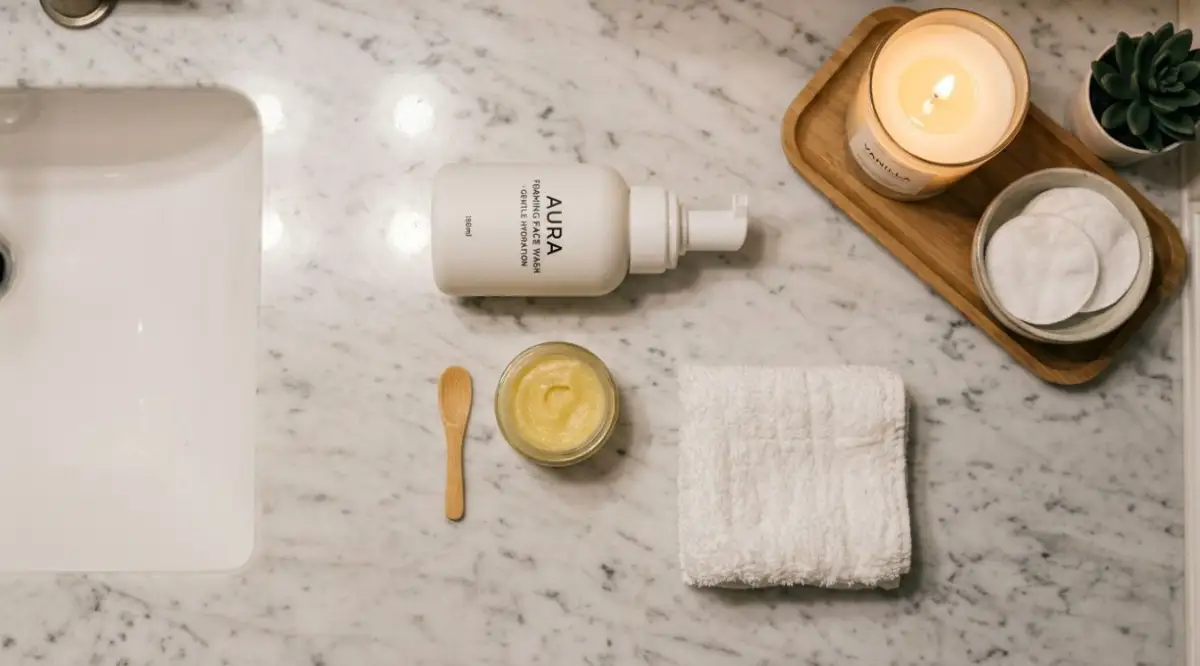
Phase 2: Targeted Exfoliation (The Magic Step)
Now that your canvas is completely clean, it is time to treat the root cause of the breakouts. Hormonal bumps live deep under the surface, so physical scrubs with rough beads will not reach them. In fact, scratching your skin with harsh scrubs will only spread the bacteria and make the redness much worse.
Instead, we turn to chemical exfoliants. Do not let the word "chemical" scare you. These are natural acids that gently unglue the dead skin cells blocking your pores.
Salicylic Acid (BHA)
Beta Hydroxy Acid, commonly known as Salicylic acid, is an absolute hero for congested skin. Because it is oil-soluble, it can push past the sebum on your face and travel directly inside the pore. Once inside, it cleans out the trapped dirt and reduces the angry swelling of the pimple.
Apply a few drops of a 2% BHA liquid onto a cotton pad and gently swipe it over your problem areas. You do not need to use this all over your face if your forehead and cheeks are clear. Just focus on the jawline and chin where the hormones usually strike.
Pro Tip for Happy Skin: When I first discovered BHA, I got too excited and used it every single night. Within a week, my skin was peeling, bright red, and breaking out even more! I quickly realized that treating your skin is a marathon, not a sprint. Now, I only use exfoliating acids two or three times a week. On the other days, I let my skin rest. Less is truly more.
A Quick Comparison: Picking Your Treatment
Phase 3: Hydration and Barrier Protection
There is a huge myth in the beauty community that oily, acne-prone skin should be dried out. People think applying heavy creams will cause more pimples. This is completely false.
When you skip moisturizer, your skin starts losing water rapidly. Your brain senses this dryness and sends an emergency signal to your oil glands. The glands then overcompensate by pumping out massive amounts of thick, sticky oil to protect the face. This creates the perfect environment for new breakouts to form overnight.
For the longest time, my biggest mistake was avoiding face creams because I was terrified they would make my oily chin even worse. I finally realized that skipping hydration was the exact reason I kept waking up with a greasy face and angry new spots.
Building Your Moisture Wall
Think of your skin barrier as a brick wall. The skin cells are the bricks, and the lipids (fats) are the mortar holding them together. When you use acne treatments, you can accidentally damage this mortar. We need to rebuild it every single night.
Look for a moisturizer packed with specific healing ingredients. Ceramides are fantastic because they naturally occur in your skin and help seal in moisture. Glycerin is another powerhouse ingredient that grabs water from the air and pulls it into your face.
Apply a medium layer of your chosen moisturizer while your skin is still slightly damp. This traps the water on the surface, keeping you hydrated for hours.
If you have a particularly angry, red cyst, you can apply a tiny dot of pimple cream right on top of your moisturizer. This creates a buffer so the treatment does not burn the surrounding healthy skin.
Phase 4: Setting the Stage for Healing
Your routine does not end when you leave the bathroom. The environment you sleep in plays a massive role in how your face looks the next morning.
First, let's talk about your pillow. You spend eight hours a night pressing your face into fabric. If you are using a regular cotton pillowcase, it is absorbing your sweat, your hair oils, and your expensive skincare products. Cotton also creates friction, which irritates active pimples.
Switching to a silk or satin pillowcase is a game-changer. These smooth materials allow your face to glide across the surface without tugging. Plus, they do not absorb your nighttime creams, meaning the products stay on your face where they belong.
You also need to wash that pillowcase at least twice a week. Try to use a gentle, fragrance-free laundry detergent. Strong perfumes in washing powders can easily transfer to your cheeks and cause tiny, itchy bumps that look just like hormonal acne.
Quick Look: Cotton vs. Silk Pillowcases
| Feature | Standard Cotton | Pure Silk |
| Friction Level | High (rubs and irritates active pimples) | Very Low (glides smoothly over your face) |
| Product Absorption | High (steals your expensive night creams) | Low (keeps your skincare exactly where it belongs) |
| Bacteria Buildup | Traps sweat and dead skin cells quickly | Naturally cleaner and more breathable |
Understanding the Waiting Game
One of the hardest parts about starting a new routine is having patience. We live in a world where we expect instant results. We want to apply a magic cream on Monday and wake up with glass skin on Tuesday.
Skin simply does not work that way. A full cycle of skin cell turnover takes about twenty-eight days. This means any new routine you start tonight will not show its true results for at least a month.
During the first two weeks, you might even notice a process called "purging." Because you are using exfoliating acids, the skin starts pushing all the hidden dirt to the surface faster than usual. You might get a few extra pimples. Do not panic and do not throw your products away. This is a sign that the routine is actually working.
Stay consistent. Perform this evening ritual every single night. Turn it into a moment of self-care rather than a chore. Light a candle in the bathroom, play some soft music, and take your time massaging your face. Stress spikes your cortisol levels, which directly causes more oil production. By turning your routine into a relaxing escape, you are actually fighting hormonal breakouts from the inside out.
Mastering Your Skin’s Natural Rhythm: Next-Level Healing
Once you have the basic steps down, it is time to look at the bigger picture. Clearing your face is not just about what you put on it right before bed. It is also about how you treat your body throughout the day and how you prepare your mind for sleep.
The connection between your brain and your skin is incredibly powerful. When you are constantly worrying about life, your body goes into survival mode. This panic state floods your system with cortisol, the infamous stress hormone.
High cortisol directly tells your oil glands to go into overdrive. It also slows down your body's natural healing process, meaning a small pimple takes weeks to disappear instead of days. This is why managing your mental load is actually a top-tier skincare secret.
We also see people maxing out their credit cards on luxury laser treatments because they feel desperate for a cure. Before you make an emotional purchase, understanding the truth about unsecured borrowing is essential. You truly do not need to go into heavy debt to achieve a glowing complexion.
Major life milestones, like buying a house, can also wreck your face. The anxiety of meeting bank requirements is enough to trigger a massive flare-up. Knowing how to improve a low credit score before applying for a home loan takes a huge burden off your shoulders. When you remove that background stress, your nighttime serums can actually do their job properly.
The Concept of Skin Cycling
"If you are still a little confused about which products to apply on certain days, watch this amazing visual guide that completely breaks down the skin cycling method for beginners. Check out the video below to see the exact routine in action, and then keep reading to find out how your water temperature might be ruining your progress!"
Have you ever noticed your face looking worse when you use your treatments every single day? That is because active ingredients can easily exhaust your skin barrier. To prevent this, top dermatologists recommend a smart routine called "Skin Cycling."
Think of skin cycling like a workout plan for your face. You would not train your leg muscles every single day without a break, right? Your skin works the exact same way.
On night one, you use your exfoliating liquid (like a BHA) to sweep away the dead cells. On night two, you might use a treatment like retinol to speed up cell turnover. Then, nights three and four are purely for recovery and deep hydration.
During these recovery nights, you skip all the strong acids. You only use your gentle cleanser and your thickest, most comforting moisturizer. According to research from the American Academy of Dermatology on adult acne management, giving the barrier time to rest drastically reduces irritation and redness.
This simple four-day rotation completely changes the game. It allows you to get all the amazing benefits of strong ingredients without the nasty side effects of burning or peeling.
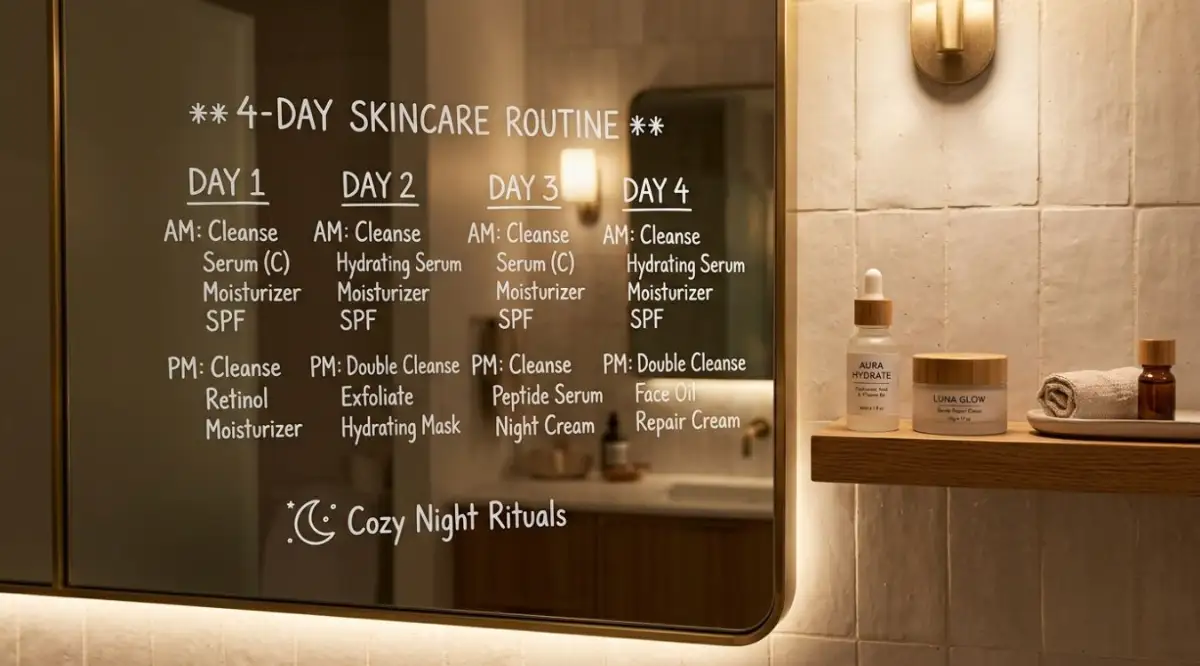 Watch Your Water Temperature and Towels
Another massive secret lies right in your bathroom sink. Many people love washing their faces in the shower with steaming hot water. This feels amazing, but it is an absolute disaster for inflamed breakouts.
Hot water strips away all your natural, healthy oils. This leaves your face completely unprotected and painfully dry. Always adjust the tap to a lukewarm, comfortable temperature before letting water touch your face.
Next, we need to talk about your bathroom towel. The hand towel hanging next to your sink is likely filled with invisible bacteria. Every time you dry your clean face with it, you are wiping old germs right back into your fresh pores.
Invest in a stack of cheap, soft baby washcloths. Use a fresh one every single night to gently pat your face dry. Throw it in the laundry basket immediately after. This one tiny habit change has cleared up stubborn chin bumps for so many people.

The Nighttime Traps Ruining Your Progress
Even with the best products in the world, a few bad habits can completely sabotage your healing journey. When we feel desperate for clear skin, we often do things that make the situation ten times worse. Let's walk through the most dangerous pitfalls you need to dodge.
The Midnight Mirror Picking Habit
This is a story almost everyone knows too well. You finish brushing your teeth, lean close to the bathroom mirror, and spot a tiny white bump. You promise yourself you will just squeeze it lightly.
Twenty minutes later, your face is swollen, bleeding, and covered in angry red marks. Late-night picking is the absolute worst thing you can do for hormonal issues. When you squeeze a deep cystic bump, you are actually pushing half the infection deeper down into the skin tissue.
This deep trauma causes massive inflammation. What could have been a small bump that fades in three days now becomes a dark brown scar that lasts for six months. Step away from the magnifying mirror entirely. Your face looks completely normal from a regular talking distance.
The Chemistry Experiment Gone Wrong
When dealing with a massive flare-up, the natural reaction is to attack it with everything you have. You layer salicylic acid, followed by vitamin C, and top it off with a strong acne cream. You think the tingling sensation means it is working.
In reality, that burning feeling is your skin screaming for help. Mixing too many active ingredients creates a chemical reaction that literally melts your protective moisture barrier. When that protective wall breaks, bacteria easily flood in, causing an explosion of new pimples the very next day.
Stick to one active treatment per night. If you applied an exfoliating acid, put the acne cream back in the drawer. A calm, hydrated face heals so much faster than an angry, chemically burned one. Research published by the National Institutes of Health highlights how barrier impairment is a primary driver of recurring inflammatory skin conditions.
Skipping the Last Step out of Fear
We touched on this earlier, but it is a trap that catches so many people. If your face feels greasy at bedtime, you might decide to skip your moisturizer altogether. You think letting your face "breathe" and dry out overnight will shrink the pimples.
Your skin does not have lungs; it does not need to breathe air. It needs water and lipids to function. When you sleep with a bare, dry face, water evaporates directly into the air.
You will wake up with a face that feels tight but looks incredibly shiny. That oil slick is your body panicking and overproducing sebum. Always lock your routine in with a lightweight, soothing lotion, no matter how oily you feel.
Over-Worrying the Small Details
Stress is a silent killer for your confidence. Obsessing over every single pore or reading complex financial documents late at night keeps your brain wired. For instance, constantly worrying about how a debt-to-income ratio affects your mortgage approval chances can ruin your sleep cycle.
A lack of deep sleep prevents your skin cells from regenerating. According to experts at Harvard Medical School exploring the mind-skin connection, psychological stress directly delays the healing of wounds, including picked pimples. Give yourself permission to disconnect from adult worries at least an hour before bed.
Your Action Plan for Tomorrow Morning
Clearing hormonal bumps is a journey of consistency, not a race. You now have a complete understanding of how to treat your face gently and effectively. You know how to melt away the day's grime without stripping your natural oils.
You also understand the magic of targeted exfoliation and the absolute necessity of building up your moisture barrier. Remember that true healing happens quietly over weeks, not overnight.
Start tonight by simply simplifying your routine. Put away the harsh scrubs and the ten-step product lineups. Focus entirely on cleansing well, treating gently, and hydrating deeply.
Pay attention to your stress levels and your sleep environment. Swap out that old pillowcase and stop examining your pores closely in harsh lighting. Treat your skin like you would treat a good friend going through a tough time—with extreme patience and kindness.
I know how exhausting it feels to hide your face, because I spent years doing exactly that. But the moment I stopped fighting my skin and started listening to what it actually needed, everything shifted. You have the knowledge and the right tools now; just take a deep breath, trust the process, and watch your natural glow come back.
Common Questions About Managing Nighttime Breakouts
How long does it take to see results from a new routine?
Skin cell turnover takes about twenty-eight days to complete a full cycle. You should expect to see true, lasting changes after sticking to your routine for about four to six weeks. Be patient and do not switch products every few days.
Can I use retinol and salicylic acid on the same night?
Absolutely not. Mixing these two powerful ingredients on the same night will lead to severe redness, burning, and peeling. Use them on completely different nights following the skin cycling method to keep your face happy.
Does drinking water before bed help clear my face?
Staying hydrated is wonderful for your overall health, but drinking a gallon of water will not magically erase hormonal bumps. Skincare products handle the surface issues, while healthy lifestyle habits support your body from the inside.
Should I pop a ripe whitehead before I go to sleep?
It is always best to leave it alone, but if it is truly ready to burst, do it safely. Wrap your fingers in clean tissue, press very gently, and immediately apply a pimple patch over the spot. The patch will suck out the remaining fluid overnight and prevent bacteria from spreading.
Why do I only get breakouts along my jawline and chin?
Jawline and chin pimples are the classic signature of hormonal imbalances. The oil glands in this specific area are highly sensitive to hormones like androgens. When these hormones spike, the lower half of your face produces thicker oil, leading to those deep, painful cysts.
Looking back now, I am so grateful I finally stopped stressing and just gave my skin the gentle care it actually needed. You have the power to turn your skin journey around starting tonight, so grab a fresh washcloth and enjoy the process. Your future glowing self will thank you for taking this first step!
Disclaimer: The information provided in this article is for educational and informational purposes only and does not constitute medical advice. Skincare is highly individual, and what works for one person may not work for another. Always consult with a board-certified dermatologist or healthcare provider before starting any new treatments or if you are dealing with severe, painful acne. The financial concepts discussed are for general guidance and should not replace professional financial consultation.