My Journey to a Calm Heart: Small Steps to Lower Your Numbers
I spent months staring at my blood pressure monitor, watching the numbers climb while my heart raced with pure anxiety. I felt like a ticking time bomb, and every "healthy" tip I read felt like a chore. But here is the truth I found: you don’t need to be an athlete or eat boring food to save your life. I managed to get my health back by making simple, common-sense swaps that didn't make me feel miserable. Let’s talk about how you can do the same starting today.
You do not have to live in fear of those high numbers forever. Making small, smart changes to your daily habits can have a massive impact on your heart health over time.
You do not need to flip your entire life upside down in a single day. Let us explore some highly effective, science-backed steps you can easily add to your normal routine starting right now.
Quick Guide: Your Heart Health at a Glance
If you are in a hurry, here are the most important points I’ve learned about lowering your numbers:
- Salt is Hidden: 70% of the salt you eat comes from packaged food, not your salt shaker.
- Walking Wins: A 10-minute walk after lunch is better than a 1-hour gym session you hate.
- Breath is Medicine: Using the 4-7-8 breathing method twice a day can lower your stress hormones.
- Potassium is the Hero: Eat more bananas and spinach to help your body flush out extra salt.
The Sneaky Salt Trap and How to Avoid It
Most of us know that eating too much salt is bad for our hearts. But the biggest problem is not the salt shaker sitting on your dining table. The real danger hides in processed foods, restaurant meals, and even everyday items like bread and sauces.
To fix this, start by reading food labels when you go grocery shopping. Look for the phrase "low sodium" or check the back panel to see the exact numbers. You will be shocked to see how much salt is hiding in your favorite ketchup or canned soup.
Instead of salt, try using natural herbs and spices to give your food a massive flavor boost. Garlic powder, onion powder, fresh lemon juice, and black pepper can make your meals taste amazing without raising your numbers.
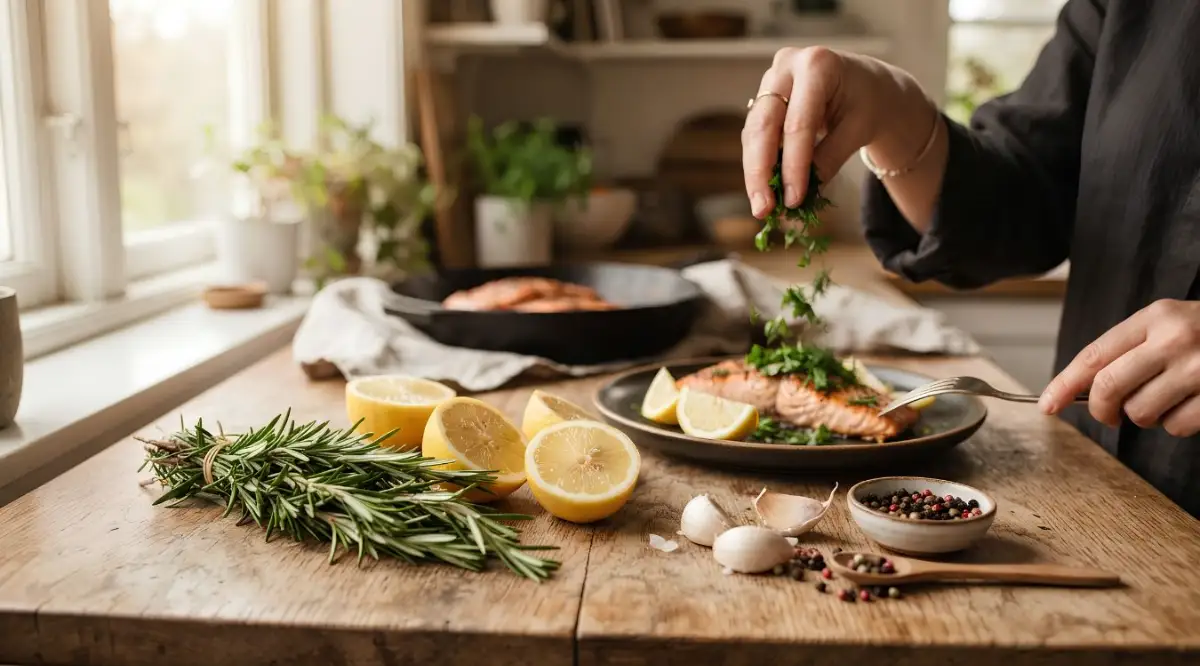
Pro Tip: I used to think eating healthy meant eating completely boring, tasteless food. My biggest mistake was cutting out salt instantly without adding any other spices, which made me hate my diet within three days. Once I started cooking with fresh garlic, cumin, and a squeeze of lemon, I realized I did not even miss the extra salt!
Smart Food Swaps for a Happier Heart
Making better choices does not mean you have to starve yourself. You just need to know which foods to swap out. Here is a simple comparison to help you make better decisions at the grocery store:
Moving Your Body Without Feeling Exhausted
When you feel tired all the time, the last thing you want to do is hit the gym. But regular movement is one of the most powerful tools you have to lower the pressure inside your blood vessels.
When you exercise, you are actually training your heart to become stronger and more efficient. A strong heart can pump more blood with a lot less effort. When your heart works less hard, the pressure on your arteries naturally drops.
You do not need to run a marathon or lift heavy weights to see results. Simple, consistent movement is the key to success. Walking is perhaps the easiest and best exercise for beginners.
Try to aim for a brisk 30-minute walk every single day. If you cannot do 30 minutes all at once, break it up into three small 10-minute walks after your main meals. Walking after eating actually helps your body digest food better and keeps your blood sugar stable.
Sneaking Movement Into a Busy Schedule
Finding time to exercise can be tough when you have a full-time job and family duties. That is why you need to find clever ways to move without calling it a formal "workout."
Park your car a little farther away from the store entrance so you are forced to walk a bit extra. Take the stairs instead of the elevator whenever you only need to go up one or two floors. If you work at a desk all day, set a timer to stand up and stretch for five minutes every single hour.
These tiny moments of movement add up significantly by the end of the day. They help keep your blood flowing smoothly and prevent your arteries from becoming stiff.
The Hidden Impact of Daily Stress
We rarely talk about how heavily our mental state affects our physical health. When you are constantly stressed, your body goes into "fight or flight" mode. This means your brain releases a flood of stress hormones like adrenaline and cortisol.
These hormones make your heart beat much faster and cause your blood vessels to narrow down. If you are stressed every single day, your blood vessels stay narrow, keeping your blood pressure dangerously high.
Learning to manage your stress is just as important as watching your diet or going for a walk. You have to find a way to tell your brain that you are safe and that it is okay to relax.
The Power of Deep, Intentional Breathing
One of the fastest ways to turn off your body's stress response is through deep breathing. When you take slow, deep breaths, you activate your parasympathetic nervous system, which is your body's natural "chill out" button.
You can try a very simple technique called the 4-7-8 method. Sit in a comfortable chair and breathe in quietly through your nose while counting to four in your head. Hold that breath in your lungs while you count to seven.
Finally, exhale completely through your mouth, making a gentle "whoosh" sound, for a full count of eight. Repeat this cycle four times in a row. Doing this twice a day can significantly lower your resting heart rate and calm your racing mind.
If you feel a little confused about how to do this breathing trick properly, watch this short video below to see exactly how it is done. Try following along for just two minutes right now, and then keep reading to find out how changing your sleep habits can naturally heal your heart!
The 2-Minute "Emergency Calm" Routine
If you feel your heart pounding because of a stressful email or a bad phone call, do this immediately. I do this at my desk, and no one even notices:
- The 2-Second Sip: Drink a small glass of cool water slowly.
- The Shoulder Drop: Pull your shoulders up to your ears, hold for 3 seconds, and then let them drop completely.
- The Grounding Look: Name three blue things you see in the room right now.
- This forces your brain to stop the "fight or flight" mode instantly.
Fixing Your Sleep to Heal Your Heart
Many people completely ignore their sleep habits when trying to fix their health. But sleep is the time when your body does all of its repairing and healing.
During normal, deep sleep, your blood pressure naturally goes down, giving your heart a much-needed break. If you toss and turn all night, or only get five hours of sleep, your heart never gets that essential resting period. Over time, this lack of rest keeps your daytime numbers way too high.
To get better sleep, you need to create a calming bedtime routine. Stop looking at your phone or watching television at least one hour before you plan to sleep. The blue light from your screens tricks your brain into thinking it is still daytime, keeping you wide awake.
Try reading a physical book, taking a warm shower, or listening to some relaxing music instead. Keep your bedroom cool, dark, and as quiet as possible to tell your body it is time to shut down for the night.
Changing Your Relationship with Caffeine and Alcohol
We all love a good cup of coffee to kickstart the morning. But if you are struggling with high numbers, you need to pay close attention to how caffeine affects you.
Caffeine can cause a short, but very sudden, spike in your blood pressure right after you drink it. For some people, this spike lasts for hours and puts unnecessary strain on their blood vessels. Try limiting yourself to just one cup of coffee a day, and always drink it before noon.
If you really need a warm drink in the afternoon, try switching to herbal teas like chamomile or hibiscus. Hibiscus tea, in particular, has been shown in some studies to naturally support healthy blood flow without any jittery side effects.
The same rule of moderation applies to alcohol. Drinking too much alcohol can damage the walls of your blood vessels over time. If you do choose to drink, keep it to a very minimum to protect your long-term heart health.
Adding Heart-Superfoods to Your Plate
Instead of only focusing on what you need to cut out, think about all the amazing foods you can add to your diet. Foods rich in potassium are your heart's best friend.
Potassium acts like a natural counter-attack against sodium in your body. The more potassium you eat, the more sodium you lose through your urine. Potassium also helps ease tension in your blood vessel walls, which directly lowers your overall pressure.
Bananas are the most famous source of potassium, but they are definitely not the only option. Spinach, sweet potatoes, avocados, and white beans are all packed with this amazing mineral. Try throwing a handful of spinach into your morning eggs or adding some avocado slices to your lunch.
Berries are another fantastic addition to your daily meals. Blueberries and strawberries contain special compounds called flavonoids, which help relax your blood vessels. Snacking on a bowl of fresh berries instead of sugary candy is a sweet way to take care of your body.
Myth vs Reality: Understanding Your Condition
There is a lot of confusing information out there about heart health. Let us clear up some common misunderstandings so you can make confident choices.
Myth: If my blood pressure is high, I will definitely feel sick or get a headache.
Reality: This condition is often called the "silent killer" because most people feel completely normal. You can have dangerously high numbers for years without ever showing a single symptom. That is why checking it regularly with a home monitor is so incredibly important.
Myth: I only need to eat healthy when I am older; my youth will protect me.
Reality: Poor habits in your twenties and thirties build up silently over time. Damage to your blood vessels starts early, making it much harder to fix later in life. Starting good habits today is the best insurance policy for your future self.
Myth: Since it runs in my family, there is nothing I can do to stop it.
Reality: Genetics do play a role, but your lifestyle choices act like a switch that turns those genes on or off. Even with a strong family history, eating well and staying active can keep your numbers in a safe, healthy range.
Staying Consistent When Motivation Drops
The hardest part about changing your lifestyle is staying consistent when life gets busy. There will be days when you miss your walk or eat a heavy, salty meal at a restaurant.
Do not beat yourself up or feel like you have ruined all your progress. Health is not about being absolutely perfect every single minute of the day. It is about what you do most of the time, on average, over a long period.
If you have a bad day, just drink plenty of water and get back on track the very next morning. Find a friend or family member who can hold you accountable and join you on this journey. Taking care of your heart is a lifelong commitment, and every small, positive choice you make truly matters.
Next-Level Habits to Keep Your Heart Pumping Smoothly
Let us talk about some hidden secrets that most doctors simply do not have the time to explain during a quick fifteen-minute checkup. Once you master the basic diet and exercise habits, you can take things a step further to truly protect your body. One incredible trick involves the morning sunlight and how it beautifully interacts with your bare skin.
When early morning sunlight touches you, your body naturally produces a special compound called nitric oxide. This amazing little compound travels directly into your bloodstream and acts as a powerful, natural muscle relaxer for your blood vessels. Research from the National Institutes of Health explains how sunlight lowers blood pressure by expanding your arteries. You do not need to sit outside for hours to get this amazing benefit. Just spending ten or fifteen minutes drinking your morning tea on the balcony can gently ease the tension inside your arteries.

Another massive secret involves how you handle your daily hydration. Many people think drinking gallons of plain water is the ultimate health hack for flushing out excess salt. But if you drink too much plain water without getting enough essential minerals, you actually flush out the good electrolytes your heart desperately needs to function properly.
Instead of just chugging plain bottled water, try adding a tiny pinch of high-quality sea salt or eating water-rich foods like cucumber and watermelon. This ensures your body absorbs the hydration deeply into your cells rather than just passing it straight through your kidneys. Your heart functions at its absolute best when your blood volume is perfectly balanced with natural, healthy minerals.
The Surprising Link Between Your Wallet and Your Heart
This is exactly why taking control of your medical finances is a brilliant, unconventional way to lower your physical stress. By taking the time to master and understanding health deductibles and co-pays, you completely remove a massive weight off your shoulders. Knowing exactly what your insurance covers means you will not get a sudden, heart-racing panic attack when a medical bill arrives in the mail.
Creating a solid financial safety net does absolute wonders for your resting heart rate and overall peace of mind. You can easily start building an emergency fund without ignoring your debt by setting aside just a few small dollars a week. When you know you have cash saved up for a rainy day, your brain naturally stops pumping dangerous stress hormones directly into your bloodstream.
Caring for Your Second Brain
Finally, you must pay close attention to your gut health and the microscopic bacteria living right inside your stomach. Modern science shows that a happy stomach directly communicates with your heart through a massive communication line called the vagus nerve. When your stomach is highly inflamed from eating junk food, that inflammation travels straight to your blood vessels.
Eating naturally fermented foods like plain yogurt, kimchi, or kefir feeds the good bacteria in your digestive system. These good bacteria produce special fatty acids that actively help reduce overall swelling and stiffness inside your arteries. Harvard Medical School outlines the gut-heart connection, showing just how powerful a simple bowl of yogurt can be. A calm, well-fed stomach leads directly to a calm and smoothly operating cardiovascular system.
Dangerous Traps That Quietly Sabotage Your Progress
Now, let us walk through the incredibly common traps that quietly ruin all your hard work without you even realizing it. The absolute biggest mistake I see people make is adopting the "all or nothing" mindset when it comes to their new lifestyle. They suddenly throw away every single snack in their pantry, force themselves to run five miles a day, and completely burn out by the weekend.
This kind of extreme behavior actually causes significantly more harm than good to your poor body. Sudden, intense physical exhaustion mixed with extreme dieting shocks your nervous system and spikes your stress levels wildly. Consistency will always beat pure intensity when you are actively trying to heal your body from the inside out.
Another incredibly dangerous pitfall is totally ignoring the highly toxic environments in your daily life. You can eat all the fresh, organic spinach in the world, but if you go to a job every day that makes you feel terrified, your heart will eventually suffer. Chronic workplace anxiety, especially if you are facing deeply unfair treatment, keeps your blood vessels squeezed tight for eight straight hours.
If you are dealing with a terrible boss or a highly hostile office environment, you cannot simply breathe your way out of the problem. You might need to take actual, legal steps to protect your mental health, like documenting workplace discrimination before seeking legal help. Standing up for yourself and actively planning an exit strategy is a powerful form of self-care that physically protects your heart.
The Obsessive Tracking Trap
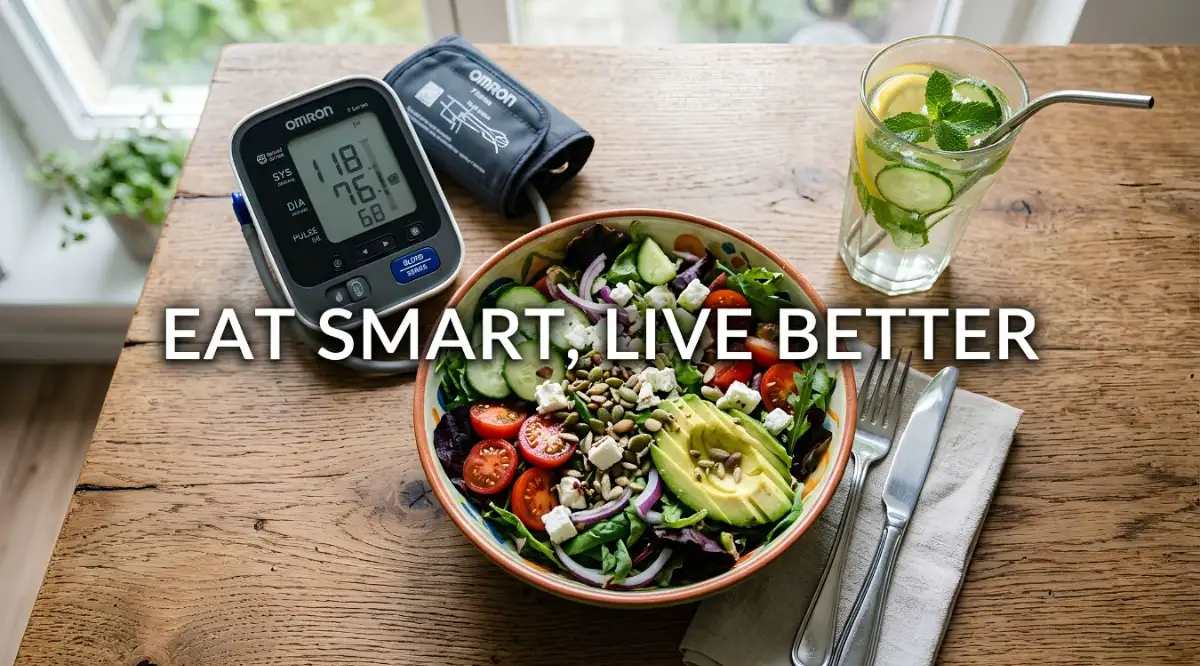
We also need to talk about the huge danger of becoming overly obsessed with your home monitor. Checking your numbers is definitely a good thing, but checking them six or seven times a day will completely destroy your mental peace. Your numbers naturally go up and down throughout the day based on your digestion, your movement, and even your thoughts.
When you obsessively stare at the screen and see a slightly high number, you immediately feel a wave of anxiety. This fresh anxiety causes your next reading to be even higher, trapping you in a never-ending cycle of fear and high pressure. Try to limit yourself to checking just once in the morning and once in the evening to maintain your sanity.
I actually used to check my home monitor five times a day, and every time the number was a little high, my panic would instantly make the pressure even worse. I finally realized that putting the monitor away and only checking it once a morning gave me so much more peace of mind.
Falling for Fake Health Foods
People also fall into the tricky trap of blindly trusting "healthy" labels at their local grocery store. Many food companies cleverly label their products as "low fat" or "diet-friendly," but they secretly load them up with massive amounts of artificial sugar. They do this simply to make the boring food taste somewhat decent without the fat.
Eating too much added sugar forces your body to produce an enormous amount of excess insulin. This extra insulin thickens your blood and makes it incredibly difficult for your heart to pump smoothly. The Centers for Disease Control and Prevention warns against hidden sodium and sugar in overly processed meals. Always read the ingredient list on the back of the box, not just the flashy marketing on the front.
Lastly, the absolute worst mistake you can make is stopping your new, healthy habits just because you feel a little better. This condition is highly sneaky because you usually cannot feel the internal damage happening. The moment you see a good, steady number on your home monitor, you might be tempted to order a massive pizza and totally skip your daily walk.
Healing your body is a lifelong journey, not a short-term school project with a definitive end date. If you slowly go back to your old, unhealthy habits, those dangerous numbers will silently creep right back up to the danger zone. You absolutely have to build a balanced lifestyle that you actually enjoy so you never feel the sudden urge to completely quit.
Your Personal Blueprint for a Healthier Tomorrow
We have covered a lot of important ground today, and I know it might feel a little overwhelming to process everything at once. But please remember, you are totally capable of turning your health around without making your daily life miserable. The real secret is simply layering very small, positive habits on top of each other as the months go by.
Start your morning routine with a full glass of water and a few minutes of quiet, deep breathing before ever looking at your phone. Try to swap out just one heavily processed snack a day for a fresh piece of fruit or a handful of unsalted almonds. Whenever you feel deeply overwhelmed by your daily tasks, step outside and let the sunlight gently hit your face for a quick mental reset.
You do not need to become a professional marathon runner or a perfect vegan to see amazing results on your home monitor. You just need to show up for yourself a little bit more every single day and make slightly better choices. Celebrate your small victories, like happily cooking a nice dinner at home instead of ordering highly greasy takeout.
My own journey taught me that true healing physically starts the exact moment you stop treating your body like a broken enemy. I promised myself I would never let fear or poor health dictate my daily joy again, and taking these small steps completely gave me my life back. You absolutely deserve to wake up every single morning feeling safe, energetic, and fully in control of your own amazing health.
Answers to Your Biggest Questions About Lowering Your Numbers
Can drinking a big glass of water quickly lower my numbers?
Drinking a glass of water will not instantly fix a major medical spike, but staying properly hydrated does help thin your blood over time. When you are severely dehydrated, your body aggressively holds onto hidden sodium, which naturally forces your pressure to go up. Keep a nice reusable water bottle near your desk to easily maintain a steady flow of hydration all day long.
How long does it actually take to see a real difference?
If you strictly stick to a low-sodium diet and walk daily, you can actually see positive changes on your home monitor in just a few short weeks. However, true, long-lasting healing inside your blood vessels definitely takes a few months of consistent effort. Be incredibly patient with your body and do not get easily discouraged if the numbers fluctuate wildly in the very beginning.
Does eating sweet foods affect my heart as much as eating salt?
Yes, eating way too much refined sugar is incredibly dangerous for your overall cardiovascular system. Excessive sugar causes major swelling inside your arteries and makes your body highly resistant to natural insulin. This awful combination makes your blood vessels very stiff and forces your heart to work extremely hard just to move blood around.
Is simple walking better than lifting heavy weights for this issue?
Both are fantastic for you, but brisk aerobic exercises like walking, swimming, or light cycling are generally the safest starting points. These smooth activities carefully train your heart muscle to pump more efficiently without putting sudden, massive strain on your body. Once your numbers are fully stable and healthy, you can safely add light weightlifting to build muscle and burn extra fat.
Can extreme daily anxiety cause a permanent physical spike?
Frequent anxiety attacks trigger a massive flood of powerful stress hormones that temporarily squeeze your blood vessels super tight. If you accidentally stay in a state of high anxiety for months or years, that temporary squeezing can easily turn into a chronic, everyday problem. This is exactly why practicing daily relaxation techniques is literally natural medicine for your entire nervous system.
Do I have to completely give up eating out at restaurants?
You absolutely do not have to give up your favorite restaurants forever, but you do need to order much smarter. Restaurant chefs heavily rely on massive amounts of cheap salt and butter to make their dishes taste incredibly good. When you eat out, politely ask your waiter to have your meal cooked with less salt and always order your heavy sauces on the side.
You really hold the power to turn your health around, and it all starts with just one tiny step today. Please do not wait until tomorrow; drink a big glass of water or take a short walk outside right now to show your body some love. I promise you that feeling healthy, safe, and strong again is totally worth the effort!
Disclaimer: The information thoroughly provided in this article is strictly intended for educational and purely informational purposes only and certainly does not constitute professional medical advice, diagnosis, or direct treatment. Always safely consult with a qualified healthcare provider or a highly licensed physician before making any significant changes to your diet, exercise routine, or overall daily lifestyle. Furthermore, any financial or stress-management tips shared here are purely observational and should never replace the personalized guidance of a certified financial advisor or legal professional.
![Protect Your Knees and Hips With These 3 Powerful Habits [Save Time & Money]](https://techtopichub.com/storage/uploads/blogs/1787309696_protect-your-knees-and-hips-with-these-3-powerful-habits-save-time-money.webp)