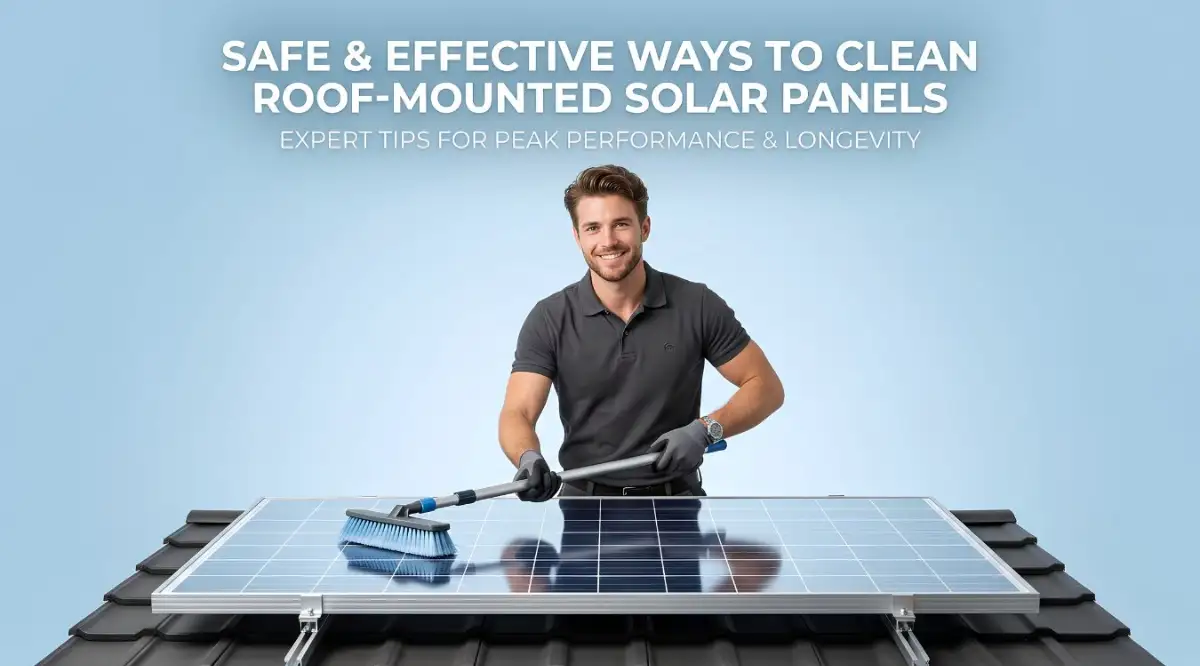
The Hidden Thief on My Roof: Why My Energy Bills Suddenly Spiked
If you’re seeing a weird jump in your power bill despite having solar panels, don’t panic—you probably haven't been scammed. I recently found out the hard way that even a thin layer of dust can act like a blanket over your panels, killing their efficiency. I’m going to show you exactly how I fixed my $80 energy spike with just a bit of water and the right tools, without risking a fall from the roof or breaking the glass.
I will never forget the day I opened my electricity bill and felt my stomach drop instantly. When I first installed my solar system, the massive drop in my monthly energy costs felt like a huge win. I was saving money, helping the environment, and feeling pretty smart about my investment.
But a few months later, the savings started to shrink, and I honestly had no idea why. I called my utility company, checked my home appliances, and even thought my inverter was broken. It was not until I climbed a ladder one Saturday morning that I finally discovered the hidden thief stealing my power.
My beautiful, shiny solar panels were absolutely coated in a thick layer of sticky pollen, baked-on bird droppings, and neighborhood dust. The reality hit me hard. I realized I was literally throwing money away every single day because the sun could not reach the solar cells.
But then a new panic set in. How on earth was I supposed to clean these massive glass sheets without slipping off my sloped roof? I worried about using the wrong soap, scratching the delicate anti-reflective coating, or accidentally voiding my expensive warranty.
If you are currently looking up at your dusty roof and feeling that exact same mix of annoyance and worry, please take a deep breath. You are definitely not alone in this struggle.
⚡ Quick Guide: How to Save Your Solar Output
- Don't Use Pressure Washers: High pressure ruins the seals and voids your warranty instantly.
- Timing is Key: Only clean your panels in the early morning or late evening to avoid "Thermal Shock" (cracking the glass).
- Skip the Soap: In 90% of cases, plain deionized or filtered water works better than soap, which leaves a sticky residue.
- Stay Grounded: Use a water-fed pole instead of a ladder. It’s faster, safer, and keeps your weight off the fragile panels.
The Real Cost of Neglect: What Dust Actually Does to Your System
Before we grab a hose and a ladder, we need to understand exactly what we are dealing with. A lot of homeowners assume that a quick rainstorm will naturally wash away all the dirt from their panels. I used to believe that exact same myth.
Think of your solar panels like the windshield of your car. If you leave your car parked under a tree for a month, a light rain shower will not clean the glass. In fact, light rain often turns sitting dust into a sticky, muddy smear that blocks even more light.
When your panels are blocked by dirt, they simply cannot absorb sunlight efficiently. Studies show that a heavy buildup of grime can reduce your system's energy output by as much as 25 percent. That is a massive drop in performance that directly affects your wallet.
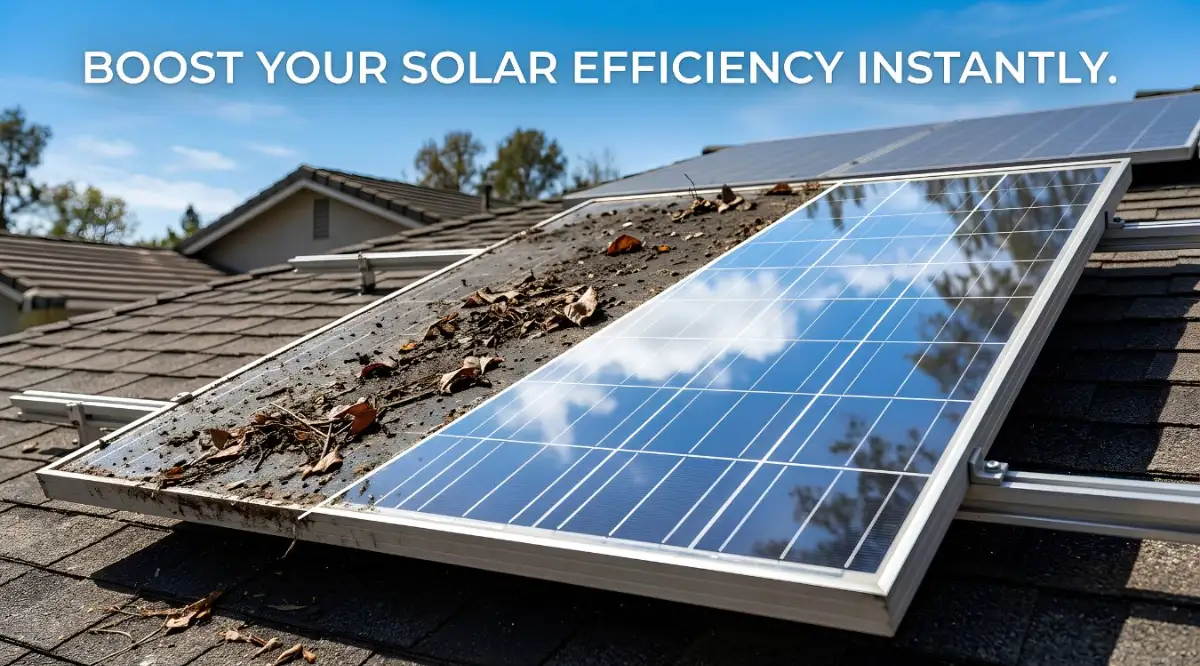
Myth vs. Reality in Solar Maintenance
Let us clear up some common misunderstandings right now.
Myth: Solar panels are completely maintenance-free.
Reality: While they require very little upkeep, the glass surfaces absolutely must stay clear to function properly.
Myth: You can just blast them with a high-pressure power washer.
Reality: Power washers can force water under the seals, destroy the protective glass coating, and completely ruin the electrical components.
Understanding these facts is the very first step toward protecting your investment. Now that we know why gentle, manual cleaning is essential, let us look at exactly how to do it safely.
Quick Cleaning Frequency Cheat Sheet
Ground-Level Cleaning: The Safest Approach for Homeowners
Your absolute priority when dealing with roof-mounted hardware is your personal safety. I always tell my friends that saving a few dollars on energy is never worth a trip to the emergency room. Whenever possible, you should try to clean your system without ever leaving the ground.
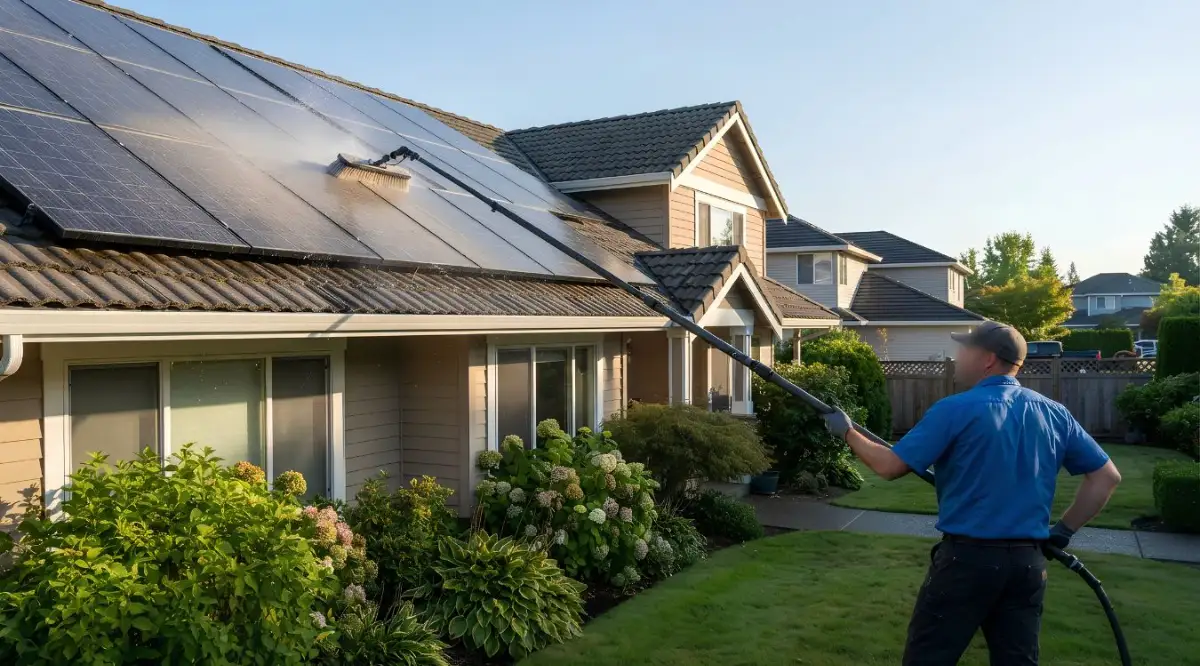
Investing in a Water-Fed Pole System
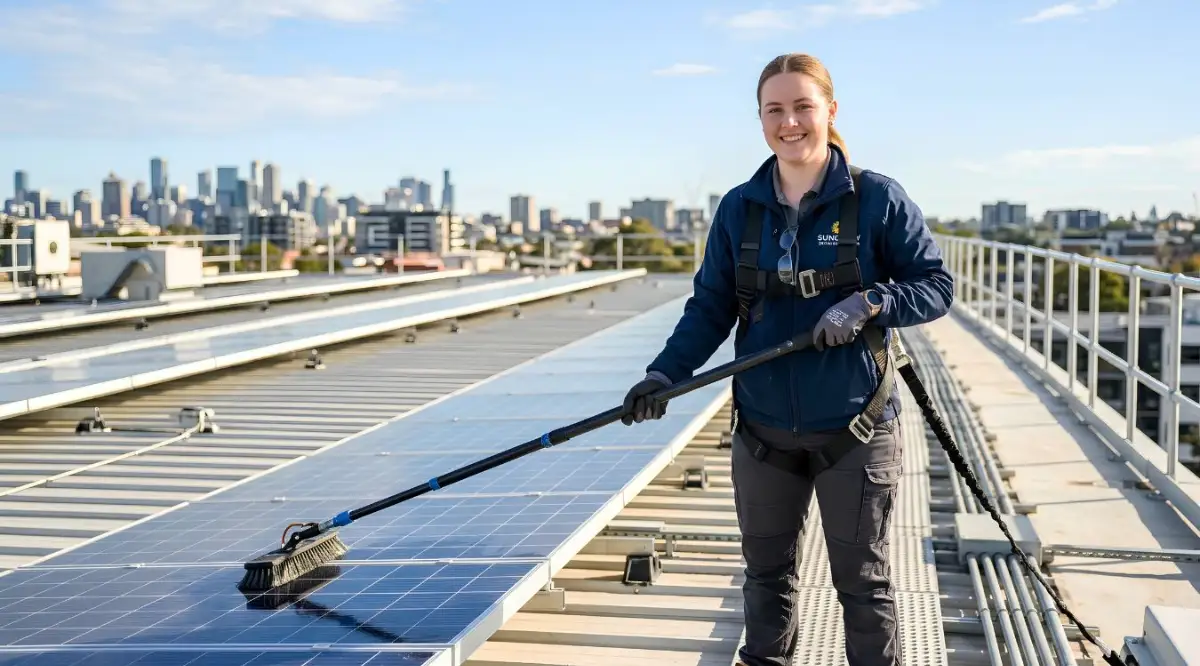
The best tool you can possibly own for this job is an extendable water-fed cleaning pole. These long, lightweight aluminum or carbon fiber poles have a soft brush on the end and a hose attachment. You can stand safely on your lawn while the pole reaches all the way up to your roof.
When you turn on your garden hose, the water runs up the inside of the pole and sprays directly out of the brush head. This allows you to gently scrub away the dirt while a constant stream of fresh water rinses the surface instantly.
Why Soft Bristles Are Non-Negotiable
Your solar panels have a special, incredibly thin anti-reflective coating on top of the glass. This coating helps the panel absorb maximum sunlight instead of reflecting it away like a mirror. If you use a stiff broom or a rough sponge, you will scratch this coating permanently.
Always look for a brush specifically labeled for solar panels or RV detailing. The bristles should feel as soft as a high-quality car wash brush. If you would not drag the brush across the hood of your favorite car, do not use it on your solar array.
When You Must Use a Ladder: Strict Safety Rules
Sometimes, your roof is simply too high, or the angle is too awkward for a ground pole to reach. If you absolutely must use a ladder to get closer to the panels, you have to follow strict safety protocols.
First, never do this job alone. Always have a spotter standing at the base of the ladder to keep it steady and hand you your tools. Make sure the ladder is placed on firm, totally flat ground, and tied off at the top if possible.
Never Step on the Glass
This might sound like obvious advice, but you would be surprised how many people make this mistake. Solar panels are built to withstand heavy hail and strong winds, but they are not designed to support human weight. Stepping or leaning heavily on a panel can cause micro-fractures inside the solar cells.
You might not see the damage with your naked eye, but those microscopic cracks will completely destroy the electrical output of that specific module. Always keep your feet firmly on your roof tiles or shingles, and only reach as far as your arms and tools will comfortably go.
I actually learned a tough lesson about cleaning materials early on in my solar journey.
Pro Tip: I once used standard tap water mixed with heavily scented dish soap to wash my array on a hot afternoon. The soap dried instantly in the sun, leaving a cloudy, sticky residue that actually attracted more dust the very next day! I had to climb back up and do the entire job twice just to fix my own mistake.
Choosing the Right Cleaning Solution
The secret to spotless solar panels lies in the type of water and soap you use. In most cases, you do not actually need soap at all. Pure water and a little bit of gentle scrubbing are usually more than enough to remove standard environmental dust.
The Hard Water Problem
I learned the hard way that a simple garden hose isn't always your best friend. If you see white, crusty spots appearing after a quick rinse, stop immediately because that is mineral buildup that will actually block the sun. Now, I always use a cheap filter attachment on my hose, and it makes a world of difference for getting that perfect, streak-free shine.
If you live in an area with hard water, using a direct garden hose can cause major issues. Hard water is full of minerals like calcium and magnesium. When the water evaporates on the hot glass, those minerals are left behind as hard, white water spots.
These water spots act like tiny little shields, blocking sunlight and reducing your power output. To avoid this, many experts recommend using a simple inline water filter attachment for your garden hose.
I actually learned this lesson the hard way when I just sprayed my panels with regular tap water on a warm afternoon. When the glass dried, it left these horrible chalky white spots that actually blocked more sun than the original dust! Now, I always snap a cheap RV water filter onto my hose before washing, and it leaves everything perfectly clear without me doing any extra scrubbing.
Comparison: Cleaning Liquids
If you can’t get a filtered hose, try cleaning your panels right after a heavy rain. The rain softens the bird droppings and sap, so you only need a quick wipe with your soft brush to get them perfectly clean without using harsh tap water that leaves spots.
If you encounter stubborn stains like baked-on bird droppings or tree sap, you might need a little extra help. In a simple spray bottle, mix mostly water with just a single drop of extremely mild, non-scented baby soap. Spray the specific stain, let it sit for five minutes to soften, and then gently wipe it away.
Timing is Everything: When to Wash Your System
One of the biggest mistakes homeowners make is trying to clean their system in the middle of the day. Solar panels sit baking under direct sunlight, and their glass surfaces can reach incredibly high temperatures.
If you spray freezing cold hose water onto boiling hot glass, the sudden temperature change can cause the panel to shatter completely. This is known as thermal shock, and it is a guaranteed way to void your manufacturer warranty.
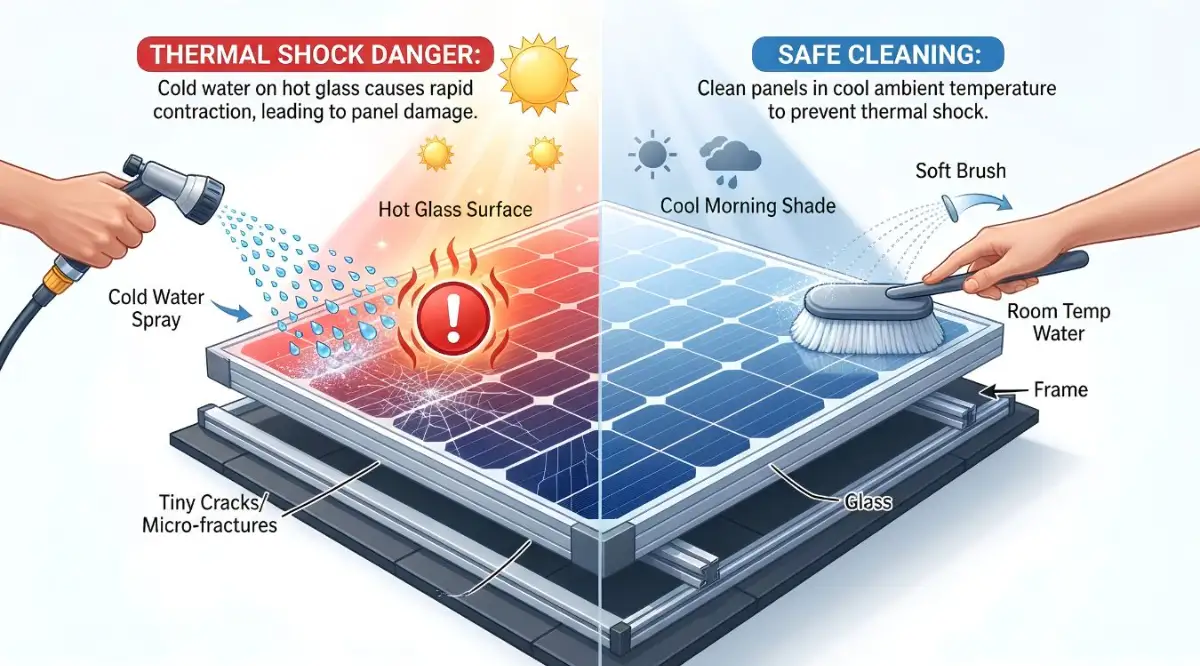
The Magic Hours for Maintenance
The absolute best time to wash your system is right at the crack of dawn. Early in the morning, the panels have cooled down overnight, and the sun has not yet started to heat the glass. Furthermore, cleaning in the morning means any leftover moisture will quickly evaporate as the day warms up.
If you cannot manage an early morning session, your second best option is a heavily overcast, cool day. Late evenings can also work, but you run the risk of leaving the panels wet overnight, which can sometimes attract fresh dirt if the wind picks up.
The Step-by-Step Gentle Washing Technique
Check out this helpful video below to see the gentle washing technique in action. Seeing these movements will give you the confidence to clean your own panels safely and perfectly on the first try!
Now that you have your soft brush, filtered water, and the perfect morning timing, it is time to execute the cleaning. Start by lightly spraying the entire array with just plain water. Do not start scrubbing immediately.
Let this initial layer of water sit on the glass for a few minutes. This pre-soak acts exactly like soaking a dirty frying pan in your kitchen sink. It naturally loosens the sticky pollen and dried grime, making the actual scrubbing phase completely effortless.
The Top-Down Approach
When you begin brushing, always start at the very highest point of the solar array and work your way down. Gravity is your best friend here. As you scrub the top row, the dirty water will run down and help pre-soak the lower panels.
Use smooth, horizontal strokes with your soft brush. You do not need to apply heavy downward pressure at all. Let the soft bristles and the flowing water do all the heavy lifting for you.
The Final Spotless Rinse
Once you have brushed away all the visible dirt, give the entire system one final, thorough rinse from top to bottom. If you are using deionized or filtered water, you can simply let the panels air dry in the morning breeze.
However, if you are using standard tap water, you cannot just walk away. You will need to attach a soft rubber squeegee to your extension pole. Carefully pull the squeegee down the glass to remove all the standing water, exactly like a window cleaner does on a tall skyscraper. This guarantees a perfectly clear, spot-free finish that lets maximum sunlight pour into your solar cells.
How Often Should You Really Be Cleaning?
A big question I constantly hear from new solar owners is exactly how often this chore needs to be done. The honest answer is that it heavily depends on where your house is located.
If you live in a rainy, moderate climate with lots of green trees, nature will do a lot of the light cleaning for you. You might only need to bring out your extension pole once or twice a year.
However, if you live in a dry, dusty desert region, or near a busy highway with lots of exhaust pollution, your situation is different. Homeowners in agricultural areas or heavy smog zones often find they need to wash their panels every three to four months to maintain peak performance.
Keep a close eye on your monthly energy monitoring app. Your system's data will always tell you the truth. If you notice a steady, unexplained drop in your daily energy production during perfectly sunny weather, it is probably time to grab your brush and head outside.
Cleaning roof-mounted solar panels at home does not have to be a terrifying or dangerous chore. By keeping your feet safely on the ground, using the right soft-bristle tools, and avoiding harsh chemicals, you can easily protect your expensive investment. You will immediately see the reward when your system returns to peak efficiency and your energy bills drop right back down to zero.
Next-Level Solar Care: Expert Secrets for Long-Lasting Power
Once you master the basic washing techniques, you might wonder how to keep that spotless shine lasting even longer. I spent a lot of time experimenting with different routines before I finally found the perfect rhythm. You do not want to be out there with a hose every single weekend.
The real secret to low-maintenance solar panels is actually preventing the heavy dirt buildup in the first place. You can apply a few professional-level strategies right now that will save you hours of future hard work. These are the exact methods professional maintenance crews use to keep massive solar farms running at peak capacity.
The Magic of the TDS Water Meter
If you really want to clean like a professional, you need to understand exactly what is coming out of your garden hose. Tap water looks completely clear, but it is actually packed with invisible dissolved minerals. When this water dries on hot solar glass, it leaves behind a thick, chalky white residue.
To solve this, I highly recommend picking up a cheap digital Total Dissolved Solids (TDS) meter online. You simply dip this little pen-sized tool into a cup of your hose water. It instantly tells you exactly how many minerals are floating in your water supply.
According to residential solar maintenance guidelines from Energy.gov, using purified or deionized water is the best way to protect your system. If your TDS meter reads anything above 50 parts per million, you absolutely need an inline water filter for your hose. This simple step guarantees a perfectly spot-free finish every single time you wash.
Defending Against the Bird Problem
One of the most frustrating things I deal with is birds treating my expensive solar array like a luxury apartment complex. Pigeons and smaller birds love the warm, safe space underneath the panels. Unfortunately, their droppings are highly acidic and will literally burn through your panel's protective coating if left ignored.
The easiest fix for this nightmare is installing a specialized solar critter guard. This is a simple wire mesh system that clips directly onto the sides of your panels, completely blocking the gap between the glass and your roof tiles. Once you block their nesting spot, the birds will naturally move away from your house.
By simply keeping the birds away, you will easily cut your cleaning chores right in half. Plus, protecting your roof from severe damage is a great way to save money. Every extra dollar you keep in your pocket can go directly into building an emergency fund without ignoring your debt, which is always a smart financial move.
Let Technology Tell You When to Wash
Instead of guessing when your system needs a bath, let your home monitoring app do all the heavy lifting. Every modern solar setup comes with a digital dashboard that tracks exactly how much power you generate daily. You need to learn how to read this data like a detective.
Pick a perfectly sunny, cloudless day right after you have thoroughly washed the glass. Write down exactly how many kilowatt-hours your system produces that day. This number is your golden baseline for peak performance.
Check your app once a month on a similarly sunny day. If you notice a sudden 10 or 15 percent drop in power generation, nature is telling you it is time to grab your extension pole. Experts at the National Renewable Energy Laboratory (NREL) have proven that heavy soiling can cause massive efficiency drops, so data tracking is incredibly helpful.
Dealing with Extreme Weather Aftermath
If you live in an area prone to summer wildfires, you face a completely different type of challenge. Wildfire ash is extremely sticky, oily, and blocks sunlight much faster than normal street dust. Worse still, if you mix oily ash with a light rain shower, it turns into a thick paste that completely blinds your solar cells.
During heavy wildfire seasons, you might need to gently rinse your system every two weeks just to keep the lights on. Never use soap on fresh ash. Instead, use a high-volume, low-pressure stream of pure water to gently flood the ash off the edges of the glass.
In colder regions, heavy snow acts very similarly to ash by blocking the sun completely. Never try to scrape ice or snow off your panels with a hard plastic shovel. You should only use a specially designed soft foam roof rake to gently pull the fluffy snow off, letting the sun melt the remaining thin layer of ice naturally.
Heartbreaking Maintenance Disasters: What You Must Never Do
When I first started caring for my own home, I made some terribly foolish mistakes just because I was in a hurry. When it comes to handling high-voltage electrical equipment on a slippery roof, rushing can lead to absolute disaster. Some mistakes do not just reduce your power output; they permanently destroy your entire system.
The Pressure Washer Catastrophe
I cannot stress this enough: never point a high-pressure power washer anywhere near your solar panels. I completely understand the temptation. Power washing is incredibly satisfying and feels like the fastest way to blast away years of stubborn grime.
However, solar panels are manufactured with delicate weather seals around their aluminum frames. A pressure washer shoots water so incredibly hard that it easily slices right through these rubber seals. Once water gets inside the frame, it destroys the electrical wiring and permanently shorts out the panel.
Using high pressure will also instantly void your manufacturer's warranty. If you damage the seals, the company will not replace the panel, and you will have to pay for a brand-new one out of pocket.
The Chemical Cleaners Trap
Another extremely common mistake is grabbing a bottle of household window cleaner, bleach, or harsh degreaser from under the kitchen sink. You might think that because solar panels are made of glass, standard Windex will work perfectly. This is a massive misunderstanding.
Your panels are coated in a microscopic, anti-reflective chemical layer that is highly sensitive. Harsh household cleaners will chemically burn this coating, leaving permanent cloudy streaks across the glass. Once that anti-reflective layer is stripped away, your panels will start reflecting sunlight back into the sky instead of absorbing it.
Always stick to pure water or highly diluted, unscented gentle baby soap if you are fighting heavy tree sap. Treating your equipment gently is the smartest way to practice managing your personal budget effectively because you will avoid massive repair bills down the road.
The Danger of Walking on Glass
I have watched dozens of amateur videos online showing people physically standing on top of their solar array while scrubbing. This is easily the most dangerous and destructive thing you can possibly do to your system. The glass might look thick and strong, but the silicon cells hiding right beneath it are as fragile as potato chips.
When you put your body weight on the glass, the panel flexes slightly inward. This tiny bend causes microscopic cracks in the internal wiring, known as busbars. You will not see these cracks with your naked eye, but they will completely cut off the flow of electricity within that specific module.
Furthermore, walking on a sloped, soapy glass surface is essentially a death trap. A fall from a two-story roof can lead to devastating physical injuries. You really do not want to put your family in a situation where they are frantically understanding health deductibles and co-pays because you slipped while trying to scrub a bird dropping.
Always follow the Occupational Safety and Health Administration (OSHA) guidelines for fall protection. Keep your feet planted firmly on the ground with an extension pole, or strictly use a sturdy ladder with a spotter.
Hiring the Wrong "Professionals"
Sometimes, the smartest choice you can make is admitting the job is simply too big for you. If you have an incredibly steep roof, physical limitations, or a massive array, hiring a professional solar cleaning crew is a great idea. However, not all cleaning companies are created equally.
You must avoid cheap, unregulated, cash-only handymen who promise to wash your roof for next to nothing. These amateur crews often use the exact pressure washers and harsh chemicals we just talked about avoiding. Even worse, they rarely carry proper liability insurance.
If an uninsured worker falls off your roof or breaks your tiles, you as the homeowner could be held completely legally and financially responsible. Always ask to see proof of insurance and a proper business license before letting anyone climb a ladder on your property.
Taking the time to vet professional contractors properly is just good sense. It is very similar to ensuring an ethical workplace environment; you always want to deal with businesses that respect their workers and follow the law, rather than shady operations where employees might end up documenting workplace discrimination before seeking legal help. Protect your home and your peace of mind by only hiring certified experts.
Your Roadmap to Maximum Solar Savings
We have covered a massive amount of ground today, but keeping your solar array shining bright does not have to be a source of stress. You simply need to treat this chore as a gentle, strategic process rather than an aggressive weekend battle.
By testing your water, investing in a high-quality soft-bristle extension pole, and monitoring your daily energy output, you are setting yourself up for massive long-term success. You now know exactly how to avoid the dangerous pitfalls that ruin so many residential systems.
Your Action Plan for Tomorrow Morning:
1. Check your solar monitoring app and write down your current daily power generation.
2. Walk out into your yard and safely inspect the glass surfaces from the ground.
3. If the glass looks cloudy or covered in dust, order a water-fed cleaning pole and an inline water filter today.
4. Schedule your first gentle, early-morning wash for next weekend.
I honestly cannot describe how satisfying it feels to watch my energy production instantly shoot back up to maximum capacity after a good morning wash. Taking control of my own home maintenance has empowered me, saved me thousands of dollars, and completely removed my fear of the unknown. I know exactly how rewarding this simple routine can be, and I strongly encourage you to step outside this weekend and reclaim your missing energy!
Homeowner Troubleshooting: Answers to Your Biggest Solar Questions
Can I use vinegar and water to clean my solar array?
While highly diluted white vinegar is great for kitchen windows, it is generally not recommended for solar glass. Vinegar is mildly acidic, and over time, it can slowly degrade the special anti-reflective coating on your panels. Sticking to pure, filtered water is always your safest and most effective option.
Does normal rainfall naturally wash away dirt and dust?
Light or moderate rain is rarely strong enough to wash away heavy, baked-on grime or sticky pollen. In fact, light rain often turns existing dust into a muddy smear that dries directly onto the glass, blocking even more sunlight. Only heavy, driving rainstorms provide a decent wash, but manual scrubbing is still required eventually.
How much does professional solar washing usually cost?
Prices naturally vary depending on your location, roof height, and the total number of panels you have installed. However, most reputable, fully insured residential cleaning companies charge between $150 and $300 for a standard visit. If your roof is extremely steep or dangerous to walk on, paying this fee once a year is an excellent investment.
Is it necessary to remove snow from my panels in the winter?
If you only get a light dusting of snow, the dark surface of the solar glass will usually absorb enough heat to melt it away naturally. However, if you experience heavy blizzards, thick snow completely stops power production. You should safely pull the heavy snow off using a soft foam roof rake while standing firmly on the ground.
Cleaning your panels might seem a bit scary at first, but once you see those energy numbers go back up, you’ll feel like a total pro. Don't let a little bit of dust steal your hard-earned savings—grab your cleaning pole and get that free power back today!
Disclaimer: The information provided in this article is strictly for educational and informational purposes only. Working on roofs and dealing with electrical equipment involves inherent safety risks. Always consult with your solar manufacturer's warranty guidelines before attempting any maintenance. If you are unsure about heights or safety protocols, please hire a certified and fully insured professional.