

The Day My Face Literally Felt Like It Was on Fire
Have you ever stared at the mirror, face bright red and stinging, wondering why your expensive new serums feel like actual fire? Yep, I have been there. I bought into the hype that layering every trendy bottle would give me glowing skin overnight. Instead, I ruined my skin barrier and spent weeks trying to fix it. Let's skip the expensive mistakes and talk about how to actually layer your skincare without the painful burn.
I was dealing with a severely damaged skin barrier. Simple things like washing my face with plain water or stepping outside into the wind brought tears to my eyes. The burning sensation lasted for days, and my confidence completely plummeted. I found myself canceling plans with friends because I was too embarrassed by the angry, red patches covering my cheeks.
So many of us fall into this exact same trap when trying to improve our skin health. We see influencers mixing three or four different highly active products together, and we immediately want to copy them. But the reality for normal people is usually a lot of pain, peeling, and wasted money. You buy these expensive bottles hoping for a magical transformation, only to end up with worse issues than when you started.
Your face starts feeling tight and uncomfortable by the middle of the day. The makeup you try to put over the redness just looks cakey and unnatural. This constant cycle of trying new things, getting irritated, and then hiding your face ruins your peace of mind. It takes away the joy of self-care and turns your daily routine into a stressful guessing game.
But I finally learned my lesson the hard way. I stepped back, threw away my chaotic habits, and learned exactly how these powerful ingredients actually interact with each other.

Quick Takeaways for Happy Skin:
- More products don't equal better skin; mixing the wrong ingredients causes stinging and barrier damage.
- Always give strong, acidic serums a 15 to 20-minute waiting period before applying your next step.
Protect your morning routine with a solid SPF—without it, your expensive brightening serums are useless.
- Practice "skin cycling" by giving your face dedicated rest days where you only use plain moisturizer.
The Science Behind the Glow (Explained Simply)
Before we start slapping things on our faces, we need to understand what we are actually working with. Think of your face like a delicate garden. You cannot just dump aggressive fertilizer on delicate flowers and expect them to thrive.
- These two specific ingredients are amazing on their own. One acts as a powerful protector against daily pollution and helps brighten dark spots. The other is like a comforting blanket that calms everything down and balances your natural oil production. Both are essential for long-term skin and beauty success.
However, they operate at completely different environments. It is a lot like trying to bake a cake while someone else is trying to freeze ice cream in the same exact oven. They prefer completely different pH levels to do their best work.
When you mix them incorrectly, one of two bad things happens. First, they might cancel each other out, turning your expensive serums into useless water. Second, and much worse, they can create a temporary reaction that flushes your face red and causes extreme stinging.
This reaction is exactly what happened to me. The chemistry on my face shifted too quickly. My skin simply could not handle the rapid change in acidity, leading to that terrible burning sensation I mentioned earlier.
To achieve truly smooth skin, we have to respect their individual rules. We have to give them the right environment to work their magic without fighting each other.
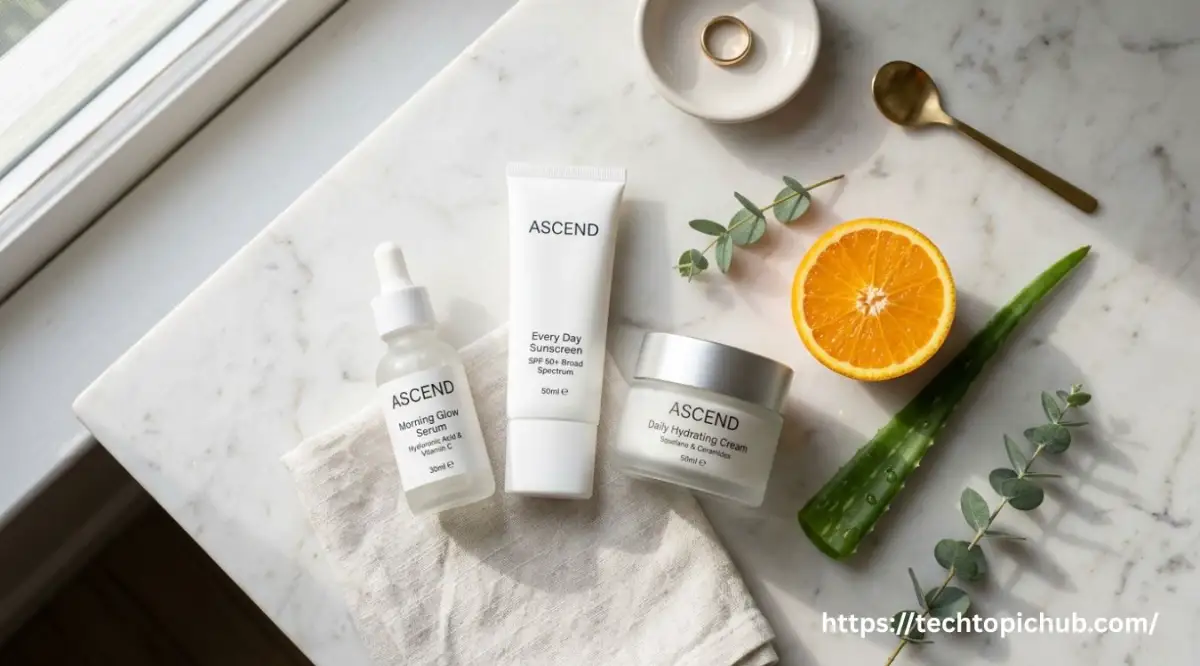
The Morning Armor: Defending Your Face
Let us talk about your morning routine. The moment you step out of your front door, your face is under attack. Sunlight, dirty air, and invisible pollution are constantly trying to age your complexion.
This is where your brightening ingredient comes into play. It acts like a tiny shield for your cells. It neutralizes the bad stuff in the air before it can cause wrinkles or dark spots.
How to apply it safely in the morning:
Start with a very gentle cleanser. You do not want anything that leaves your face feeling tight or squeaky clean. Pat your face with a clean towel until it is mostly dry.
Now, apply three to four drops of your brightening serum directly onto your face. Gently press it in with your fingertips. Do not rub aggressively. Skin care should always be a gentle, relaxing process.
Wait about two full minutes. Let it completely sink into your pores. Your face should feel relatively dry to the touch before you move to the next step.
Finally, lock everything in with a basic, fragrance-free moisturizer and a generous amount of sunscreen. Sunscreen is non-negotiable here. If you skip sunscreen, all the money you spent on serums is completely wasted.
The Nighttime Recovery: Rebuilding and Calming
While mornings are for protection, nights are for serious repair work. While you sleep, your body works hard to fix the damage caused during the day.
This is the perfect time to bring in your calming, barrier-building ingredient. It reduces redness, tightens the look of your pores, and makes sure your moisture barrier is incredibly strong.
How to structure your evening healing process:
Wash your face to remove all the sunscreen, makeup, and dirt from the day. Double cleansing is a fantastic idea here. Use an oil-based cleanser first, followed by a gentle water-based one.
Leave your skin slightly damp this time. Apply a few drops of your calming serum. It loves a little bit of moisture to help it travel deeper into your pores.
Massage it slowly in upward motions. Take a deep breath and enjoy the relaxing feeling. Building good skin health should feel like a mini spa treatment, not a chore.
Follow up immediately with a thick, nourishing night cream. You want to seal that hydration inside your face so you wake up looking plump and refreshed.
What If You Want to Use Both at the Same Time?
I know some of you are in a rush. You want to use everything in the morning and everything at night. While I always recommend splitting them up (one for morning, one for night), you can technically layer them if you follow strict rules.
The Rule of Waiting:
If you absolutely must use them together, the acidic ingredient always goes first. Apply it to dry skin. Then, you must wait.
Wait at least fifteen to twenty minutes. This gives your face enough time to return to its normal, happy state. You can go make your coffee, brush your teeth, or pick out your clothes.
Once the time has passed, you can safely apply the second serum. This waiting period prevents the chemical clash that causes the dreaded red flush.
The Safer Alternative: Finding a Pre-Mixed Formula
If waiting twenty minutes sounds completely impossible for your busy schedule, do not try to layer them yourself. Instead, look for a single product that already contains both ingredients.
Professional cosmetic chemists have special ways of formulating these two items together safely. They use stable, modified versions that will not fight each other in the bottle or on your face.
This is often the safest route for beginners who want smooth skin without a science degree. It saves you time, prevents irritation, and guarantees that the product actually works.
I highly suggest starting with lower percentages. A gentle 5% concentration is plenty to see wonderful results over time.
A Pro Tip from My Own Experience:
I used to apply my strong acidic serums on soaking wet skin right after the shower because I thought it would absorb better. I quickly learned that water actually acts like a slide, pulling the strong active ingredients too deeply and too fast, causing massive irritation. Always dry your face completely before applying anything with a strong acidic pH, and your face will thank you!
Watch This Routine in Action
If you are a visual learner like me, hit play on this quick video to see exactly how much product to use and how to properly layer it without any painful stinging, then keep reading below for some massive myth-busting facts!
Myth vs Reality in Modern Beauty
There is so much misinformation floating around the internet. Let us clear up some of the biggest rumors so you can focus on what actually works.
Recognizing the Warning Signs of Over-Exfoliation
Even if you follow all the rules, your face might still tell you to slow down. Listening to your body is the most important part of skin and beauty.
If you notice your face looking strangely shiny, almost like smooth plastic, that is not a healthy glow. That is a sign your barrier has been stripped away completely.
Other huge warning signs include sudden breakouts in places you normally do not get pimples. Your face might feel incredibly tight, like it is a size too small for your head.
When you apply a basic, gentle moisturizer and it suddenly stings, stop everything immediately. This is the biggest red flag your face can give you.
What to do when things go wrong:
Drop all your active serums immediately. Do not use anything except a gentle cleanser, a basic hydrating cream, and your sunscreen.
Do this for at least two to three weeks. Your face is an amazing organ, and it knows exactly how to heal itself if you just give it a break.
Only when your face feels completely normal and comfortable again should you slowly reintroduce your serums. Start with just one day a week.
My Personal Barrier Healing Timeline:
- Week 1: I kept my routine to just water washing and a plain, thick moisturizer. The tight, stinging feeling finally stopped.
- Week 2: The annoying dry flakes went away, and my natural oil production started feeling balanced again instead of super greasy.
- Week 3: My face stopped getting bright red after a simple warm shower. This was my green light to slowly add just one serum back into my routine!
Patience is incredibly hard, especially when you want results right now. But pushing through the pain will only set your progress back by several months.
Adjusting for Your Unique Face Type
Not everyone can follow the exact same rulebook. We all have beautifully different backgrounds, genetics, and environments.
For the Dry and Flaky Folks:
If you constantly battle dry patches, you need to be extra careful. The brightening ingredient can sometimes cause slight dryness.
Always look for a hydrating version. Find a formula that includes hyaluronic acid or glycerin built right into it.
You might also want to sandwich your serums. Apply a light layer of moisturizer, then your serum, and then another layer of moisturizer. This acts as a buffer and significantly reduces the chance of peeling.
For the Oily and Breakout Prone:
If your face gets shiny by noon, you are going to absolutely love the calming ingredient. It is famous for helping control excess oil production.
You can use water-based, lightweight serums that absorb in seconds. You do not need to layer heavy creams on top.
A light gel moisturizer is completely fine for you. The goal is to keep your pores clear while still delivering the helpful nutrients your face needs.
For the Highly Sensitive Souls:
If your face turns red when you just look at it wrong, you have to play the long game. Forget about daily use for now.
Start by using your products on alternating days. Monday is for brightening, Tuesday is for calming, Wednesday is just for resting.
Always do a small patch test on your inner arm or behind your ear before putting anything new on your cheeks. Wait twenty-four hours to ensure no itchy rashes appear.
The Mindset Shift for Long-Term Results
We are so used to instant gratification. We order packages that arrive the next day and watch videos that last fifteen seconds.
But biology does not work like a smartphone app. True skin health takes time, consistency, and a lot of patience.
Your skin cells take roughly twenty-eight days to fully turn over and reveal fresh layers. That means you will not see the real results of your new routine for at least a month.
Taking photos of your face in the same lighting every week is a great way to track your progress. You will be amazed at the subtle changes you miss when you just look in the mirror every single day.
Stop comparing your bare face to heavily filtered photos on social media. Real skin has texture, visible pores, and occasional breakouts.
By taking a safe, educated approach to your routine, you are protecting your face for the future. You are building a foundation of health that will keep you glowing for years to come.
Expert Secrets to Maximize Your Daily Skin Care Routine
Now that we understand the basic chemistry of our faces, it is time to level up. Achieving truly smooth skin is not just about knowing what to apply. It is about understanding how to handle your products like a true professional.
Many people buy the right bottles but store them completely wrong. Or they apply them in a rush, completely ruining the formula. I want to share some incredibly helpful insider secrets that changed everything for my skin health.
These are the tiny adjustments that make a massive difference. They will save you money, prevent frustrating breakouts, and give you that healthy, natural glow.
Decoding the confusing Ingredient Labels
First, you need to become a smart reader of ingredient lists. Not all brightening serums are created equal. The most famous form is called L-ascorbic acid. It is incredibly effective, but it is also very unstable and aggressive.
If you have sensitive skin, pure L-ascorbic acid might be too strong for you. Instead, look for gentle derivatives on the back of the box. Words like magnesium ascorbyl phosphate or sodium ascorbyl phosphate are your best friends here.
According to research published by the National Institutes o