

My Exhausting Battle with a Broken Face
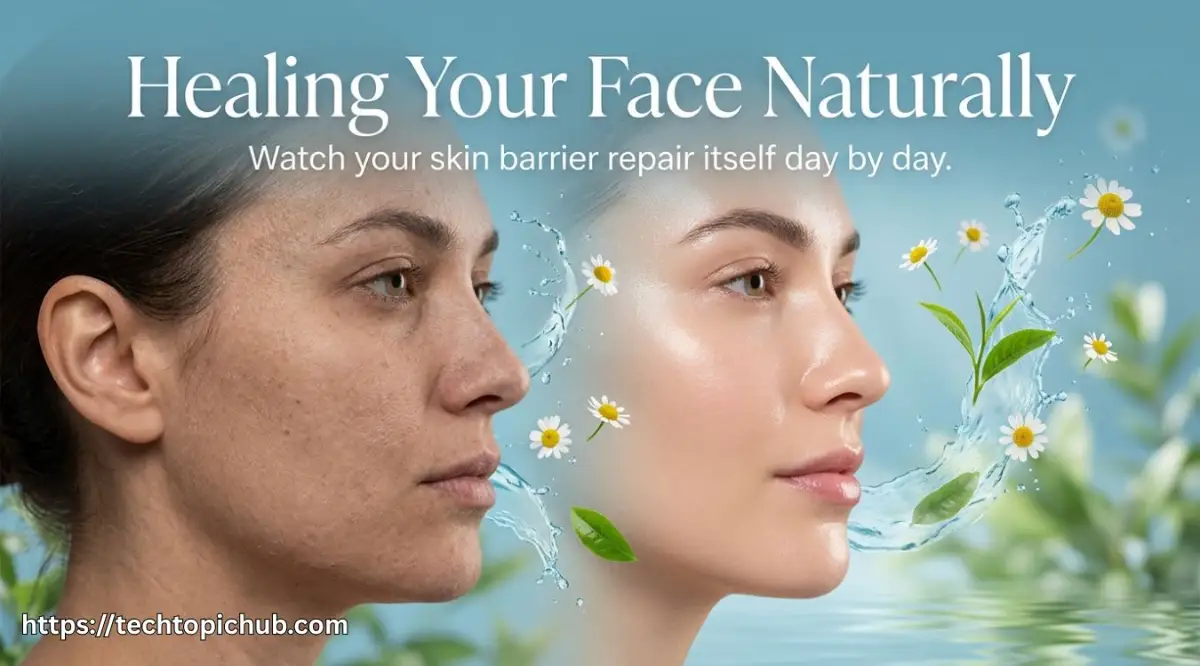
I still cringe when I think about the mornings my face burned just from splashing tap water on it. If you are sitting, there reading this with red, angry patches and zero hope left, I totally get it. We are going to fix your skin care routine right now, skipping the confusing advice and focusing on what actually works. Let us get your glow back!
I still remember the exact morning I stared at the bathroom mirror and just wanted to cry. My face was red, intensely itchy, and tight enough to feel like an overly stretched rubber band. For months, I had been jumping from one trending face wash to another, hoping to find the magic fix for my sudden breakouts.
Instead of getting better, my skin barrier completely gave up on me. I tried everything from foaming gels to heavy exfoliating scrubs, thinking I just needed to clean my pores deeper. I did not realize I was actually stripping away my natural protective oils.
Every time I washed my face, it felt like tiny needles poking my cheeks. It became so bad that even applying plain water made my face sting. That was my lowest point, and I realized I had to change my entire approach to skin care if I wanted my confidence back.
Simple things like smiling big for a photo or stepping out into the cold wind become sources of anxiety. This constant struggle to achieve smooth skin feels like a never-ending cycle of hope and disappointment. The frustration of wanting clear skin but waking up to a damaged face takes a massive toll on everyday happiness.
 Before We Begin: You are Quick Action Plan
- Ditch the bubbles: High-foaming cleansers destroy the natural oils that keep your face protected.
- Balance is everything: Always use a face wash with a pH level around 5.5 to stop redness in its tracks.
- Damp is better: Applying your moisturizers on slightly wet skin is the fastest way to get completely smooth skin.
- Watch the water: Washing with hot water melts your protective barrier just like butter in a pan.
What Exactly Happens When Your Defense System Breaks?
To fix the problem, we first need to understand what is actually happening on the surface of your face. Think of your skin barrier as a beautifully constructed brick wall. The skin cells are the bricks, and the natural oils and ceramides are the mortar holding everything together.
When you use harsh chemical cleansers, you are basically power-washing that wall every single day. Eventually, the mortar dissolves, the bricks get loose, and cracks begin to form. Once those microscopic cracks appear, all the good moisture escapes into the air.
At the same time, irritating outside elements like pollution and bacteria easily enter your pores. This is why your face suddenly feels dry on the inside but looks oily and broken out on the outside. Your body tries to overcompensate by producing excess oil to cover the cracks.
Understanding this physical reaction is the first major step toward proper skin and beauty management. You cannot scrub away a damaged wall; you have to patiently rebuild it. And this is exactly where the healing power of botanical ingredients comes into play.
The Surprising Science of Botanical Cleansing
Switching exclusively to plant-based cleansers changes the entire chemical reaction happening on your face. Natural cleansers usually rely on gentle, plant-derived surfactants like those found in coconuts or sugars. These ingredients clean away the daily dirt without breaking down your protective mortar.
When you make the switch, your skin immediately notices the drop in aggression. The constant state of emergency and inflammation begins to quiet down. Your face stops overproducing oil because it no longer feels completely stripped of its natural moisture.
This environment allows your natural lipid layer to start patching up the broken spots. Over the course of a few weeks, you will notice the redness fading away gently. Your face will slowly return to feeling plump, calm, and deeply hydrated from within.
Why pH Levels Can Make or Break Your Results
One of the biggest secrets to achieving smooth skin is keeping your acid mantle happy. Your face naturally prefers to be slightly acidic, hovering around a pH level of 5.5. Many traditional foaming cleansers are highly alkaline, sitting at a pH of 8 or 9.
This massive difference is exactly what shocks your barrier and causes that tight, squeaky-clean feeling. A "squeaky clean" face is actually a loud cry for help from a stripped barrier. Plant-based cleansers, on the other hand, are normally formulated to match your natural acidic levels.
By maintaining this perfect 5.5 pH balance, natural cleansers keep bad bacteria away while letting good bacteria thrive. It creates the perfect environment for your cells to heal and regenerate without constant stress.
Here is a quick cheat sheet I made to help you understand why pH matters so much for your skin health:
|
Product Type |
Average pH Level |
What It Does to Your Face |
|
Normal Bar Soap |
9.0 to 10.0 |
Strips oils, causes tightness and redness. |
|
Tap Water |
7.0 (Neutral) |
Can slowly dry out sensitive faces over time. |
|
Healthy Face |
4.5 to 5.5 |
Keeps moisture locked in and bad bacteria out. |
|
Botanical Wash |
5.0 to 5.5 |
Matches your natural level for perfect balance. |
Pro Tip from My Journey: I used to think that if my cleanser didn't produce thick, fluffy bubbles, it wasn't really cleaning my face. I finally realized that massive lather usually means harsh synthetic detergents are present. Switching to a non-foaming, milk-like botanical cleanser felt weird at first, but it completely saved my sensitive face.
If you are more of a visual learner, I found an amazing systematic video that shows exactly how to wash your face without causing any damage. Watch it right below, and then keep reading to find out which natural ingredients you need to look for!
A Closer Look at Nature's Best Ingredients
Not all plants are created equal when it comes to repairing your face. You need to look for specific botanical powerhouses that actively support skin health. Let's break down some of the most effective natural ingredients you should seek out.
Oat extract is incredibly famous for its soothing properties and ability to calm angry redness instantly. It contains natural compounds called beta-glucans that hold water tightly against your face. Then we have green tea extract, which is packed with powerful antioxidants.
Green tea helps fight off environmental damage while gently reducing excessive oil production over time. Aloe vera is another hero ingredient that acts like a cool drink of water for a damaged barrier. It provides deep hydration without clogging pores or feeling heavy.
Myth vs Reality: Natural Skincare Edition
Myth: Plant-based cleansers are not strong enough to remove heavy makeup or sunscreen.
Reality: Natural oil-based botanical cleansers actually melt away waterproof makeup and SPF much faster than harsh water-based chemical soaps.
Myth: Using natural oils on your face will cause massive acne breakouts.
Reality: Plant oils like jojoba and rosehip closely mimic your natural sebum, signaling your body to stop producing excess acne-causing oil.
Myth: You need to feel a tingling sensation for a product to actually work.
Reality: Tingling or burning is a clear sign of irritation and inflammation, not effectiveness. Good skincare should feel calming and completely comfortable.
The Chemical vs Botanical Showdown
Sometimes seeing the differences laid out clearly helps you make better choices for your daily routine. Here is a quick look at how harsh cleansers compare to plant-based options.
Feature Harsh Chemical Cleansers Plant-Based Cleansers
|
Feature |
Harsh Chemical Cleansers |
Plant-Based Cleansers |
|
Cleansing Agent |
Synthetic sulfates (SLS/SLES) |
Coconut or sugar derivatives |
|
After-Wash Feeling |
Tight, squeaky, and dry |
Soft, hydrated, and bouncy |
|
Effect on Barrier |
Strips natural oils completely |
Preserves and protects lipids |
|
Ideal For |
Stripping heavy industrial grease |
Daily gentle skin health |
|
pH Level |
Often alkaline (High pH) |
Usually slightly acidic (Balanced) |
Managing the "Purge" and Transition Period
When you finally throw away your harsh soaps and switch to natural alternatives, your face might act a little confused. After months or years of being aggressively stripped, your pores need time to adjust to gentle treatment. You might notice a slight increase in texture or a few tiny bumps during the first week.
This is completely normal and is often just your skin rebalancing its oil production levels. Please do not panic and run back to your drying acne washes at this stage. You have to trust the healing process and give your cells time to reset.
Usually, by the end of the second week, this temporary confusion clears up entirely. You will start touching your cheeks and noticing a incredibly soft, velvet-like texture developing. Your makeup will start sitting perfectly on your face without clinging to dry, flaky patches.
Mastering the Gentle Wash Technique
Buying the right natural cleanser is only half of the battle for amazing skin and beauty. How you actually apply the product matters just as much as what is inside the bottle. Most people rush through washing their face, aggressively rubbing the product in for ten seconds before splashing water.
Instead, you need to treat your daily cleanse as a calming, intentional ritual. Start by ensuring your hands are perfectly clean before you even touch your face. Apply a generous amount of your plant-based cleanser to damp skin using very light pressure.
Use your fingertips to massage the product in slow, gentle upward circles for a full sixty seconds. This gives the natural enzymes and oils enough time to break down daily grime without friction. Rinse with lukewarm water—never hot water, as heat instantly damages a weak barrier.
For the longest time, I made the huge mistake of washing my face in the shower under steaming hot water. I finally realized that this hot water was melting away my natural oils just like butter in a hot pan! Now, I only wash my face at the sink with cool water, and the redness in my cheeks went away almost instantly.
The Towel Mistake You Need to Stop Making
One of the easiest ways to ruin your progress is by aggressively rubbing your face dry. Rough cotton bath towels hold onto bacteria and physically scrape away your healing skin cells. This rough friction completely undoes the gentle work of your botanical cleanser.
Instead, keep a stack of clean, soft microfiber face cloths just for your skincare routine. Gently press the cloth against your wet face to absorb the water, leaving a slight layer of moisture behind. Applying your next hydrating serums onto damp skin actually locks in twice as much water.
Layering Products for Maximum Recovery
Your gentle cleansing step sets the perfect foundation, but you have to follow it up correctly. Within one minute of patting your face dry, apply a simple, fragrance-free hydrating serum or essence. Look for ingredients like hyaluronic acid or vegetable glycerin to grab onto that leftover surface water.
Seal everything in with a rich moisturizer containing plant-based ceramides or squalane. If you wait too long after cleansing, the dry air in your bathroom will pull the moisture right out of your skin. This quick sealing technique guarantees that your barrier remains protected while you sleep.
My Personal 3-Minute Moisture Test
Want to know if your current routine is actually working? Try this tonight. After you wash your face, wait exactly three minutes without putting any serums or creams on. If your face feels tight, itchy, or looks shiny like plastic, your barrier is still crying for help. That is your clear sign to change things up for better skin and beauty results!
Setting Realistic Expectations for Your Journey
Healing a broken barrier is not an overnight magic trick, and patience is completely necessary. During the first few days, the only change you might notice is that your face no longer hurts after washing. That small lack of pain is actually a massive victory for your barrier.
By weeks three and four, the persistent redness will significantly fade, making your complexion look incredibly even. You will find yourself needing less foundation and concealer before heading out the door. Friends and family might even start complimenting your natural, healthy glow.
By month two, your defense system will be fully rebuilt and stronger than ever before. You will experience fewer random breakouts, and your face will hold onto moisture all day long. Switching exclusively to a plant-based cleansing routine truly is the ultimate investment in your long-term confidence and appearance.
Beyond the Basics: Expert Secrets for Long-Term Radiance
Once your face finally starts feeling comfortable again, you might think the hard work is completely over. However, maintaining that beautiful new glow requires a few advanced adjustments to your daily habits. Your skin health is incredibly dynamic, meaning it changes depending on the weather, your stress levels, and your environment.
You need to understand the natural 28-day regeneration cycle of your face to truly lock in these results. Every single month, your body naturally pushes fresh, hydrated cells up to the surface while shedding the old, damaged ones. When you use gentle botanical cleansers consistently through this entire cycle, you allow a completely healthy layer to form without any interruption.
This uninterrupted cycle is the ultimate secret to permanently keeping that soft, bouncy texture. Many people stop using their plant-based products the moment their face feels better, which is a massive error. You must treat this new routine as a permanent lifestyle shift, not just a temporary bandage for redness.
The Hidden Impact of Your Tap Water
Here is an advanced secret that completely changed my perspective on daily cleansing. The tap water in your bathroom sink might actually be fighting against your natural face wash. Hard water contains high levels of heavy minerals like calcium and magnesium, which are notoriously harsh on sensitive faces.
According to guidelines on everyday hygiene from the American Academy of Dermatology (AAD), harsh water minerals can leave an invisible residue that blocks moisture. These heavy minerals attach themselves to the natural oils in your botanical cleanser, creating a waxy buildup on your face.
If you live in a city with hard water, I highly recommend installing a simple water filter on your bathroom faucet. Alternatively, you can finish your cleansing routine with a quick splash of distilled water or a soothing thermal water spray. This tiny adjustment ensures your skin care ingredients absorb deeply instead of sitting on top of mineral buildup.
Mastering the Art of Seasonal Adaptation
A truly effective routine must adapt to the changing seasons around you. During the hot, humid summer months, your face naturally produces a bit more sweat and sebum to stay cool. You might need to leave your botanical cleanser on your face for an extra thirty seconds to break down that sticky summer sweat.
In contrast, the freezing winter winds violently strip moisture away from your delicate lipid barrier. When the temperature drops, you should switch to a richer, creamier botanical wash that contains heavier seed oils.
Just like you might spend time researching a proven way to speed up the home selling process in a sluggish housing market when conditions change, you must change your skincare approach when the weather shifts. Adapting quickly saves you from experiencing random dry spells or unexpected breakouts.
Daily Habits That Support Your Botanical Routine
Great skin and beauty results always come from a combination of inside and outside care. You cannot rely entirely on your face wash if you are constantly dehydrating your body from within. Drinking enough water every single day gives your fresh cells the plumpness they need to look radiant.
You also need to think about what touches your face while you are sleeping. Your pillowcase absorbs old oils, sweat, and leftover hair products every single night. If you do not wash your pillowcase frequently, you are pressing your clean face into a breeding ground for bacteria for eight hours.
Switching to a smooth silk or satin pillowcase reduces friction and stops your blanket from absorbing your expensive nighttime moisturizers. Treating your environment with care is just like building a solid financial foundation; much like saving an emergency fund without ignoring your debt, protecting your face requires a smart, well-rounded strategy. You can easily find more amazing lifestyle strategies and habits by exploring resources on Tech Topic Hub.
 The Dangerous Traps: What Ruins Your Progress Instantly
Healing a damaged face is a very fragile process, and one bad decision can send you right back to square one. When we desperately want clear skin, we often let our emotions drive our purchasing decisions instead of logic. Let's walk through the most destructive mistakes people make when trying to go completely natural.
Falling Victim to Sneaky "Greenwashing"
The absolute biggest trap in the beauty industry right now is something called greenwashing. You will see hundreds of bottles on store shelves covered in pictures of leaves, claiming to be "100% Natural" or "Earth Friendly." However, when you turn the bottle around and read the tiny ingredient list, it is full of the exact same harsh chemical sulfates you are trying to escape.
Just because a bottle is green does not mean the product inside is safe for a broken barrier. Brands often add a single drop of aloe vera to a bottle of harsh detergent just so they can legally call it a botanical wash. This deceptive marketing tricks millions of people into buying products that actively destroy their hard-earned progress.
You must become a dedicated label reader to protect your delicate face from these sneaky chemicals. Always look for gentle cleansing agents like coco-glucoside or decyl glucoside, and immediately put the bottle down if you see words like sodium lauryl sulfate.
The Essential Oil Burn Out
There is a very common misconception that because an ingredient comes directly from a plant, it is automatically safe to smear on your face. This is incredibly untrue, especially when it comes to highly concentrated essential oils. Ingredients like pure peppermint oil, lemon extract, or eucalyptus are highly volatile and aggressive.
When a damaged barrier comes into contact with these strong oils, it often triggers severe allergic contact dermatitis. The National Eczema Association frequently warns against using heavily fragranced botanical oils on compromised, sensitive areas. Your healing face does not need to smell like a fresh pine forest; it just needs gentle, boring, unscented hydration.
If a natural cleanser smells intensely like a perfume shop, it is probably too aggressive for your daily routine. Stick to calming, unfragranced plant milks, oat extracts, and simple seed oils that prioritize healing over smelling pretty.
The Panic-Scrubbing Reaction
We have all experienced that terrifying moment when a new pimple appears right before a big event. The immediate human reaction is to panic, grab the strongest exfoliating scrub we own, and aggressively wash the spot. We mistakenly believe that if we just scrub hard enough, we can physically erase the blemish away.
This panic-scrubbing is the absolute worst thing you can do to an already stressed barrier. When you aggressively rub a breakout, you are just spreading the bacteria around and creating micro-tears all over your cheeks. The inflammation instantly doubles, making the spot look significantly redder and angrier than before.
You have to teach yourself to step away from the bathroom mirror when you feel the urge to pick or scrub. Finding patience in these moments is a true skill, much like discovering the right informative guides to solve complex everyday problems calmly. Always trust your gentle botanical cleanser to slowly dissolve the dirt without resorting to physical violence against your face.
Your Action Plan for a Calmer, Glowing Complexion
We have covered an incredible amount of ground today, from understanding microscopic barrier cracks to navigating deceptive product labels. The journey to achieving permanently smooth skin is not about buying the most expensive luxury cream on the market. It is entirely about showing your face kindness, patience, and consistency every single morning and night.
By stepping away from harsh chemical foaming agents, you are finally giving your body permission to heal itself naturally. You now understand exactly how to balance your pH levels, handle hard tap water, and avoid the dangerous traps of fake natural marketing. Every time you gently massage a botanical cleanser into your cheeks, you are actively rebuilding your natural defenses.
Your confidence will naturally return as those frustrating dry patches and angry red spots slowly fade into history. Research published by the National Institutes of Health (NIH) highlights just how deeply our outer appearance connects to our inner mental well-being and daily happiness. When you no longer have to worry about a burning, tight face, you get your mental freedom back completely.
My biggest piece of advice for you today is to stop overcomplicating your bathroom cabinet and simply trust the healing power of gentle plants. I know exactly how exhausting it feels to hate the reflection in the mirror, but I promise you that relief is entirely possible with the right approach. Take a deep breath, throw away those harsh stripping soaps tonight, and get ready to finally meet the healthiest, happiest version of your face.
Common Questions about Botanical Transitioning
Do plant-based face washes actually remove waterproof sunscreen?
Yes, they absolutely do! Natural oil-based botanical cleansers are incredibly effective at melting down stubborn waterproof ingredients like SPF and heavy makeup. The natural plant oils bind to the sunscreen on your face, allowing it to easily rinse away without any aggressive rubbing.