
Waking Up in a Puddle: Surviving the Unforgiving Heat
Waking up stuck to your own bedsheets is a terrible way to start the day. When my old window unit finally died last July, I honestly thought I was going to melt into my mattress. Instead of dropping a fortune on a new machine and stressing over high electricity bills, I spent the next three weeks testing every crazy natural cooling trick I could find on the internet. Let me show you exactly what actually works to bring that freezing chill back into your bedroom.
That night changed everything for me. I realized how overly dependent I had become on a noisy, expensive machine just to get a few hours of sleep.
Your mental peace completely disappears when you cannot find comfort in your own home. You feel easily irritated, your sleep schedule gets completely destroyed, and your energy levels hit rock bottom.
We often think the only way out is to blast the AC on maximum power. But then, the end of the month arrives, and you stare in horror at a massive electricity bill that drains your hard-earned money.
I knew there had to be a better way. Humans survived for thousands of years without electric air conditioners, right? There had to be forgotten tricks and natural methods to fight off the heat.
I started testing every single natural cooling hack I could find. Some completely failed, but a few specific methods felt like pure magic. Today, I am going to share exactly what actually works to bring that refreshing, icy chill back into your living space.
I spent entirely too much money on portable fans that just blew hot air into my face, leaving me feeling sticky and completely defeated. My breaking point was when my laptop actually shut down from overheating right in the middle of my workday. That was the exact moment I realized I had to find a real, natural solution before the summer heat completely ruined my sanity.
Quick Action Plan: How to Cool Your Room Today
- Trap the cold: Keep your windows and blinds completely shut during peak sunlight hours.
- Create a cross-breeze: Open a low window on the shady side and a high window on the sunny side at night.
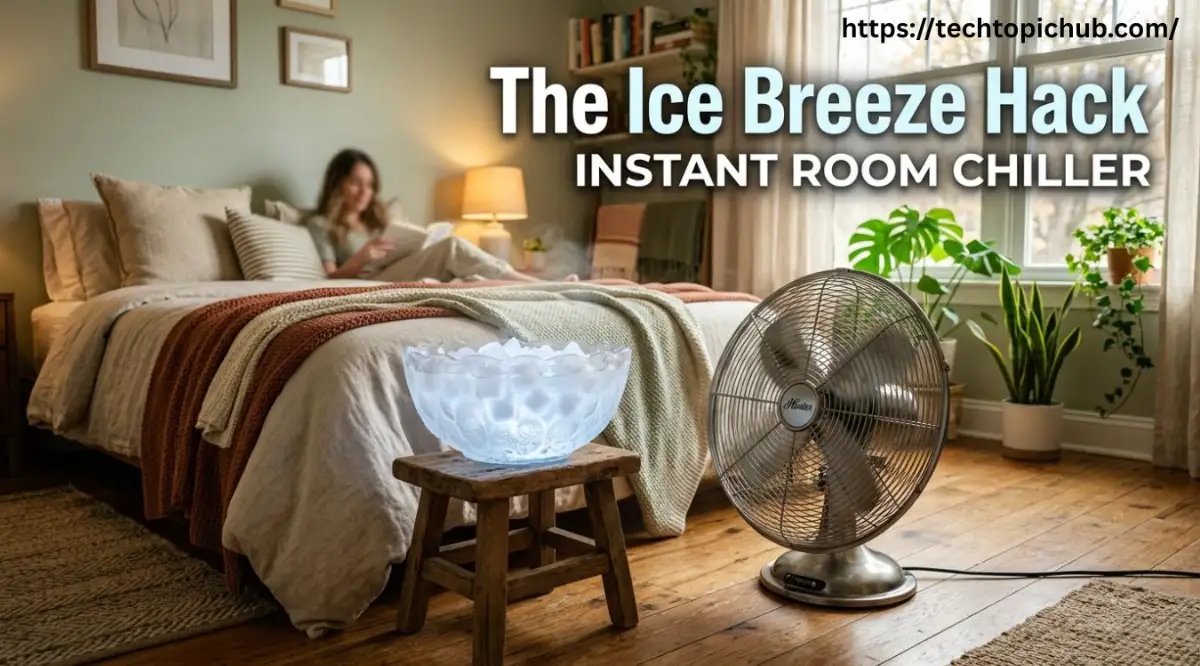
- Build a fan-cooler: Place a bowl of solid ice directly in front of a floor fan.
- Ditch the plastic: Swap out your polyester bed sheets for 100% breathable cotton or linen.
Science-Backed Strategies for a Naturally Chilled Home
When you understand how heat actually moves, you can easily outsmart it. You do not need expensive machines to block the sun or capture the wind. You just need to be a little strategic about how you manage your home environment. Let's explore some highly effective, totally natural ways to drop the temperature in your room right now.
The Myth vs Reality of Opening Windows
Before we get into the heavy details, we need to clear up a massive misunderstanding about managing windows during the summer.
The Common Myth: Leaving your windows wide open all day allows fresh air to come in and cool down the house.
The Cold Reality: If the temperature outside is hotter than the temperature inside, opening your windows is literally inviting the heat into your home. You are just turning your room into a greenhouse.
To actually keep your room cool, you must treat your windows like defensive shields during the day. Keep them completely shut when the sun is blasting outside. Once the sun goes down and the outside air feels cooler than your indoor air, that is your golden moment to open them up.
Mastering the Art of Cross Ventilation
One of the most powerful natural cooling methods is called cross ventilation. This is a fancy term for creating a clear path for the wind to blow completely through your house.
Think of your home like a giant pipe. If water only has one way in and no way out, it gets stuck. Air behaves exactly the same way.
To create a strong, cooling breeze, you need to open a window on the side of your house where the wind is hitting. Then, you must open a completely different window on the opposite side of the house.
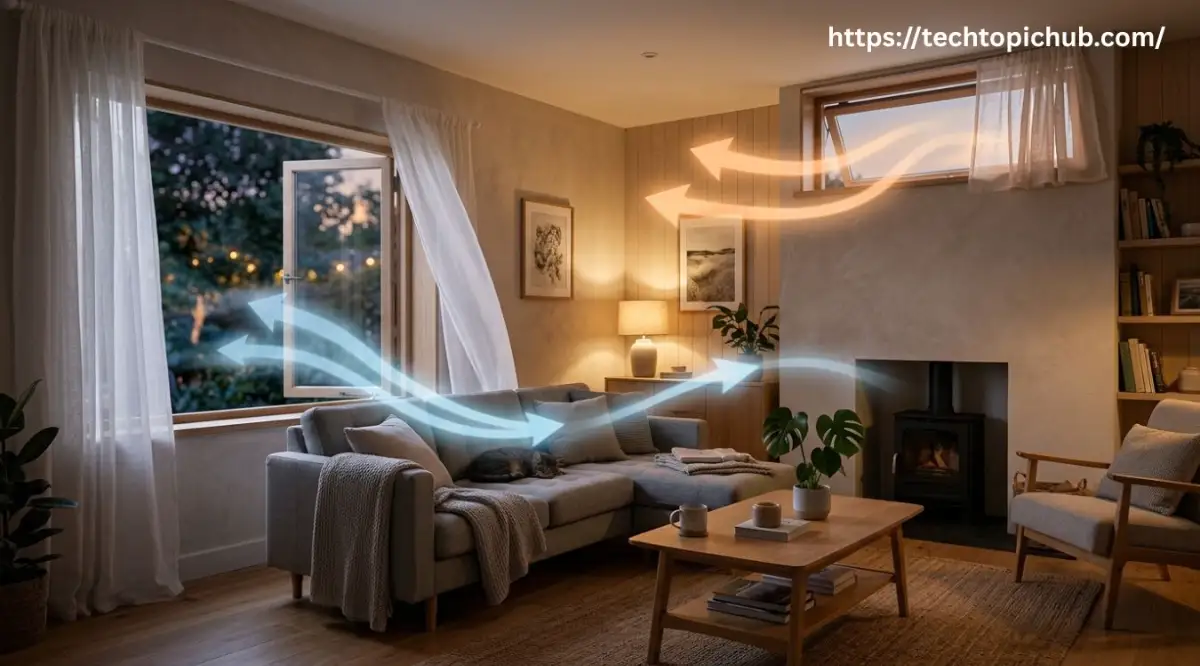
This simple setup pulls the fresh, cool air in from one side and violently pushes the hot, stale air out the other side. You will instantly feel a natural breeze flowing through your living room.
The High-Low Window Trick
If you are still confused about how to set up the perfect cross breeze, watch this quick visual guide to see exactly how to push the trapped hot air out of your home for good!
If you really want to supercharge this method, you can use the laws of physics to your advantage. Hot air is light, so it always rises to the ceiling. Cold air is heavy, so it sinks to the floor.
If you have a home with multiple floors or tall windows, try the high-low trick. Open the bottom section of a window on the shady side of your house to let the heavy, cool air inside. Then, open the top section of a window on the sunny side of your house.
The hot air trapped near your ceiling will get sucked out of the top window, while a refreshing stream of cool air rushes in near your feet.
Creating a DIY Evaporative Cooler
Sometimes the air outside is completely still, and opening the windows does nothing. When you have zero wind, you have to create your own icy breeze.
You do not need to buy a fancy swamp cooler to get this effect. You can easily build one using items you already have in your kitchen.
Take a large, shallow mixing bowl and fill it to the top with ice cubes. You can also use frozen water bottles or reusable ice packs if you want to avoid a watery mess later. Place this bowl of ice right in front of a standard floor fan or desk fan.
When you turn the fan on, the air blows over the surface of the freezing ice. The ice rapidly cools the air, and the fan pushes a wonderful, misty breeze directly onto your skin.
My Personal Ice Block Test Results:
- Regular Ice Cubes: Melted in 45 minutes. Quick chill, but messy.
- Frozen Water Bottles: Lasted 2 hours. Easy to swap out and refreeze.
- A Solid Frozen Mixing Bowl: Lasted over 4 hours. This is the absolute best method for long-lasting cold air while you sleep.
Pro Tip: I used to point my fan directly at my face while sleeping, but I would always wake up with a dry throat and a stiff neck. Now, I point the fan and the ice bowl slightly toward the center of the room. This cools the overall air temperature much faster and feels way more natural, like a gentle winter breeze.
The Frozen Towel Method
If you do not have a bowl or a floor fan, you can still use the power of evaporation. Soak a clean bath towel in cold water, ring it out so it is not dripping, and hang it directly over an open window at night.
As the evening breeze blows through the wet fabric, the water evaporates. This evaporation process actively absorbs heat from the air. The breeze that enters your room will feel noticeably colder than the air outside.
It is the exact same reason you feel freezing cold when you step out of a swimming pool on a windy day. The evaporating water steals the heat right off your skin.
Strategic Shading to Block Solar Heat
Your windows let in a massive amount of radiant heat from the sun. Even if your windows are closed, the sunlight shining through the glass will heat up your floors, your carpets, and your furniture.
These objects absorb the sunlight and slowly release it back into the room as heat, acting exactly like little radiators.
To stop this from happening, you must block the sunlight before it gets a chance to warm up your room.
Investing in Thermal Curtains
Standard thin curtains might look pretty, but they do absolutely nothing to stop the heat. You need something heavy and specifically designed for the job.
Look for thick blackout curtains with a white thermal backing. The white color facing the street will actually bounce the sun's rays away from your house, while the thick fabric prevents the heat from bleeding into your bedroom.
Keep these curtains tightly closed in your south and west-facing rooms during the hottest parts of the afternoon. When you finally walk into that room later in the evening, it will feel like a dark, cool cave.
Taming Your Indoor Heat Generators
We often blame the sun for making our homes hot, but we completely ignore the massive amount of heat we generate inside our own walls.
Every single appliance plugged into your wall produces a surprising amount of thermal energy. Your television, your computer, and even your phone charger constantly release tiny amounts of heat.
When you have a dozen electronics running at the same time, all that heat adds up very quickly.
Unplug anything you are not actively using. It might seem like a small step, but it drastically reduces the background heat in your living space.
The Nightmare of Summer Cooking
The biggest offender in your home is your kitchen. Turning on your oven during a hot afternoon is basically setting off a heat bomb in the middle of your house.
An oven can easily raise the temperature of your kitchen and nearby rooms by several degrees in just a few minutes.
Instead of baking or roasting, try to use smaller appliances that generate way less heat. A microwave, a slow cooker, or a small air fryer are excellent alternatives. Better yet, take your cooking outside and use a grill, or stick to fresh, cold meals like salads and sandwiches on the worst days.
I made the terrible mistake of baking a chicken on a 95-degree afternoon last year, and my kitchen stayed incredibly hot for three whole days. Now, I do all my heavy cooking late at night and just reheat things the next day, which instantly made my house feel ten times cooler during the afternoon.
Breathing Life with Cooling Indoor Plants
Did you know that you can actually use nature's own air conditioners to chill your room? Plants are completely amazing at regulating temperature.
Just like humans sweat to cool down, plants go through a process called transpiration. When the air gets too hot, plants release tiny droplets of water from their leaves into the air.
As this water evaporates, it cools the air immediately around the plant. If you group several plants together, they create their own little microclimate of cool, fresh air.
Best Plant Varieties for Heat Relief
Not all plants are equal when it comes to cooling. You want plants with large leaves that consume a lot of water.
Snake plants are fantastic because they hold a lot of water and release oxygen all night long. Rubber plants have massive leaves that provide excellent transpiration. Even a simple Aloe Vera plant can help purify the air and add a touch of coolness to a sunny windowsill.
Just remember to water them regularly. A dry, thirsty plant cannot release any moisture to help cool your room.
Upgrading Your Bedding for Deep Sleep
Trying to sleep in a hot room is miserable, but you can make it significantly better by changing exactly what you sleep on.
Many modern bed sheets are made out of synthetic materials like polyester or microfiber. These fabrics are essentially plastic. They trap your body heat and completely block your sweat from evaporating.
Sleeping in polyester sheets on a hot night is like wearing a plastic trash bag to bed.
The Magic of Natural Fibers
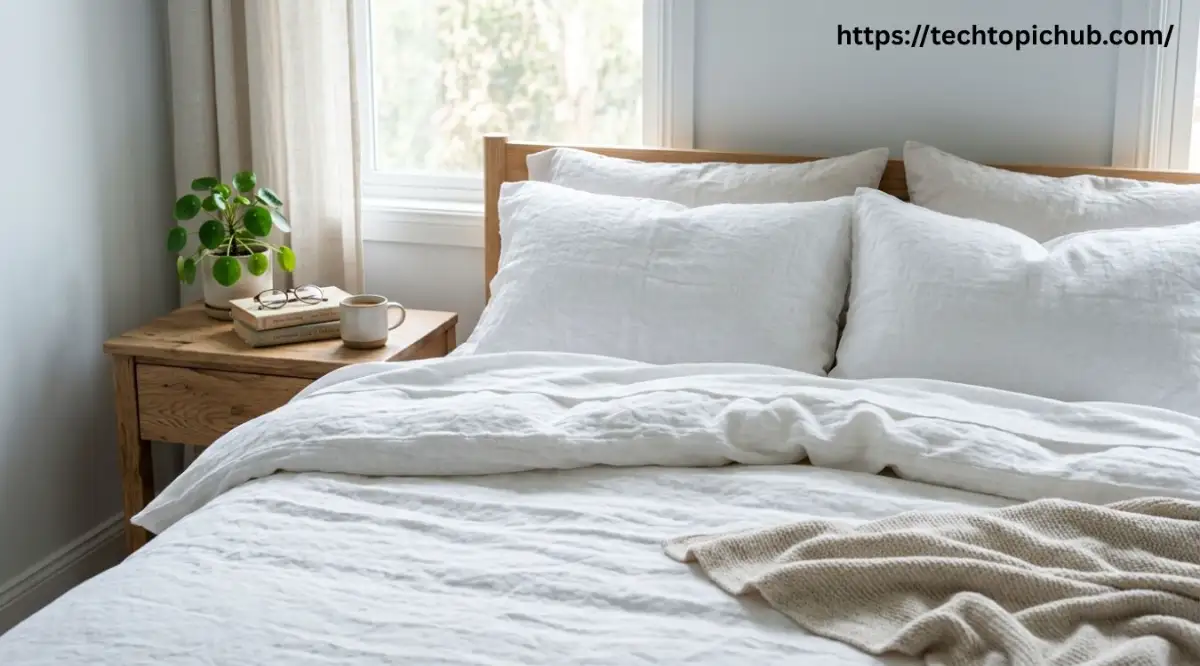
You need to switch completely to natural, highly breathable fabrics. 100% organic cotton, linen, or bamboo sheets are absolute game changers.
These natural fibers allow the air to flow freely around your body. They also actively pull the sweat away from your skin, which helps your body cool itself down naturally.
Look for cotton sheets with a percale weave rather than a sateen weave. Percale is much crisper, lighter, and feels instantly cool to the touch when you slide into bed.
The Egyptian Sleeping Method
If the heat is totally unbearable and fresh sheets are not enough, you can try an ancient trick known as the Egyptian method.
Take a light cotton blanket or a large towel and soak it in cold water. Squeeze out as much water as you possibly can by rolling it up tight. You want it to be damp, not dripping wet.
Lay a dry towel on your mattress to protect it, and then place the damp blanket directly over your body. As the fan blows over the damp blanket, the rapid evaporation will keep you shivering cold all night long.
If a wet blanket sounds too uncomfortable, you can simply put your dry pillowcases in a plastic bag and leave them in the freezer for a few hours before bedtime. Slipping your head onto an ice-cold pillow provides instant relief and helps lower your core body temperature fast.
Next-Level Strategies for a Permanently Chilled Space
Once you master the basic airflow and shading tricks, you can take your home cooling game to a much higher level. These are the deeper structural and behavioral changes that turn an uncomfortably warm house into a refreshing oasis. The best part is that once you set these systems up, they work completely on autopilot.
The Magic of the Albedo Effect
If you live in a house where the upstairs rooms feel like a baking oven, your roof is likely the main suspect. Dark-colored roofs absorb massive amounts of solar radiation. This heat aggressively pushes down through your attic and straight into your living spaces.
You can fight this exact problem using something scientists call the albedo effect. This simply means using bright colors to reflect the sun's rays away from your property. If you have the ability to paint your roof with a specialized white reflective coating, the temperature drop inside your home will shock you.
It is exactly like wearing a white t-shirt on a bright summer day instead of a black one. A white roof literally bounces the solar energy back into the sky. In fact, many reports on using cool roofs to reduce urban heat show that this simple change can drop internal temperatures dramatically.
Blocking the Sun Before It Hits the Glass
In our earlier discussion, we talked about using heavy curtains inside your room. But if you want to be a true cooling expert, you need to stop the sun before it even touches your window glass. Once the heat passes through the glass, it is already trapped inside your house.
This is where exterior shading becomes your best friend. Installing simple canvas awnings over your south-facing windows creates a permanent shadow over the glass. You can also plant leafy trees or tall bushes directly in front of the windows that get the harshest afternoon sun.
Nature provides the absolute best defense mechanism here. Deciduous trees grow thick, beautiful leaves right when you need maximum shade. Then, when the weather gets cold, they drop their leaves to let the warm sunlight through. It is an entirely natural, self-regulating temperature system for your property.
The Hidden War on Humidity
Sometimes your room thermometer says it is only mildly warm, but your body feels incredibly sticky and miserable. This happens because of high indoor humidity. When the air is completely saturated with moisture, your body sweat cannot evaporate.
Since your sweat cannot evaporate, your body loses its natural ability to cool itself down. To fix this, you have to aggressively pull the moisture out of the air inside your bedroom.
If you live in a deeply humid climate, placing large bags of charcoal or rock salt in the corners of your room can naturally absorb excess moisture. You should also make sure to cover your cooking pots when boiling water. Running your bathroom exhaust fan for twenty minutes after a shower also prevents that sticky moisture from bleeding into your sleeping areas.
Mastering Your Own Body Temperature
When the house still feels a bit too warm, you can completely ignore the room and focus directly on cooling your own body. Your body has specific zones where your blood vessels sit very close to the surface of your skin. These are called your pulse points.
Your wrists, the back of your neck, your ankles, and the area behind your knees are highly sensitive thermal triggers. If you apply a cold, damp cloth or a small ice pack directly to these pulse points, your blood cools down rapidly.
As this chilled blood circulates through your system, your entire body temperature begins to drop within minutes. I love keeping a damp washcloth in the freezer specifically for this trick. Wrapping it around the back of my neck instantly kills that horrible, overheated feeling.
Myth vs Fact: The Cold Shower Trick
- The Myth: Taking a freezing cold shower before bed lowers your body temperature for the whole night.
- The Fact: Ice-cold water actually shocks your body into generating more heat to warm you back up. Taking a lukewarm or slightly cool shower is much better because it lets your body slowly release trapped heat without tricking your internal thermostat.
According to medical experts monitoring optimal temperatures for sleep, keeping your core body temperature low is exactly what signals your brain that it is time to rest.
Turning Off the Hidden Phantom Heaters
You might have turned off your main lights, but your home is still secretly generating heat. We call these phantom heaters. Every device plugged into an outlet, even if it is turned off, draws a tiny amount of standby power.
That standby power eventually converts into ambient heat. Your television, your gaming consoles, your desktop computer, and all those charging blocks are silently warming up your space.
Get into the strict habit of unplugging electronics entirely when you are not actively using them. Using a smart power strip makes this incredibly easy. You just flip one switch, and you instantly cut off the power and the heat source for an entire entertainment center.
Taking these steps not only keeps your room icy cold but also drastically lowers your monthly utility costs. You can easily take that saved money and put it toward the secret to building an emergency fund for your family's future.
The Power of Thermal Mass
Certain materials in your home naturally hold onto heat, while others stay refreshingly cool. This concept is called thermal mass. Materials like brick, stone, and heavy tile floors take a very long time to warm up.
If you have a room with a hard tile floor, remove any thick, fluffy rugs during the hot months. Let that bare, cool stone breathe. The cold floor will naturally absorb the ambient heat from the air, dropping the overall temperature of the room.
Laying down on a cool tile floor on a miserably hot afternoon is one of the most wonderfully refreshing feelings in the world. By removing the insulating rugs, you are allowing your house to use its own architectural bones to fight off the heavy heat. A naturally comfortable, energy-efficient home is also highly attractive to buyers, which is a great bonus if you are looking for a proven way to speed up the home selling process.

Invisible Traps Destroying Your Comfort
Many people try their absolute best to keep their homes cool, but they accidentally make things much worse by falling for a few common misunderstandings. These simple errors trap the hot air inside, making you suffer needlessly while wasting your valuable time and energy.
One of the most punishing mistakes you can make is running an electric fan in an empty room. Fans do absolutely nothing to lower the actual temperature of the air. They only cool people by blowing air over our skin, creating a wind-chill effect.
When you leave a heavy motor fan running in an empty bedroom, the motor is actively generating heat. You are literally paying the electric company to make an empty room hotter. Always turn the fans completely off the second you walk out the door.
Mismanaging Your Interior Doors
Another massive error is leaving all the interior doors in your house wide open during the peak heat of the day. If you have empty guest rooms, large closets, or sunny home offices that you are not using, you are allowing that heat to freely travel into your main living areas.
Close the doors to any rooms that you do not actively occupy. By doing this, you are effectively shrinking the total square footage of the space you need to keep cool.
On the flip side, people completely forget to manage their doors at night. When the sun goes down and the outside air finally gets cold, you want the wind to flow freely. If you leave your bedroom door shut tight while trying to pull cold air through the window, the air has nowhere to escape. It hits a dead end.
The Exhaust Fan Backfire
Many homeowners have heard the trick about running the kitchen or bathroom exhaust fan to suck the hot air out of the ceiling. In theory, this sounds like a brilliant idea. But if you do this at the wrong time of day, it completely backfires on you.
If you turn on a powerful exhaust fan during the hottest part of the afternoon, it aggressively pushes your indoor air outside. Nature hates a vacuum, so new air has to enter your home to replace it.
Where does that replacement air come from? It gets violently sucked in through the tiny cracks around your windows and doors from the outside. You are actively pulling the blazing 100-degree outdoor heat directly into your living room. Always wait until the evening to run your ventilation fans.
Following smart practices aligns perfectly with the global health guidelines on managing indoor heat stress, ensuring your family stays safe and comfortable without unnecessary risks.
Your Action Plan for a Refreshing Home Environment
Beating the heavy summer heat does not require an endless budget or massive, noisy machines. It all comes down to working with nature instead of fighting against it. By being strategic with your windows, controlling the sunlight, and managing your own body temperature, you can reclaim your comfort and your sanity.
Start small today. Pick just one or two of these methods, like setting up a simple ice breeze fan or switching to breathable cotton sheets tonight. You will quickly notice a drastic difference in how your space feels and how deeply you sleep.
The goal is to create a peaceful, shady sanctuary where you can truly relax without stressing over a terrifying electricity bill at the end of the month. Explore more tech and lifestyle solutions on our main platform for helpful daily insights.
I used to dread the hot months, feeling like a prisoner in my own sweaty home. But the moment I stopped relying on that noisy machine and started using these simple, natural tricks, my entire home felt incredibly peaceful and perfectly chilled again. You completely have the power to transform your hot room into a refreshing oasis starting right now.
Common Questions About Beating the Heat Naturally
How long does the ice bowl and fan trick actually last?
It heavily depends on the size of your ice blocks and the overall temperature of your room. Generally, a large mixing bowl filled with standard ice cubes will provide a strong, freezing breeze for about two to three hours before you need to refresh it. Using larger, solid blocks of ice, like frozen milk jugs, can easily push that cooling effect to last up to five hours.
Does putting a wet towel over the window really work?
Yes, it works exceptionally well if there is a dry breeze actively blowing through the window. As the hot breeze hits the damp fabric, the water evaporates, instantly stealing heat from the air and sending a cool draft into your room. However, if there is absolutely zero wind or if it is heavily raining outside, this trick will not be very effective.
Why does my ceiling fan seem to make the room hotter?
If your ceiling fan is spinning clockwise during the summer, it is actually pushing the trapped hot air near the ceiling straight down onto your head. You need to flip the tiny switch on the motor housing so the blades spin counter-clockwise. This specific direction violently pulls the cool air up from the floor and creates a wonderful, chilling breeze around your body.
Will opening the fridge or freezer door help cool my kitchen?
Never do this, as it is a complete disaster for your home temperature. When you leave the fridge door open, the motor in the back has to work ten times harder to keep the inside cold. That struggling motor pumps massive amounts of intense heat directly into your kitchen, making the room significantly hotter than before.
Can house plants really change the room temperature?
Absolutely, but you need the right kind and the right amount to feel a major difference. Plants release cool moisture through their leaves, which acts exactly like a tiny, natural humidifier. Grouping five or six large, leafy plants together near a bright window can naturally lower the ambient temperature in that specific corner by a few degrees.
Looking back, I honestly wish I had known these simple cooling tricks years ago instead of suffering through so many miserable, sweaty nights. I highly encourage you to pick just one of these methods tonight, because waking up feeling fully rested in a perfectly chilled room will completely change your morning.
Disclaimer: The information provided in this article is for educational and informational purposes only. It does not constitute professional medical, financial, or technical advice. We are not responsible for any issues that may arise from implementing the DIY methods discussed. Always prioritize your personal health and safety during extreme weather conditions.