
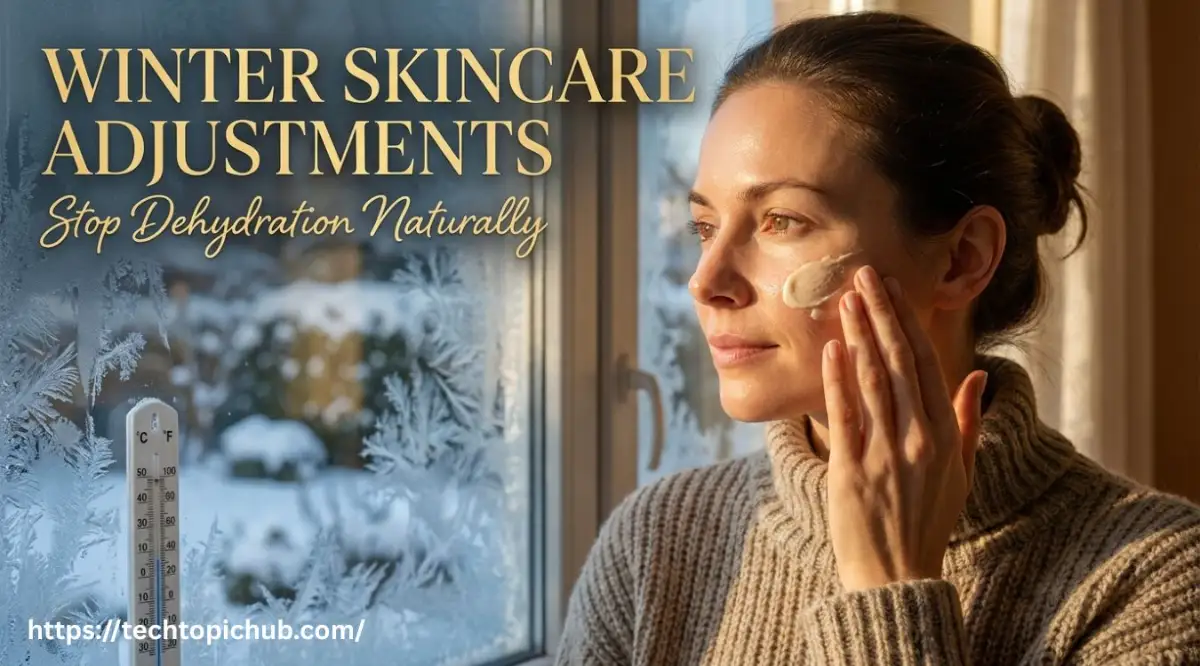
The Silent Struggle of the Cold Season
When you went outside in December, did you ever feel like your face would break in two? Yes, I also do. I continued to apply my favorite summer lotions for years, but by midday, my skin still looked like a flaky, red mess. It turns out that using light summer routines on a chilly winter face is a certain way to destroy your skin barrier. You no longer have to conceal yourself beneath big scarves. Let's make some clever adjustments to your dry skin regimen that will genuinely improve it overnight.
I still remember waking up one freezing morning, looking in the mirror, and feeling completely defeated by my own face. My skin felt so tight it actually hurt to smile, and red, flaky patches covered my cheeks and forehead. I had spent hours the night before putting on my favorite natural creams, thinking I was doing everything right.
But the harsh winter air simply laughed at my regular routine and stripped away every ounce of moisture. I felt embarrassed to go outside, constantly hiding my face behind oversized scarves to avoid the weird looks. It was incredibly frustrating to feel like my own skin was working against me, no matter how hard I tried to fix it.
This is a reality so many of us face as soon as the temperature drops outside. You try to go about your normal day, maybe grabbing a coffee or walking to work, but all you can think about is the uncomfortable tightness on your face. It steals your focus, ruins your mood, and slowly eats away at your mental peace.
We end up buying expensive products out of sheer desperation, hoping for a quick miracle fix. But instead of relief, we just get more frustration and a cabinet full of half-used bottles. Your makeup starts looking cakey by noon because your skin is literally drinking the water out of your foundation.
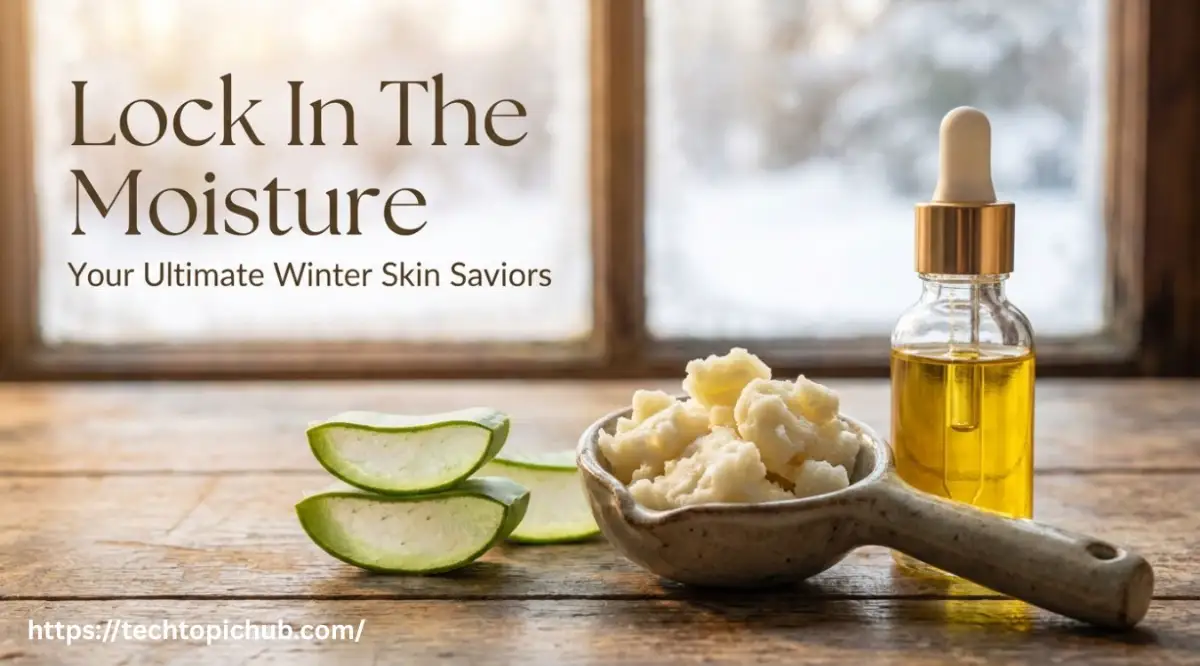
Your 30-Second Winter Skin Action Plan:
- Swap your foamy, bubbly summer face wash for a rich cleansing balm or oil.
- Always apply your heavy creams while your face is still damp (The Moisture Sandwich).
- Add raw shea butter or squalane oil over your normal lotion before bed to block dry air.
- Run a small humidifier on your nightstand to feed your skin moisture while you sleep.
- Keep your face totally out of the hot shower stream.
Why Your Regular Habits Fail Miserably Right Now
Think of your current beauty habits like a lightweight cotton t-shirt. In the middle of July, that t-shirt is perfect for keeping you comfortable and fresh. But if you walk outside into a December snowstorm wearing that same cotton shirt, you are going to freeze instantly.
Your face works the exact same way when the seasons completely change. The lightweight gel moisturizers and foaming washes you loved a few months ago are completely useless against freezing temperatures. You have to adapt your strategy to match the extreme environment you are actually living in right now.
Many people make the massive mistake of just applying more of the same lightweight product. They think that piling on five layers of a summer lotion will equal one layer of a heavy winter cream. This simply does not work because lightweight products lack the heavy protective ingredients needed to trap moisture.
Myth vs Reality: The Great Hydration Misunderstanding
The Myth: Drinking eight glasses of water a day will automatically cure your dry, flaky face.
The Reality: While drinking plenty of water is incredibly healthy, it reaches your outermost layers last. You could drink gallons of water, but if your outer barrier is broken, that moisture will evaporate the second you step outside. You desperately need a physical shield on the outside to keep the internal water locked safely inside.
The Water Intake Fact-Check
- What you heard: "Just drink a gallon of water, and your face will glow!"
- What actually happens: Your body gives water to your organs first. By the time it reaches your face, the freezing air simply steals it away.
- The quick fix: Drink your water, but always lock it in with a thick layer of plant oils or shea butter so the dry air cannot touch it.
Essential Adjustments to Rescue Your Freezing Face
To fix this problem completely, we need to totally rethink how we wash, treat, and protect our faces daily. These are practical, science-backed steps you can start tonight to see a massive difference by tomorrow morning.
Ditch the Foamy Cleansers for Rich, Milky Alternatives
Most popular face washes create a lot of bubbles and foam, which feels really nice and clean in the shower. But those bubbles are usually created by harsh chemical surfactants that strip away your natural oils. In the cold months, those natural oils are your absolute best defense against extreme dehydration.
If your face feels "squeaky clean" after washing, that is actually a massive red flag. Your face is not a dirty dinner plate, and it should never, ever squeak when you touch it. It should feel soft, plump, and slightly moisturized even before you apply a single drop of serum.
Switching to a cream cleanser, a cleansing balm, or an oil cleanser will completely change your life. These gentle products melt away dirt and daily makeup without stealing the essential fats your body desperately needs. You are basically washing your face while deeply moisturizing it at the exact same time.
My Personal Realization (Pro Tip):
I used to think oil cleansers would make me break out, so I completely avoided them for years while my face continued to crack and bleed. Once I finally tried a natural jojoba oil cleanser, my redness disappeared in just three days. I realized that my skin was actually overproducing bad oils just to compensate for how painfully dry I was making it!
Layering Like a Pro with the Moisture Sandwich Technique
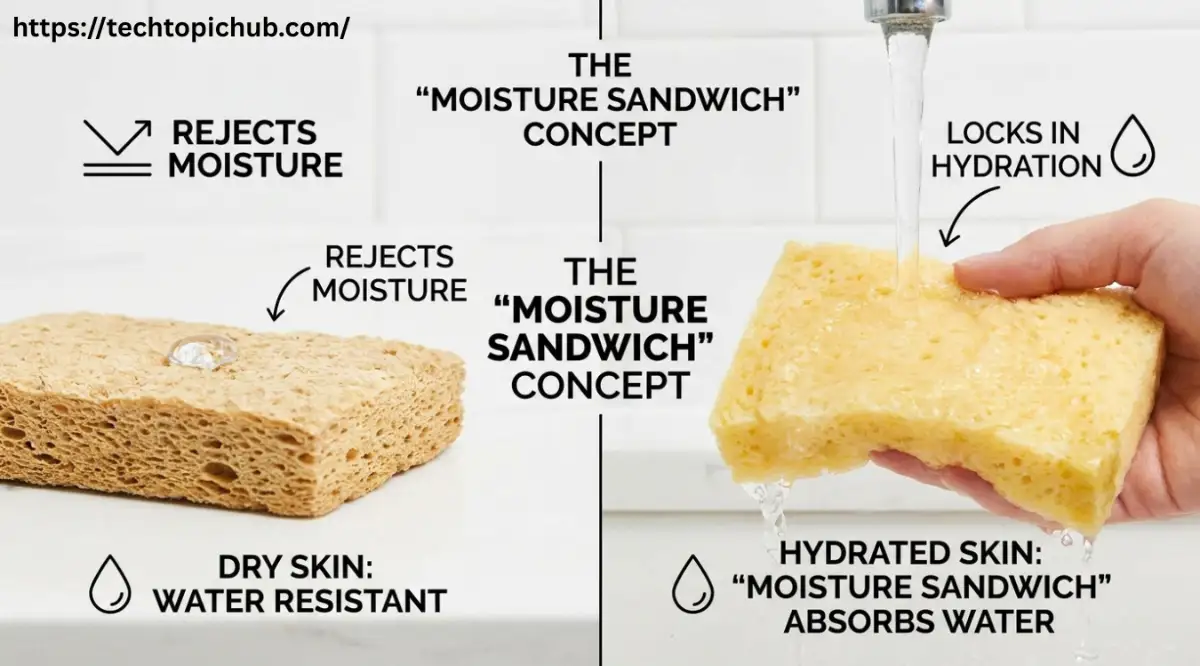
Putting a heavy cream on bone-dry skin is a massive waste of your expensive products and your time. Imagine holding a completely dry, hard kitchen sponge under a running faucet. The water just rolls right off the top and down the drain, right?
Now imagine squeezing that same sponge under the water so it becomes damp and incredibly soft. Suddenly, it absorbs everything instantly and holds onto the liquid. Your face acts exactly like that kitchen sponge. You must apply your hydrating products to damp skin to see actual results.
After you wash your face, gently pat it with a towel but leave a thin layer of water on the surface. Immediately apply your natural toners or serums while the face is still completely wet. Then, quickly seal all of that watery goodness in with your absolute heaviest moisturizer.
If you are still confused about how to layer your products without looking like a greasy mess, you absolutely need to watch this quick trick. Press play on the short video below to see exactly how I lock in moisture all day, and then keep reading to find out which natural oils will work best for your specific face!
The Hidden Power of Natural Plant Oils and Butters
Sometimes, a basic drugstore lotion just is not enough to fight off extreme indoor heating and dry winds. This is where rich, natural ingredients come in to completely save the day. Think of them as putting a thick, waterproof winter coat over your everyday clothes.
Plant oils and seed butters create an occlusive layer over your face when you sleep. An occlusive is simply a fancy scientific word for a strong barrier that blocks things from getting out. They sit on top of your pores and physically prevent your hydration from evaporating into the dry air around you.
Choosing the Right Natural Shield for Your Face
Not all natural oils are created equal, and picking the right one depends entirely on how your face normally behaves. If you are prone to clogged pores, you want something light but effective. If you are extremely flaky and peeling, you need the heaviest butter you can find.
Shea butter is a fantastic option for the driest, most stubborn patches of skin on your cheeks or forehead. It is loaded with essential fatty acids and vitamins that actually help repair the broken outer layers naturally. You can melt a tiny amount between your warm fingers and press it over your regular moisturizer right before bed.
If raw shea butter feels too heavy or sticky, pure squalane oil is an absolute miracle worker. It naturally mimics the oils your body already produces, meaning your body recognizes it and absorbs it beautifully. Just three little drops pressed gently into your cheeks can stop the freezing wind from burning you.
A Quick Look at Natural Winter Defenders
Here is a very simple breakdown to help you carefully choose the best ingredient for your specific daily needs:
Environmental Fixes You Probably Ignored
We spend so much time obsessing over exactly what we put on our skin, but we often completely ignore the environment we live in. You can have the best natural routine in the entire world, but it will not matter if your room is too dry. If your bedroom feels like a hot desert, you will always wake up feeling tight and dehydrated.
The Magic of a Bedroom Humidifier
Think about how horrible you feel when you wake up in the middle of a freezing winter night. Your throat is dry, your eyes are super scratchy, and your lips are completely chapped. This happens because your indoor heater is constantly pumping dry, artificial air into your room all night long.
Placing a simple humidifier right next to your bed puts pure moisture back into the air while you sleep. Your body is actually very smart and will absorb this environmental moisture completely naturally. It is exactly like giving your face a continuous, gentle drink of water for eight hours straight.
Many people notice their fine lines look significantly softer after just one week of sleeping with a humidifier running. This is because plump, deeply hydrated skin naturally fills out wrinkles and dry creases. It is the easiest adjustment you can make because it requires absolutely zero extra time in front of the mirror.

Adjusting Your Shower Habits Today
There is absolutely nothing more comforting than a boiling hot shower after standing out in the freezing cold. We all love to stand under the steaming water and let it slowly thaw us out after a long day. However, this is secretly one of the absolute worst things you can do to your body's outer barrier.
Hot water acts exactly like boiling water poured onto a greasy frying pan in your kitchen sink. It melts away the natural fats and completely strips the surface of any protection. The healthy sebum on your face simply melts away and washes down the drain, leaving you completely exposed to the dry air.
You must turn the shower temperature down to lukewarm, especially when you are washing your face and neck. If you absolutely need a hot shower to warm your body, keep your face out of the water entirely. Wash your face carefully at the sink afterward with cool or slightly warm water instead.
My Personal Temperature Rule for Washing:
- Hot Water (Over 100°F): Great for making tea. Terrible for your face. Melts off your natural oils instantly.
- Lukewarm Water (Around 85°F): Perfect. Feels slightly cool to the touch but warmly comfortable. Keeps your skin barrier happy and intact.
- Freezing Cold Water: Unnecessary. It does not "close your pores" (pores are not doors!) and can just irritate angry, flaky skin.
For the longest time, my absolute biggest mistake was taking boiling hot showers to warm up after walking in the freezing wind. I honestly thought the hot steam was hydrating my dry skin, but it was actually melting away all my natural protective oils. Once I started keeping my face out of the hot shower and washing it at the sink with cool water instead, my annoying red patches completely disappeared within a single week.
Healing from the Inside Out
We talked about how simply drinking water is not enough on its own, but what you eat still plays a massive role in how you look. Your outer barrier is literally built directly from the nutrients and vitamins you consume every single day. If you are not eating enough healthy fats, your body has absolutely nothing to build that strong barrier with.
Adding Healthy Fats to Your Daily Meals
During the warmer months, we tend to eat very light meals, but the cold weather demands a much richer diet. Foods packed with Omega-3 fatty acids actively help strengthen the delicate walls of your skin cells. When these cell walls are incredibly strong, they hold onto internal moisture much better throughout the day.
Try adding a small handful of walnuts or ground flaxseeds to your morning oatmeal for a quick boost. Incorporating fresh avocados into your lunch is another incredibly delicious way to give your body the natural oils it desperately needs. These very small dietary adjustments work hand-in-hand with your topical creams to create a beautiful, glowing complexion.
You can also look into taking natural supplements like evening primrose oil or sea buckthorn oil capsules daily. Many natural beauty experts swear by these specifically for reducing inflammation and keeping annoying redness at bay. Always check with your doctor first, but adding these healthy fats can completely transform your winter glow from the inside out.
What to Completely Avoid Right Now
Sometimes, fixing your severe dehydration is much more about what you quickly stop doing rather than what you start doing. There are several very common beauty habits that are perfectly fine in June but are incredibly damaging right now.
Stop the Harsh Physical Scrubs
When we see peeling, flaky patches sitting on our cheeks, our absolute first instinct is to aggressively scrub them off. We grab those grainy, sandy exfoliators and start harshly rubbing our faces in front of the mirror. We think we are making the surface nice and smooth, but we are actually causing thousands of tiny micro-tears.
Rubbing dry, severely damaged skin with rough particles is exactly like scratching a wound that is actively trying to heal. It causes massive inflammation and completely forces your body to lose even more precious water. The redness will multiply rapidly, and the uncomfortable flaking will only get ten times worse the very next day.
Instead of rough physical scrubs, use a very gentle chemical exfoliant like natural lactic acid just once a week. Lactic acid is totally amazing because it gently dissolves dead cells while simultaneously pulling fresh moisture into the new cells underneath. It is the safest, smartest way to remove flakes without causing massive panic and irritation.
Beware of Hidden Alcohols in Your Toners
Many conventional drugstore toners contain extremely high amounts of drying alcohols like SD alcohol or denatured alcohol. Brands love to use them because they make the liquid product dry quickly and feel totally weightless. But these specific alcohols act like highly aggressive chemical solvents on your delicate face.
They evaporate so incredibly fast that they actually take your own natural hydration with them right into the air. Check the ingredient labels on all your liquid products tonight and strongly consider throwing away anything with these harsh alcohols. Opt for deeply hydrating, natural toners made entirely with pure rose water, aloe vera, or natural glycerin instead.
Next-Level Strategies for Long-Lasting Moisture
Once you have mastered the basic changes to your daily wash and hydration habits, it is time to look at the bigger picture. Stopping extreme dryness for just one day is easy, but keeping your face consistently soft throughout the entire freezing season requires a smarter approach. We need to focus heavily on repairing the invisible protective wall on the outside of your face.
Skin experts and medical professionals constantly talk about the importance of protecting your natural barrier against environmental damage. According to comprehensive guidelines on protecting your skin barrier from severe weather damage, maintaining a healthy balance of natural oils is the only way to stop water from escaping. If this outer wall is heavily damaged by freezing winds, everything you put on your face will simply evaporate.
A fantastic advanced trick is to incorporate raw, unpasteurized honey into your weekly routine as a thick recovery mask. Raw honey is a natural humectant, which means it physically grabs water from the air and pulls it directly into your cells. It also contains powerful natural healing properties that instantly calm down bright red, angry patches on your cheeks.
You can easily spread a thin layer of raw honey over your slightly damp face and let it sit for twenty minutes. When you carefully wash it off with lukewarm water, your face will feel incredibly plump, deeply nourished, and entirely renewed. Doing this simple natural mask twice a week acts like an expensive spa treatment right in your own bathroom.
The Weekend Recovery Action Plan
Sometimes, your face just needs a complete reset after dealing with harsh freezing winds from Monday to Friday. Dedicate one evening over the weekend to give your face maximum attention and intense, layered hydration. This is not about rushing; this is about intentionally giving your body the exact tools it needs to repair itself.
Start by gently massaging your favorite pure plant oil into your face for a full five minutes to increase healthy blood circulation. This simple facial massage brings fresh oxygen to your surface cells and helps naturally flush out built-up daily toxins. Just like learning the best strategies for managing a personal budget online, taking calculated, intentional steps with your facial massage yields amazing long-term dividends.
Apply a thick layer of pure mango butter or raw shea butter right away after your gentle massage. On this particular recovery nite, you want to look extremely glossy before you go to bed. Your skin is forced to repair as you sleep because to our hefty sealing technique, which totally locks in every last drop of moisture.
Mastering Your Indoor Environment
We often completely forget how dramatically our daily surroundings impact our physical appearance. You can use the most expensive organic oils in the world, but sitting directly under a hot air vent will ruin all your progress instantly. You have to actively control your immediate environment to support your hydration goals.
If you work in a completely dry office building, keep a small bottle of pure rose water spray right on your desk. Give your face a very light mist every few hours, but remember to immediately press a tiny drop of jojoba oil over it to seal that moisture. You can easily find excellent foundational tips on maintaining good habits on any trusted general technology and lifestyle hub.
Another brilliant environmental adjustment is changing your standard cotton pillowcase to a pure silk or satin alternative. Heavy cotton acts like a massive sponge that aggressively drinks up all your expensive night creams while you sleep. A smooth silk pillowcase allows your heavy butters to stay exactly where they belong—on your freezing face.

The Dangerous Traps Ruining Your Progress
It is incredibly easy to accidentally destroy all your hard work by making a few very common, yet terrible daily mistakes. When we are desperate to fix uncomfortable peeling, we often panic and try aggressive methods that only make the situation much worse. We need to identify these hidden daily traps so you can safely avoid them entirely.
One of the most dangerous traps is the "Car Heater Mistake" during your morning commute. You get into a freezing cold car and immediately blast the heating vents directly onto your freezing face to warm up. This direct blast of hot, dry artificial air completely sucks the life and moisture out of your pores in a matter of seconds.
Always point your car heating vents down towards your freezing feet or directly at the windshield instead of your face. This simple adjustment keeps you perfectly warm without literally baking your delicate outer barrier into a dry desert.
The Illusion of Winter Safety
Many people completely stop wearing their daily sun protection the exact moment the summer ends and the temperature drops. They look outside, see heavy gray clouds or thick snow, and assume the sun cannot possibly harm them anymore. This is a massive misunderstanding that leads to severe long-term damage and terrible moisture loss.
Snow and ice actually reflect harmful ultraviolet rays directly back up onto your unprotected face, doubling your daily exposure. Trusted medical resources from the Skin Cancer Foundation explain winter sun dangers in great detail, proving that cold weather does not stop UV damage. You absolutely must continue wearing your natural mineral sunscreen every single day, regardless of how freezing it is outside.
Failing to protect your face from winter sun is exactly like trying to speed up the home selling process by skipping the home inspection it seems easier now, but it causes massive disasters later. Sun damage destroys the collagen that helps your face hold onto natural water. Apply your thick, moisturizing sunscreen as the absolute final step in your morning routine to stay completely safe.
The Aggressive Towel Drying Habit
Think about how you normally dry your face after washing it in the bathroom sink. Most of us grab a rough cotton hand towel and aggressively rub it up and down until every drop of water is completely gone. This aggressive friction causes thousands of invisible micro-tears on a face that is already severely weakened by the cold.
When your barrier is compromised, rubbing it with a rough towel is exactly like scratching an open wound. It immediately triggers massive inflammation, causing those annoying red, hot patches that take days to fully disappear.
Instead of rubbing, you should only ever gently press or pat a remarkably soft microfiber towel against your wet skin. Better yet, simply let your face air dry for about ten seconds before you immediately start applying your hydrating serums. Leaving your face slightly damp is the ultimate secret weapon for maximum daily product absorption.
Ignoring the Most Vulnerable Areas
When we slather on our heavy creams, we usually focus entirely on our cheeks and our forehead because they feel the tightest. However, we often completely neglect our lips and the incredibly delicate area directly under our eyes. These specific spots actually have the thinnest outer layers on our entire body and lose water the fastest.
Licking your dry lips when you step outside is the absolute worst thing you can possibly do. Your saliva contains natural digestive enzymes that literally eat away at the protective skin on your mouth, making them crack and bleed. You need a thick, natural beeswax or pure lanolin lip balm applied heavily before you even open your front door.
Just like trying to quietly build a solid emergency fund without completely ignoring your past debt, you cannot fix your cheeks while totally ignoring your cracking lips. Gently tap a tiny amount of raw squalane oil directly under your eyes before bed to stop that tight, stinging sensation. Protecting these extremely vulnerable zones ensures your entire face stays totally comfortable all day long.
Your Personal Action Plan for Glowing Winter Confidence
You no longer have to wake up dreading the harsh reality of looking in the mirror during the cold months. By making these highly specific, natural adjustments, you are taking complete control over how your body reacts to extreme environments. You are actively choosing to protect, deeply nourish, and carefully defend your outer barrier instead of constantly fighting against it.
Start tonight by totally removing your harsh foaming cleansers and replacing them with a beautiful, rich cleansing balm. Take an extra three minutes to gently massage the natural plant oils into your cheeks, letting the day's stress melt away entirely. Lock all of that fresh hydration in with your thickest, most luxurious natural butter while your face is still slightly damp.
Tomorrow morning, remember to completely avoid blasting the car heater directly onto your face during your freezing commute. Apply your hydrating mineral sunscreen faithfully, and carry your natural lip balm in your pocket wherever you go. These small, highly intentional habits will rapidly transform your painful, peeling face into a beautifully plump and glowing canvas.
I know exactly how hopeless it feels to constantly fight against painful, flaky patches that refuse to heal. But once I finally threw away my harsh chemical washes and fully embraced heavy natural butters, my entire life completely changed. My skin finally feels incredibly comfortable, deeply soft, and entirely protected, and I know yours will too.
Common Questions About Fixing Winter Dehydration
Can I still use my strong retinol serums during the freezing months?
You can definitely still use them, but you must drastically reduce how often you apply them during the cold season. I highly recommend applying your retinol only one or two nights a week and always using the "moisture sandwich" method. This means applying a heavy natural cream before and after the retinol to prevent massive irritation and peeling.
Why does my face burn slightly when I apply my regular daily moisturizer?
If your usual, trusted moisturizer suddenly starts burning or stinging, it means your outer protective barrier is completely broken. Tiny, invisible cracks have formed from the cold wind, allowing the product to seep directly into your sensitive nerve endings. You need to immediately switch to an extremely simple, single-ingredient product like pure squalane oil until the severe cracks fully heal.
How long does it actually take to repair a completely broken barrier?
If you completely stop using hot water, harsh physical scrubs, and drying alcohols today, you will feel massive relief in just three to five days. However, for your outer barrier to become fully resilient and completely healthy again, it usually takes about three to four full weeks. You must stay incredibly consistent with your heavy natural butters every single night to see lasting results.
Is petroleum jelly considered a natural skincare step for freezing weather?
While petroleum jelly is completely safe and an excellent moisture sealer, it is technically a byproduct of the oil refining industry, not a botanical plant extract. If you are strictly looking for an organic, 100% natural alternative to petroleum jelly, pure unrefined shea butter or natural beeswax balms are your absolute best options. They create the exact same heavy protective shield while providing extra vitamins that petroleum jelly simply lacks.
You really do not have to just accept dry, painful skin as a normal part of winter anymore. I promise that if you make these small, easy changes tonight, you will wake up feeling so much more comfortable tomorrow morning. Your face deserves to feel beautifully soft and protected all season long, so pick just one simple tip from this list and give it a try right now!
Disclaimer: The information provided in this blog post is for general educational and informational purposes only and does not constitute professional medical advice. Always consult with a board-certified dermatologist or healthcare provider before starting any new beauty routine, especially if you have sensitive skin, eczema, rosacea, or severe medical conditions. We do not promote or sell any specific products mentioned herein.
![Hidden Papaya Hacks for Glowing Skin and Beauty [Read Before Bed]](https://techtopichub.com/storage/uploads/blogs/1789407194_hidden-papaya-hacks-for-glowing-skin-and-beauty-read-before-bed.webp)
![The Ultimate Chemical-Free Routine for Better Skin Care and Skin Health [Save Money]](https://techtopichub.com/storage/uploads/blogs/1789228392_the-ultimate-chemical-free-routine-for-better-skin-care-and-skin-health-save-money.webp)