The Heartbreaking Reality of Getting Denied at the Boarding Gate
Imagine standing at the check-in counter, suitcase ready, only to be told you aren't flying today. It sounds like a rare nightmare, but it happened to me over a tiny water stain on my passport. I lost months of savings in five seconds. Most people think a valid passport is enough, but hidden rules about blank pages, expiration dates, and transit visas can ruin your trip before it even starts. Here is exactly how to audit your documents so you never get left behind at the gate.
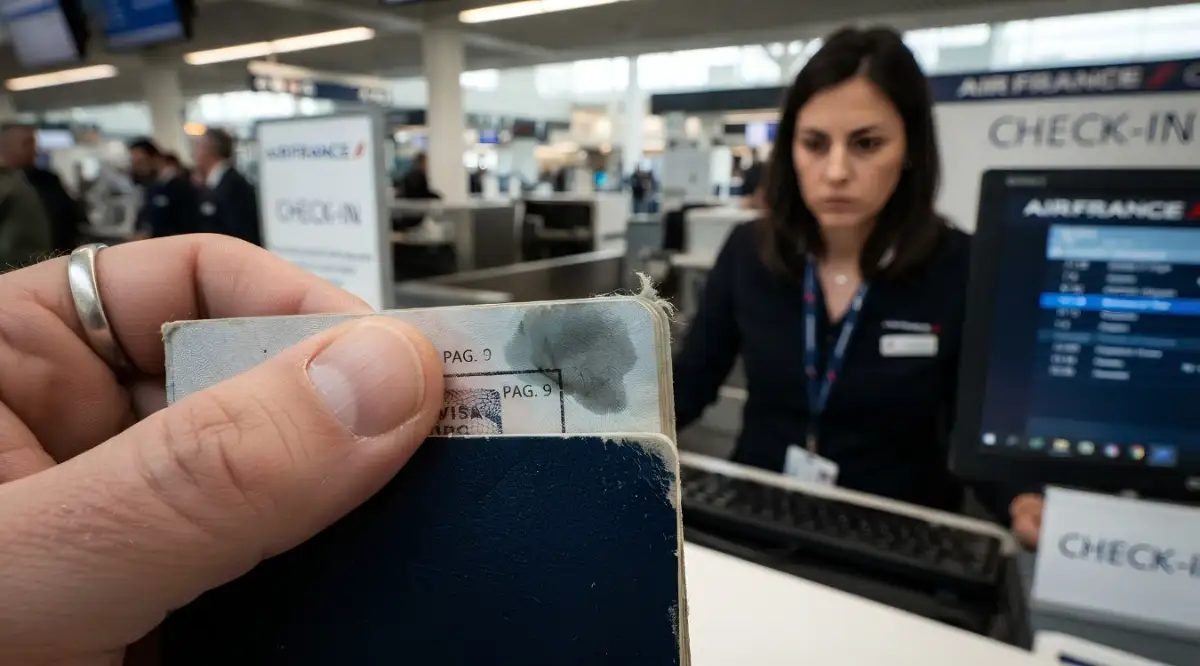
I will never forget the sinking feeling in my stomach as I stood at the international check-in counter for my highly anticipated dream vacation. The airline agent looked at my travel documents, typed something into her keyboard, and then shook her head with a look of pity. My passport was perfectly valid for another four months, but the country I was flying to strictly required six months of validity beyond my arrival date. In that single moment, all my months of saving money, planning itineraries, and packing my bags simply vanished into thin air. I had to walk out of the airport with my heavy luggage, feeling completely embarrassed and devastated.
This exact nightmare happens to thousands of normal travelers every single day across the globe. You spend countless hours researching hotels, picking the perfect window seat, and dreaming about your upcoming adventure. But one tiny, overlooked detail in your official identification can turn your dream trip into a highly expensive disaster.
If you are planning an upcoming trip, this guide is going to be your best friend. We are going to walk through every single thing you need to verify before you even think about hitting that flight confirmation button.
Don't Get Denied: Your 60-Second Survival Checklist
- The 6-Month Buffer: Ensure your passport is valid for at least 6 months after your trip ends.
- The "Double Blank" Rule: Most countries require two back-to-back empty visa pages.
- Name Match: Your ticket name must be an identical match to the letters on your passport's bottom strip.
- Damage Check: Any liquid damage, rips, or loose pages can disqualify your document instantly.
- Transit Check: Always Google "[Your Nationality] transit visa for [Layover Country]" before booking.
Decoding Your Travel Documents Before Booking Any Ticket
Before you hand over your credit card details to an airline, you must perform a thorough audit of your primary identification. Think of your passport like a carton of milk in your refrigerator. Just because it hasn't technically expired yet does not mean it is still good to use for everything.
Different countries have wildly different entry laws, and these laws change constantly without any loud announcements. Let us break down exactly what you need to look for right now.
The Six-Month Validity Rule Explained in Plain English
The biggest trap that catches travelers off guard is the famous six-month rule. Most major tourist destinations demand that your passport remains valid for at least six months after your planned date of departure from their country.
Travel Myths That Will Get You Grounded
- Myth: "My passport expires in 3 months, but I’m only staying for a week, so I'm fine."
- Fact: Most airlines won't even let you check in. They follow the 6-month rule to protect themselves from fines.
- Myth: "I don't need a visa if I'm just staying inside the airport for a layover."
- Fact: Countries like France, the UK, or Canada often require "Airport Transit Visas" for certain nationalities, even if you never leave the terminal.
- Myth: "A small coffee stain on the corner of my passport doesn't matter."
- Fact: If that stain touches the barcode or your photo, it's considered a damaged document. You're staying home.
They do this to ensure that if you get sick, have an accident, or face an emergency, you have a valid ID to stay a bit longer. If your expiration date is cutting it close, the airline system will automatically block your boarding pass from printing.
Always open your booklet and check the expiration date today. Count forward six months from the day you plan to fly back home. If your document expires anywhere within that window, you need to apply for a renewal immediately before making any non-refundable travel plans.
Quick Check: Is Your Passport Actually "Valid"?
The Hidden Mystery of Blank Pages
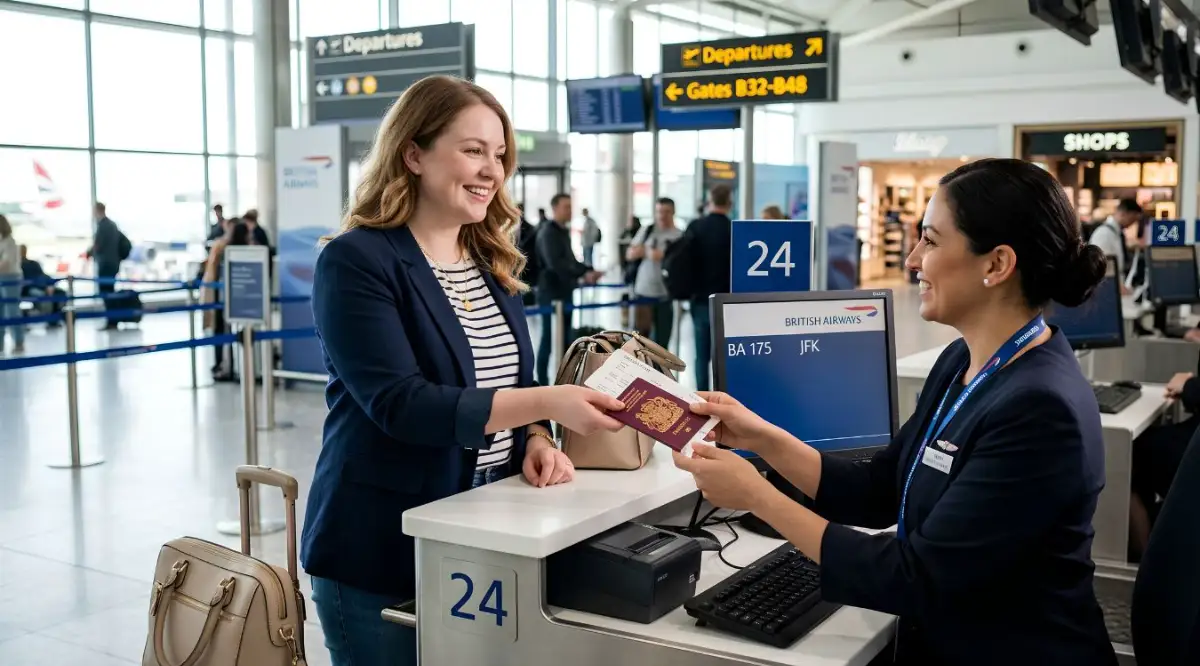
Another incredibly common reason people get turned away at the airport is a lack of completely blank pages. You might think that having a few empty corners here and there is enough for a small entry stamp.
Unfortunately, border control officers do not see it that way. Many countries strictly require at least two completely blank visa pages facing each other.
Some nations require even more space if they use large, full-page sticker visas. Take a moment to flip through your booklet. If you only have one or two clean pages left, it is highly recommended to get a new booklet to avoid any sudden rejections at immigration.
Matching Your Name Perfectly Across All Platforms
This sounds like common sense, but name mismatches cause endless headaches at airport terminals. The name on your airline ticket must be an exact, letter-for-letter match with the name printed on your government-issued ID.
If you recently got married and changed your last name, but your passport still shows your maiden name, you must book your flight under your maiden name. The airline agents do not care about your marriage certificate; they only care about what the computer scans.
A Pro Tip from My Own Experience
I once booked an expensive international ticket using my common nickname because that is what my friends call me every day. When I got to the airport, the system completely rejected my reservation because my passport had my full legal birth name. I had to pay a huge penalty fee just to change a few letters on my ticket, which almost made me miss my departure. Always type your name exactly as it appears on the official machine-readable zone of your ID.
Understanding Visa Variations and Processing Times
Getting clearance to enter a foreign country is no longer a one-size-fits-all process. The days of simply showing up and getting a stamp are quickly disappearing for many destinations.
You need to know exactly what kind of entry permission you require long before your travel date. Let us look at the most common types of entry permissions you will encounter.
The Traditional Sticker Visa
This is the old-school method that requires you to physically mail your documents to an embassy or visit a consulate in person. This process is heavily time-consuming and often requires mountains of supporting documents like bank statements and employment letters.
Never book a non-refundable flight if you still need to apply for a traditional sticker visa. Processing times can randomly jump from two weeks to two months depending on how busy the embassy is at that moment.
The Modern Electronic Visa (e-Visa)
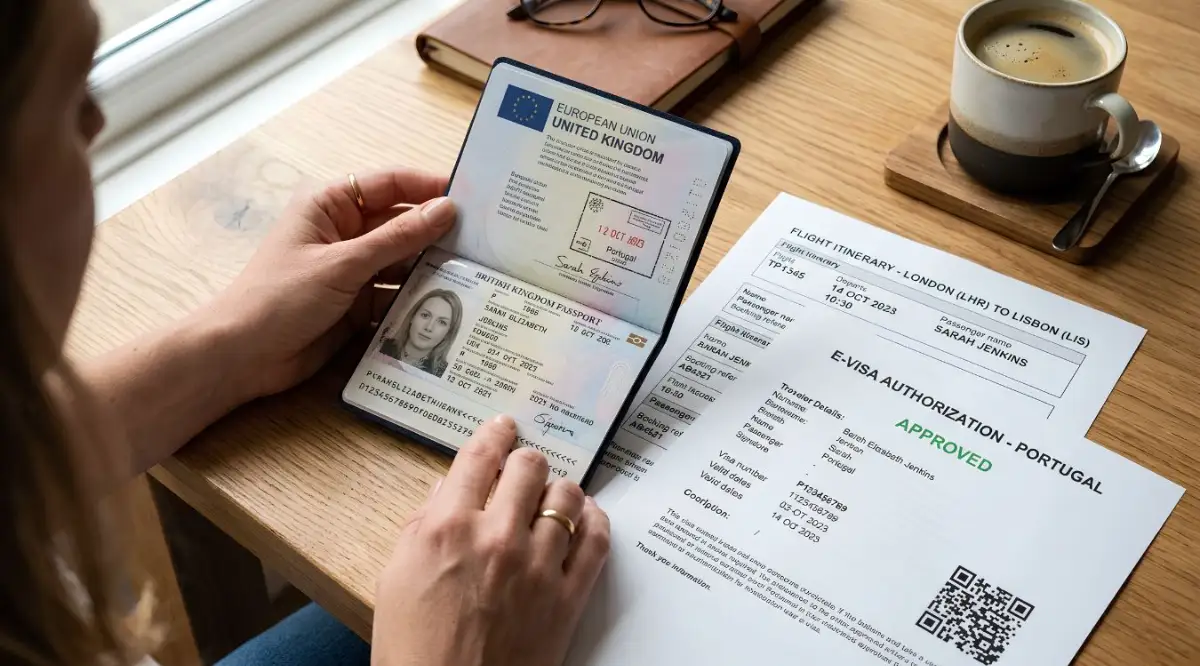
Many popular tourist spots now use digital systems to process entry requests. You fill out an online form, upload a digital photo, pay a fee, and receive a PDF approval in your email.
While this is much faster, do not wait until the last minute. System glitches happen, and sometimes manual reviews are required. Always print a physical copy of your approved e-Visa to show the airline staff, as they often need to manually input your approval number into their departure system.
Visa on Arrival (VoA) Realities
Some friendly nations allow you to simply land and pay for your entry stamp right at the immigration counter. However, airlines still need proof that you are actually eligible for this privilege before they let you on the plane.
Want to see the exact hidden system airport agents use to secretly check your entry status behind the desk? Watch this short video below to understand their process, and then keep reading to uncover the sneaky transit traps that catch most travelers off guard!
Make sure you have the exact currency they require for the VoA fee. Many small airports will not accept credit cards for these specific government fees, and ATM machines in the arrival hall are frequently broken.
The Silent Threat of Transit Visas

This is the sneaky trap that ruins complex travel itineraries. Sometimes, you are only stopping in a country for two hours to catch a connecting flight. You have no intention of leaving the airport.
However, certain countries require a specific transit visa just to walk through their terminal building. If you are flying through multiple different regions, you must check the transit rules for every single layover.
Direct Flights vs. Layover Requirements
If you book a cheap flight that requires you to collect your luggage and re-check it with a different airline, you are technically entering that transit country. This means you will need full entry clearance, even if you are only there for a few hours.
Gathering Additional Mandatory Boarding Documents
Having a valid ID and an approved entry stamp is often just the beginning of the verification process. Immigration authorities want to make sure you are not planning to stay in their country illegally.
Airlines act as the first line of defense for these border control agencies. Because of this, the check-in staff will ask you for several supporting documents to prove your intentions are genuine.
Proof of Onward Travel is Non-Negotiable
Most nations require solid proof that you intend to leave their territory before your legal time runs out. The easiest way to prove this is by showing a confirmed return flight ticket back to your home.
If you are a digital nomad or an open-ended traveler, this rule can be highly frustrating. You cannot just tell the check-in agent that you plan to buy a bus ticket later.
They need to see a confirmed, paid-for reservation out of the destination country. Many travelers use onward ticket rental services for this exact purpose, but having a genuine return flight is always the safest option.
Accommodation and Financial Verifications
Border agents want to know exactly where you will be sleeping on your first night in their city. Always have a printed copy of your hotel reservation or Airbnb booking ready to show at the counter.
If you are staying with a friend or family member, you might need a formal letter of invitation from them. In some cases, airlines may also ask to see proof of sufficient funds.
This usually means showing a recent bank statement or having a certain amount of cash on hand. They just want to ensure you can financially support yourself during your vacation without seeking illegal employment.
Navigating Dual Citizenship Complications
If you are lucky enough to hold passports from two different countries, you have a great advantage. However, traveling with two different books can cause serious confusion during the flight registration process.
The general rule is that you must enter and exit a country using the exact same document. You cannot show one book to the airline and a different book to the immigration officer.
Always book your airline ticket using the details of the specific book you plan to present at your final destination's border control. Keep the other one safely tucked away in your bag unless specifically asked for it.
Health and Vaccination Certificates
While many global health restrictions have relaxed recently, several regions still require specific medical documents. The most common example is the Yellow Fever vaccination certificate.
If you are traveling to or passing through certain parts of Africa or South America, this little yellow card is just as important as your primary identification. Without it, the airline will absolutely refuse to let you board.
Always check the specific health entry requirements for your destination on official government websites. Do this weeks in advance, as some vaccines take several days to become fully effective in your system.
Dealing with Children’s Travel Paperwork
Traveling with minors adds a completely new layer of strict documentation requirements to your journey. Governments are highly focused on preventing international child abduction, which means the rules are intensely monitored.
If you are a single parent traveling alone with your child, you will likely need a notarized letter of consent from the absent parent. This letter must clearly state that they give you permission to take the child across international borders.
You should also carry an original copy of the child's birth certificate to prove your relationship. These extra papers might seem annoying, but they are designed to keep families safe.
Creating Your Personal Pre-Flight Master Checklist
To avoid any panic at the airport, you should organize all your paperwork at least one week before your departure date. Do not leave this task for the night before your flight.
Create a dedicated physical folder for your trip. Inside this folder, place your physical ID booklet, printed copies of your entry approvals, your return flight itinerary, and your hotel confirmation.
Having physical copies is incredibly important because mobile phones die, and airport internet connections frequently fail. When you step up to the airline counter and hand over a neatly organized folder, the verification process becomes wonderfully smooth and stress-free.
Expert-Level Tactics for Bulletproof Travel Paperwork
If you want to travel the world without constantly worrying about airline rejections, you need to think like an immigration officer. Most people simply glance at their flight tickets and hope for the best.
However, smart travelers take full control of their paperwork long before they ever pack their bags. Let us explore some highly effective strategies that frequent flyers use to bypass airport document drama completely.
Understanding the Invisible Airline Database System
When you hand your identification to the check-in agent, they are not just looking at your handsome or beautiful face. They immediately type your details into a massive global database used by nearly every major airline in the world.
This background software is what actually decides if you get your boarding pass or if you get sent home in tears. The system instantly cross-references your nationality, your destination, and your transit stops against current border laws.
If you want to be completely proactive, you can actually verify your own status through the IATA Travel Centre system, which is the exact same database the airlines use. By checking this yourself a week before departure, you eliminate any nasty surprises at the counter.
The Silent Danger of Micro-Damage on Official Booklets
We treat our travel documents like regular notebooks, tossing them into backpacks or shoving them into tight jeans pockets. This is a massive mistake that can cost you your entire vacation budget.
Your official identification booklet contains an incredibly sensitive, invisible RFID chip embedded in the back cover. If you accidentally bend this cover too hard, that tiny microchip will snap and permanently break.
When the airport agent tries to scan your book and the machine beeps red, they will refuse to let you board the plane. They cannot manually override a broken chip for international departures.
Always keep your documents inside a hard, waterproof case whenever you leave the house. If you notice a ripped page, a loose cover, or water damage, read the U.S. Department of State guidelines on damaged passports to see if you need an immediate replacement.
Preparing for Unexpected Medical Travel Hurdles
Sometimes, getting clearance to fly has nothing to do with immigration laws and everything to do with sudden global health alerts. A country might suddenly demand proof of a specific medical test or a brand-new vaccination certificate just hours before your flight.
If you are caught off guard, you might have to rush to a highly expensive airport medical clinic to get a required shot. Having a solid financial backup plan is completely necessary for these weird airport emergencies.
I highly recommend keeping cash aside for trip disruptions, similar to the secret to building an emergency fund without ignoring your debt at home. Also, if you do end up paying out of pocket at an airport clinic, understanding health deductibles and co-pays will help you figure out if your travel insurance will actually reimburse you later.
Setting Up Automated Expiration Alerts
Human memory is terrible, especially when it comes to dates that are years in the future. We confidently assume our documents are valid right up until the night before the flight.
Do not rely on your brain to remember when you need a renewal. Grab your phone right now and open your digital calendar application.
Set a loud, repeating alarm for exactly nine months before your document officially expires. This gives you a comfortable three-month window to get a new booklet before that dreaded six-month validity rule ever becomes a problem.
I completely missed a close friend's destination wedding once because I wrongly assumed I could just renew my documents a week before my flight. Trust me, paying for a rushed emergency renewal cost me way more than my actual plane ticket, so now I treat that nine-month phone alarm like an unbreakable rule.
Handling Unfair Treatment at the Airline Counter
Very rarely, you might encounter an airline agent who completely misinterprets a complex entry law. They might look at your perfectly valid e-visa and wrongly claim that you need a different type of stamp.
If you know you are legally correct, politely ask them to call a supervisor or check the system again. If an agent denies you boarding unfairly based on a misunderstanding of your nationality, you must take notes of the exact conversation.
Treat this stressful situation just like a complete blueprint for documenting workplace discrimination before seeking legal help by writing down the agent's name, the time, and their exact reasoning. You will absolutely need this detailed evidence when you request a full refund from the airline corporate office later.
Catastrophic Oversights That Will Ruin Your Vacation
Let us have a deeply honest conversation about the mistakes that destroy dream vacations. These are not just small inconveniences; these are absolute disasters that drain your bank account and break your heart.
When you make a mistake with your flight registration papers, there is zero sympathy from the airline industry. They will strictly follow the law, and you will be left standing on the curb with your luggage.
Falling into the Separate Ticket Transit Trap
This is easily the most common and financially devastating mistake budget travelers make. Let us say you find a super cheap ticket from New York to London on one airline, and another cheap ticket from London to Paris on a completely different airline.
You excitedly book both tickets, thinking you just saved hundreds of dollars. But here is the brutal reality: because these are separate reservations, the first airline will not transfer your luggage to the second flight.
When you land in London, you legally have to pass through UK immigration, collect your heavy bags, and go back upstairs to the departure hall. If you do not have a full UK entry visa, the first airline in New York will completely deny your boarding pass. You will lose both of your flights instantly just because you tried to save a little money on separate bookings.
Blindly Trusting Unofficial Visa Websites
When you search online for an electronic entry permit, the first page of Google is often filled with beautiful, official-looking websites. These sites feature government flags, professional logos, and highly convincing application forms.
However, many of these are actually third-party broker sites that charge you massive hidden fees. Even worse, some are outright scams designed to steal your passport data and your credit card information.
They will take your money and send you a fake PDF document that looks perfectly real. You will not realize you have been scammed until the airport agent scans the barcode and tells you it is completely invalid.
Always take an extra five minutes to verify you are on the genuine government portal. You can easily read through the Federal Trade Commission consumer guide on travel scams to learn exactly how to spot these fake entry permit websites before you type in your credit card numbers.
Assuming the "Onward Ticket" Rule is Just a Suggestion
Many free-spirited backpackers love to travel with one-way tickets, planning to figure out their next destination later. They walk up to the airline counter with a big smile, assuming the agent will just wave them through.
This never happens in reality. If the destination country demands proof of a return flight, the airline will demand to see a confirmed ticket right then and there.
When you get caught without an onward ticket, panic sets in immediately. You will be forced to stand by the counter, desperately trying to use the terrible airport Wi-Fi to buy the most expensive, fully refundable flight out of the country before the check-in desk closes.
Ignoring the Fine Print on Electronic Approvals
Getting that confirmation email for your e-visa feels amazing, but your job is not finished yet. You must open that attached PDF document and read every single word of the fine print.
Some countries strictly require you to print the approval on a completely blank sheet of A4 paper. If you show up with the document on your phone screen, or if the printed page has a tiny smudge of ink on the barcode, border control can reject you.
Other nations specify exactly which airport you are legally allowed to fly into with that specific digital stamp. If your approval clearly says you must land in the capital city, but you booked a cheap flight to a coastal beach town instead, the airline will not let you get on the plane.
Your Master Plan for Seamless Airport Arrivals
We have covered a massive amount of important ground today, from hidden expiry rules to complex transit requirements. The entire process of preparing your paperwork might feel a bit overwhelming right now, but it truly does not have to be stressful.
Think of this preparation as the very first step of your actual vacation. By taking care of the boring legal details early, you completely remove the anxiety of check-in day.
Building Your Personal Pre-Flight Review Routine
You need a strict routine that you follow every single time you plan to cross an international border. First, always physically hold your primary identification book and read the expiration date out loud.
Second, map out your exact flight path and check the transit rules for every single airport you will step foot inside. Third, verify the official government entry requirements for your final destination, and never rely on outdated travel blogs for legal visa advice.
Finally, create a neat, physical folder containing your return ticket, your accommodation proof, and your printed electronic approvals. When you confidently hand this perfectly organized folder to the airline staff, they will instantly know you are an experienced, prepared traveler.
A Few Words From My Own Travel Journey
I used to be terrified of airport check-in counters because I always felt like I was doing something wrong. But once I started treating my travel documents with absolute respect and checking the rules weeks in advance, that fear completely disappeared. I want you to feel that exact same peace of mind when you walk into the terminal for your next big adventure. Take control of your paperwork today, double-check those dates, and get ready to enjoy the trip of a lifetime.
Clear Answers to Your Biggest Pre-Flight Questions
Can I still travel if my passport expires in exactly three months?
For domestic flights within your own country, a three-month validity is perfectly fine and you will face no issues. However, for almost all international trips, you will be firmly denied boarding because most nations strictly demand at least six months of validity.
Do I actually need a transit visa if I never leave the airport terminal?
This entirely depends on the specific country you are laying over in and your personal nationality. Many countries require a special transit document even if you stay strictly inside the secure departure lounge for just one hour.
What happens if the airline accidentally spells my middle name wrong on the ticket?
A minor spelling error on a middle name is usually tolerated by most major airlines, but it can still cause delays at security checkpoints. To be completely safe, you should always call the airline immediately after booking to correct any spelling mistakes before you arrive at the terminal.
How early should I apply for a digital electronic visa?
You should submit your digital application at least one full month before your scheduled departure date. While many systems approve requests within 24 hours, unexpected system maintenance or random background checks can delay the process for weeks.
Will a digital picture of my passport on my phone work at the check-in desk?
Absolutely not. Airlines and border security agencies legally require the original, physical booklet to scan the embedded security features and verify your identity officially.
I know dealing with strict travel rules and boring paperwork is the least fun part of planning any getaway, but taking care of it early gives you total peace of mind. Grab your passport right now, take ten minutes to check those dates, and you will walk into that airport feeling completely unstopppable. Your next great adventure is waiting for you, so go make it happen!
Disclaimer: The information provided in this article is for educational and informational purposes only and does not constitute legal or official immigration advice. Entry requirements, visa laws, and airline boarding policies change frequently and without notice. Always verify your specific travel document requirements with the official government embassy or consulate of your destination country prior to booking any flights or accommodations.