The Hidden Nightmare of Unexpected Airport Rejections
You’ve spent months planning, thousands of dollars on tickets, and hours packing your bags. But when you get to the airport, the lady behind the counter shakes her head. You aren't going anywhere. It’s not because of a late flight or a canceled booking—it’s a tiny mistake on your passport or a visa rule you didn't know existed. I’ve been there, and it’s a mess you want to avoid. Let's make sure your next trip doesn't end before it even starts.
I still remember the cold sweat running down my back as I stood at the airline check-in counter. My bags were fully packed, my hotel was confirmed, and I was absolutely ready for my dream vacation. Then, the airline agent handed back my passport with a sympathetic look and said I simply could not fly.
My visa was perfectly fine, but my passport was expiring in exactly five months instead of six. I felt completely crushed and helpless at that exact moment as people behind me stared. All my hard-earned money and months of careful travel planning went straight down the drain in seconds.
Every single day, thousands of ordinary travelers face this exact heartbreaking nightmare at airports around the world. Families show up with highly excited kids, only to be turned away because a name is misspelled by just a single letter. Business travelers miss out on massive career opportunities simply because they did not understand complex transit visa rules.
It creates an overwhelming sense of embarrassment and deep anxiety while standing in a busy terminal. You start blaming yourself for not reading the airline rules just a little bit closer before leaving the house. The reality is that immigration websites are extremely confusing and highly difficult for normal people to understand.
Even the most experienced flyers get caught in these unexpected documentary traps from time to time. You need a clear, actionable plan to protect yourself from this emotional and financial disaster. Taking a few extra minutes to double-check everything can save you from the ultimate travel tragedy.
Before You Head to the Airport: Your 30-Second Checklist
If you don't read anything else, make sure you check these four things right now:
- The 6-Month Rule: Does your passport expire within the next 6 months? If yes, renew it now.
- Exact Name Match: Your ticket name must match your passport letter-for-letter (No nicknames!).
- Blank Pages: You need at least 2-4 completely empty pages for stamps and stickers.
- Transit Rules: Check if your layover country requires a visa, even if you stay in the airport.
Mastering the Six-Month Passport Validity Rule
One of the most common reasons people are denied boarding is ignoring the golden six-month passport rule. Most countries legally require your passport to be valid for at least six months beyond your planned date of departure. This is not just a suggestion from the airline, but a strict immigration law enforced globally.
Many travelers wrongly assume that a valid passport is simply one that has not expired yet. If your passport expires next month, it is practically useless for international travel to most destinations. Always count six months forward from the exact date you plan to fly back to your home country.
There is a highly logical and scientific reason behind this strict international border policy. If a tourist gets sick, faces a sudden emergency, or global flights are grounded, they might get stuck abroad. Immigration departments want a safe buffer zone to ensure you do not become an undocumented person in their country.
A great habit is to set a loud digital calendar reminder exactly nine months before your passport officially expires. This gives you plenty of comfortable time to apply for a renewal without paying expensive emergency processing fees. Never wait until the absolute last minute to realize your primary travel document is suddenly invalid for boarding.
Name Matching and Spelling Verification Tricks
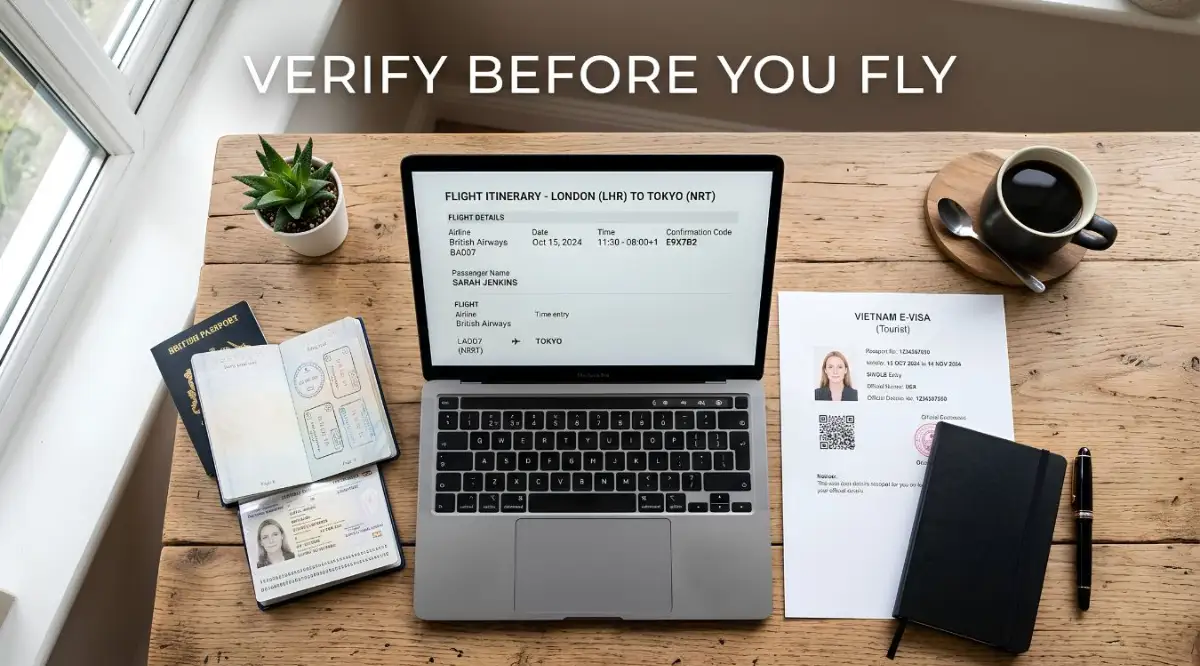
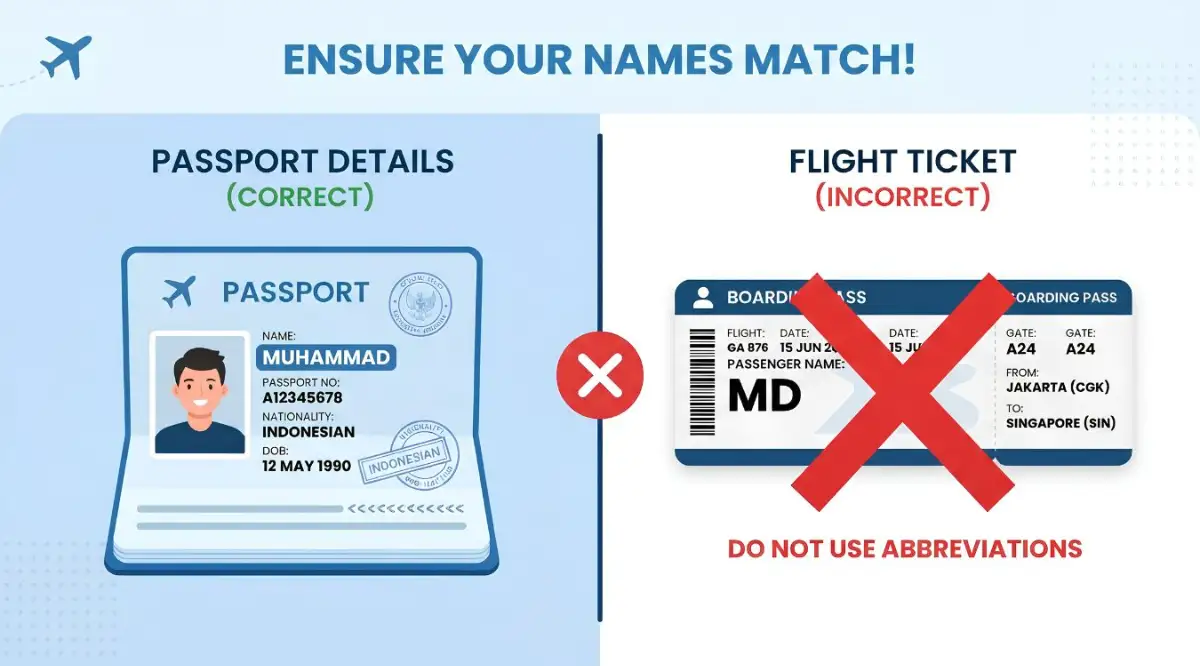
A tiny spelling mistake on your flight registration can cause a massive headache at the security gate. The exact name printed on your airline ticket must precisely match the machine-readable zone of your passport. Even a missing middle name or a shortened nickname can trigger an automatic security flag by the airline software.
For example, if your official passport says "Muhammad", do not let your travel agent write "Md" on the ticket. Automated border control scanners do not understand human logic, they only verify exact character matches in their digital database. Any slight discrepancy requires human intervention, which often leads to intense questioning and possible flight denial.
If you recently got married and legally changed your last name, you must be extra careful during ticket booking. Make sure you are traveling with the passport that legally matches the name you used to book the specific flight. It is incredibly painful to lose an expensive ticket simply because of a single misplaced letter on a boarding pass.
The Secret World of Transit Visas Explained
Many travelers completely forget to check the document requirements for the countries they are connecting through. You might have a perfectly valid visa for your final destination, but your layover country might require a separate transit visa. This specific rule traps thousands of budget travelers who intentionally book cheaper flights with multiple long layovers.
I once thought that staying inside the airport during a layover meant I did not need any extra documents. I quickly learned the hard way that some countries demand a transit visa even if you never step outside the terminal. Always check the specific layover rules for your exact flight path to save yourself from unexpected boarding denials.
Different nations have entirely different policies depending on the exact length of your airport layover. A two-hour connection might be perfectly fine, but an eight-hour wait might legally require official government clearance. If you are flying on two different budget airlines, you might have to clear immigration just to collect your baggage.
Understanding Blank Page Policies for Immigration
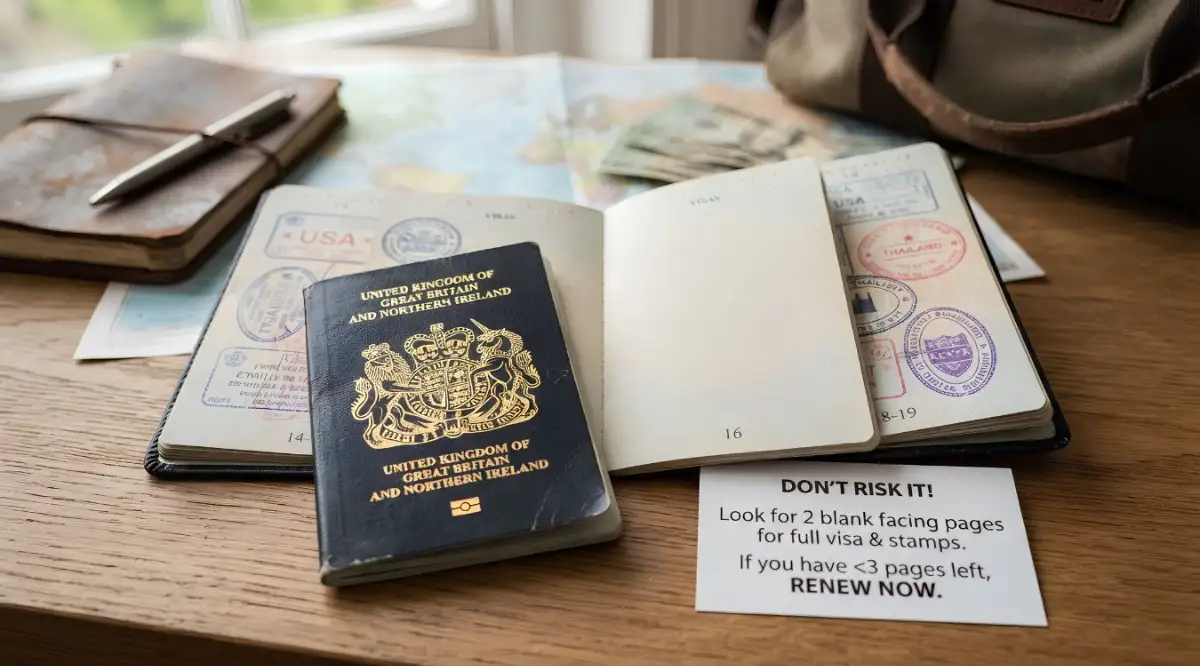
Border agents heavily rely on passport stamps and physical visa stickers to officially track your international movements. Many countries require at least two completely blank pages in your passport before they even allow you to board the plane. If your passport is full of old memories and colorful stamps, you might actually be in serious travel danger.
A physical visa sticker usually takes up one entire page of your passport booklet all by itself. Entry and exit stamps will easily consume another half page when you finally arrive at your chosen destination. If the border guard has no physical space to stamp your entry, they will put you on the next flight home.
You should always physically count the empty pages in your passport before starting your flight registration process. Do not count the final pages labeled specifically for "Endorsements" or "Amendments", as agents cannot use those for visas. If you travel frequently for business, always request a passport booklet with extra pages during your next scheduled renewal.
The 'Two-Page' Rule: A Quick Check
Don't just flip through your passport. Look for two completely blank pages facing each other. Why? Because some countries, like South Africa or India, won't just stamp a corner; they want a full page for their visa sticker and another for the entry/exit stamps. If you're down to your last 3 pages, it’s time to renew. Don't risk it.
Proof of Onward Travel and Accommodation Secrets
Having a valid visa is sometimes only the first half of the strict immigration puzzle you must solve. Many airlines will simply refuse to print your boarding pass if you cannot show a confirmed return ticket. Immigration officers need solid proof that you fully intend to leave their country before your authorized visa expires.
If you are a digital nomad traveling on a flexible schedule, this rule can be highly frustrating. However, border control views one-way tickets as a major red flag for illegal immigration or unauthorized employment. They want a clear, documented timeline of your exact arrival and your scheduled departure.
To help you stay organized, here is a quick breakdown of what 'Proof of Stay' actually looks like for border agents:
You must also carry clear printed proof of where you will be sleeping during your international stay. A confirmed hotel booking or an official invitation letter from a resident is usually required at the primary check-in desk. Keep these documents easily accessible in your carry-on bag so you can present them smoothly and confidently.
Visa on Arrival vs Digital e-Visas
We live in an era where digital travel documents are becoming highly popular and very easy to obtain. However, there is a massive difference between an electronic visa and a traditional Visa on Arrival facility. Mixing these two distinct categories up can leave you stranded at an international departure gate.
An e-Visa requires you to fill out an online application and receive digital government approval before you even reach the airport. The airline will actively check this digital approval code in their global system during your initial flight registration. If the system does not show an active approval, the counter staff cannot legally check your bags.
On the other hand, a Visa on Arrival means you get the physical sticker after you land in the foreign country. However, the airline will still verify if your specific nationality actually qualifies for this special arrival facility. Always read the latest government updates, as countries frequently change their arrival policies without any major public announcements.
Myth vs Reality: Common Travel Document Misconceptions
There are countless rumors floating around the internet regarding what you actually need to board an airplane safely. Let us clear up some of the most dangerous myths that could ruin your upcoming vacation plans. Relying on outdated advice from internet forums is a guaranteed way to encounter serious trouble.
Myth: You can easily talk your way past an airline agent if your passport is only missing one day of validity.
Reality: The entire boarding process is digitally automated, meaning the computer will lock the agent out of printing your pass.
Myth: A photo of your visa on your mobile phone is just as good as the printed physical copy.
Reality: Many strict border checkpoints legally demand physical printed paper for their official government records.
Myth: If you have dual citizenship, you can freely mix and match your passports during a single trip.
Reality: You must generally enter and exit a specific country using the exact same passport to keep your records clear.
Special Rules for Traveling with Minors
Traveling internationally with young children involves a completely different set of strict document requirements. Governments around the world are working incredibly hard to prevent child trafficking across international borders. Because of this, parents often face extreme scrutiny when checking in for family flights.
If only one parent is flying with a child, you usually need a legally notarized consent letter from the absent parent. This letter officially proves that both legal guardians are fully aware of the international journey taking place. Without this single piece of paper, the airline holds the legal right to stop your child from boarding.
Adopted children or minors with different last names than their parents require even more supporting paperwork. Always carry original birth certificates or official legal guardianship documents in a safe, waterproof travel folder. Presenting these documents proactively shows the airline staff that you are a highly responsible and well-prepared parent.
Navigating Border Health Check Requirements
Modern travel often requires verifying specific health documents right alongside your passport and visa status. Certain tropical destinations absolutely require proof of specific medical vaccinations before they grant you entry. The Yellow Fever vaccination certificate is a prime example of a document that is strictly enforced globally.
If you recently visited a country with known health risks, your next destination might demand extra screening proof. The check-in agent will ask to see your official yellow health booklet before touching your luggage. Failing to produce this small document will instantly result in a denied boarding status.
Always research the current health entry requirements at least six weeks before your confirmed flight registration. This timeline gives your body enough time to build immunity if you need to take sudden medical shots. Treat your international vaccination booklet with the exact same level of respect as your government passport.
Preparing a 48-Hour Pre-Flight Final Audit
The absolute best way to ensure a smooth airport experience is to perform a strict document audit two days before flying. This 48-hour window provides just enough time to fix minor issues like printing forgotten hotel confirmations. Gather every single piece of required paper and lay them out clearly on your dining table.
Cross-check your flight ticket dates with your exact visa validity dates to ensure perfect alignment. Sometimes flights get delayed or pushed past midnight, which can accidentally push you into an invalid visa date. It is always better to catch these scheduling errors at home rather than arguing at the airport counter.
Make high-quality colored photocopies of your passport data page and your current active visas. Keep one set of copies in your checked luggage and leave another set safely at home with a trusted family member. If your actual documents get stolen abroad, these simple copies will make the emergency embassy replacement process significantly faster.
If you are a visual learner, watch this quick video to see exactly how I organize my travel folders before a big trip. Check it out below to feel totally confident, and then keep reading for more hidden secrets to protect your flight!
The Financial Reality of Boarding Denials
Many people assume that if they are denied boarding, the airline will simply refund their ticket money later. This is a highly dangerous assumption that catches thousands of casual travelers completely by surprise. According to strict airline policies, having the correct travel documents is entirely the responsibility of the passenger.
If you fail to produce a valid visa or passport, the airline marks you as a "no-show" for the flight. This means your expensive ticket is instantly canceled without any legal obligation for a cash refund. You will likely lose all the money you spent on non-refundable hotel rooms and pre-booked tourist activities as well.
Taking the time to verify everything thoroughly is essentially free financial insurance for your entire trip. Investing just twenty minutes of focused reading can easily save you thousands of hard-earned dollars. Always approach flight registration with a serious mindset and a highly organized document folder.
Insider Strategies for Flawless International Boarding
Once you understand the basic rules of travel documents, you can start using advanced strategies that frequent flyers rely on. These smart tactics will easily put you one step ahead of the strict airline registration software. You will confidently walk up to the check-in desk knowing your paperwork is absolutely bulletproof.
The biggest secret among global travelers is directly checking the exact database that airlines use. Whenever an airline agent types your name into their computer, they are pulling rules from a central global system. You can actually check this exact same information yourself from your home computer before you pack your bags.
The International Air Transport Association manages this massive global database for almost every commercial airline. You can use the IATA Travel Centre online portal to verify the precise rules for your specific nationality and destination. This free tool acts like a teacher's answer key for your upcoming immigration test.
By inputting your exact flight path and passport details, the system tells you exactly what documents the airline expects. This completely removes the guessing game and stops you from relying on random internet rumors. If the IATA system gives you a green light, you can pack your bags with total peace of mind.
The Hidden Dangers of Physical Document Damage
Many travelers focus entirely on expiration dates while completely ignoring the physical condition of their actual passport booklet. Border control officers are heavily trained to look for any signs of tampering, physical manipulation, or severe damage. A simple water stain from a spilled coffee can instantly make your legal document invalid for flying.
Even minor wear and tear can become a massive problem at automated airport scanning gates. The electronic chip hidden inside your passport cover is highly sensitive and breaks easily if you bend it. If the airport scanning machine cannot read your digital chip, the automated gates will refuse to open.
You might think a tiny tear on a blank page is nothing to worry about. However, immigration officers hold the legal right to deny entry if they feel the document is compromised. According to the U.S. Department of State's guidelines on damaged passports, serious water damage or peeling plastic over your photo requires immediate replacement.
Always keep your travel booklets inside a waterproof, hard-shell cover whenever you are moving around. Treat this small book with the exact same level of physical care as a highly expensive smartphone. A damaged travel document is basically useless and will leave you stranded at a foreign border checkpoint.
Navigating the Complexities of Dual Citizenship
Holding passports from two different countries is an incredible privilege, but it makes airport check-in highly complicated. You must constantly manage which document you present to the airline and which one you show to immigration. Mixing up these identities during your journey will trigger serious security flags in the global system.
The golden rule of dual citizenship travel is to always enter and exit a country using the exact same passport. If you enter a foreign nation using your blue passport, you cannot show your red passport when you leave. The border computers will think you overstayed your welcome because they have no record of the red passport arriving.
When you approach the airline check-in counter, always present the passport that gives you the best visa-free entry to your final destination. The airline agent only cares about your legal right to land at the arrival airport. They will swipe that specific document to approve your flight registration and print your boarding pass.
Building a Foolproof Digital Backup System
Physical papers get lost, stolen, or accidentally left behind in busy airport security trays all the time. Professional travelers never rely entirely on their physical paper trail when crossing international borders. You must build a secure, encrypted digital backup system that you can access from any internet connection on earth.
Create a specific travel folder inside a secure cloud drive and upload high-resolution scans of everything. This includes your passport data page, active visa stickers, hotel confirmations, and return flight tickets. Having a solid paper trail is just as important here as a complete blueprint for documenting workplace discrimination before seeking legal help to protect your rights.
You should also email these PDF attachments to your own personal email address before you leave for the airport. If you lose your phone and your physical bag, you can simply log into your email from a hotel computer. These digital copies will make visiting your local embassy for emergency replacements significantly faster and less stressful.

Heartbreaking Errors That Will Destroy Your Travel Plans
Even the smartest people make highly painful mistakes when planning a big international vacation. The excitement of booking a dream trip often makes us completely blind to the boring administrative details. Sadly, airlines show absolutely zero mercy when you make a mistake during the flight registration process.
One single oversight can cost you thousands of dollars and completely ruin months of careful planning. Families often stand at the departure gate with crying children because a parent missed a tiny rule on an application form. Let us look at the most dangerous traps that catch thousands of unsuspecting travelers every single day.
Falling for Third-Party Visa Application Scams
The internet is completely flooded with beautiful, professional-looking websites promising fast and easy visa approvals. These third-party agencies charge massive premium fees to simply fill out a free government form on your behalf. The major problem is that these agencies often make spelling mistakes or submit incorrect travel dates to the government.
When you arrive at the airport, the airline system pulls up the corrupted data submitted by the fake agency. You suddenly realize your approved visa has the wrong birth year or a misspelled middle name. The airline staff will immediately deny your boarding pass because the digital data does not match your physical passport.
Always apply for your electronic travel authorizations directly through the official government portal of your destination. Look very closely at the website address to ensure it ends in an official government extension. Saving a few minutes by using a third-party agency is never worth the risk of being denied boarding.
Misreading International Date Formatting Rules
Different countries format their calendar dates in entirely different ways, which creates massive confusion at airport counters. The United States typically writes dates using the month first, followed by the day and the year. However, most European and Asian nations write the day first, followed by the month.
If your visa expires on 05/06, does that mean May 6th or June 5th? This tiny misunderstanding causes thousands of travelers to accidentally book flights on days their documents are actually invalid. By the time you reach the airline check-in desk, it is far too late to fix this administrative disaster.
Always double-check the date formatting standards of the specific country that issued your travel authorization. If you are unsure, call the local embassy and ask them to clarify the exact expiration date over the phone. Never assume a date format matches your home country's standard without verifying it first.
Booking Non-Refundable Flights Prematurely
Many enthusiastic travelers spot a massive discount on airline tickets and immediately hit the purchase button. They figure they will just handle the boring visa paperwork later since the flight is still months away. This is a massive financial trap that regularly destroys personal savings accounts.
If your visa application gets delayed, rejected, or requires extra administrative processing, your flight date might arrive first. Airlines will not refund your non-refundable ticket simply because your government paperwork did not arrive on time. You will lose the entire cost of the ticket while watching your scheduled airplane fly away without you.
Dealing with a sudden lost flight is financially devastating and creates massive personal stress. It reminds me of why people need strong financial backups, much like the secret to building an emergency fund without ignoring your debt when disaster strikes. Always secure your official travel authorization before you spend large amounts of money on strict, non-refundable airline tickets.
Ignoring International Health Document Updates
Modern border control is heavily focused on preventing the international spread of severe infectious diseases. Many travelers completely forget to check the specific health entry requirements for their upcoming layovers or final destinations. They assume that holding a strong passport and a valid visa is the only thing that matters.
Certain countries require you to show an official physical certificate proving you have taken specific medical shots. The airline check-in software will actively prompt the agent to verify your health documents before printing your ticket. The World Health Organization's international travel health updates frequently list destinations where these specific medical rules apply.
If you fail to present these specific yellow health booklets, you will not be allowed to board the aircraft. Understanding these medical document rules is just as complex as understanding health deductibles and co-pays for your family. Always check the official medical entry requirements at least four weeks before your scheduled departure date.
Carrying Old Boarding Passes and Invalid Documents
Frequent travelers often develop a very bad habit of leaving old boarding passes inside their passport pages. They also carry expired visas from previous trips without keeping them separate from their current active documents. This creates massive confusion when you hand your booklet over to a busy airline agent.
The agent might accidentally scan an old, expired barcode instead of your new, active travel authorization. This instantly triggers a loud error in the computer system, leading to a long and embarrassing supervisor intervention. It wastes your precious time and slows down the entire line of passengers waiting behind you.
Keep your current travel folder incredibly clean and highly organized for every single new trip. Before you leave for the airport, take ten seconds to remove any old baggage tags or expired boarding receipts. Presenting a clean, simple document package makes the agent's job much easier and speeds up your registration.
Your Master Plan for Stress-Free Airport Departures
Traveling across international borders should be an exciting and joyful experience, not a source of deep anxiety. By taking control of your document preparation early, you completely eliminate the fear of unexpected rejection. You now have the exact knowledge needed to navigate the airline registration process like a seasoned professional.
Always remember that the airline counter staff is simply following strict global rules built into their computer systems. They are not trying to ruin your day; they are actively protecting themselves from massive government fines. When you present perfectly organized paperwork, you make their job incredibly smooth and completely stress-free.
I want you to feel deeply confident and powerful the next time you walk into a busy departure terminal. My own worst airport nightmares completely stopped the moment I started treating my document checks like a serious priority. Take a deep breath, review your paperwork one final time tonight, and get ready to enjoy the beautiful journey ahead of you.
Common Questions About Boarding Requirements
Do airlines really check my visa before I board the plane?
Yes, airlines are legally required to verify your visa status before printing your boarding pass. If they allow an undocumented passenger on the plane, the destination country will fine the airline thousands of dollars. The check-in computer will actually physically block the agent from printing your ticket until your visa is verified.
Can I fly if my passport expires in exactly three months?
For most international destinations, you will definitely be denied boarding at the airline counter. Almost all countries strictly require your passport to remain valid for at least six full months after your planned departure date. You should immediately apply for an emergency passport renewal if you are facing this exact timeline.
Will a digital photo of my visa on my phone work at the airport?
While some modern airports accept digital files, many strict border checkpoints still demand a physical paper copy. System failures and dead phone batteries happen constantly during long international journeys. Always carry at least two clear printed copies of your electronic travel authorization just to be safe.
Do I need a transit visa if I never leave the airport terminal?
This completely depends on the specific rules of the country where your airplane is stopping for a layover. Some nations require a transit visa even if your layover is incredibly short and you stay near the gate. Always check the exact transit requirements for every single country listed on your flight itinerary.
What happens to my luggage if I am denied boarding at the gate?
If you are denied boarding right before the flight takes off, the airline must find and remove your bags. They will never fly your luggage to a foreign country if you are not physically sitting on the airplane. You will have to wait at the airport for them to return your bags, which often takes hours.
Please do not let my past mistakes scare you away from traveling the beautiful world. If you take just a few minutes to organize your papers today, your next trip will be wonderfully smooth and totally stress-free. Go grab your passport right now, double-check those dates, and get ready for an amazing adventure!
Disclaimer: The information provided in this article is for educational and informational purposes only. Travel requirements, visa policies, and immigration laws change frequently and without notice. We highly recommend verifying all rules directly with your airline and the official government embassy of your destination before making any final travel arrangements.