My Nightmare with High Bills in a Beautiful Older House
When I handed over the down payment for my beautiful 1920s craftsman house, nobody warned me about the winter utility bills. That first January, I stared at a $400 heating charge while wearing a winter coat right in my own living room. If you are freezing inside your vintage dream house right now, I know exactly how frustrated you feel—but you do not have to live like this anymore.
I still remember my very first winter in this house, sitting on the living room floor wrapped in three heavy blankets. My teeth were actually chattering, and I was holding a $400 electric bill that made me want to cry. I honestly felt like I had made the biggest mistake of my life buying this place, and the heavy financial stress kept me awake for weeks.
Many families face this exact same hidden trap when they buy older properties. We fall in love with the beautiful wooden floors, the classic brickwork, and the vintage doors. But nobody warns us about the invisible energy leaks hiding behind those pretty walls.
The truth is, aging properties were simply not built with modern energy conservation in mind. They lack the tight seals, heavy insulation, and proper barriers that keep modern structures comfortable and cheap to run.
But the good news is that you do not have to tear your house down to fix these massive issues. You can completely transform your aging property into an energy-saving machine. Let me show you exactly how to find those hidden leaks and stop throwing your money away.
What You Will Fix Today:
- How to track down invisible money leaks using a simple incense stick.
- Why fixing tiny wall cracks saves you more money than buying brand-new windows.
- The safest ways to insulate an older home without causing dangerous mold.
- Easy, low-budget weekend projects that actually drop your next utility bill.
The Ultimate Blueprint to Retrofit Your Aging House
Fixing an older property requires a smart approach rather than just throwing money at random renovations. Many homeowners assume they need to replace everything at once to see a drop in their bills. But the reality is much more manageable if you follow a logical, step-by-step process.
The secret to success lies in understanding your home as an interconnected system. Let us look at the most effective ways to modernize your classic house without losing its original charm.
Start with a DIY Home Energy Audit
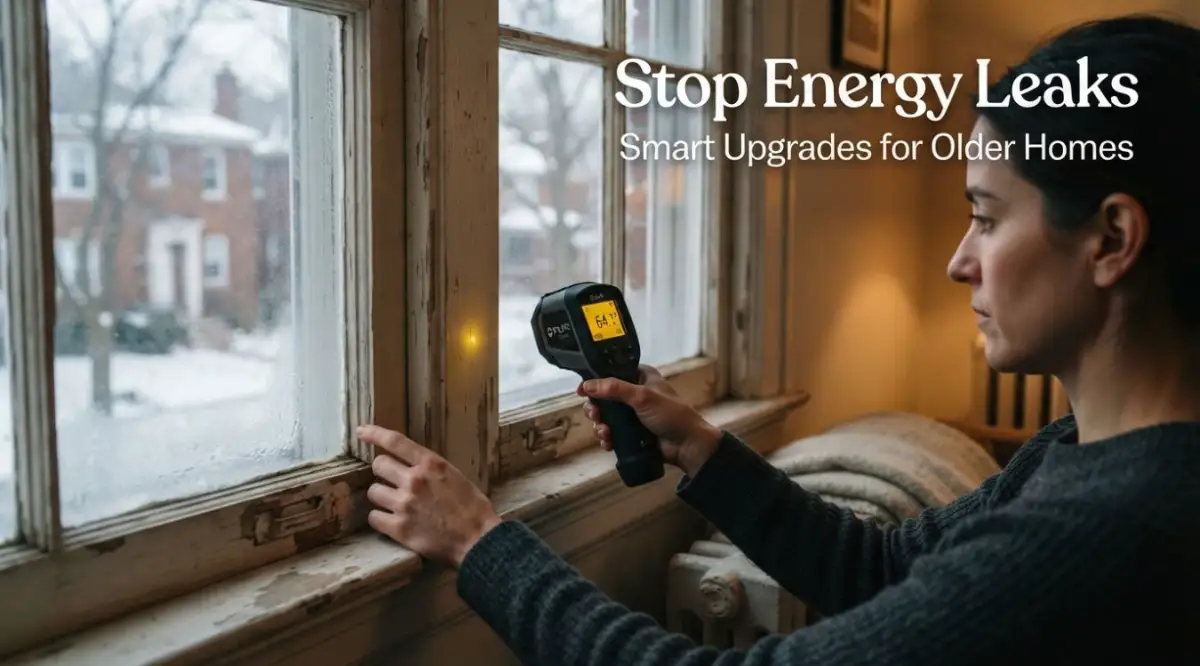
Before you buy any materials or hire contractors, you need to know exactly where your house is losing energy. Think of an energy audit as a health checkup for your property. It helps you find the exact spots where warm air escapes in the winter and enters in the summer.
You can easily perform a basic inspection yourself on a windy day. Walk around your house with a lit incense stick or a thin tissue paper. Hold it near window frames, door hinges, and baseboards to see if the smoke or paper flutters.
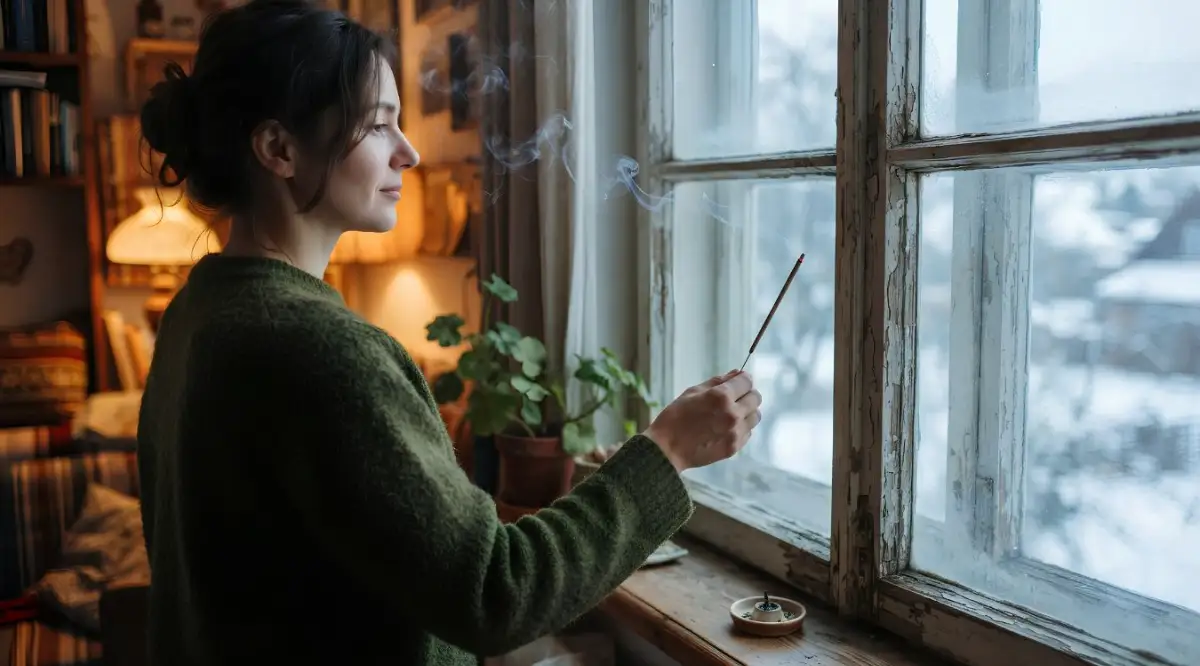
If the smoke moves, you have found a draft that is actively stealing your money. You should also check the attic to see if you can spot the top of your ceiling joists. If the insulation is sitting below the joists, you definitely do not have enough protection up there.
Myth vs. Fact: The Draft Dilemma
- The Myth: Drafts only happen around old, rattle-prone windows.
- The Fact: In my experience, the absolute biggest air leaks hide in your basement rim joists and attic hatches. I spent two whole weekends taping up my windows before I realized the real freezing air was rushing up from my unfinished crawlspace!
If you are a visual learner, watch this short step-by-step video to see exactly how I tracked down the worst hidden drafts in my own house. It will save you a ton of time and make the rest of the repair steps in this guide so much easier to follow!
[Insert YouTube Video Link Here]
Sealing the Invisible Holes
Once you find the leaks, your very first action should be sealing them up completely. This is often the cheapest upgrade you can do, but it provides the most immediate return on your investment. Older houses tend to settle over time, creating tiny gaps around frames and foundations.
Grab a high-quality silicone caulk and start sealing the cracks around your window frames and door trims. For larger gaps around plumbing pipes or electrical outlets, expanding spray foam is your best friend.
I used to think I needed to spend thousands of dollars replacing my heating system right away just to feel warm again. But my biggest realization was that a cheap can of spray foam from the hardware store did more for my daily comfort than any expensive upgrade. Never ignore those tiny hidden cracks in the wall, because finding and sealing them is what finally stopped the icy wind from blowing across my feet.
You will be amazed at how much warmer a room feels just by stopping the cold air from blowing through the electrical outlets. Do not forget to install thick weatherstripping around your exterior doors to create a tight seal when closed.
I learned the hard way that putting up heavy curtains will not fix a drafty door if the bottom seal is completely broken. I spent hundreds on thermal drapes for my living room, only to realize a $10 door sweep would have actually stopped the freezing air at the source.
Upgrading Your Thermal Envelope (Insulation)
The "thermal envelope" is the physical barrier that separates the inside of your house from the outside weather. In most classic homes, this envelope is incredibly weak. Upgrading your insulation is the most effective way to drastically reduce your heating and cooling costs.
Heat naturally rises, which means a massive amount of your expensive winter heating is escaping straight through your roof. Adding a thick layer of fiberglass batts or blown-in cellulose to your attic can completely change the comfort level of your home.
Wall insulation is a bit trickier in older properties since you do not want to tear down original plaster. However, professionals can easily inject liquid foam insulation through tiny holes drilled into the exterior siding. This foam expands inside the walls, creating a solid barrier against the outside temperatures.
Myth vs. Reality: The Truth About Old Windows
Myth: You must replace all your original wooden windows with expensive vinyl ones to save energy.
Reality: Restoring original wooden windows and adding storm windows can be just as efficient as buying new ones, and it saves you a fortune.
Many window replacement companies use aggressive sales tactics to convince you that old windows are useless. While single-pane glass is definitely poor at keeping heat inside, completely ripping them out is not your only option.
If your wooden frames are still structurally sound, repairing the glazing and adding modern weatherstripping works wonders. You can also install custom-fit storm windows on the exterior to create a dead-air space that acts as an excellent insulator.
A Quick Comparison: Upgrading vs. Replacing Windows
To help you make the best choice for your budget, let us look at the differences between upgrading your current setup versus a full replacement.
Modernizing Your Climate Control Systems
Even if you seal every crack and insulate every wall, an outdated heating and cooling system will still drain your wallet. Older furnaces and air conditioners often operate at horrible efficiency levels compared to modern standards.
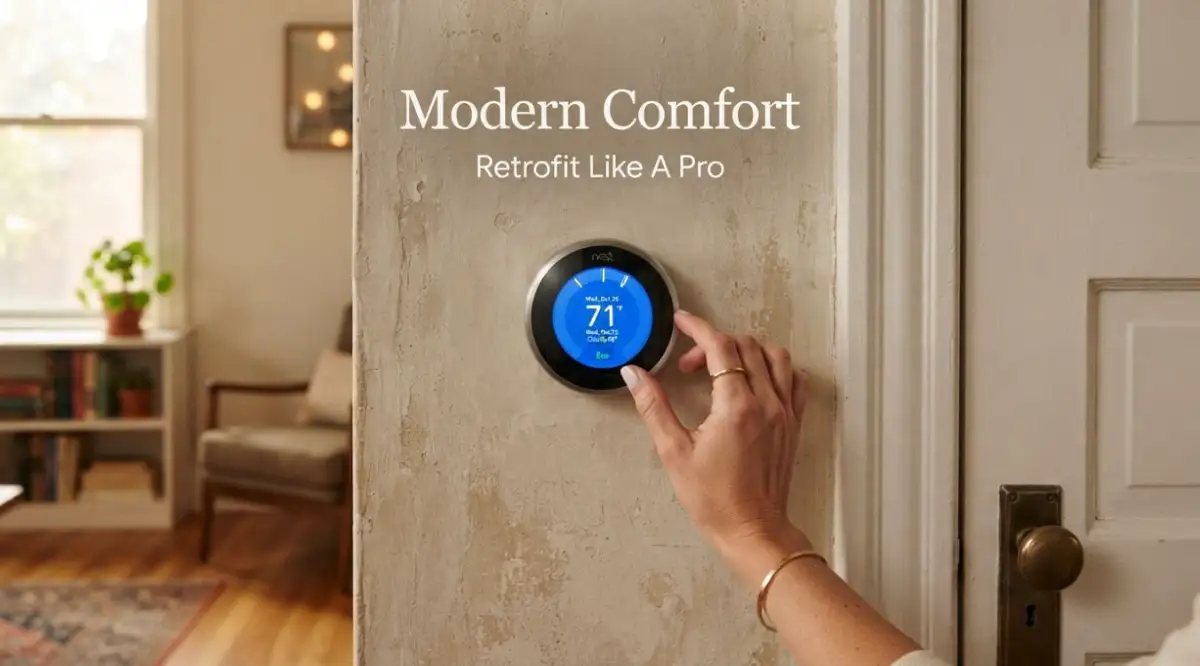
You do not necessarily need to replace a working furnace immediately, but you should absolutely install a smart thermostat. These devices learn your daily schedule and automatically adjust the temperature when you are sleeping or away at work.
By simply turning down the heat automatically when nobody is home, you can save a massive percentage on your monthly bill. Installation is surprisingly easy, and most smart thermostats are completely compatible with older wiring systems.
If your HVAC system is constantly breaking down and is past its expected lifespan, it might be time for a serious upgrade. Modern heat pumps are incredibly efficient because they move existing heat around rather than generating it from scratch.
Harnessing Natural Solutions
Upgrading an aging property is not always about buying expensive modern technology. Sometimes, the best ways to improve efficiency are completely natural and require zero electricity.
Take advantage of passive solar heating during the colder months to naturally warm your rooms. Simply open your south-facing curtains during the day to let the warm sunlight stream onto your floors and furniture.
As soon as the sun goes down, close those heavy thermal curtains tightly to trap that free heat inside the house. In the summer, doing the exact opposite will keep your house naturally cool and give your air conditioner a much-needed break.
Planting leafy shade trees outside your sunniest windows is another brilliant, long-term strategy for older properties. The leaves block the intense summer sun from baking your house, but when they fall off in winter, the warm sunlight can still get through.
Tackling the Basement and Crawlspaces
While most people focus on the attic and walls, they completely forget about the space directly under their feet. Uninsulated basements and crawlspaces are notorious for sucking the warmth right out of your main living areas.
If your house has an unfinished basement, look up at the ceiling and check for insulation between the floor joists. Adding thick fiberglass insulation here will stop your beautiful hardwood floors from feeling like literal ice in the morning.
Crawlspaces are even worse because they often have open vents that let outside air blow directly under your house. Encapsulating a crawlspace with heavy vapor barriers and sealing those vents will dramatically improve your indoor comfort.
Moisture is a huge enemy in these lower areas, so making sure you have proper drainage around your foundation is extremely important. Wet insulation is completely useless, so keeping your basement dry should always be your first priority before insulating.
Upgrading Your Water Heating System
Heating water accounts for a massive chunk of the utility costs in a standard aging home. Those huge, rusty metal tanks sitting in old basements are basically running up your electric bill 24 hours a day.
Standard water heaters keep 40 to 50 gallons of water boiling hot at all times, even when you are on vacation. If your tank is warm to the touch when you put your hand on it, it is actively losing heat into the surrounding air.
A very cheap and quick fix is to wrap the tank in a specially designed thermal fiberglass blanket. This acts like a heavy winter coat for your water heater, keeping the heat inside the tank where it belongs.
My Quick ROI (Return on Investment) Hit List:
- $10 Door Sweeps: Paid for themselves in just one week by stopping hallway drafts.
- $5 Spray Foam: Stopped the icy floor problem above the basement pipes instantly.
- $30 Water Heater Blanket: Saved me about $15 on my very next electric bill.
If your water heater is ready to be replaced, seriously consider switching to a modern tankless system. Tankless heaters only heat the water exactly when you turn the faucet on, meaning you never pay to keep a giant tank hot all day.
Smart Lighting and Appliance Retrofits
Old houses usually come with old electrical habits, and lighting can be a hidden money drain if you are not careful. If you still have traditional incandescent bulbs burning in your vintage chandeliers, you are wasting a lot of electricity.
Swapping every single bulb in your house to modern LED lighting is the easiest upgrade you will ever make. LEDs use a fraction of the electricity and produce almost no heat, which also helps keep your house cooler in the summer months.
You should also take a hard look at the appliances sitting in your kitchen and laundry room. That charming vintage refrigerator might look amazing, but it is probably using three times more electricity than a modern energy-efficient model.
When it comes time to replace older appliances, always look for the standard energy certification labels on the front. These modern machines are specifically engineered to use less water and electricity while providing significantly better performance.
Navigating Upgrades on a Tight Budget
I know that looking at this long list of potential upgrades can feel completely overwhelming and expensive. The trick is to prioritize your projects based on what will give you the fastest financial return.
Start with the absolute cheapest tasks first, like caulking windows, adding weatherstripping, and changing your lightbulbs. These small weekend projects cost very little but start reducing your monthly bills almost instantly.
Once you start seeing those monthly savings, put that extra cash directly into a savings fund for the bigger projects. Over time, the money you save on electricity can literally pay for your new attic insulation or smart thermostat.
Also, make sure you research local programs that offer financial help to homeowners making these exact types of improvements. Many local governments and utility companies offer amazing rebates, discounts, or even free energy audits just for asking.
By taking this slow, systematic approach, you can completely modernize your aging property without going into terrible debt. You get to keep the beautiful historic character of your house while finally enjoying the comfort and low bills of a brand-new home.
Next-Level Strategies for Long-Term Utility Savings
Once you have sealed the obvious drafts and upgraded your basic insulation, you are ready to take your home to the next level. The real magic happens when you start treating your house as a complete breathing ecosystem. Many people stop at weatherstripping, but they miss out on the massive savings hiding in plain sight.
I want to share some expert-level secrets that completely changed how my own house performed during the harshest winters. These are the exact methods professional energy auditors use to turn freezing vintage properties into comfortable, modern homes.
Mastering the Art of Thermal Bridging
One of the biggest hidden energy thieves in older properties is a concept called thermal bridging. This happens when heat travels directly through the solid wooden studs inside your walls, completely bypassing your insulation. Think of your wall studs as a superhighway that constantly moves your expensive indoor heat directly to the freezing outdoors.
To stop this invisible transfer, you need to add a continuous layer of rigid foam board to the exterior or interior of your walls. This creates a solid thermal break, acting like a heavy winter blanket wrapped entirely around your house structure. According to professional weatherization techniques, stopping thermal bridging can dramatically improve the overall comfort of aging structures.
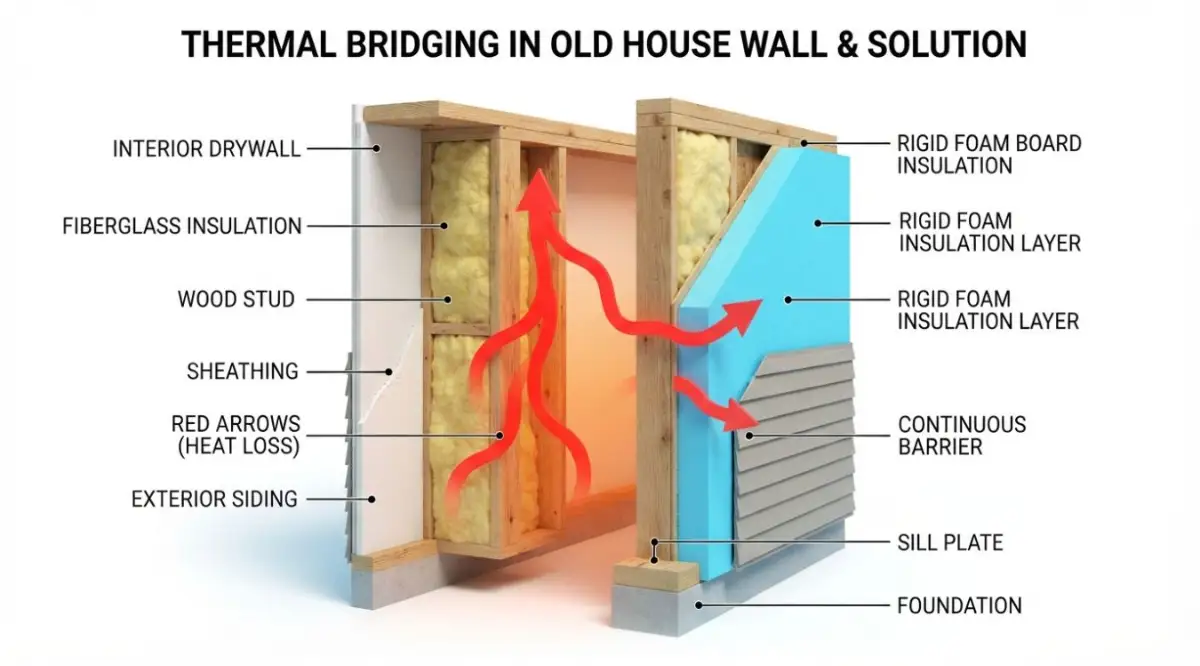
If you are planning to replace your siding anyway, this is the perfect time to add that exterior foam layer. It might cost a little more upfront, but the long-term reduction in your monthly bills is absolutely incredible.
Implementing Zoned Climate Control
Why would you pay to heat four empty bedrooms when everyone is sitting together in the living room? Older homes usually rely on a single, massive thermostat that tries to control the temperature of the entire house at once. This outdated setup is incredibly wasteful and forces your furnace to work twice as hard for no reason.
The smartest upgrade you can make is switching to a zoned heating and cooling system. By installing mini-split heat pumps or smart motorized vents, you can control the exact temperature of individual rooms.
You simply close off the zones you are not using, which slashes your electrical usage instantly. It is exactly like turning off the lights when you leave a room, but applied to your heating system.
Financing Your Upgrades the Smart Way
Let us be completely honest, making major improvements to an older property requires real money. Many families hesitate to replace a failing HVAC system because they are terrified of draining their entire savings account. But living with broken, inefficient equipment actually costs you much more money in wasted electricity over time.
The smartest approach is building a realistic monthly budget that specifically includes a home maintenance fund. If you decide to finance a new heat pump or solar panels, you need to understand exactly how that debt affects your life.
You should always research choosing fixed versus variable financing options so you never get surprised by sudden interest rate hikes. If your credit history is not perfect right now, I highly recommend boosting your credit score beforehand to lock in the lowest possible interest rates.
The Hidden Money Traps Homeowners Fall Into
Upgrading an aging property is a deeply rewarding journey, but it is also a minefield of potential disasters. I have seen so many well-meaning homeowners completely ruin their houses because they followed terrible advice.
When you make a mistake on a vintage home, it does not just cost you money to fix it. It can actually destroy the structural integrity of your house and seriously harm your family's health. Let us look at the most dangerous pitfalls you must absolutely avoid at all costs.
Sealing the House Too Tightly (The Suffocation Trap)
This is easily the most common and most dangerous mistake people make when weatherizing their properties. We are constantly told to seal every single crack and gap to stop the cold air from getting inside. But older houses were originally designed to "breathe" naturally through those tiny imperfections in the walls and windows.
If you seal a vintage home entirely without adding mechanical ventilation, you trap massive amounts of dangerous moisture indoors. The steam from your showers, cooking, and even breathing has nowhere to escape, so it settles inside your walls.
Within a few months, this trapped moisture turns into toxic black mold that rots your beautiful wooden framing from the inside out. Following guidelines for managing indoor air quality is incredibly important when you are tightening up an older building. You must always install properly vented bathroom exhaust fans and kitchen hoods to pull that wet air safely outside.
Ignoring the Hidden Toxins
When you start drilling into old plaster or scraping peeling paint around your drafty windows, you are playing with fire. Homes built decades ago are filled with materials that we now know are incredibly dangerous to human health.
Disturbing old floor tiles or wrapping old pipes can release microscopic asbestos fibers directly into your breathing air. Sanding down a sticky wooden window frame often creates a cloud of toxic lead dust that spreads across your entire house.
Before you start any demolition, you must read up on the safe handling of lead paint and asbestos materials. Hiring a certified testing company to check your walls before you swing a hammer is the smartest money you will ever spend.
The "Solar Panels First" Illusion
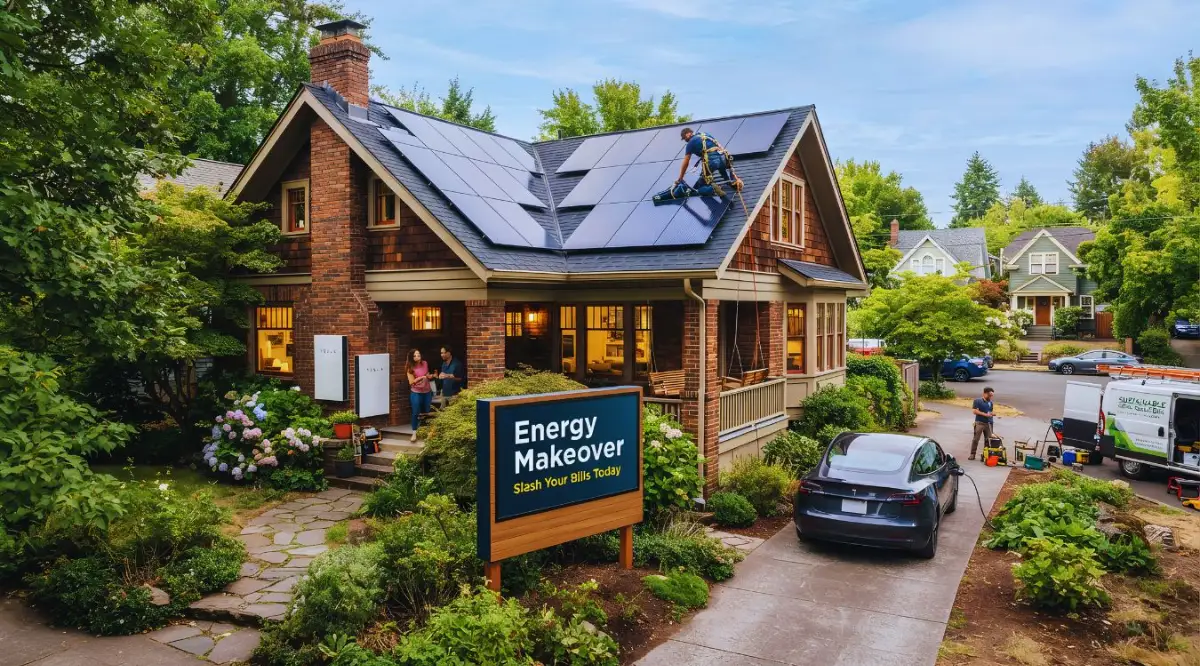
I see aggressive solar salespeople knocking on doors in my neighborhood every single week. They promise incredible savings and convince homeowners to take out massive loans to put shiny panels on their roofs.
But installing solar panels on a drafty, poorly insulated house is like pouring expensive water into a bucket with holes. You will spend a fortune generating clean electricity, only to watch that expensive energy leak straight out of your uninsulated attic.
According to national energy research laboratory data, reducing your overall energy demand must always be your very first step. You should insulate your walls, upgrade your HVAC, and seal your windows long before you ever consider solar power. By lowering your energy needs first, you can actually buy a much smaller, cheaper solar system later on.
Drowning in Bad Home Improvement Debt
The excitement of transforming your house can sometimes make you blind to the financial reality of the project. I have watched friends max out high-interest credit cards just to install premium smart home gadgets they did not actually need.
Falling into the trap of high-interest loans can completely erase any savings you get from lower electric bills. You need to fully understand the reality of unsecured borrowing before you sign any contractor financing agreements.
Taking on too much sudden debt can also heavily impact your overall financial security for the future. Always make sure you are clear on understanding your debt-to-income ratio so you do not accidentally jeopardize your financial health. If you are going through a rough patch, focus only on the cheap DIY fixes while managing your finances during tough times.
Your Action Plan for a Warmer, Affordable House
Transforming a chilly, expensive aging property into a highly efficient modern sanctuary is entirely possible. You do not need to be a professional contractor or a millionaire to see massive improvements in your daily comfort.
The secret is to stop looking at your house as a giant overwhelming project that needs to be fixed immediately. Instead, break the work down into tiny, manageable weekend tasks that fit comfortably into your normal schedule.
Start your journey this weekend by simply buying a few tubes of silicone caulk and walking around your windows. Next month, maybe you can spend a Saturday afternoon wrapping your water heater in a thick thermal blanket.
Every single crack you seal and every old lightbulb you replace puts real cash back into your pocket. Those small actions eventually snowball into massive financial savings that give you complete peace of mind.
You deserve to live in a house that feels safe, incredibly warm, and deeply relaxing without the stress of high bills. I know exactly how overwhelming this journey can feel at the beginning, but taking that very first step completely changes everything. My biggest piece of advice is to simply start small today, because your future self will be incredibly thankful you did.
Common Questions About Fixing Old Houses
Do energy upgrades actually pay for themselves?
Yes, they absolutely do pay for themselves over a few short seasons. Cheap upgrades like caulking and attic insulation offer a massive return on investment by instantly dropping your monthly utility costs. The money you save on heating and cooling quickly covers the initial price of the materials.
Can I insulate an old house without tearing down walls?
You definitely can insulate without destroying your beautiful original plaster walls. Professional contractors can easily drill tiny holes from the outside and inject expanding foam directly into the wall cavities. This method preserves your interior charm while giving you completely modern thermal protection.
Are smart thermostats worth it for older radiator heating?
Smart thermostats are incredibly valuable even if you have an older boiler and heavy cast-iron radiators. They learn exactly how long it takes your specific house to warm up and adjust the boiler timing perfectly. This stops the system from constantly overshooting the target temperature, which saves you a ton of fuel.
What is the cheapest way to stop window drafts immediately?
The absolute cheapest emergency fix is using a hairdryer to apply clear plastic shrink-film directly over your window frames. This creates a tight layer of dead air that blocks freezing winter drafts almost entirely. You can easily peel the plastic off in the spring without damaging your original wooden paint.
Should I replace my old water heater if it still works?
If your traditional tank water heater is over ten years old, replacing it is usually a very smart financial move. Older tanks lose a huge amount of heat through their metal walls, forcing the heating elements to run constantly. Switching to a modern tankless model will noticeably reduce your electricity or gas usage right away.
Looking back today, turning my freezing, drafty house into a cozy home was one of the proudest things I have ever done. You absolutely have the power to fix your home and lower your bills, so just pick one small DIY project this weekend and watch the magic happen!
Disclaimer: The information provided in this article is for educational and informational purposes only and should not be considered professional financial, real estate, or construction advice. Always consult with certified home inspectors, licensed contractors, or registered financial advisors before making significant structural changes to your home or taking out home improvement loans. Local building codes and regulations vary, so please ensure all upgrades comply with your local laws.