

Waking Up to an Oil Slick: My Daily Mirror Nightmare
Ever wiped your forehead at 2 PM and realized you could probably fry an egg on it? Yeah, me too. For years, I threw away cash on harsh face washes and magic blotting papers, convinced my genetics were just out to get me. Turns out, the real fix wasn't in my bathroom cabinet—it was sitting right in my fridge. Once I figured out how my meals were secretly triggering my oil glands, everything shifted. Let me show you exactly what I changed on my plate to finally ditch that midday shine.
I still remember the heavy feeling of dread every single time I walked into my bathroom to look in the mirror. My mornings always started the exact same way, staring at a face so shiny and greasy that it looked like I had just finished running a marathon. I would take a tissue, press it hard against my forehead, and watch in horror as it soaked up an unbelievable amount of oil. My self-esteem was completely shattered, and I felt like my own face was working against me. I spent so much money trying every single harsh cleanser and mattifying lotion I could find on store shelves. Nothing worked, and I honestly felt like I was totally alone in this embarrassing struggle.
Living with excessive facial oil is incredibly frustrating and mentally draining for so many of us. You spend hours getting ready for an event, carefully applying your makeup or skincare, only for it to completely melt off within two hours. People around you might think you are just sweating, but you know the uncomfortable truth about your hyperactive pores.
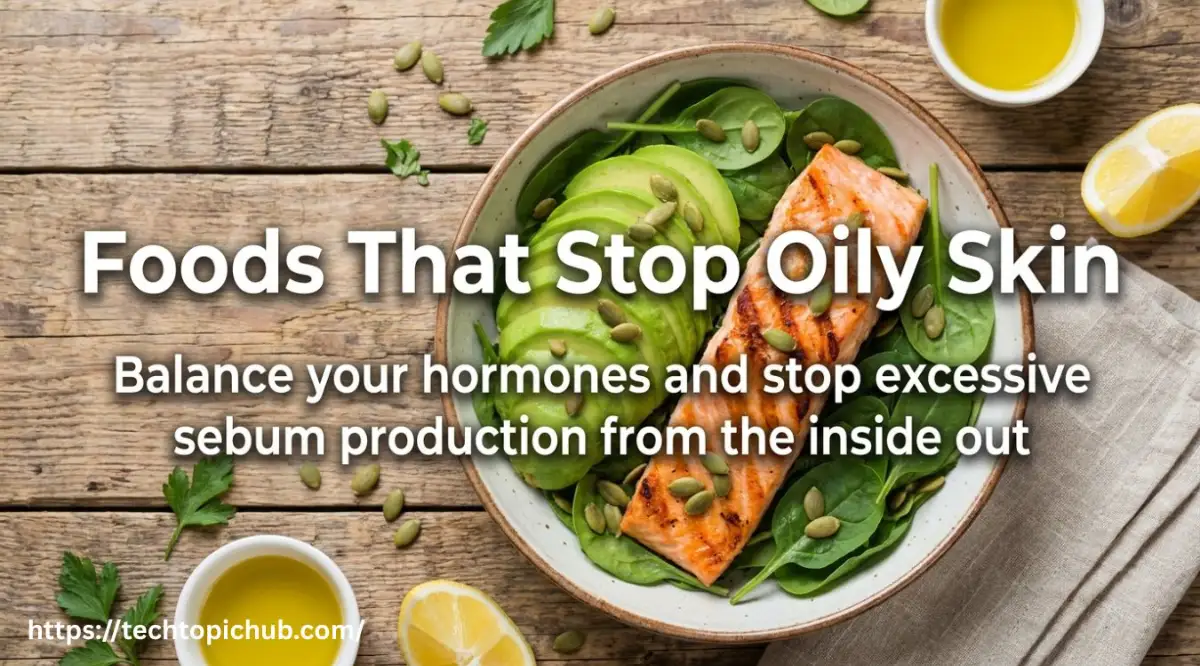
Quick Takeaways: How to Eat for Matte Skin
- Watch the Sugar: High blood sugar spikes insulin, which tells your body to pump out extra oil. Stick to slow-digesting carbs.
- Ditch the Dairy: Cow's milk contains natural growth hormones that easily confuse your skin cells and trigger massive shine.
- Fat is Your Friend: Omega-3s from walnuts, flaxseeds, and salmon act like a fire extinguisher for oily, inflamed pores.
- Load Up on Zinc: Pumpkin seeds and lentils naturally balance the hormones responsible for excessive sebum production.
Healing From the Inside Out: How Your Kitchen Cures the Shine
For a very long time, I wrongly believed that oily skin was strictly a surface problem that required surface solutions. We are heavily conditioned to think that if our face is producing too much oil, we just need to wash it away harder. However, science paints a completely different and fascinating picture of what is actually happening.
Think of your facial pores as tiny little oil factories. When these factories get the right instructions, they produce just enough oil to keep your face soft and protected from the outside world. But when these factories receive chaotic signals from your body, they go into massive overdrive and flood your skin with excessive sebum.
Those confusing signals are almost entirely controlled by your hormones. And do you know what heavily controls your hormones on a daily basis? The food you put on your plate. What you eat directly dictates whether your skin feels like a calm oasis or an active oil spill.
By making smart, calculated dietary changes, you can send calming messages to your hyperactive oil glands. You do not need expensive clinical treatments to see a massive difference in your complexion. Let us look at exactly how you can rewrite your skincare story starting with your next meal.
The Sugar Trap: Slowing Down Your Overactive Oil Factories
One of the biggest culprits behind an overly greasy face is something most of us consume every single day without even thinking about it. High-glycemic foods, which include sugary treats, white bread, and processed snacks, are your skin's worst enemy. When you eat a big glazed donut or drink a sugary soda, your blood sugar levels spike incredibly fast.
Your body immediately responds to this spike by pumping out a massive amount of insulin to bring your blood sugar back down. Here is where the problem starts for your face. High insulin levels trigger your body to produce more of a specific hormone called IGF-1.
What happens when IGF-1 increases in your bloodstream? It acts like an alarm bell for your sebaceous glands, forcing them to pump out a ridiculous amount of thick sebum.
If you want to stop this vicious cycle, you need to stabilize your daily blood sugar levels. You can do this by swapping out simple carbohydrates for complex carbohydrates that digest much slower. Instead of eating a massive bowl of sugary cereal for breakfast, try having a warm bowl of steel-cut oats topped with fresh berries.
When you make this simple swap, your blood sugar remains perfectly steady throughout the morning. Your body has no reason to panic, no reason to spike your insulin, and absolutely no reason to send extra oil to your face. It is amazing how quickly your skin responds to this gentle, balanced approach to eating.
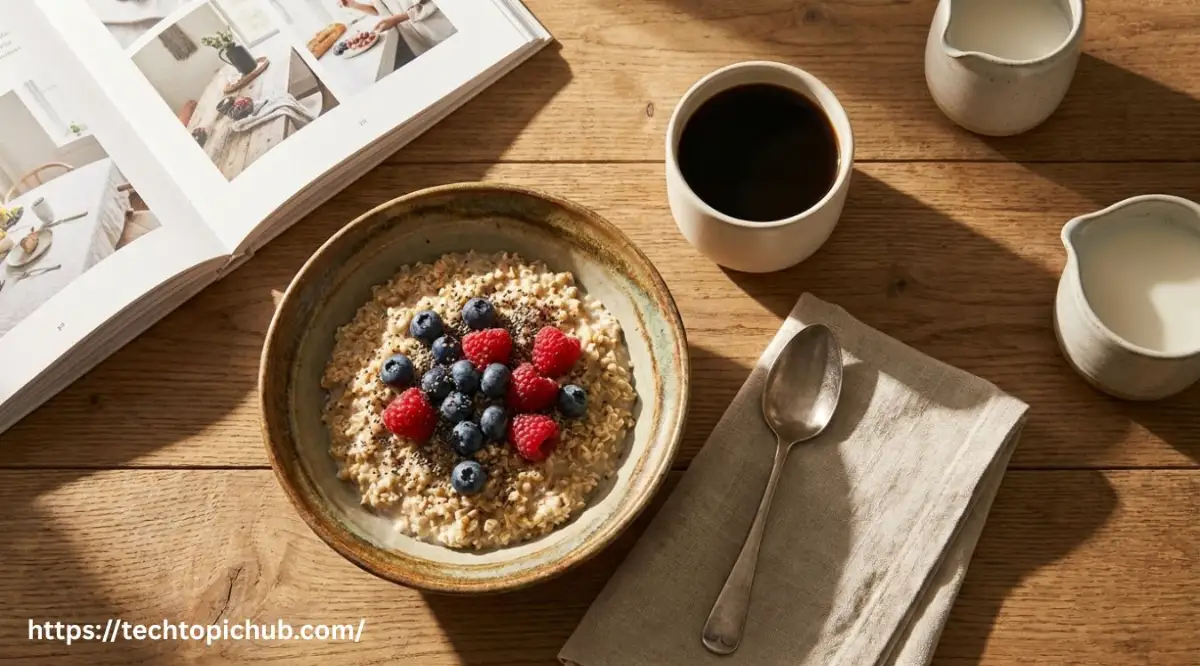
A huge mistake I made early on was thinking I had to completely starve myself of all carbs to get clear skin. I quickly realized that simply switching from white bread to something like sweet potatoes kept my stomach full and actually stopped my midday oil spikes. You really do not have to eat perfectly every single day; just making smarter food swaps is what actually works.
My Personal "Swap This for That" Cheat Sheet:
If you want to keep things simple, here are the exact food swaps I make every week to keep my oil production in check:
- Instead of: White bread toast in the morning.
- Try: A slice of sourdough (it's fermented and much kinder to your blood sugar).
- Instead of: Store-bought granola (usually packed with hidden syrups).
- Try: Plain oats mixed with chia seeds and a handful of berries.
- Instead of: Soda or sweet iced tea with lunch.
- Try: Sparkling water with a heavy squeeze of fresh lime.
I used to think my morning routine was perfectly healthy until I really looked at my habits. I loved starting my day with a huge, sugary vanilla iced coffee on an empty stomach. I quickly realized this massive sugar bomb was spiking my insulin before I even got to work, leaving my face a greasy mess by noon. Swapping that sweet drink for a plain coffee with a splash of almond milk cut my midday shine in half within just a week.
Dairy and Your Pores: Ending a Very Toxic Relationship
Many of us grew up hearing that we need to drink a tall glass of milk every single day to stay strong and healthy. While dairy can be a source of calcium, it is incredibly problematic for anyone struggling with an oily complexion. Cow’s milk naturally contains hormones and growth factors designed to help a baby calf grow massive very quickly.
When you consume these bovine hormones, they interact directly with your own endocrine system. This interaction deeply confuses your body and often leads to a massive surge in sebum production. Whey protein, which is very commonly found in gym supplements and protein bars, is highly notorious for causing extreme oiliness and sudden acne breakouts.
If you are still on the fence about giving up milk, watch this quick video to see exactly how dairy hormones secretly trigger your oil glands. Trust me, what you learn in this short clip will blow your mind, and you will definitely want to keep reading to find out how to easily fix it!
Removing dairy from your daily diet might sound a bit intimidating at first, but it has never been easier to find amazing alternatives. Grocery stores are now packed with creamy oat milk, delicious almond milk, and rich coconut yogurt. Try committing to a strict dairy-free challenge for just three weeks to see how your body reacts.
Pay close attention to how your forehead and nose feel around two o'clock in the afternoon during this challenge. Most people report a drastic reduction in that heavy, slick feeling on their skin. You might find that your makeup actually stays exactly where you put it in the morning.
The Omega-3 Solution: A Calming Blanket for Angry Skin
If there is one magic ingredient you need to start adding to your grocery list today, it is healthy fats. People often mistakenly believe that eating dietary fat will make their skin even oilier. This is a massive misunderstanding of how human biology actually works.
Omega-3 fatty acids act like a powerful, soothing blanket for your entire internal system. They are incredibly famous for their powerful anti-inflammatory properties. When your body is highly inflamed from stress, poor diet, or pollution, your skin reacts by aggressively pushing out more oil as a defense mechanism.
By eating foods rich in Omega-3s, you actively turn off that internal fire. Wild-caught salmon is arguably the absolute best source of these amazing skin-healing fats. Eating just two servings of oily fish a week can dramatically change the texture and tone of your face.
If you do not like eating seafood, you have plenty of incredible plant-based options available to you. Chia seeds, flaxseeds, and walnuts are heavily packed with plant-based Omega-3s. You can easily sprinkle a huge spoonful of ground flaxseeds into your morning smoothie or over your oatmeal without even tasting it.
I always keep a small jar of walnuts on my office desk for when I get hungry in the afternoon. Instead of reaching for a processed bag of chips that will spike my blood sugar, I grab a handful of these brain and skin-boosting nuts. My stomach stays full, and my facial pores stay incredibly calm and balanced.
The Hidden Power of Zinc: Your Body's Natural Oil Controller
You have probably seen zinc listed as an active ingredient in many natural sunscreens or diaper rash creams. But consuming zinc through your daily diet is one of the most effective strategies for naturally reducing sebum production. Zinc is a trace mineral that heavily dictates how your body processes hormones like testosterone.
When your zinc levels are running low, your hormones easily fall out of balance, leading to hyperactive sebaceous glands. Zinc literally works to lower the amount of male hormones (androgens) that actively trigger oil production in your skin. It also serves as a strong antibacterial agent, stopping trapped oil from turning into painful, red acne spots.
You can naturally boost your zinc intake by adding lots of pumpkin seeds to your daily routine. Oysters are the most potent natural source of zinc on the planet, but they are not exactly an everyday snack for most people. Lentils, chickpeas, and grass-fed beef are much more practical and delicious everyday options.
Try making a large batch of roasted chickpeas tossed with olive oil and spices for a crunchy, skin-clearing snack. This simple habit gives your body exactly what it needs to put the brakes on excessive oil secretion. Over time, you will notice your skin looks much more matte and naturally clear.
Quick DIY Zinc Snack Hack:
I know eating oysters every day sounds ridiculous. Instead, I make a super simple "Matte-Skin Trail Mix" every Sunday. Just toss 1 cup of raw pumpkin seeds, half a cup of walnuts, and a sprinkle of sea salt. Roast them at 300°F (150°C) for 15 minutes. I keep a small jar of this at my desk. It satisfies that afternoon crunchy craving and gives my body a massive hit of natural zinc. Win-win!
Hydration Hacks: Why Drinking Water Stops the Shine
It sounds incredibly simple, but chronic dehydration is a massive trigger for oily skin. When you do not drink enough water, your body sends panic signals to your skin cells warning them of a drought. Your skin desperately tries to protect itself from drying out by pumping a massive layer of heavy oil onto the surface.
You can completely trick your skin into relaxing simply by keeping your internal water levels high. However, chugging three massive glasses of water all at once is not the best way to hydrate. Your body will simply flush all that water straight out before your skin cells can actually absorb it.
The secret is to sip small amounts of water consistently throughout your entire day. If you find plain water incredibly boring, you can easily naturally flavor it to make it more exciting. Drop a few slices of fresh cucumber and some mint leaves into your water bottle for a refreshing, spa-like drink.
Cucumbers are actually fantastic for your skin because they contain silica, which naturally supports a healthy complexion. You can also eat your water by snacking on high-water-content fruits like watermelon, strawberries, and oranges. These fruits provide deep cellular hydration while also delivering a massive dose of skin-brightening vitamins.

Making these simple, actionable dietary shifts takes a little bit of planning, but the rewards are completely life-changing. You are no longer just putting a temporary band-aid on a frustrating problem. You are actually fixing the root cause of the issue by giving your body the exact tools it needs to succeed.
Next-Level Nutrition: Advanced Secrets to Keep Your Face Shine-Free
Once you have mastered the basics of cutting out heavy sugars and putting a pause on dairy, you might think you have reached the finish line. However, taking your skin from slightly better to absolutely flawless requires a few deeper adjustments. I learned this the hard way after hitting a frustrating plateau in my own skin-healing journey.
My face was definitely less oily than before, but I still had that annoying midday shine popping through my makeup. I realized I needed to stop just removing bad foods and start actively introducing specific, targeted ingredients. This is where the science of nutrition becomes incredibly fun and rewarding for your complexion.
Let us look at some highly effective, expert-level dietary shifts that work like magic for hyperactive pores. These are the daily habits that finally gave me that beautiful, matte finish I had been chasing for years.
The Magic of the Gut-Skin Connection
You might be completely surprised to learn that the secret to a grease-free face actually lives inside your stomach. Medical professionals call this fascinating relationship the gut-skin axis. Basically, whatever is happening inside your digestive system directly shows up on the surface of your face.
If your stomach is filled with bad bacteria from a poor diet, your entire body remains in a constant state of low-grade inflammation. This internal stress forces your sebaceous glands to panic and overproduce heavy, sticky sebum. According to fascinating clinical research on the gut-skin axis, balancing your intestinal bacteria can drastically reduce these inflammatory skin responses.
To fix this, you need to start feeding your gut exactly what it craves to stay peaceful and happy. Incorporating fermented foods into your daily meals is an absolute game-changer for oily skin sufferers. I started eating a small scoop of fresh sauerkraut with my lunch every single day, and the texture of my skin completely transformed.
You can also easily drink kombucha, eat plain kefir, or add a high-quality probiotic supplement to your morning routine. Creating a healthy environment inside your body is very similar to building a solid emergency fund while managing everyday expenses. It requires daily consistency, smart choices, and a focus on long-term stability rather than overnight miracles.
Drinking Your Way to Clear Pores with Green Tea
We already talked about the importance of drinking plain water, but there is an even more powerful drink for your skin. Green tea is absolutely packed with a specific, powerful antioxidant known as EGCG. This specific plant compound is highly famous for its ability to naturally lower your body's lipid and oil production.
When you drink green tea consistently, EGCG actively blocks the hormones that tell your pores to produce excessive grease. Many incredible dermatological studies on EGCG show that drinking this gentle beverage can visibly shrink the appearance of enlarged pores over time. It essentially works like a liquid mattifying primer from the inside out.
I strongly recommend swapping out your highly caffeinated afternoon coffee for a warm cup of organic green tea. Too much coffee can spike your stress hormones, which only makes your face much oilier. Green tea, on the other hand, contains an amino acid called L-theanine that actively relaxes your nervous system.
If you do not like the earthy taste of hot green tea, you can easily make a refreshing iced version at home. Just brew a large pitcher, squeeze in some fresh lemon juice, and keep it in your fridge. Drinking two to three glasses of this antioxidant powerhouse every day will leave your skin looking incredibly calm and balanced.
The Secret Strategy of Seed Cycling
Have you ever noticed that your face gets significantly oilier during certain specific times of your monthly cycle? This happens because your estrogen and progesterone levels constantly rise and fall, throwing your oil glands into total confusion. Seed cycling is a very popular, holistic nutrition method used to keep those hormones perfectly steady.
The concept is incredibly simple but highly effective for women struggling with hormonal greasiness. During the first half of your cycle, you eat one tablespoon each of freshly ground flax seeds and pumpkin seeds every single day. These specific seeds naturally support healthy estrogen production, keeping your skin soft and clear.
During the second half of your cycle, you switch to eating one tablespoon of sunflower seeds and sesame seeds. These seeds are very rich in zinc and Vitamin E, which naturally boost progesterone and prevent that pre-period oil slick on your forehead.
I like to blend my seeds right into my morning protein smoothies so I do not even have to think about them. It is such an easy, completely natural way to take control of your bodily rhythms. Over a few months, you will notice your skin remains beautifully predictable and matte all month long.

The Hidden Dietary Traps Keeping Your Skin Greasy
Making dietary changes can feel incredibly empowering, but it is also very easy to accidentally sabotage your own progress. When we desperately want clear skin, we often jump into extreme habits that end up doing far more harm than good. I made so many frustrating mistakes when I first started altering my meals for my complexion.
I want to share the most common dietary pitfalls that keep people trapped in the endless cycle of oily skin. Avoiding these sneaky traps will save you months of frustration, wasted money, and unnecessary emotional breakdowns in front of the mirror.
The Artificial Sweetener Illusion
When most people decide to cut out refined sugar for better skin, they immediately turn to artificial sweeteners as a safe replacement. You might think grabbing a diet soda or a sugar-free energy drink is a massive win for your pores. Unfortunately, your body is much smarter than you think, and fake sugar comes with its own set of massive problems.
Chemical sweeteners heavily disrupt the delicate balance of your gut microbiome that we just talked about improving. When those good bacteria die off from processing harsh chemicals, your body quickly becomes inflamed again. This hidden inflammation easily triggers your oil glands to kick right back into high gear.
Beyond that, some studies suggest that artificial sweeteners can still confuse your body into releasing insulin. If you want to satisfy a sweet craving, stick to natural, whole-food options like fresh berries or a small piece of dark chocolate. Following strict guidelines on glycemic index management with real foods is much safer than relying on chemical substitutes.
Extreme Dieting and the Cortisol Spike
One of the most dangerous things you can do for your skin health is severely restricting your daily calories. When you starve yourself or cut out entire food groups too aggressively, your body enters a severe state of panic. This internal panic triggers a massive release of a stress hormone called cortisol.
What happens when cortisol floods your system? It directly binds to the receptors in your sebaceous glands, forcing them to pump out excessive, thick oil. Trying to starve the oil away is just like trying to speed up a difficult home sale by slapping cheap paint over a broken foundation. It might look like you are doing something productive, but the underlying structural issues will immediately show up again.
Your body needs a massive variety of vitamins, minerals, and healthy fats to properly construct healthy skin cells. Instead of focusing on eating less, you need to focus heavily on eating significantly more of the right things. Nourish your body with massive plates of colorful vegetables, lean proteins, and hydrating fruits.
To understand more about this, you can read about how stress hormones impact skin health from trusted medical professionals. A well-fed, deeply nourished body naturally produces a calm, glowing, and perfectly balanced complexion.
Falling for the "Fat-Free" Supermarket Scam
In the grocery store, we are constantly bombarded with bright labels promising "fat-free" or "low-fat" health foods. If you have greasy skin, your brain naturally tells you to avoid all dietary fats at all costs. This is one of the biggest and most tragic misunderstandings in modern skincare nutrition.
When food manufacturers remove natural fats from products like yogurt, dressing, or snacks, the food tastes completely terrible. To fix the missing flavor, they pump the product full of hidden sugars, refined syrups, and artificial thickeners. As we already know, this hidden sugar is the exact trigger that causes your face to produce excessive sebum.
Furthermore, your skin desperately needs healthy fats to create a strong, protective outer barrier. If you completely avoid healthy fats, your skin barrier becomes extremely dry and damaged. Your oil glands will then completely overcompensate by drowning your face in grease to fix the dryness.
Stop fearing high-quality avocados, rich olive oil, and fatty fish in your daily meals. Embrace these healing ingredients and watch how quickly your overactive pores finally begin to relax.
Your Everyday Roadmap to a Naturally Balanced Complexion
Changing how you eat to heal your skin is not about achieving totally flawless perfection on day one. It is a highly personal, deeply rewarding journey of learning exactly how your unique body responds to different ingredients. You now have a powerful, science-backed toolkit to naturally stop the excessive oil production that has been ruining your confidence.
Remember that genuine healing happens from the inside out, and it requires a little bit of patience. Your skin cells take roughly four to six weeks to completely turn over and show you their new environment. Do not get discouraged if your face does not instantly become completely matte after just one healthy salad.
Keep your blood sugar steady by choosing slow-digesting carbohydrates over sugary processed snacks. Be mindful of dairy products that mess with your hormonal baseline, and always prioritize gut-healing foods like probiotics and fresh greens. For more diverse lifestyle guides and personal growth strategies, I always recommend exploring new topics on a reliable digital learning hub to stay motivated.
Every single positive choice you make at the dinner table brings you one step closer to the clear, balanced skin you truly deserve. I promise you that waking up to a calm, fresh face without reaching for a blotting paper is entirely possible. My own confidence skyrocketed the moment I stopped fighting my skin with harsh chemicals and started gently healing it with real, nutritious food.
Curious Minds Ask: Fast Facts on Diet and Sebum
How long does it take for a diet change to reduce oily skin?
It generally takes about four to six weeks to see a massive difference in your skin's oil production. This timeline matches your skin's natural renewal cycle, allowing new, healthy cells to form. Staying completely consistent with your new eating habits is the secret to seeing permanent results.
Does drinking coffee make your face oilier?
Drinking massive amounts of highly caffeinated coffee can easily trigger a spike in your stress hormones. When your stress levels go up, your sebaceous glands quickly respond by producing much more grease. Try limiting yourself to one cup a day or safely switching to calming green tea instead.
Are all dietary fats bad for a greasy complexion?
Absolutely not, and this is a very harmful myth that ruins many skincare journeys. Healthy fats from wild salmon, fresh avocados, and raw walnuts actually fight internal inflammation. These specific fats soothe your system and naturally tell your pores to stop overproducing sticky oil.
Can eating spicy food trigger excess facial oil?
Spicy foods naturally raise your body temperature, causing your blood vessels to rapidly expand and make you sweat. This sudden sweating can quickly mix with your natural skin oils, making your face look much greasier. If you already struggle with excessive shine, keeping your meals mild can help keep your complexion perfectly matte.
Looking back, I really wish I had started paying attention to my plate years ago instead of buying another expensive face wash. You have the power to turn your skin around just by choosing better foods at your very next meal. Start small today, trust the process, and get ready to finally see that healthy, matte glow you have been dreaming of!
Disclaimer: The information provided in this blog post is strictly for educational and informational purposes only and does not constitute professional medical advice. Always consult with a certified dermatologist or a licensed healthcare provider before making any drastic dietary changes or starting new health routines.
![Hidden Papaya Hacks for Glowing Skin and Beauty [Read Before Bed]](https://techtopichub.com/storage/uploads/blogs/1789407194_hidden-papaya-hacks-for-glowing-skin-and-beauty-read-before-bed.webp)
![The Ultimate Chemical-Free Routine for Better Skin Care and Skin Health [Save Money]](https://techtopichub.com/storage/uploads/blogs/1789228392_the-ultimate-chemical-free-routine-for-better-skin-care-and-skin-health-save-money.webp)