

The Hidden Struggle Behind Dull Morning Skin
Waking up with skin that looks tired, dull, and dry—even after a full eight hours of sleep—is incredibly frustrating. You do your nighttime routine, slap on a thick layer of moisturizer, go to bed, and still wake up feeling like your face aged five years overnight. The truth is, grabbing heavier creams or expensive concealers won't fix this. If your morning skin looks lifeless, the problem usually hides in a few tiny mistakes you are making right before your head hits the pillow. Let's fix that.
I spent years hiding under thick concealer just to run quick errands because my bare face looked so exhausted. I literally cried once before a morning coffee date because no matter how much water I drank, my skin looked completely lifeless in the daylight. It felt like my own face was working against me, and I was so tired of pretending I naturally had that easy, fresh glow.
For the longest time, I blamed my genetics. I thought I was simply meant to have tired-looking skin. I spent hundreds of dollars on fancy day creams, heavy foundations, and brightening concealers just to hide the dullness. I would spend twenty minutes every single morning trying to fake a healthy glow before leaving the house.
The frustration was quietly eating away at my confidence. When you do not feel comfortable in your own bare skin, it impacts how you show up in the world. I found myself avoiding bright lights, dodging close-up photos, and constantly checking my reflection in store windows to see if my makeup was melting off.
It is incredibly draining to start your day feeling like you are already fighting a losing battle against your own face. Many of us secretly carry this heavy burden of skin insecurity. We wonder why our friends or favorite influencers wake up looking fresh, while we wake up looking like we barely slept.
What I did not realize back then was that I was focusing all my energy on the wrong part of the day. I was treating my skin during the day when it was simply trying to survive, instead of supporting it at night when it was desperately trying to heal.

Quick Takeaways for Brighter Morning Skin:
- Wash twice: Always use an oil balm followed by a water-based cleanser to remove invisible dirt.
- Layer it wet: Apply your serums and moisturizers on slightly damp skin to trap maximum hydration.
- Wait an hour: Do your routine 60 minutes before bed so the products sink into your face, not your pillow.
- Cool the air: Use a humidifier and lower your room temperature to stop overnight moisture loss.
Understanding The Midnight Magic Of Your Body
To truly fix this frustrating cycle, we need to completely change how we think about our evenings. Your body is incredibly smart. While you are resting, your internal systems go into an intense healing mode.
During the day, your face is constantly fighting a war. It battles ultraviolet rays, dirt, harsh winds, invisible pollution, and the blue light from your screens. It spends all its energy just defending itself.
But the moment the sun goes down and you close your eyes, a massive biological shift happens. The defense mode turns off, and the repair mode instantly switches on. Blood flow to your skin increases, bringing fresh oxygen and essential nutrients to the surface.
This overnight period is when your cells work the hardest to fix the damage from the day. If you do not support this natural process with the right habits, you are basically forcing your body to work with tied hands.
Let us break down the exact, science-backed habits you can start tonight to maximize this natural healing process. You do not need a twenty-step routine or a millionaire's budget. You just need a solid strategy.
The Art Of Removing The Day Thoroughly
Think about painting a wall. If the wall is covered in dirt, grease, and old wallpaper, the new paint will look terrible and peel off immediately. Your face works the exact same way.
Most people just splash some water and a foaming soap on their face for ten seconds. That is simply not enough. Throughout the day, a sticky layer of sweat, excess oil, dead cells, and pollution forms over your pores.
If you apply your expensive night serums over this invisible layer of dirt, those products will never reach the deeper layers. They will just sit on top of the trash, doing absolutely nothing.
This is why the double cleanse method is a game changer for natural healing. You start with an oil-based cleanser or cleansing balm. Oil attracts oil. It easily melts away tough sunscreen, stubborn makeup, and excess sebum without scrubbing.
Once the oily layer is melted and rinsed, you follow up with a gentle water-based cleanser. This second step cleans deep inside the pores and removes any leftover residue.
When you touch your face after a proper double cleanse, it should not feel tight, squeaky, or dry. It should feel soft, plump, and deeply clean. This creates the perfect blank canvas for your cells to absorb nutrients.

My biggest mistake for years was aggressively rubbing my face with harsh makeup wipes and thinking my pores were actually clean. Once I threw those away and switched to a cleansing balm followed by a gentle water-based wash, my annoying morning breakouts stopped almost instantly. Trust me, taking that extra two minutes to melt the dirt away gently will change your texture faster than any expensive serum ever could.
Feeding Your Barrier With The Moisture Sandwich
Once your face is perfectly clean, you have a very short window of time to lock in hydration. Water evaporates off bare skin extremely fast, taking your natural moisture with it.
Instead of just rubbing one thick cream onto dry skin, you want to build thin layers of hydration. This is heavily known in the beauty community as the moisture sandwich method.
Start by lightly patting a hydrating toner or essence onto damp skin. Your skin acts like a sponge. A damp sponge absorbs soap much better than a dry, crusty sponge.
A Quick Guide to Evening Serums by Skin Type:
Picking the right serum for your damp skin makes all the difference. Here is what you actually need:
- For Dry/Flaky Skin: Hyaluronic Acid + Ceramides (Locks in water and repairs).
- For Oily/Acne-Prone: Niacinamide (Balances oil production while you sleep).
- For Aging/Dullness: Gentle Peptides or Retinol (Boosts cell turnover).
- For Sensitive/Red Skin: Centella Asiatica or Snail Mucin (Calms inflammation fast).
While the skin is still slightly wet, apply your main treatment serum. If your goal is deep repair, look for ingredients that support cell turnover. Peptides are amazing because they act like tiny messengers, telling your skin to produce more collagen.
Finally, you seal all that water and goodness in with a high-quality moisturizer. This creates a protective shield over your face. It stops the dry air in your bedroom from sucking the moisture out of your pores while you sleep.
Watch This Expert Breakdown On Hydration Layers
Before we move on to how your bedroom environment affects your face, take a quick minute to watch this visual guide on how to properly layer your evening products. Seeing the exact amount to apply in real-time takes away all the confusion, and it will make the rest of the tips in this guide so much easier to follow!
The Overlooked Power Of Your Sleep Environment
We often think skincare is only about the things we put in bottles and jars. But where you rest your head for eight hours matters just as much as the cream you apply.
Let us talk about your pillowcase. Most of us use standard cotton pillowcases. Cotton is a highly absorbent material. It literally drinks up your expensive night creams and the natural oils from your face.
On top of that, cotton creates friction. Every time you roll over, it pulls and tugs at your delicate skin, which can contribute to early sleep wrinkles. Switching to a pure silk or high-quality satin pillowcase is an instant upgrade for your cell repair journey.
Silk does not absorb your products. It allows your face to glide smoothly across the surface. When you wake up, your skincare is actually still on your face, not soaked into your bedding.
Temperature also plays a huge role in nighttime healing. If your bedroom is too hot, you will naturally sweat more. Sweat trapped under thick night creams can easily lead to unwanted morning breakouts.
Keeping your room cool, ideally around 65 to 68 degrees Fahrenheit, prevents excessive sweating. It also helps lower your core body temperature, which signals your brain that it is time for deep, restorative sleep.
Quick Bedroom Audit: Is Your Room Ruining Your Skin?
Before you blame your skincare products, check your room for these silent skin killers:
- Your ceiling fan is blowing directly on your face (dries you out).
- You haven't washed your pillowcase in over 5 days.
- The room humidity is below 40%.
- Your phone screen brightness is on max right before closing your eyes.
My Personal Realization About Timing
I used to do my entire skincare routine five minutes before my head hit the pillow. I would apply all my serums and heavy creams, and then immediately lie down. I constantly wondered why the side of my face I slept on always had more breakouts.
I finally realized that my expensive products were just rubbing right off onto my bedsheets before they had a chance to sink in. Now, I do my routine at least a full hour before I actually go to sleep.
Giving your products time to absorb makes a massive difference. By the time you get into bed, your face should feel soft and dry to the touch, not sticky or wet. This small timing adjustment completely changed how my skin looked the next morning.
Creating A Physical Wind-Down Ritual
Your skin health is deeply connected to your nervous system. When you are stressed out, your body releases a hormone called cortisol. High cortisol levels destroy collagen and trigger excess oil production.
If you are rushing around, checking work emails, and scrolling through stressful news right before bed, your cortisol levels will remain high. Your body will stay in a state of high alert instead of dropping into repair mode.
You must physically signal to your brain that the day is over. Turn your skincare routine into a mindful, relaxing ritual rather than a rushed chore.
Take a few deep breaths while massaging your cleanser in. Use gentle, upward motions to stimulate blood flow and drain fluid buildup. This light facial massage helps reduce that puffy look we often wake up with.
Some nights, I like to use a cool jade roller or a gua sha tool. It is not just about the physical benefits; it is about taking ten minutes to focus entirely on myself. It forces my heart rate to slow down.
When your mind is relaxed, your stress hormones drop. This creates the absolute perfect internal environment for your skin cells to divide, renew, and rebuild without interruption.
Myth Vs Reality: The Overnight Miracle
There is so much confusing information out there about what happens while we rest. Let us clear up a few common misunderstandings right now.
Myth: The thicker the night cream, the better the results.
Reality: Slathering on a massive amount of heavy cream does not equal better hydration. In fact, if the cream is too thick for your specific skin type, it will just clog your pores and trap dead skin cells. Focus on the right ingredients, not just the thickness of the product.
Myth: You should feel a tingling or burning sensation if a product is working.
Reality: Skincare should never hurt. If your face is stinging, burning, or turning red at night, your protective barrier is crying out for help. You are likely causing inflammation, which completely stops the natural healing process.
Myth: You need a completely different routine every single night.
Reality: Consistency always beats complexity. Your cells thrive on a steady, reliable supply of hydration and gentle treatment. Jumping from one trending product to another every night confuses your skin and often leads to irritation.
Smart Ingredient Choices For The Night Shift
Choosing what to apply before bed can feel like studying for a chemistry exam. However, you only need to focus on a few proven ingredients that truly support the overnight shift.
During the day, you want antioxidants like Vitamin C to protect you. But at night, you want ingredients that actively repair and renew.
Retinoids are often considered the gold standard for evening routines. They speed up cell turnover, meaning they help your body push fresh, healthy cells to the surface much faster than normal.
However, retinoids can be strong. If you are just starting, you only need a tiny pea-sized amount, and you should only use it a few nights a week. Always follow it with a deeply nourishing moisturizer.
If your skin is too sensitive for retinoids, look into Bakuchiol. It offers very similar smoothing and renewing benefits but is much gentler on a fragile skin barrier.
Hyaluronic acid is another massive player for the night shift. It pulls water from the air and deeper layers of your body right into the surface of your skin. This is what gives you that plump, bouncy feeling in the morning.
A Quick Look At Healing vs Harmful Habits
Sometimes seeing things side by side makes it much easier to understand where we are going wrong. Here is a simple breakdown of how your daily choices impact your midnight repair cycle.
Changing these habits does not happen overnight. It is perfectly okay if you forget to do your routine once in a while. We are all human, and perfection is never the goal.
The main objective is to slowly build a system that supports your body naturally. When you understand how hard your skin works for you in the dark, you naturally want to treat it with more kindness and respect.
You deserve to wake up looking as rested as you feel. You deserve to look in that bathroom mirror and smile at a fresh, healthy face. By aligning your habits with your natural internal clock, you are giving yourself the best possible chance to glow naturally.
Next-Level Evening Rituals For Long-Term Radiance
Once you have mastered the basics of washing and hydrating, it is time to look at the bigger picture. True beauty maintenance is never just about slapping on a random product and hoping for the best. You need a sustainable, long-term strategy that works with your body, not against it.
One of the best advanced secrets you can start using tonight is called Skin Cycling. This is a massive game changer for anyone struggling with sensitivity or redness. Instead of using strong active ingredients every single night, you rotate them on a four-day schedule.
Night one is for gentle exfoliation to sweep away dead cells. Night two is for your strong treatment, like a retinoid. Nights three and four are strictly dedicated to deep recovery and hydration. This brilliant schedule gives your face the perfect balance of stimulation and rest.
The Magic Of Controlling Your Room's Climate
We often forget that the air in our bedroom directly impacts how we look the next morning. During colder months, or when we blast the air conditioning, the air becomes incredibly dry. This dry air literally pulls water right out of your pores while you are sleeping.
This process is called trans-epidermal water loss, and it is the main reason you wake up looking deflated and dry. Placing a high-quality cool mist humidifier on your nightstand completely stops this from happening. It keeps the air perfectly saturated, allowing your expensive serums to actually stay inside your skin.

You should also pay close attention to what you consume in the hours leading up to bedtime. Eating heavily salted snacks or drinking alcohol right before bed causes massive fluid retention. This is exactly why you wake up with huge, puffy bags under your eyes that take hours to go down.
Try to stop snacking on salty foods at least three hours before you sleep. Instead, sip on some warm peppermint or chamomile tea. This simple dietary shift helps flush out toxins and keeps your morning face looking sculpted and tight.
Mastering The Evening Lymphatic Drain
You do not need to visit an expensive spa to get a professional-level facial massage. You have the best tools right at the ends of your arms. Using your hands for a quick lymphatic drainage massage before bed is incredibly effective.
According to the Cleveland Clinic's advice on lymphatic drainage, gentle upward and outward strokes can help remove excess fluid buildup. Apply a few drops of your favorite facial oil to give your fingers a nice slip. Start from the center of your face and gently sweep outwards towards your ears, then down your neck.
This simple three-minute motion drains the stagnant fluid that causes morning puffiness. It also pushes fresh, oxygen-rich blood directly to your tissues. You will immediately notice a beautiful, natural flush in your cheeks after doing this.
Adapting To Your Body's Natural Rhythms
Your body does not stay exactly the same every single day of the month. Hormonal shifts play a huge role in how much oil you produce and how sensitive you feel. If you try to force the exact same routine every night, you will eventually run into frustration.
During certain times of the month, you might notice your face feels oilier and more prone to breakouts. This is the perfect time to use a gentle salicylic acid treatment at night. When you feel dry and flaky, skip the strong treatments entirely and focus only on deep moisture.
Trying to fix damaged skin overnight is exactly like trying to speed up the home selling process in a sluggish housing market. It requires immense patience, staging the right environment, and knowing exactly when to pivot your strategy. You have to listen to what your body is telling you instead of blindly following a rigid schedule.
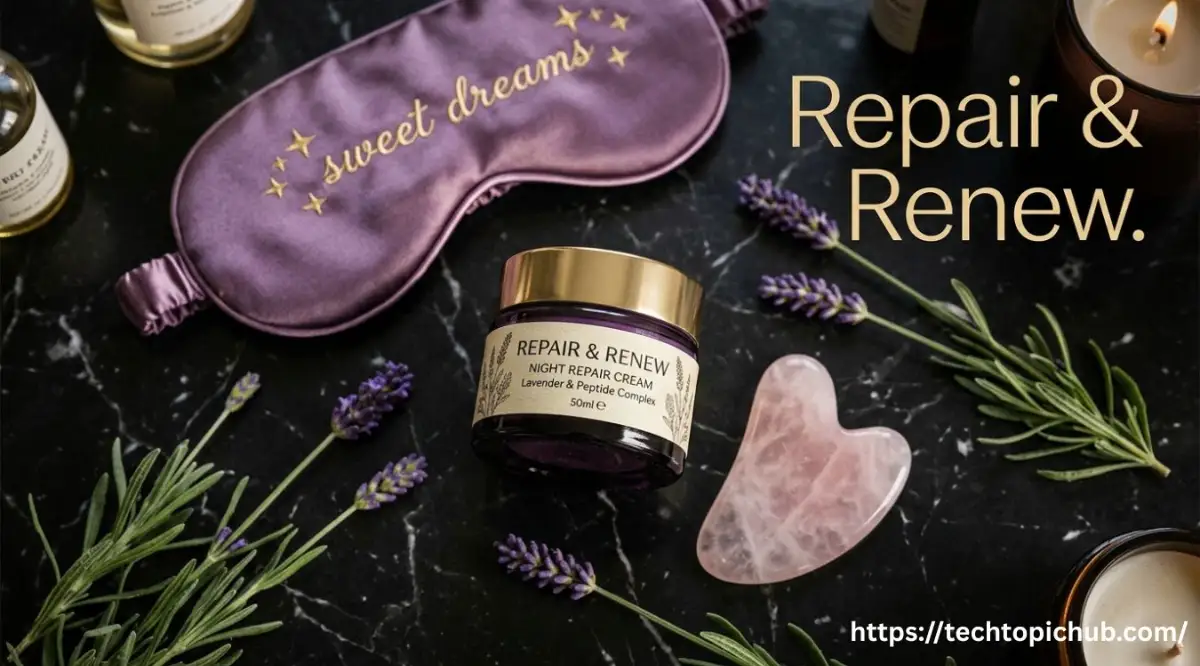
The Silent Evening Habits Destroying Your Progress
There is nothing more heartbreaking than spending money on good products, putting in the effort, and still waking up with awful breakouts. I have been there, and it is incredibly frustrating to feel like your efforts are entirely wasted. Most of the time, the products are not the problem at all.
Usually, the issue comes down to a few silent, easily overlooked mistakes we make right before getting into bed. These tiny habits slowly chip away at your protective barrier without you even noticing. Let us expose these common pitfalls so you can stop sabotaging your own glow.
The Dangerous "No Pain, No Gain" Mindset
One of the most destructive myths in the beauty world is that a product must burn or tingle to be effective. I used to scrub my face aggressively with harsh physical exfoliants, thinking I was scrubbing away my problems. In reality, I was scrubbing away my natural protective barrier.
When your face stings after applying a basic moisturizer, your acid mantle is crying out for help. According to the National Eczema Association guidelines on barrier health, a damaged barrier lets irritants in and lets essential moisture escape. You must treat your face like a delicate silk shirt, not a dirty kitchen floor.
Over-exfoliating at night strips away the healthy lipids your cells desperately need to repair themselves. If you notice a tight, shiny, almost plastic-like look on your forehead, you are doing too much. Stop all strong treatments immediately and switch to a basic, gentle moisturizer until the stinging stops.
Forgetting Where Your Face Actually Ends
Here is a massive mistake almost everyone makes: stopping their routine right at their jawline. Your neck and your upper chest undergo the exact same environmental stress as your face. Yet, we completely ignore them during our evening wind-down.
The skin on your neck is incredibly thin and produces far less natural oil than your T-zone. This makes it highly prone to early sagging and deep sleep wrinkles. Whenever you apply your hydrating toners, serums, and creams, always bring them all the way down to your collarbones.
Taking an extra ten seconds to massage your products into your neck makes a noticeable difference over time. It keeps the entire area looking plump and uniform. You do not want a glowing, youthful face sitting on top of a dry, neglected neck.
The Hidden Dangers Of Late-Night Scrolling
We all love to wind down by scrolling through social media or watching videos in bed. However, this innocent habit is silently ruining your overnight healing cycle. The artificial blue light emitting from your screen is far more damaging than you might think.
Recent data from the Sleep Foundation's research on screen time shows that blue light severely disrupts your natural melatonin production. Melatonin is not just a sleep hormone; it is also a powerful antioxidant that helps your cells fight off damage.
When you stare at your phone in a dark room, your brain thinks it is still daytime. Your stress levels stay high, and your deep sleep cycle gets delayed. Try putting your phone in another room at least thirty minutes before you plan to close your eyes.
Ignoring What Touches Your Face
You can have the most expensive, perfect evening routine in the world, but if your sleep environment is dirty, you will break out. Think about your hair products for a moment. If you use heavy hair oils, leave-in conditioners, or thick edge controls, where do they go when you sleep?
As you toss and turn, those heavy hair products rub directly onto your pillowcase, and then immediately onto your cheeks. This invisible transfer is a leading cause of mystery acne along the sides of the face. Always tie your hair up in a loose, soft scrunchie or wear a silk bonnet to bed.
Additionally, if you wear a sleep mask to block out light, you must wash it frequently. A sleep mask sits tightly against your pores for eight hours, soaking up sweat and old skincare. Throw it in the laundry with your pillowcases every single week to keep everything perfectly hygienic.
Your Beautiful Morning Reality Starts Tonight
Fixing your morning glow is not about completely overturning your life or spending your whole paycheck on luxury creams. It is simply about making smarter, more intentional choices when the sun goes down. Your body genuinely wants to heal itself; you just need to clear the roadblocks out of its way.
Start by taking your time at the sink instead of rushing through a quick wash. Build those thin layers of hydration, lock everything in, and create a calm, cool sleep environment. Building a great lifestyle involves constant learning, which is why I always recommend exploring fresh ideas on Tech Topic Hub to keep your daily routines optimized.
Every single night is a brand new opportunity to support your body's natural magic. Give yourself grace if you miss a step, but commit to being consistent with the basics. You are going to be amazed at how quickly your face responds when you finally give it the deep rest it deserves.
I remember the exact morning I woke up, walked past the mirror, and actually had to take a step back because my skin looked so naturally healthy. I didn't reach for my foundation that day, and that feeling of pure freedom is exactly what I want for you. You have the power to completely change your skin's future starting right now, tonight.
Common Questions About Your Midnight Skin Routine
Do I really need to wash my face if I didn't wear makeup?
Yes, absolutely. Even without makeup, your pores collect invisible indoor pollution, excess sebum, and sweat throughout the day. Skipping a wash leaves a film on your face that blocks your nighttime products from absorbing correctly.
How long should I wait between applying different serums?
You do not need to wait long between most hydrating steps; applying them to damp skin is actually better. However, if you are using a strong treatment like a retinoid, wait about two minutes for your face to dry completely. Applying strong treatments to wet skin can push them too deep and cause heavy irritation.
Can I just use my regular morning moisturizer at night?
You definitely can, but it might not be enough to stop overnight moisture loss. Morning creams are designed to be lightweight so makeup can sit on top smoothly. Evening creams are generally richer and designed to seal in maximum hydration while you rest.
What is the best sleeping position to prevent premature wrinkles?
Sleeping flat on your back is the absolute best position for your face. When you sleep on your side or stomach, you crush your delicate facial tissues into the pillow for hours. This constant pressure can eventually lead to permanent sleep creases and uneven volume loss.
Why does my face look even oilier when I wake up?
Waking up extremely oily usually means your face was actually severely dehydrated during the night. When your skin lacks water, it panics and produces extra oil to protect itself from drying out completely. Adding a thicker moisturizer or a hydrating essence before bed usually fixes this overproduction problem easily.
Looking back now, the best thing I ever did was stop fighting my skin and start supporting it while I sleep. You already have everything it takes to wake up feeling amazing, so just pick one simple habit to change tonight and see how your body responds. I promise you, that confident, bare-faced morning smile in the mirror is waiting for you!
Disclaimer: The information provided in this blog post is for educational and informational purposes only and is not intended as medical or dermatological advice. Always consult with a board-certified dermatologist or healthcare professional before making major changes to your skincare routine, especially if you have existing skin conditions or concerns.
![Hidden Papaya Hacks for Glowing Skin and Beauty [Read Before Bed]](https://techtopichub.com/storage/uploads/blogs/1789407194_hidden-papaya-hacks-for-glowing-skin-and-beauty-read-before-bed.webp)

![The Ultimate Chemical-Free Routine for Better Skin Care and Skin Health [Save Money]](https://techtopichub.com/storage/uploads/blogs/1789228392_the-ultimate-chemical-free-routine-for-better-skin-care-and-skin-health-save-money.webp)