
The Hidden Guilt Behind My First Artificial Intelligence Project
Man, I messed up big time on my first AI build. I grabbed a bunch of data online, thinking I was an absolute genius, only to realize later that I was basically stealing other people's hard work. If you have ever had that sinking feeling that your shiny new scraping script might actually get you sued, stick around. I am going to show you exactly how to fix your data sources before it is too late.
I remember sitting at my desk at 2 AM, staring blankly at my laptop screen while my stomach tied itself into heavy knots. My small team and I had just spent months building a beautiful machine learning model that could generate stunning digital graphics. We were incredibly proud of the automated system we had created from scratch. But suddenly, an angry email popped up in my inbox from an independent digital artist.
They had recognized a faint, distorted version of their watermark in one of our test outputs. I realized right then that my dream project was unknowingly feeding on stolen hard work. That single moment completely shattered my confidence. I felt like an absolute fraud who was taking shortcuts at the expense of others.
So many developers and tech enthusiasts face this exact same legal nightmare every single day. You spend countless hours trying to build something innovative and helpful for the world. You just want to create smart tools that make human life easier and more productive.
But behind the scenes, there is a massive legal dark cloud hanging over your head. Finding high-quality datasets feels completely impossible without stepping on someone's toes. You grab images, text, and audio from the internet, assuming it is freely available for everyone.
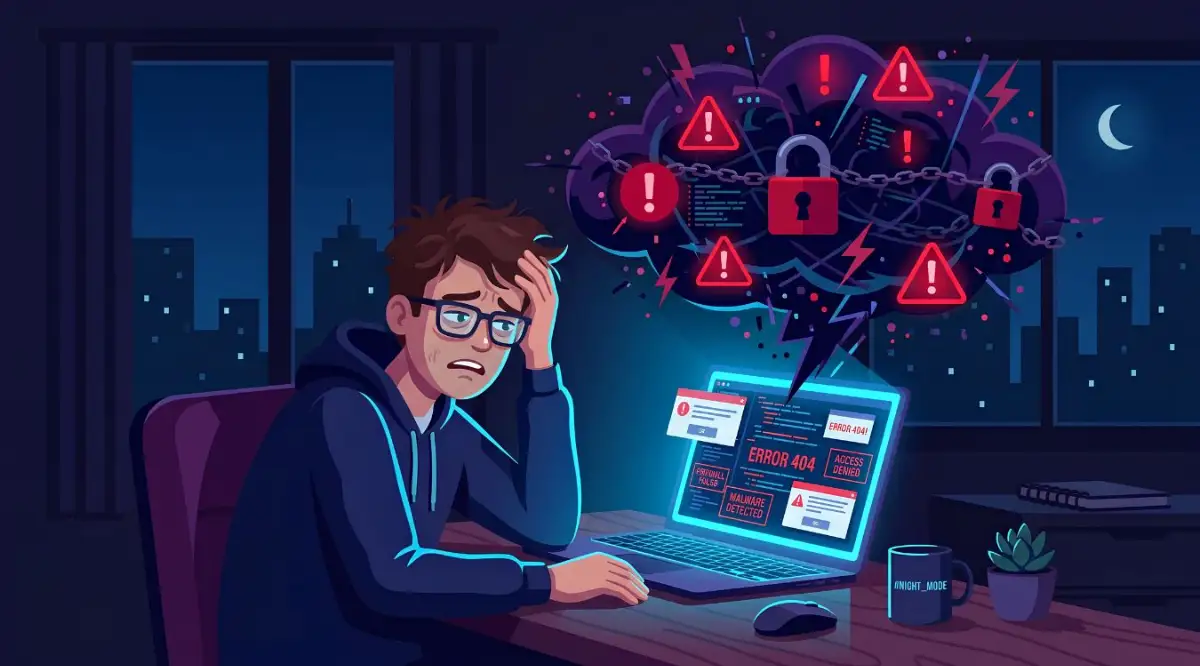
This constant fear of crossing ethical boundaries makes building new technology incredibly stressful. We all want to make progress and push boundaries in the tech industry. But no one wants to build their success on top of an artist's misery and financial struggle.
Quick Takeaways for Safe AI Building:
- Scraping public search results is a fast track to legal trouble—stick to public domain (CC0).
- Never trust random "free" zip files. Audit your data and log every single source you use.
- Consent is your best friend: let users voluntarily opt-in to build a totally safe, custom database.
Shifting Our Mindset: Why Clean Data Makes Better Algorithms
To fix this massive problem, we have to completely change how we view data collection. We can no longer treat the internet as an endless, free buffet of information. Every single picture, blog post, and digital painting has a real human being behind it.
When you train your system on stolen data, you are building a house on a very weak foundation. Eventually, the original owners will notice, and your entire project could be shut down legally. I want to show you exactly how you can build powerful algorithms while keeping your conscience completely clear.

Sourcing Your Materials From the Right Places
The absolute safest way to feed your system is by using open-source platforms. There are massive libraries of information that creators have willingly donated to the public. You just need to know exactly where to look for them.
Platforms offering Creative Commons licenses are your best friend in this journey. However, you must read the specific license details very carefully before downloading anything. Some licenses allow you to use the work for personal learning, but strictly forbid commercial use.
If you plan to make money from your software later, you must find datasets labeled as "CC0" or public domain. This means the original owner has given up all their rights. You can modify, share, and train your systems on this data without asking for permission again.
My Personal Safe-Data Checklist:
- Kaggle Datasets: I always filter by "CC0" before I even look at the files.
- Wikimedia Commons: Amazing for images, but you have to double-check the attribution rules.
- Government Sites: Data.gov or NASA archives are usually completely public domain and safe to use.
Myth vs Reality: The Internet Is Not Free Real Estate
- The Myth: If an image is publicly visible on a Google search, I can scrape it for my dataset.
- The Reality: Publicly visible does not mean publicly owned. Copyright applies the moment an artist creates the work, even if they do not add a watermark.
Building Direct Partnerships With Independent Creators
If you cannot find what you need in the public domain, you have to get creative. Start reaching out to artists, writers, and musicians directly through their portfolios. Explain your project honestly and tell them exactly how their work will be used.
You would be surprised by how many creators are willing to help if you simply treat them with respect. Offer them a fair licensing fee or a share of the profits your software generates. This creates a beautiful, mutually beneficial relationship instead of a toxic, one-sided data grab.
My Personal Lesson on Keeping Track of Everything
I made a terrible mistake early in my career by mixing all my downloaded files into one giant folder. I thought it would make the processing phase much faster and easier.
But I quickly realized that I had completely lost track of where each file came from. My pro tip for you: create a strict logging system from day one. I now use a simple spreadsheet to track the source URL, the creator's name, and the exact license type for every single file I download. This simple habit will save you from massive headaches and potential lawsuits later down the road.
Here is something I wish someone had yelled at me earlier: never, ever trust a random "free" zip file you find on a forum. I once lost three weeks of progress because I had to delete a whole model after finding just ten stolen photos buried in a folder of thousands. Now, I treat every new file like a potential legal trap until I see the license with my own eyes—it is the only way to stay sane in this industry.
Implementing Strict Opt-In Mechanisms
"Want to see how the world of data is changing for the better? Watch this quick video to see how 'consent-first' technology is actually helping developers build more trust and better products than ever before."
Why Consent is the Future of Technology
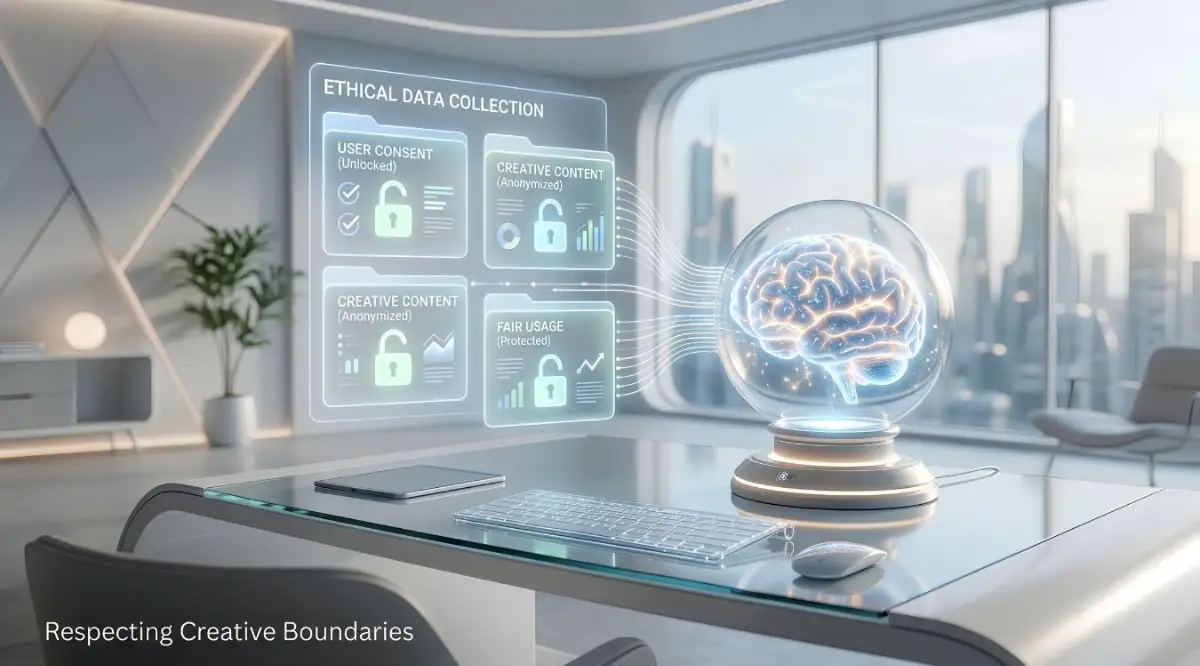
Another amazing way to gather safe information is by letting users voluntarily give it to you. Instead of quietly scraping user data in the background, be completely transparent. Build a simple feature into your app that asks users if they want to contribute to your research.
When people understand what you are building, they often want to be part of the journey. You can offer them small rewards, premium features, or exclusive badges for their contribution. This guarantees that every single piece of information in your database was given with enthusiastic consent.
Filtering Out Toxic or Copyrighted Elements Automatically
Sometimes, bad data sneaks into your system even when you are trying your best to be careful. You might download an open-source dataset that someone else secretly filled with copyrighted materials. You need a defense mechanism to catch these errors before the training begins.
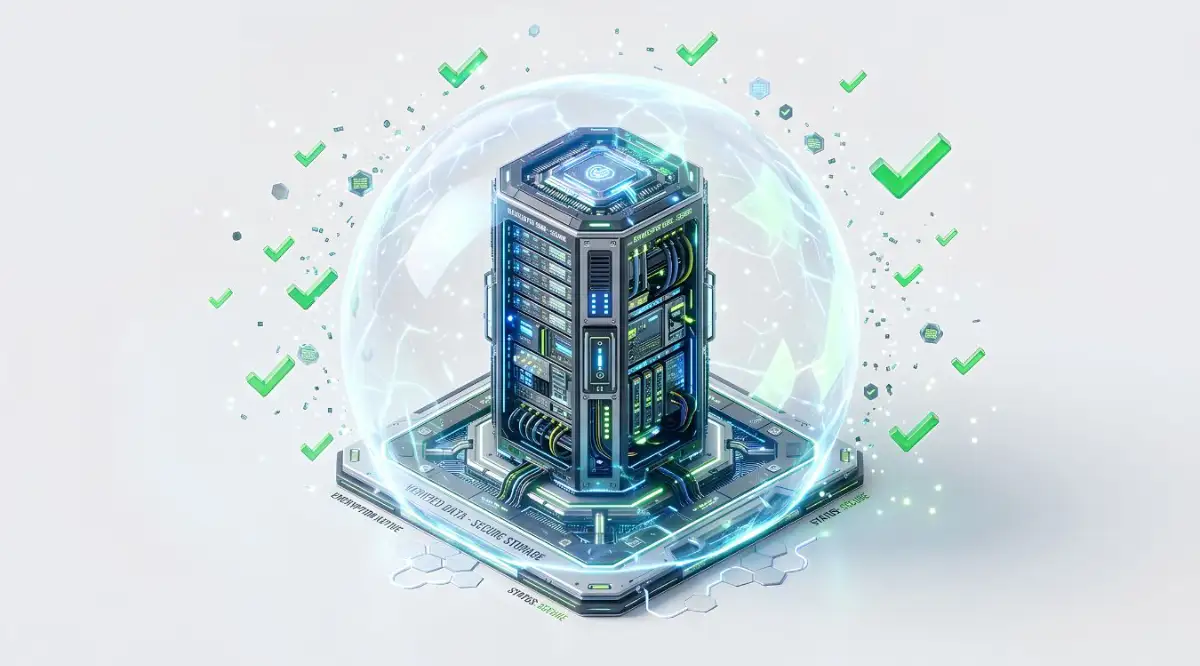
There are now automated tools available that scan your raw files and flag potential copyright issues. These scanners compare your files against known databases of protected artwork and literature. Running your materials through a scrubbing tool is like washing your vegetables before cooking. It ensures that the final product is clean, healthy, and safe to consume.
Understanding the Gray Area of Fair Use
You will often hear developers talk about "fair use" to justify scraping the internet. Fair use is a legal concept that allows limited use of protected materials without permission. But it is incredibly complicated and changes depending on where you live.
Most courts look at whether your new product directly competes with the original creator's market. If your artificial intelligence generates images that look exactly like a specific artist's style, you are threatening their income. That is almost never considered fair use.
Real-World Wake-Up Call: You don't have to guess what happens when you ignore these rules. Just look at the ongoing lawsuits where giant image agencies are suing AI companies for copying millions of stock photos. In some cases, the algorithms even spit out fake watermarks! Trust me, you do not want your startup to become the next big cautionary tale.
A Simple Comparison: Safe Data vs Risky Data
The Importance of Transparency in Your Algorithms
When you finally release your project to the public, you should be proud of how you built it. Publish a detailed document explaining exactly where your training materials came from. Be honest about the steps you took to respect digital rights and privacy.
This level of transparency builds massive trust with your users and the broader tech community. People are actively looking for ethical alternatives to the giant tech monopolies. If you can prove that your system is clean, users will happily choose your software over the competitors.
Handling Takedown Requests Gracefully
Even with the best intentions, you might eventually receive a complaint from a creator. Maybe a piece of their work slipped through your scrubbing tools by accident. When this happens, do not ignore the email or argue aggressively with them.
Respond quickly, apologize for the genuine oversight, and remove their data from your system immediately. Show them the exact steps you are taking to prevent this from happening again. Handling mistakes with grace and professionalism will often turn an angry creator into an understanding ally.
Why Protecting Human Creativity Matters
We have to remember why we are building these smart systems in the first place. Technology should act as a helpful tool to enhance human creativity, not replace it entirely. If we steal from artists until they can no longer afford to create, our systems will eventually run out of fresh ideas to learn from.
We need human writers, musicians, and painters to keep producing original, emotional art. By paying them, crediting them, and respecting their boundaries, we ensure a healthy ecosystem for everyone. You have the power to be a responsible developer who protects this delicate balance.
Starting Your Clean Project Today
You do not need to delete your entire database and give up on your dreams. Start by running an audit on the files you currently have stored on your hard drive. Delete anything that you cannot confidently trace back to a safe, legal source.
It might feel like a massive setback at first, and your progress might slow down temporarily. But I promise you, the peace of mind is worth every single extra hour of work. You will sleep much better knowing your amazing invention is built on a foundation of respect and integrity.
Creating a Sustainable Tech Future
The choices we make today as developers will shape the rules of the internet for decades. We are setting the standard for how artificial intelligence interacts with human expression. If we normalize stealing today, the next generation of coders will think it is perfectly fine.
But if we demand ethical practices now, we will create a culture of mutual respect. Companies will be forced to compete on the quality of their engineering, rather than the size of their stolen datasets. It all starts with the small, everyday decisions you make at your computer screen.
Make the right choice. Protect the creators, and your software will naturally shine brighter because of it.
Next-Level Strategies for Sustaining a Clean Database Over Time
Finding clean information for your first algorithm is only the beginning of your journey. As your software grows and requires more training, keeping your database completely legal becomes a massive challenge. You need a sustainable plan to ensure you never accidentally slip into bad habits.
One of the smartest long-term strategies is creating your own synthetic data from scratch. Instead of endlessly searching the internet for new pictures or texts, you can use your existing, legally obtained data to generate entirely new examples. This means your system learns from variations that do not actually belong to any real-world creator.
Using synthetic generation drastically reduces your dependency on external sources. It acts as an endless, safe loop of information that belongs entirely to you. You can read more about how major institutions use this method through the Stanford University's Human-Centered AI initiative, which explains the mechanics of safe data modeling.
Another excellent habit is to set up a routine quarterly audit for your storage drives. Licenses on the internet change frequently, and a public dataset today might become restricted tomorrow. By checking your sources every few months, you protect yourself from sudden legal traps.
You should also start building a budget dedicated strictly to purchasing commercial licenses. Relying solely on free resources will eventually limit the quality of your artificial intelligence. Reach out to independent stock photo websites and negotiate bulk deals for their libraries.
If you treat data as a raw material, just like wood or steel in construction, you will naturally want to buy the best quality. Paying creators for their work not only keeps you safe but also significantly improves the output of your software. Good data always produces much smarter and more accurate algorithms.
Pro-Level Secret: Building a Community Contributor Program
I discovered an incredible strategy a few months ago when my startup ran out of diverse training materials. Instead of scraping forums, we publicly launched a "Contributor Program" for our active users. We invited them to upload their own original writing and artwork directly into our system.
In exchange, we gave them lifetime premium access to our software and publicly credited them on our website. The response was absolutely mind-blowing. People love being part of a meaningful tech project when they are treated with respect and honesty.
You can easily set up a simple upload portal on your website today. Just ensure you write a very clear, easy-to-read contract that explains exactly how their uploads will be processed. Transparency turns strangers into loyal advocates for your brand.
Mastering the Art of API Rate Limits and Terms of Service
Many developers use Application Programming Interfaces (APIs) to gather massive amounts of text from platforms like Reddit or Twitter. They assume that because the platform provides a tool to download information, everything is free to use. This is a very dangerous assumption that ruins many promising projects.
Every API comes with a highly detailed Terms of Service document that you must read carefully. Most of these platforms explicitly state that you cannot use their user-generated content to train commercial machine learning models. If you ignore these rules, your access will be permanently banned.
Worse yet, the platform can take severe legal action against your company for violating their developer agreement. Always respect the boundaries set by the platform owners. If their rules say no commercial training, you must immediately delete that specific information from your hard drive.
To understand the broader legal expectations, I highly recommend reviewing the guidelines on artificial intelligence published by the U.S. Copyright Office. Staying updated on federal rules will keep you miles ahead of developers who are completely ignoring the law.
The Silent Mistakes That Can Destroy Your Software Startup
When you are rushing to finish a project, it is so easy to make terrible decisions under pressure. I have seen brilliant engineers completely ruin their careers because they wanted to save a few hours of manual work. The most common trap is the "Download All" mentality when browsing online repositories.
Developers often find massive, pre-packaged folders on sites like GitHub or Kaggle and download them without a second thought. They assume the person who uploaded the folder already checked all the copyright permissions. Unfortunately, these giant folders are usually filled with stolen, copyrighted materials mixed with public domain files.
If you blindly feed this messy folder into your system, your algorithm instantly becomes contaminated. It is incredibly difficult to un-train a model once it has already learned a specific artistic style or written format. You might have to delete months of hard work and start entirely from scratch.
Another massive mistake is believing that altering a stolen image makes it legal to use. Many people think if they change the colors or resize a picture, the original artist loses their rights. This is a complete myth and will not hold up in any courtroom.
A copyrighted work remains protected even if you distort it or use only a tiny fraction of it. You are still benefiting directly from someone else's original creative effort. This type of behavior makes the tech industry look incredibly toxic and disrespectful to the arts community.
The Heavy Emotional and Financial Toll of Ignorance
Fighting a copyright lawsuit can instantly bankrupt a small startup or an independent developer. When your entire business model is built on stolen property, investors will immediately pull their funding. You will be left completely alone to deal with the overwhelming financial consequences.
This is exactly why preparing your finances and understanding risk management is so deeply connected to running a safe tech business. If a legal disaster ever strikes, having a strong financial safety net is your only way to survive. You should always prioritize building an emergency fund without ignoring your debt, so your personal life does not collapse alongside your business mistakes.
Why Ignoring Creator Complaints is a Fatal Flaw
Sometimes, an independent writer or artist will reach out to you directly before taking legal action. They might politely ask you to remove their personal blog posts from your training database. The worst thing you can possibly do in this situation is ignore their message or argue with them.
When you dismiss their polite requests, they will take their frustration to social media platforms. The internet community is highly protective of independent creators right now. Your software will quickly be labeled as unethical, and a massive public boycott will destroy your reputation overnight.
Always treat these emails with the highest level of priority and empathy. Apologize sincerely, remove their files immediately, and thank them for bringing the issue to your attention. A humble apology can save your brand from a total public relations nightmare.
To better understand how privacy advocates view these issues, you can read about the principles of fair data processing outlined by the Electronic Frontier Foundation. Learning from privacy experts will help you handle these sensitive situations with absolute professionalism.
Moving Forward With Integrity and Confidence
Building artificial intelligence should be an exciting and incredibly rewarding experience. You have the power to create tools that solve real human problems and push society forward. But true innovation should never require breaking the law or stepping on the dreams of hardworking artists.
When you take the time to gather your materials ethically, you build a foundation of deep trust. Your users will respect your transparency, and creators will actively want to collaborate with you. You will stand out as a highly responsible leader in an industry that desperately needs better ethical standards.
It might take a little more time to find the right public domain files or negotiate direct licenses. You might have to manually clean your folders and set up strict contributor guidelines. But the peace of mind you gain from doing things the right way is absolutely priceless.
Take a good look at your current project folders today. Start auditing your sources and replacing questionable files with clean, legal alternatives. Every small step you take toward transparency makes the digital world a safer place for everyone.
My Final Thoughts for Your Journey
I completely understand how overwhelming the legal side of coding can feel when you are just trying to build something cool. But my biggest realization is that true technical mastery includes knowing how to respect the people behind the screen. Start small, verify your sources daily, and I promise your software will become far more successful than you ever imagined.
You can learn more from this video:
Questions People Frequently Ask About Machine Learning Laws
Can I use copyrighted images if I just resize or heavily edit them?
No, editing or resizing an image does not remove the original creator's copyright ownership. You are still creating a "derivative work" which requires direct permission from the artist. Always stick to open-source or fully licensed files to stay safe.
Does crediting the original artist protect me from legal lawsuits?
Simply adding a credit line or a link back to the artist does not magically grant you legal permission. If you did not sign a contract or find a specific open-source license, crediting them will not stop a copyright strike. You must explicitly secure their consent before processing their work.
Are all datasets available on GitHub totally safe for commercial projects?
Absolutely not. GitHub is filled with user-uploaded files, and many people accidentally include stolen text or images in their public repositories. You must manually check the specific license attached to the repository and verify the origin of the contents yourself.
What actually happens if my algorithm generates stolen art styles?
If your system replicates a specific artist's style so closely that it threatens their market value, they can sue you for damages. You might be legally forced to shut down your application entirely and pay heavy financial penalties. This is why filtering your inputs before the training phase is absolutely mandatory.
How can independent developers afford completely clean information?
You do not need a massive budget to find ethical materials for your software. Start by deeply exploring platforms that offer CC0 (Creative Commons Zero) media, or partner with local creators who want their work featured. Building a voluntary user-contribution system is also a fantastic, budget-friendly way to gather safe inputs.
Building things the right way takes a bit longer, but it feels so much better to launch a product you are actually proud of. You don't have to hide in the shadows or look over your shoulder anymore. Start cleaning up your data today, and you will find that being an honest developer is actually your biggest secret weapon for long-term success.
Disclaimer: The information provided in this article is for educational and informational purposes only and does not constitute formal legal advice. Copyright laws vary significantly by region and are constantly changing in response to new technologies. Always consult with a qualified legal professional before launching commercial artificial intelligence software or scraping data from the internet.