

The Heartbreak of a Bad Deal: My Personal Real Estate Nightmare
Buying a house feels like a massive win until you find a hidden roof leak just weeks after moving in. Sellers spend thousands of dollars making bad properties look perfect with fresh paint, fluffy pillows, and sweet-smelling candles. I lost a huge chunk of my own savings to these exact marketing tricks, so today I am going to show you how to spot the clever cover-ups before you hand over your money.
I still remember the day I walked into what I thought was my absolute dream home. The smell of fresh vanilla cookies filled the air, and the sunlight bounced perfectly off the shiny hardwood floors. I was so blinded by the beautiful staging that I completely ignored the quiet voice in my head telling me to look closer. I simply made an offer the very next day, totally terrified that someone else would snatch it away.
That single rushed decision turned into the biggest financial mistake of my entire life. Just three weeks after moving in, a heavy rainstorm revealed a massive, hidden leak in the roof that the fresh living room paint had completely covered up. My perfect dream home quickly became a dripping, moldy nightmare that drained my savings account. I spent sleepless nights staring at the ceiling, feeling totally embarrassed and deeply angry with myself for being so easily fooled.
So many ordinary people fall into this exact same trap every single day. You walk into a house, fall in love with the modern kitchen cabinets, and completely forget that you are making the largest purchase of your life. The emotional toll of buying a property with hidden defects is absolutely exhausting. It ruins your mental peace and turns a joyful milestone into an ongoing source of deep anxiety.
I am writing this because I never want you to experience that overwhelming feeling of regret. You do not need to be a professional contractor to spot a bad house before making an offer. You just need to know exactly where to look and what questions to ask when you walk through that front door.
Today, we are going to walk through a simple, highly effective process to protect your hard-earned money. I will share the exact things I look for now, having learned my lesson the extremely hard way. Let us make sure your next home is a safe haven, not a hidden money pit.
Quick Cheat Sheet: Don't Buy a Lemon
- Ignore the staging: Look closely at the actual bones of the house, not the fresh paint or nice furniture.
- Test the pipes yourself: Turn on the shower and flush the toilet at the same time to check for bad water pressure.
- Look down and up: Check for slightly sloping floors and look for unmatched white paint patches on the ceiling.
- Beware of heavy scents: Strong air fresheners usually mean the seller is trying to hide damp smells or pet urine.
Seeing Past the Illusion: How Sellers Hide Major Flaws
When you step into a house that is up for sale, you are basically stepping onto a movie set. The sellers have spent weeks, maybe even months, creating the perfect illusion to make you fall in love instantly. They want you to focus strictly on the surface-level beauty.
You will almost always notice fresh, bright paint on the walls and perfectly arranged furniture that makes the rooms look huge. Sellers also use clever lighting tricks, keeping every single lamp turned on to make dark, depressing spaces feel warm and inviting. Even the smells are engineered to manipulate your emotions.
That strong scent of air fresheners, scented candles, or freshly baked bread is not just for hospitality. Very often, these heavy scents are used specifically to mask the smell of damp basements, hidden mold, or previous pet accidents. You have to train your brain to ignore these pleasant distractions completely.
The moment you realize the staging is just a marketing trick, your entire perspective changes. You stop looking at the beautiful throw pillows and start looking at the actual bones of the house. This shift in mindset is your strongest shield against making a terrible investment.
The Foundation Check: Spotting the Deal Breakers
The very first thing you need to evaluate has absolutely nothing to do with the interior design. The foundation is the anchor of the entire property, and fixing it is wildly expensive. If the foundation is failing, the entire house is a massive risk.
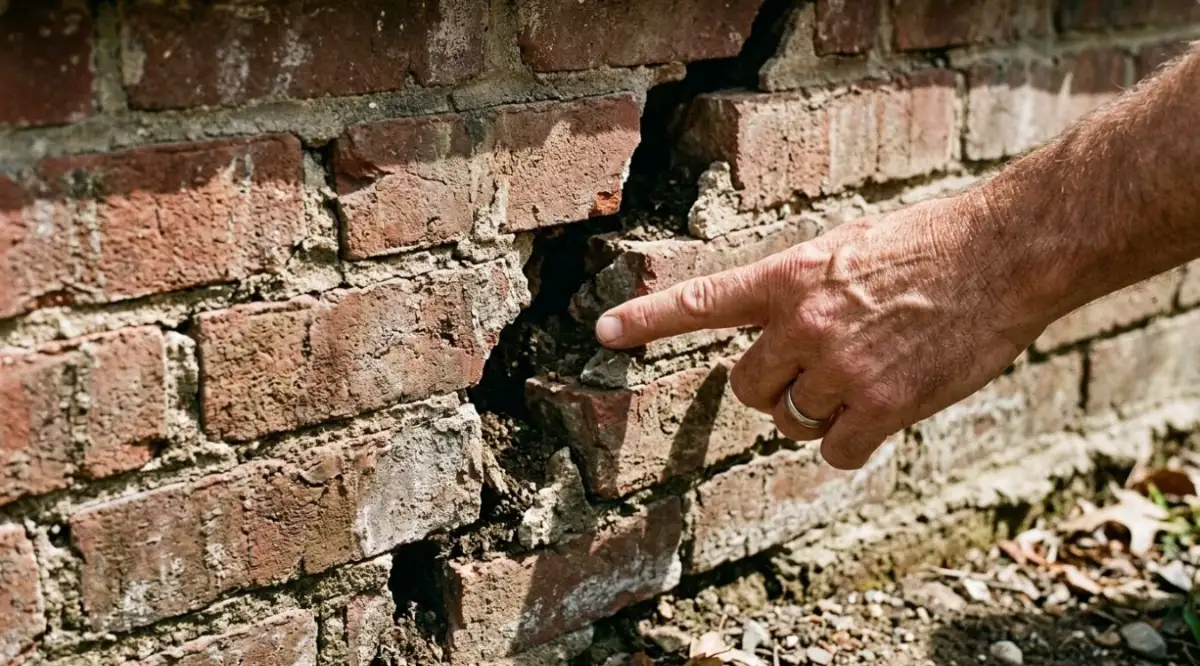
Start your walkthrough on the outside of the house before you even ring the doorbell. Walk slowly around the entire perimeter of the building and look closely at the visible concrete or brick near the ground. You are searching for large, horizontal cracks that look like they are actively widening.
Small, hairline vertical cracks are sometimes normal settling, but anything wide enough to slip a coin into is a major warning sign. Inside the house, pay close attention to the floors as you walk across them. Do you feel a slight slope, or does it feel like you are walking downhill in the living room?
Look at the corners of the rooms where the walls meet the ceiling. Diagonal cracks spreading out from the corners of doorframes and windows strongly indicate that the house is shifting unevenly. Doors that stick, refuse to close properly, or swing open on their own are also huge red flags of foundation trouble.
My Personal "Golf Ball" Trick:
You do not need fancy tools to check for a sinking house. I always carry a standard golf ball in my pocket during home tours. If you drop it on the living room floor and it quickly rolls away to one side, you have a sloped floor. This simple trick tells you the foundation is uneven long before you hire an inspector.
Quick Plumbing Reality Check
Here is a fast cheat sheet I use to judge a home's plumbing health on the spot:
The Ceiling Secrets and Water Damage Reality
Water is naturally the biggest enemy of any residential property. It silently destroys wood, encourages toxic mold, and compromises the safety of the entire structure. The ceiling is always going to be your best friend when hunting for past or present water issues.
Look upward in every single room you enter, especially in spaces directly below bathrooms or the attic. You are looking for faint brown or yellowish water rings, peeling paint, or slightly bubbling drywall. Sellers often try to paint over these stains, but fresh paint on a single patch of an older ceiling is a dead giveaway.
My Personal Pro Tip: I learned the hard way that a freshly painted ceiling in just one random room is almost always hiding a secret. If I ever see a completely unmatched patch of bright white paint on an otherwise off-white ceiling, I immediately assume a pipe burst or the roof leaked right above it. Always ask the agent directly why that specific spot was touched up.
Do not just look up; you also need to check the floors and baseboards for water damage. Look for warped hardwood floors, bubbling laminate, or baseboards that look swollen and detached from the wall. Pay extra attention to the areas around windows and exterior doors, as poor sealing often lets heavy rain seep right inside.
Investigating the Plumbing Like a Detective
You cannot afford to be shy when you are doing a preliminary house inspection. You need to touch things, turn things on, and see how the house actually functions under normal use. Plumbing issues are incredibly annoying and very costly to repair later.
Walk into every single bathroom and turn on the shower and the sink at the exact same time. Wait a few seconds and then flush the toilet while the water is still running everywhere else. Does the shower water pressure suddenly drop to a miserable trickle?
This simple test immediately tells you if the house has serious water pressure problems or old, clogged pipes. Next, let the water run for a minute and check how fast the sinks drain out. A slow drain could just mean a simple hair clog, but it could also mean the main sewer line is failing.
If you want to see exactly how I test for bad water pressure and hidden leaks without breaking anything, watch this quick video. It shows you the exact steps in action so you can easily test the plumbing yourself during your next house tour, and then keep reading below for more easy tricks!
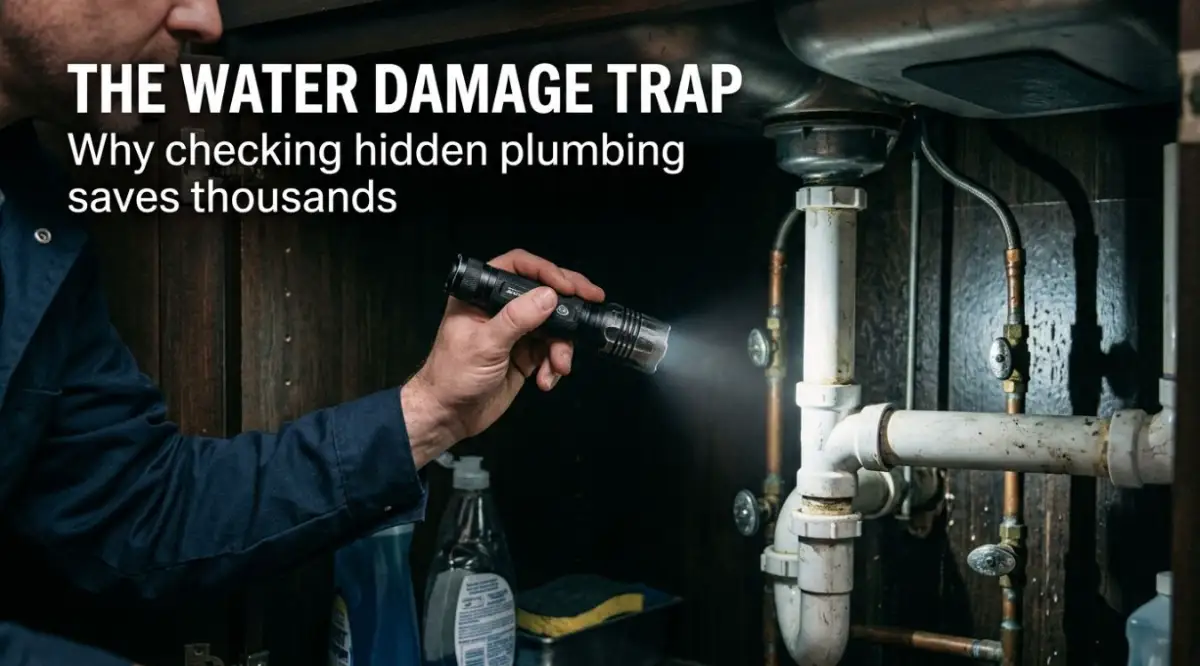
After running the water, open the cabinets underneath every sink in the bathrooms and the kitchen. Grab your phone flashlight and look all the way to the back of the dark cabinet space. Are there dark water stains, soft wood, or a damp, musty smell lingering in the air?
If you spot a random bucket sitting under a pipe, take that as a clear message that something is currently leaking. Touch the pipes gently to see if they feel wet, and look closely for green or white crusty buildup on the metal joints. These small signs point to ongoing, slow leaks that are rotting the cabinets from the inside out.
Decoding the Electrical System Basics
Flickering lights might look scary in a horror movie, but in real life, they are an expensive fire hazard waiting to happen. Old or faulty electrical wiring is incredibly dangerous and very disruptive to upgrade. You need to do a basic visual check of the electrical situation.
Start by locating the main electrical panel, usually found in the garage, basement, or a utility closet. Open the metal door and just look at the general condition of the switches inside. Does it look like a neat, organized grid, or does it look like a chaotic bird's nest of random, colorful wires?
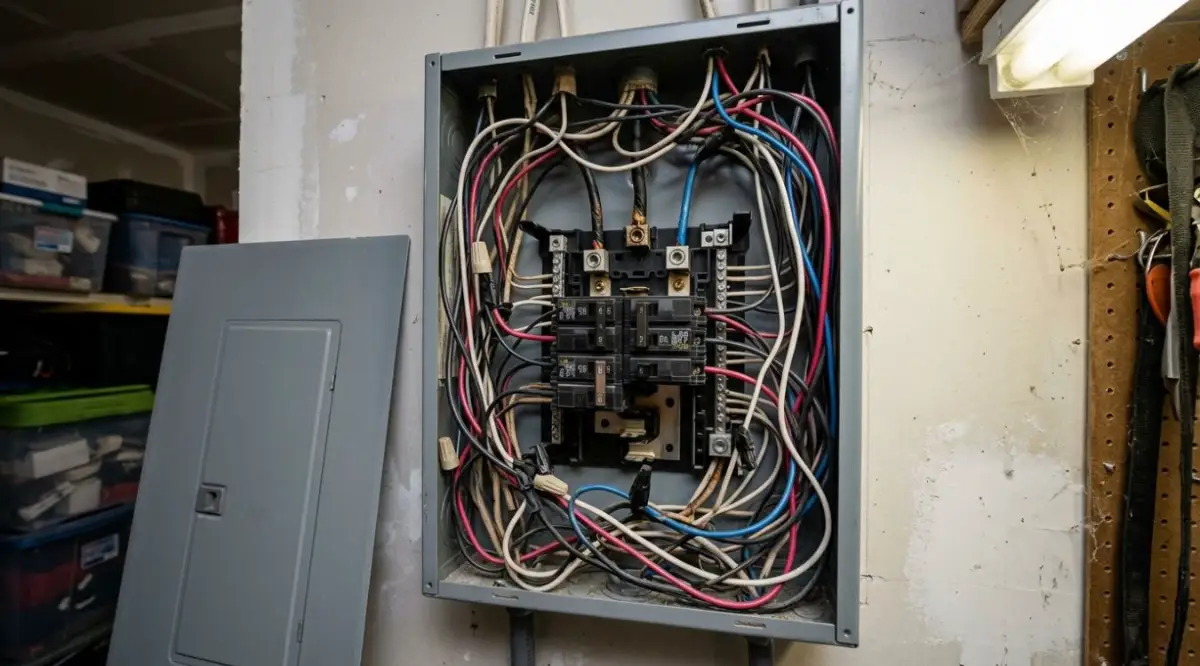
A messy panel with mismatched breakers or scorch marks on the metal cover is a huge warning sign that amateur electrical work was done. While walking through the rooms, test as many light switches as you possibly can. Pay attention to any switches that feel warm to the touch or make a quiet buzzing sound when turned on.
Look at the actual wall outlets in the bedrooms and living areas. If the house only has older, two-prong outlets instead of modern three-prong ones, the house is likely ungrounded. This means you will face a massive bill to rewire the house if you want to safely plug in modern appliances or computers.
Myth vs Reality: The Home Buying Process
When jumping into the real estate market, people often listen to terrible advice from well-meaning friends. Let us clear up some of the most dangerous myths about looking at houses. Knowing the truth gives you a massive advantage over other buyers.
Myth: The official home inspector will catch every single problem, so you do not need to look closely yourself.
Reality: Official inspectors only check things they can easily see without opening walls or moving heavy furniture. If you spot red flags early, you save the money you would have wasted hiring an inspector for a terrible house.
Myth: A newly renovated, flipped house is always completely perfect and safe to buy.
Reality: Flipped houses are often rushed jobs done by investors looking to make a fast profit. They frequently hide terrible structural issues behind cheap, shiny new cabinets and gray luxury vinyl floors.
Myth: You should never point out flaws to the seller's agent during a tour because they will not sell to you.
Reality: Asking direct, polite questions about suspicious cracks or stains shows you are a serious, educated buyer. It forces the agent to be honest upfront and prevents you from making a blind offer.
DIY Preliminary Check vs Official Inspector
It is highly beneficial to understand the difference between your initial walkthrough and the official inspection. They serve completely different purposes in your buying journey. Here is a simple breakdown of how they compare.